
Valley of the Wolves: Iraq (2006): Cast, Box Office & Plot
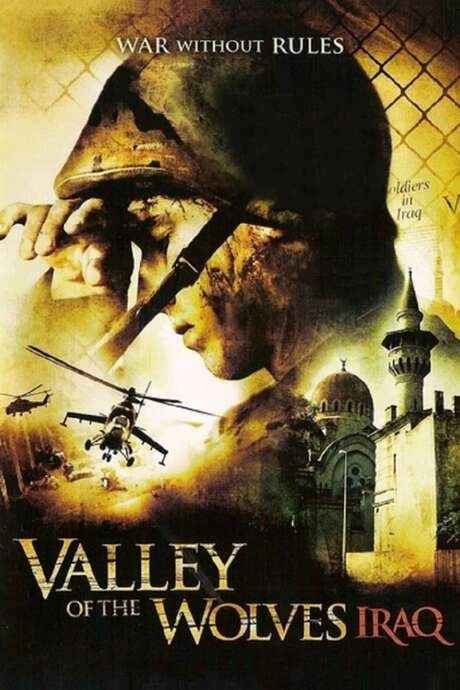
Valley of the Wolves: Iraq is a 2006 war drama directed by Serdar Akar, starring Billy Zane as Sam William Marshall, Necati Şaşmaz and Jay Abdo. It runs 2 hours 2 minutes and earned $23.5 million worldwide.
- Released
- Runtime
- 2h 2m (122 min)
- Director
- Serdar Akar
- Original language
-
 Turkish
 - Studio
- Pana Film
- After the credits
- No No extra scene
What Is Valley of the Wolves: Iraq About?
The premise of Valley of the Wolves: Iraq without spoilers. The whole story is in the plot summary further down.
War without rules, the story dramatizes real-world incidents from the Iraq occupation, the murder of journalist Daniel Pearl, the so-called Hood incident, and the Abu Ghraib prisoner-abuse scandal, presenting them through a fictional narrative that intertwines political intrigue and battlefield action.
Valley of the Wolves: Iraq Themes & Keywords
· 47 tags- murder of a child
- based on tv series
- organ trade
- turk
- dhikr
- pkk terror
- abu ghraib
- iraq
- firearm
- propaganda
- explosion
- bomb
+35 more Show fewer
- christian
- suicide bombing
- american
- organ harvesting
- muslim
- islam
- lie
- animal in title
- sensationalist
- racist
- racial prejudice
- populism
- melodrama
- ignorance
- bigotry
- artificiality
- anti semitism
- anti kurdish
- violence
- restaurant
- prison
- murder
- jew
- doctor
- commando unit
- blood
- anti americanism
- wedding
- turkey the country
- terrorism
- suicide
- soldier
- middle east
- massacre
- agent
Valley of the Wolves: Iraq Cast & Characters
Billy Zane leads the cast as Sam William Marshall, with Necati Şaşmaz as Polat Alemdar and Jay Abdo as Kurdish Leader (Jihad Abdou). Directed by Serdar Akar; 16 actors are credited in all.
- Director Serdar Akar
-
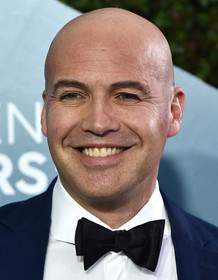 Billy Zane as Sam William Marshall
 - Necati Şaşmaz as Polat Alemdar
- Jay Abdo as Kurdish Leader (Jihad Abdou)
- İsmet Hürmüzlü as Arab Leader (Abu Tarik)
Also Starring in Valley of the Wolves: Iraq
· 12 more- Ghassan Massoud Abdurrahman Halis Karuki
- Bergüzar Korel Leyla
- Gary Busey Doctor
- Gürkan Uygun Memati Baş
- Spencer Garrett George Baltimore / Journalist
- Diego Serrano Dante
- Osman Sonant Amerikan Çavuş 2
- Ziver Çiftçi Groom
- Kenan Çoban Abdülhey Çoban
- Erhan Ufak Erhan Ufuk
- Yavuz İmsel Turkmen Leader (Hasan)
- Mauro Martino Mr. Fender
Valley of the Wolves: Iraq Plot Summary
What happens in Valley of the Wolves: Iraq from start to finish, spoilers included, with a timeline of 12 key events. The opening is below; the full summary is a 4-minute read.
Spoilers ahead
On July 4, 2003, a tense, fictional re-creation of a real-life incident unfolds in Sulaymaniyah, a northern Iraqi town. What begins as a routine visit from NATO allies quickly spirals into a detention order that shocks everyone involved: Colonel Sam William Marshall orders the arrest of 11 allied Turkish special forces soldiers along with 13 civilians, forcing them to wear hoods and holding them for a stretch of time before releasing them. The political and personal stain of that day lingers, especially for those who served there.
Full summary
The whole story of Valley of the Wolves: Iraq, scene by scene
Valley of the Wolves: Iraq Box Office
Valley of the Wolves: Iraq grossed $23.5 million worldwide.
Worldwide gross
$23.5M
- International
- $23.5M
How Well Do You Know Valley of the Wolves: Iraq?
10 questions about the story, each with a hint if you get stuck. Pick an answer to see whether you were right.
Question 1 of 10
- Question 1: not answered
- Question 2: not answered
- Question 3: not answered
- Question 4: not answered
- Question 5: not answered
- Question 6: not answered
- Question 7: not answered
- Question 8: not answered
- Question 9: not answered
- Question 10: not answered
Which actor portrays Colonel Sam William Marshall in the film?
Valley of the Wolves: Iraq Also Known As
16 alternative titles, including “Tal der Wölfe” and “Farkasok völgye: Irak”.
- Also known as
-
- Tal der Wölfe
- Farkasok völgye: Irak
- Valle de lobos
- Ulvenes dal: Irak
- 늑대들의 계곡: 이라크
- Tal der Wölfe - Irak
- Iraq, el valle de los lobos
- Valley of the Wolves - Iraq
- Vale dos Lobos
- עיראק - עמק הזאבים
- Долина волков: Ирак
- Údolí vlků
+4 more Show fewer
- 伊拉克恶狼谷
- 伊拉克惡狼谷
- 이라크 묵시록
- وادي الذئاب العراق
Seen Valley of the Wolves: Iraq?
Movies Like Valley of the Wolves: Iraq
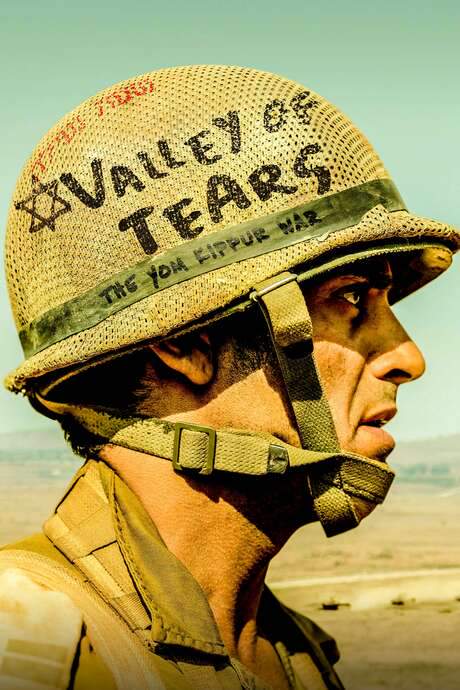
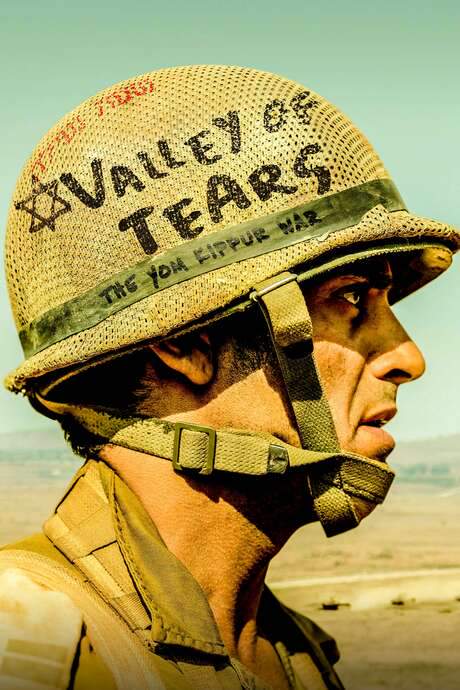
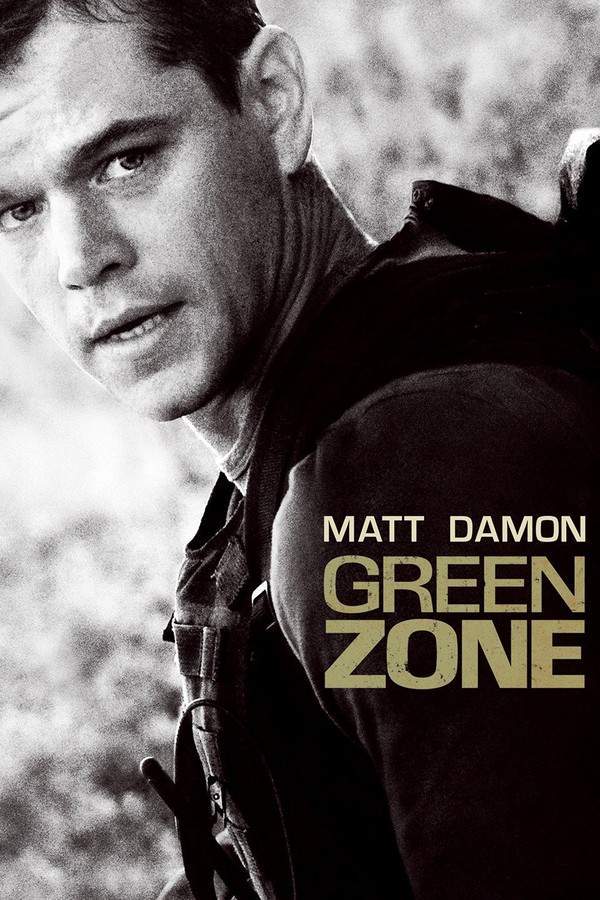
Films with a similar story, tone or audience, including Valley of Tears, Valley of Tears and Green Zone.

Valley of the Wolves: Iraq FAQ: Cast & Box Office
Runtime, release date, director, cast, box office, post-credit scenes and language of Valley of the Wolves: Iraq, each answered in a sentence.
How long is Valley of the Wolves: Iraq?
Valley of the Wolves: Iraq runs 2 hours 2 minutes (122 minutes).
When was Valley of the Wolves: Iraq released?
Valley of the Wolves: Iraq was released on January 31, 2006.
Who directed Valley of the Wolves: Iraq?
Valley of the Wolves: Iraq was directed by Serdar Akar.
More films by Serdar Akar Who is in the cast of Valley of the Wolves: Iraq?
Valley of the Wolves: Iraq stars Billy Zane as Sam William Marshall, Necati Şaşmaz as Polat Alemdar and Jay Abdo as Kurdish Leader (Jihad Abdou), among 16 credited actors.
How much did Valley of the Wolves: Iraq make at the box office?
Valley of the Wolves: Iraq grossed $23.5 million worldwide.
Does Valley of the Wolves: Iraq have a post-credit scene?
No. Valley of the Wolves: Iraq has no extra scene during or after the credits.
What language is Valley of the Wolves: Iraq in?
The original language of Valley of the Wolves: Iraq is Turkish.
Coming soon to your phone
The Plot Explained Movie Summary App
From blockbusters to hidden gems: plot summaries, endings explained and timelines on your phone. Save your favorites and never miss a twist again.
Be the first to know when it launches. Your email stays private, always. Learn more about the app
