Uprising 2001

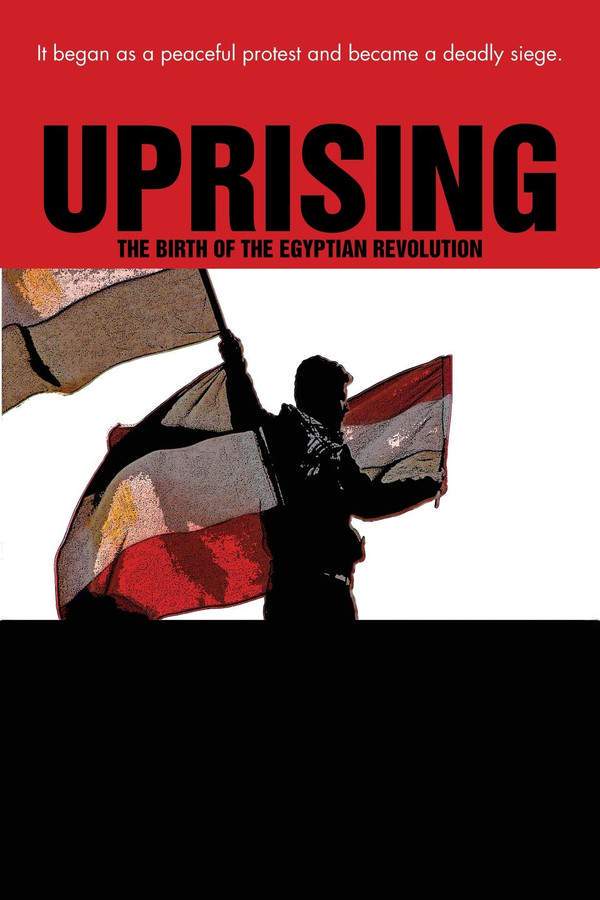
During the 2011 Egyptian revolution, a nation stood against decades of oppressive rule. This film weaves together the experiences of revolutionaries, prominent leaders, and international diplomats. Through their personal accounts, it explores the crucial events and sacrifices that defined the uprising against Hosni Mubarak and forever changed the course of Egyptian history.


Does Uprising have end credit scenes?
No!
Uprising does not have end credit scenes. You can leave when the credits roll.
Where to Watch Uprising
See current US streaming, rental, and purchase options for Uprising (2001) via JustWatch.






Meet the Full Cast and Actors of Uprising
Explore the complete cast of Uprising, including both lead and supporting actors. Learn who plays each character, discover their past roles and achievements, and find out what makes this ensemble cast stand out in the world of film and television.
No actors found
External Links and Streaming Options
Discover where to watch Uprising online, including streaming platforms, rental options, and official sources. Compare reviews, ratings, and in-depth movie information across sites like IMDb, TMDb, Wikipedia or Rotten Tomatoes.











Ratings and Reviews for Uprising
See how Uprising is rated across major platforms like IMDb, Metacritic, and TMDb. Compare audience scores and critic reviews to understand where Uprising stands among top-rated movies in its genre.


%
TOMATOMETER

0%
User Score

7.2 /10
IMDb Rating

67
%
User Score
Full Plot Summary and Ending Explained for Uprising
Read the complete plot summary of Uprising, including all major events, twists, and the full ending explained in detail. Explore key characters, themes, hidden meanings, and everything you need to understand the story from beginning to end.
The film situates itself at the outbreak of World War II and follows the dramatic consequences of Germany’s invasion of Poland on September 1, 1939. Almost immediately, a regulation orders Polish Jews to move into the newly created Warsaw Ghetto, where a Judenrat is installed to manage daily life and administer the community under harsh German oversight. At the center of this administration is Adam Czerniaków, the head of the Judenrat, who finds himself tasked with carrying out orders from the occupiers, including the deportations that push Jews toward the infamous Treblinka extermination camp.
A sense of moral tension pervades the ghetto as a group of Polish Jews decide to resist the machinery of murder and to defend the honor and humanity of their people. They seek to organize and protect their community, even as Czerniaków, as its leader, worries that any act of defiance could provoke brutal German reprisals and jeopardize the lives of countless residents. The film traces these conflicting pressures with quiet gravity, showing how leadership and loyalty pull in opposite directions when survival is at stake.
By the end of 1942, the grim reality becomes undeniable: deportations to Treblinka have begun, and many in the ghetto sense that doom is closing in. In this dark moment, the seeds of organized resistance take shape. Mordechai Anielewicz, together with Yitzhak Zuckerman, lay the groundwork for the Jewish Combat Organization, known in Polish as ZOB. The narrative shifts to explore the moral dilemmas faced by members of the underground as they prepare for revolt: “How to remain moral, in an immoral society?”
How to remain moral, in an immoral society?
As the ghetto endures a renewed assault—Nazi raids that echo the earlier onslaught—the resistance answers with defiance. On January 18, 1943, the Germans strike again, but this time the ghetto fights back, and the Jewish Combat Organization helps to halt the raids, demonstrating resolve under fire. The following months bring even greater peril, and the Germans return on 19 April 1943 to ignite the Warsaw Ghetto Uprising.
In the intervening period, residents improvise sturdy defenses: they construct hidden shelters and bunkers in basements and cellars, with tunnels that connect buildings and expand their defensive options. Those who manage to arm themselves take position in these refuges, turning the densely built space of the ghetto into a network of strongholds. The fighters, though few and outgunned, gain an advantageous posture by using these concealed strongholds to mount a stubborn defense against overwhelming odds.
The film presents a powerful, humanized portrait of a community resisting annihilation, balancing intimate scenes of fear, courage, and solidarity with the stark realities of occupation. It places the audience beside those who choose moral action in the face of brutality, and it honors the memory of a people who fought to preserve dignity amid catastrophe. Through its careful portrayal of the decisions, dangers, and small acts of rebellion, the narrative honors the endurance and complexity of the Warsaw Ghetto Uprising while staying faithful to the historical arc of these pivotal events.

Coming soon on iOS and Android
The Plot Explained Mobile App
From blockbusters to hidden gems — dive into movie stories anytime, anywhere. Save your favorites, discover plots faster, and never miss a twist again.
Sign up to be the first to know when we launch. Your email stays private — always.
Explore the mobile appWatch Trailers, Clips & Behind-the-Scenes for Uprising
Watch official trailers, exclusive clips, cast interviews, and behind-the-scenes footage from Uprising. Dive deeper into the making of the film, its standout moments, and key production insights.
Cars Featured in Uprising
Explore all cars featured in Uprising, including their makes, models, scenes they appear in, and their significance to the plot. A must-read for car enthusiasts and movie buffs alike.
Uprising Themes and Keywords
Discover the central themes, ideas, and keywords that define the movie’s story, tone, and message. Analyze the film’s deeper meanings, genre influences, and recurring concepts.
Uprising Other Names and Titles
Explore the various alternative titles, translations, and other names used for Uprising across different regions and languages. Understand how the film is marketed and recognized worldwide.
Similar Movies To Uprising You Should Know About
Browse a curated list of movies similar in genre, tone, characters, or story structure. Discover new titles like the one you're watching, perfect for fans of related plots, vibes, or cinematic styles.






Quick Links: Summary, Cast, Ratings, More

What's After the Movie?
Not sure whether to stay after the credits? Find out!
Check out our other apps:

SAT Sphere
Build confidence for the Digital SAT.

Mori Atlas
Discover wild places worth protecting.

Luntero
Search smarter for a home in Amsterdam.

Plot Explained
Unravel movie endings and hidden clues.

Pokechamp
Dive into Pokémon data and battle logic.

Driving Theory
Get ready for your European theory test.

Movie Dust
Plan your next cinema trip with ease.

Musemap
Find art and culture as you travel.

Selkobase
Compare credentials before committing.

Local Manual
Turn an unfamiliar country into practical next steps.

Lernavi
Compare school systems before your next move.

GymRoam
Find a workout stop wherever your plans take you.
Explore Our Movie Platform
New Movie Releases (2026)
Famous Movie Actors
Top Film Production Studios
Movie Plot Summaries & Endings
Major Movie Awards & Winners
Best Concert Films & Music Documentaries
Movie Collections and Curated Lists
© 2026 What's After the Movie. All rights reserved.
Privacy Policy