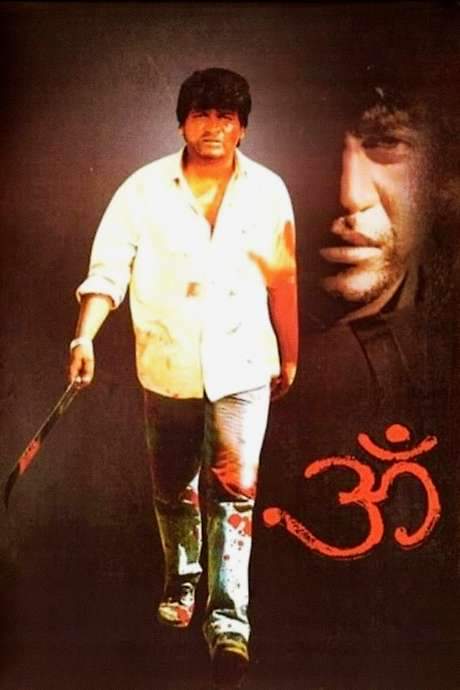
Upendra 1999


Honest Naanu, married to Swathi, finds his steady life upended when the determined Rathi pursues him and compels him to accept her affection. Meanwhile, his lingering obsession with his former love Keerthi resurfaces, forcing him to grapple with loyalty, truth, and competing desires.

Does Upendra have end credit scenes?
No!
Upendra does not have end credit scenes. You can leave when the credits roll.
Where to Watch Upendra
See current US streaming, rental, and purchase options for Upendra (1999) via JustWatch.



Streaming availability powered by 
Meet the Full Cast and Actors of Upendra
Explore the complete cast of Upendra, including both lead and supporting actors. Learn who plays each character, discover their past roles and achievements, and find out what makes this ensemble cast stand out in the world of film and television.

External Links and Streaming Options
Discover where to watch Upendra online, including streaming platforms, rental options, and official sources. Compare reviews, ratings, and in-depth movie information across sites like IMDb, TMDb, Wikipedia or Rotten Tomatoes.






Take the Ultimate Upendra Movie Quiz
Challenge your knowledge of Upendra with this fun and interactive movie quiz. Test yourself on key plot points, iconic characters, hidden details, and memorable moments to see how well you really know the film.
Upendra (1999) Quiz: Test your knowledge of the 1999 Kannada film Upendra, its characters, plot twists, and underlying themes.
Who portrays the protagonist Naanu in the film?
Full Plot Summary and Ending Explained for Upendra
Read the complete plot summary of Upendra, including all major events, twists, and the full ending explained in detail. Explore key characters, themes, hidden meanings, and everything you need to understand the story from beginning to end.
Betala begins to narrate to Vikramāditya a winding tale about Naanu and the three women who orbit his restless ego: Rathi, Keerthi, and Swathi. Naanu, a man shaped by a fierce habit of speaking the blunt truth, has spent his life hating hypocrisy and exposing the hidden truths around him. From early on, his sharp tongue cuts through pretenses, setting the stage for a story that will test love, loyalty, money, and the price of being true to oneself.
Rathi is introduced as a young woman whose father, a swami, embodies a version of religion that Naanu immediately scrutinizes. When Upendra’s character confronts him, Naanu’s candidness lays bare the tension between faith and dogma, and Rathi finds herself drawn to his fearless honesty even as she peels back the layers of hypocrisy that surround her father’s teachings. Rathi’s affection for Naanu grows in tandem with the dangers he attracts by challenging deeply entrenched beliefs, and she becomes more than merely a bystander in his world.
But the story complicates when the plot thread twists toward wealth and power. Keerthi, the daughter of a deceased father who has left his fortune to her husband, becomes the focal point of Naanu’s desires. Keerthi is introduced with a gift-wrapped fortune that could secure a life of comfort for any man willing to marry her; this prospect pulls him toward a marriage that would bind him not just to a person, but to an immense reservoir of wealth. To test this, Keerthi’s guardianship and the schemes of those who crave her wealth come into play, and the first real collision of ambition and emotion erupts as the wedding plans are set in motion.
In a violent turn, Keerthi’s guardian—the son of Marimuthu, a figure whose own motives are as dubious as the wealth he guards—orders an attack on Naanu to derail the contrarian romance. The intruder’s violence brings Swathi, a woman living in Naanu’s own house, into the danger and onto the scene. Swathi is shown not as a mere plot device, but as a person with her own stakes and fears. Naanu steps in to rescue her, and a shocking truth emerges: Swathi is, in fact, Naanu’s wife. This revelation multiplies the emotional web and complicates loyalties in ways that threaten to tear the trio apart.
Rathi, driven by a mix of danger and curiosity, confronts Naanu and confirms Swathi’s status as his wife. She issues a stark ultimatum—she will kill both Swathi and Keerthi and even herself if Naanu chooses to abandon her—yet the admission also marks a turning point: Naanu yields to the tangled reality of his own desires, permitting Swathi to depart for a time. Swathi’s departure is temporary, however, because she returns to intervene and rescue the same couple from Keerthi’s henchmen. In a twist of persistence and persuasion, Naanu convinces her to come back, and she insists that this second chance means that he must not abandon any of them. Yet even as these power plays unfold, the underlying tension remains: Naanu’s obsession with Keerthi lingers, and with it comes a plan that threatens to destabilize all four lives involved.
When Keerthi finally agrees to marry him after a sequence of manipulations and narrow escapes, the air fills with a fragile happiness that feels precarious at best. But joy is short-lived; Rathi and Swathi, learning of the impending marriage, hurry to the harbor to confront the couple. The harbor scene crystallizes the central conflict: Keerthi, confronted with the reality of Naanu’s past and present intentions, withdraws her consent to the wedding. The moment of hesitation sets off a brutal turn as Naanu abducts the three women and eliminates Marimuthu and his son, signaling a descent into a morally gray landscape where love, possession, and power collide.
The trio of women and Naanu converge in an old building, a place that becomes the stage for a final, desperate confrontation. Naanu, now cornered and consumed by the fear of losing control, threatens to bind all three women to him as life partners, a grim tableau that reveals how far his ego has driven him. The women, each holding rods, decide to end the cycle by destroying the root of his power. They stand ready to strike, and Betala’s narration freezes at this threshold, asking Vikramāditya to reveal whether Naanu will survive this deadly moment.
Vikramāditya’s verdict arrives as a philosophical counterpoint: the four figures—Naanu, Rathi, Swathi, and Keerthi—are not mere people but symbolic representations: ego, beauty, responsibilities, and money. In his interpretation, the true survivor is the collective self that transcends any single relationship; the ego must die so that a rebirth can take place. The tale then returns to the man himself.
Back in the mirror, Naanu faces the truth about his life. He feels the sting of shame as he recognizes that chasing after all three women has yielded him no lasting happiness. The moment becomes a turning point: he grasps the importance of “Us” rather than “I,” and he resolves to shed the ego that has governed his actions for so long. In a symbolic act, he rips the shirt bearing his own face, a visceral killing of the inner ego and the self-centered impulse that has driven him to pursue multiple desires at once. The women vanish from the scene, leaving Naanu alone in the old building, drenched by the rain, silent and at a loss for where to go next.
In the end, the narrative leaves a quiet, haunting note: a man who set out to control more than his life now steps into a new, emptier space, where the sound of rain on the corridor becomes a form of introspection. The story’s ultimate message lingers—ego is the root of many misdirections, and true balance arises not from conquering others, but from conquering the self. The tale closes with Naanu moving forward, transformed by a hard-won realization, and with Vikramāditya’s disguised instruction echoing in the minds of those who witnessed the tale: rebirth follows the death of the self, and only by learning to see beyond “I” can one begin the long, difficult process of becoming whole.

Coming soon on iOS and Android
The Plot Explained Mobile App
From blockbusters to hidden gems — dive into movie stories anytime, anywhere. Save your favorites, discover plots faster, and never miss a twist again.
Sign up to be the first to know when we launch. Your email stays private — always.
Explore the mobile appWatch Trailers, Clips & Behind-the-Scenes for Upendra
Watch official trailers, exclusive clips, cast interviews, and behind-the-scenes footage from Upendra. Dive deeper into the making of the film, its standout moments, and key production insights.
Upendra Themes and Keywords
Discover the central themes, ideas, and keywords that define the movie’s story, tone, and message. Analyze the film’s deeper meanings, genre influences, and recurring concepts.
Upendra Other Names and Titles
Explore the various alternative titles, translations, and other names used for Upendra across different regions and languages. Understand how the film is marketed and recognized worldwide.
Similar Movies To Upendra You Should Know About
Browse a curated list of movies similar in genre, tone, characters, or story structure. Discover new titles like the one you're watching, perfect for fans of related plots, vibes, or cinematic styles.










Quick Links: Summary, Cast, Ratings, More

What's After the Movie?
Not sure whether to stay after the credits? Find out!
Check out our other apps:

SAT Sphere
Build confidence for the Digital SAT.

Mori Atlas
Discover wild places worth protecting.

Luntero
Search smarter for a home in Amsterdam.

Plot Explained
Unravel movie endings and hidden clues.

Pokechamp
Dive into Pokémon data and battle logic.

Driving Theory
Get ready for your European theory test.

Movie Dust
Plan your next cinema trip with ease.

Musemap
Find art and culture as you travel.

Selkobase
Compare credentials before committing.

Local Manual
Turn an unfamiliar country into practical next steps.

Lernavi
Compare school systems before your next move.

GymRoam
Find a workout stop wherever your plans take you.
Explore Our Movie Platform
New Movie Releases (2026)
Famous Movie Actors
Top Film Production Studios
Movie Plot Summaries & Endings
Major Movie Awards & Winners
Best Concert Films & Music Documentaries
Movie Collections and Curated Lists
© 2026 What's After the Movie. All rights reserved.
Privacy Policy