Toxi 1952

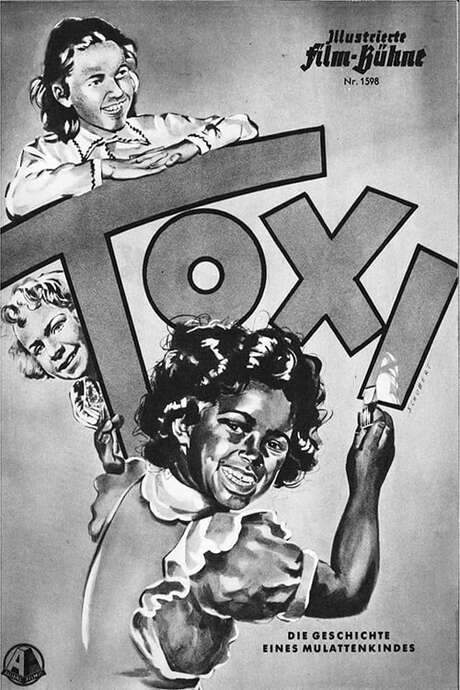
Set in post‑war Germany, the drama follows Toxi, a mixed‑heritage child of an African‑American G.I. and German mother. After her mother’s death she is placed with her American father, who struggles to provide for her and his two children. Toxi is sent to an orphanage, exposing the prejudice faced by the thousands of “mischlings” born in that era.


Does Toxi have end credit scenes?
No!
Toxi does not have end credit scenes. You can leave when the credits roll.
Meet the Full Cast and Actors of Toxi
Explore the complete cast of Toxi, including both lead and supporting actors. Learn who plays each character, discover their past roles and achievements, and find out what makes this ensemble cast stand out in the world of film and television.

Johanna Hofer
Grossmutter Helene
Carola Höhn
Charlotte Jenrich
Katharina Brauren
Vorsteherin
Paul Bildt
Grossvater Rose
Elisabeth Flickenschildt
Tante Wally
Erika von Thellmann
Frau Übelhack
Ernst Waldow
Übelhack
Willy Maertens
Inspektor Plaukart
Elfie Fiegert
Toxi
Lotte Brackebusch
Frau Berstel
Gertrud Prey
Schwester
External Links and Streaming Options
Discover where to watch Toxi online, including streaming platforms, rental options, and official sources. Compare reviews, ratings, and in-depth movie information across sites like IMDb, TMDb, Wikipedia or Rotten Tomatoes.





Take the Ultimate Toxi Movie Quiz
Challenge your knowledge of Toxi with this fun and interactive movie quiz. Test yourself on key plot points, iconic characters, hidden details, and memorable moments to see how well you really know the film.
Toxi (1952) Movie Quiz: A quiz exploring key themes, characters, and social issues depicted in the 1952 film Toxi.
What is the main character's name in the film Toxi?
Full Plot Summary and Ending Explained for Toxi
Read the complete plot summary of Toxi, including all major events, twists, and the full ending explained in detail. Explore key characters, themes, hidden meanings, and everything you need to understand the story from beginning to end.
The film opens with a poignant scene where a young Afro-German girl is left at the doorstep of the Rose family, a white middle-class German household, during a birthday celebration. At first, the family members interpret her presence as part of a surprise performance arranged by her aunt, and they greet her with a sense of curiosity and warmth, believing she might be part of a festive act. However, their initial acceptance begins to shift when they discover a suitcase abandoned on the porch, a clear sign that the girl, Toxi, has been left there deliberately. This revelation prompts a reassessment of their feelings, forcing the family to confront their own beliefs about race, belonging, and societal norms.
As the reality sinks in, the Roses grapple with the question of whether to keepToxi with them. This developing situation introduces a complex exploration of racial prejudice in post-war Germany. One particular character, Uncle Theodor, the eldest son’s husband, becomes notably unsettled by the idea of Toxi remaining in their home. He is especially concerned about her interaction with his two young daughters, reflecting the racial biases and fears rooted in the era’s social climate. Despite these reservations, Toxi’s behavior soon proves to be beyond her years. She displays remarkable manners, maturity, and kindness—traits that gradually challenge the family’s initial perceptions and prejudices. Her goodness and grace lead Uncle Theodor to reassess his discriminatory attitudes, recognizing that his fears were unfounded.
Throughout the film, Toxi is portrayed as a girl of exceptional character who, despite her young age, behaves thoughtfully and politely, often setting a moral example for those around her. Her presence sparks important conversations about acceptance, discrimination, and the injustices faced by children often labeled as Mischlingskinder or “Brown Babies.” These children, many born from relationships between German women and African-American soldiers, faced profound social stigma, abandonment, and marginalization in a society struggling to confront its own past.
As the story progresses towards its resolution, the Rose family grows increasingly fond of Toxi. They come to see her as a symbol of innocence and resilience amid a society plagued by prejudice. However, the closure of the film is bittersweet. Just as the family begins to accept and embrace her, Toxi’s biological father—who is an ex-American soldier—arrives unexpectedly. He comes to take her back to the United States, highlighting the ongoing struggles many of these children faced with loss, separation, and identity. Despite the family’s heartfelt acceptance, Toxi must leave, embodying both hope and grief.
This powerful story serves as a lens through which the film examines larger themes such as racial discrimination, post-war societal tensions, and the personal hardships experienced by Brown Babies in 1950s Germany. It sheds light on the considerable social and institutional challenges they encountered, including stigmatization, abandonment, and exclusion. The film eloquently addresses the complex struggle for acceptance faced by these children—who, despite the societal rejection, demonstrate resilience and dignity in their fight for belonging. Overall, the film provides a moving and thought-provoking portrayal of a difficult chapter in history, emphasizing the importance of compassion and understanding in overcoming prejudice.

Coming soon on iOS and Android
The Plot Explained Mobile App
From blockbusters to hidden gems — dive into movie stories anytime, anywhere. Save your favorites, discover plots faster, and never miss a twist again.
Sign up to be the first to know when we launch. Your email stays private — always.
Explore the mobile appDiscover Film Music Concerts Near You – Live Orchestras Performing Iconic Movie Soundtracks
Immerse yourself in the magic of cinema with live orchestral performances of your favorite film scores. From sweeping Hollywood blockbusters and animated classics to epic fantasy soundtracks, our curated listings connect you to upcoming film music events worldwide.
Explore concert film screenings paired with full orchestra concerts, read detailed event information, and secure your tickets for unforgettable evenings celebrating legendary composers like John Williams, Hans Zimmer, and more.


Toxi Themes and Keywords
Discover the central themes, ideas, and keywords that define the movie’s story, tone, and message. Analyze the film’s deeper meanings, genre influences, and recurring concepts.

Unlock the World of Movies with Our Comprehensive Wiki
Dive into our Movie Wiki for in-depth film encyclopedia entries, including cast biographies, production trivia, plot synopses, behind-the-scenes facts, and thematic analyses. Whether you’re researching iconic directors, exploring genre histories, or discovering hidden easter eggs, our expertly curated movie database has everything you need to fuel your cinematic passion.
Similar Movies To Toxi You Should Know About
Browse a curated list of movies similar in genre, tone, characters, or story structure. Discover new titles like the one you're watching, perfect for fans of related plots, vibes, or cinematic styles.











Quick Links: Summary, Cast, Ratings, More

What's After the Movie?
Not sure whether to stay after the credits? Find out!
Check out our other apps:

SAT Sphere
Build confidence for the Digital SAT.

Mori Atlas
Discover wild places worth protecting.

Luntero
Search smarter for a home in Amsterdam.

Plot Explained
Unravel movie endings and hidden clues.

Pokechamp
Dive into Pokémon data and battle logic.

Driving Theory
Get ready for your European theory test.

Movie Dust
Plan your next cinema trip with ease.

Musemap
Find art and culture as you travel.

Selkobase
Compare credentials before committing.

Local Manual
Turn an unfamiliar country into practical next steps.

Lernavi
Compare school systems before your next move.

GymRoam
Find a workout stop wherever your plans take you.
Explore Our Movie Platform
New Movie Releases (2026)
Famous Movie Actors
Top Film Production Studios
Movie Plot Summaries & Endings
Major Movie Awards & Winners
Best Concert Films & Music Documentaries
Movie Collections and Curated Lists
© 2026 What's After the Movie. All rights reserved.
Privacy Policy