Tommy 1975


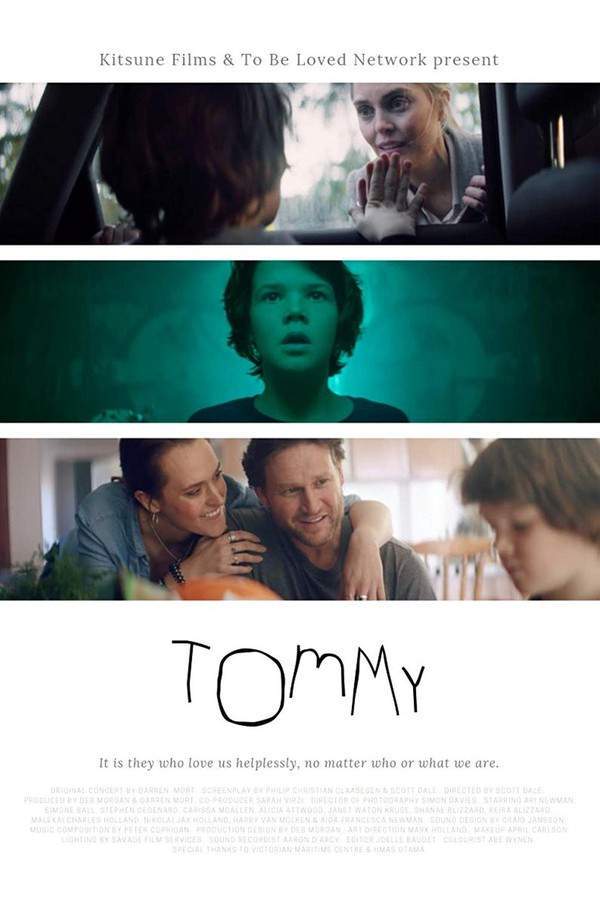
A tender drama about a young boy named Tommy, who finds comfort and strength through his vivid imagination. Caught in the difficult situation of a custody battle, he forms a special bond with an imaginary tiger, providing him solace and a sense of resilience. The film explores themes of hope, inner strength, and the power of imagination in the face of adversity, highlighting the importance of connection and finding light even during challenging times.

Does Tommy have end credit scenes?
No!
Tommy does not have end credit scenes. You can leave when the credits roll.
Where to Watch Tommy
See current US streaming, rental, and purchase options for Tommy (1975) via JustWatch.

Sony Pictures Core Amazon Channel
4K
The Roku Channel
HD
YouTube Free
HD
Amazon Video
HD
Apple TV Store
HD
Fandango At Home
HD
Google Play Movies
SD
YouTube
SD Streaming availability powered by 
Meet the Full Cast and Actors of Tommy
Explore the complete cast of Tommy, including both lead and supporting actors. Learn who plays each character, discover their past roles and achievements, and find out what makes this ensemble cast stand out in the world of film and television.





External Links and Streaming Options
Discover where to watch Tommy online, including streaming platforms, rental options, and official sources. Compare reviews, ratings, and in-depth movie information across sites like IMDb, TMDb, Wikipedia or Rotten Tomatoes.











Ratings and Reviews for Tommy
See how Tommy is rated across major platforms like IMDb, Metacritic, and TMDb. Compare audience scores and critic reviews to understand where Tommy stands among top-rated movies in its genre.

66
Metascore
7.8
User Score

6.6 /10
IMDb Rating

65
%
User Score
Take the Ultimate Tommy Movie Quiz
Challenge your knowledge of Tommy with this fun and interactive movie quiz. Test yourself on key plot points, iconic characters, hidden details, and memorable moments to see how well you really know the film.
Tommy (1975) Quiz: Test your knowledge of the 1975 film "Tommy" with these ten varied-difficulty questions.
Which actor portrays the title character Tommy?
Awards & Nominations for Tommy
Discover all the awards and nominations received by Tommy, from Oscars to film festival honors. Learn how Tommy and its cast and crew have been recognized by critics and the industry alike.
Best Motion Picture – Comedy or Musical

Full Plot Summary and Ending Explained for Tommy
Read the complete plot summary of Tommy, including all major events, twists, and the full ending explained in detail. Explore key characters, themes, hidden meanings, and everything you need to understand the story from beginning to end.
In the prologue set in 1945, a tender montage follows Nora [Ann-Margret] and her husband, Group Captain Walker, as they begin their honeymoon. When his leave ends, Walker heads back to war as a bomber pilot and is shot down on a mission. He is listed as missing in action and presumed dead, though in truth he survives with severe burns, hidden from his family. Back home in England, Nora gives birth to a son, Tommy [Roger Daltrey], on V-E Day, a moment that marks a fragile beacon of hope amid the shadows of war.
Five years later, in 1950, Nora begins a new relationship with Frank [Oliver Reed], a holiday worker she and Tommy meet at a seaside camp. Tommy looks up to his “Uncle” Frank and dreams aloud about running his own holiday camp someday. On New Year’s Eve, Nora and Frank imagine a bright future together, but that night the returning Captain Walker disrupts their bed, and Frank murders him. Tommy witnesses the murder in the reflective glare of a mirror, and the couple pressures Tommy to keep silent as they scramble to cover their tracks. The trauma triggers a dissociative state in Tommy, who outwardly appears “deaf, dumb, and blind” while his inner experience takes on a psychedelic intensity, an odd transformation that will shape the rest of his life (Amazing Journey). At a Christmas party soon after, Nora frets that Tommy “doesn’t know what day it is,” hinting at the depth of his fractured perception (Christmas).
Over the next sixteen years, Nora and Frank try in vain to coax Tommy out of his shell. They seek help from a faith healer (Eyesight to the Blind) and even turn to a drug dealer (The Acid Queen), but nothing yields lasting change. They place him with a string of questionable babysitters (Cousin Kevin / Fiddle About), and at one point leave him alone with a mirror, letting him wander off into a strange vision. That vision leads him to a junkyard where a pinball machine sits, and Tommy begins to play with a remarkable sense of timing and precision (Sparks). The media and Frank recognize him as a pinball prodigy, a public ascent that takes on aura despite his disability, and his triumph culminates in a televised victory against the “Pinball Wizard,” with The Who providing the backing soundtrack and energy. Nora watches the spectacle and tries to celebrate, even as a deeper ache lingers behind the smiles (Extra, Extra, Extra; Champagne).
A medical specialist finally offers a glimmer of explanation: Tommy’s state appears emotionally triggered, not physically rooted, and the doctor suggests the only hope is to keep guiding him toward mirrors and reflection (There’s a Doctor; Go to the Mirror!). Frustrated and desperate, Nora shoves Tommy through the mirror, and the world snaps back into focus as he screams, a dramatic reawakening that marks a turning point: Tommy is now fully aware and ready to shape his own path (I’m Free).
Armed with that new sense of self, Tommy declares a grand, nearly messianic mission to transform the world. He embarks on lecture tours that resemble glam-rock gospel performances, riding the energy of the crowd and gathering friends and followers wherever he goes, often aided by the uplift of the crowd’s belief in him (Mother and Son / Miracle Cure; Sally Simpson / Sensation). Nora and Frank’s home becomes a bustling compound as more and more converts arrive, drawn to Tommy’s message and charisma. They expand with an extension that becomes “Tommy’s Holiday Camp,” a secular shrine to his newly minted gospel of enlightenment (Welcome / Tommy’s Holiday Camp).
Yet the growing community’s hunger for meaning clashes with the practical demands of leadership. When the followers demand something useful from Tommy, he answers by demonstrating his power in new, troubling ways—by deafening, muting, and blinding everyone around him. This unintended provocation ignites a riot, and the dream dissolves in tragedy as Nora and Frank are killed and the camp burns to the ground (We’re Not Gonna Take It). Amid the rubble, Tommy finds his parents and wearily mourns before walking away into the mountains, returning to the peak where their honeymoon once began to greet a new dawn and the rising sun, closing the story with a haunting, hopeful cadence: Listening to You.

Coming soon on iOS and Android
The Plot Explained Mobile App
From blockbusters to hidden gems — dive into movie stories anytime, anywhere. Save your favorites, discover plots faster, and never miss a twist again.
Sign up to be the first to know when we launch. Your email stays private — always.
Explore the mobile appWatch Trailers, Clips & Behind-the-Scenes for Tommy
Watch official trailers, exclusive clips, cast interviews, and behind-the-scenes footage from Tommy. Dive deeper into the making of the film, its standout moments, and key production insights.
Cars Featured in Tommy
Explore all cars featured in Tommy, including their makes, models, scenes they appear in, and their significance to the plot. A must-read for car enthusiasts and movie buffs alike.
Tommy Themes and Keywords
Discover the central themes, ideas, and keywords that define the movie’s story, tone, and message. Analyze the film’s deeper meanings, genre influences, and recurring concepts.
Tommy Other Names and Titles
Explore the various alternative titles, translations, and other names used for Tommy across different regions and languages. Understand how the film is marketed and recognized worldwide.
Similar Movies To Tommy You Should Know About
Browse a curated list of movies similar in genre, tone, characters, or story structure. Discover new titles like the one you're watching, perfect for fans of related plots, vibes, or cinematic styles.





Quick Links: Summary, Cast, Ratings, More

What's After the Movie?
Not sure whether to stay after the credits? Find out!
Check out our other apps:

SAT Sphere
Build confidence for the Digital SAT.

Mori Atlas
Discover wild places worth protecting.

Luntero
Search smarter for a home in Amsterdam.

Plot Explained
Unravel movie endings and hidden clues.

Pokechamp
Dive into Pokémon data and battle logic.

Driving Theory
Get ready for your European theory test.

Movie Dust
Plan your next cinema trip with ease.

Musemap
Find art and culture as you travel.

Selkobase
Compare credentials before committing.

Local Manual
Turn an unfamiliar country into practical next steps.

Lernavi
Compare school systems before your next move.

GymRoam
Find a workout stop wherever your plans take you.
Explore Our Movie Platform
New Movie Releases (2026)
Famous Movie Actors
Top Film Production Studios
Movie Plot Summaries & Endings
Major Movie Awards & Winners
Best Concert Films & Music Documentaries
Movie Collections and Curated Lists
© 2026 What's After the Movie. All rights reserved.
Privacy Policy