Tiyaan 2017


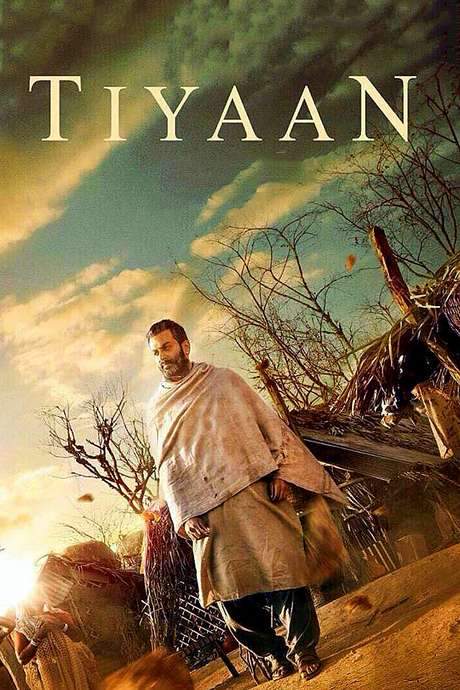
The story follows Pattabhiramagiri, a Vedic scholar, and his family, whose lives are threatened when a godman and his followers attempt to seize their ancestral home to construct an ashram. Facing opposition, Pattabhiraman is afflicted by a mysterious curse, leaving him vulnerable. He finds unexpected support from a mysterious ally, and together they confront the powerful forces arrayed against them. Their struggle unfolds as the central conflict of the narrative.


Does Tiyaan have end credit scenes?
No!
Tiyaan does not have end credit scenes. You can leave when the credits roll.
Where to Watch Tiyaan
See current US streaming, rental, and purchase options for Tiyaan (2017) via JustWatch.

Streaming availability powered by 
Meet the Full Cast and Actors of Tiyaan
Explore the complete cast of Tiyaan, including both lead and supporting actors. Learn who plays each character, discover their past roles and achievements, and find out what makes this ensemble cast stand out in the world of film and television.

Prithviraj Sukumaran
Aslam Mohammad

Shine Tom Chacko
Jameel Askari
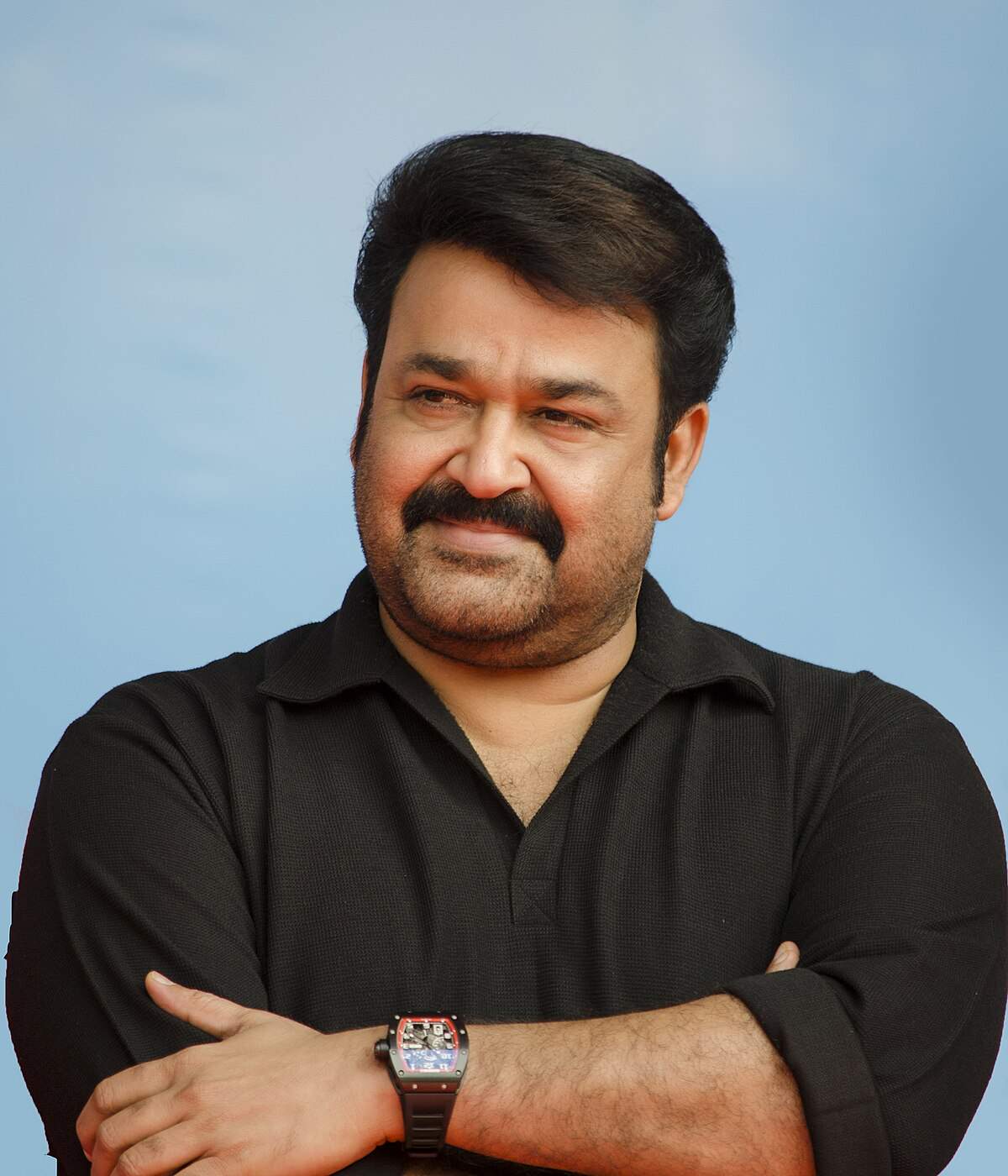
Mohanlal
The Voice of Time (voice)
Ananya
Amba

Suraj Venjaramoodu
Jayanthan Nair
John Kokken
Mutthassim
Indrajith Sukumaran
Pattabhirama Giri
Padmapriya Janakiraman
Vasundhara Devi
Ranjeet Bedi
Khan Sahib
Amit Kumar Tiwari
Ramnath Gujjar
Murali Gopy
Ramakant Mahashay
Ashvin Mathew
News Channel Head
Rahul Madhav
Anil Raghavan
Manasa Radhakrishnan
Jaseela
Paris Laxmi
Elen Richard
Mridula Sathe
Parineeti Adve
Nakshatra Indrajith
Arya
Ravi Singh
Kushal Ghorpade
Bhavika Bhasin
External Links and Streaming Options
Discover where to watch Tiyaan online, including streaming platforms, rental options, and official sources. Compare reviews, ratings, and in-depth movie information across sites like IMDb, TMDb, Wikipedia or Rotten Tomatoes.






Take the Ultimate Tiyaan Movie Quiz
Challenge your knowledge of Tiyaan with this fun and interactive movie quiz. Test yourself on key plot points, iconic characters, hidden details, and memorable moments to see how well you really know the film.
Tiyaan (2017) Quiz: Test your knowledge of the 2017 Indian film Tiyaan with these ten mixed‑difficulty questions.
What is Pattabhiraman Giri’s profession?
Full Plot Summary and Ending Explained for Tiyaan
Read the complete plot summary of Tiyaan, including all major events, twists, and the full ending explained in detail. Explore key characters, themes, hidden meanings, and everything you need to understand the story from beginning to end.
Pattabhiraman Giri, Indrajith Sukumaran, a respected Malayali Brahmin teacher living far from home in North India, spends his days guiding Sanskrit aspirants and earning the trust of the village with his quiet wisdom. He shares a simple life with his wife, Amba, Ananya, and their daughter, Arya, Nakshatra Indrajith, in a house built by the ancestors of Giri’s people, a lineage tied to the Adi Shankara tradition and a notable land parcel tied to old power. The home sits on land with a well that never dries, a sacred water source that nourishes the entire community and a symbol of the balance Giri tries to maintain between tradition, duty, and modern pressures.
Across the way, a powerful, manipulative figure, Mahashay Bhagavan (a godman at the center of a growing land-movement), wants Giri to move out so he can convert the space into an ashram and leverage it for the interests of a local land mafia. The godman’s influence runs through a network of followers who believe in miracles even when the truth feels murkier than the smoke of a public spectacle. Giri’s steadfastness earns him respect, but it also puts a target on his back as the godman’s men scheme to take control of the land and the surrounding resources.
An unnamed middle‑aged man warns Giri that rebellion against the godman will come with grave consequences, yet Giri refuses to bow. He is urged to seek help from above—“look upwards to the fire on the hill”—an instruction that hints at forces larger than any mortal plan. The godman’s dirty tricks grow bolder, and tragedy strikes when Arya is poisoned; the young girl dies, and the sorrow threatens to fracture the family and the community that depends on Giri’s steady presence.
As fear spreads, Giri’s allies and friends begin to turn away, taken in by the godman’s fake miracles and the rhetoric of power. The godman and his men launch a nocturnal assault on Giri’s home, attempting to force him from his land. Though the attackers wield guns and intimidation, the house remains standing—its walls absorbing the blows while the well keeps faith with the people who rely on it. In his quest for answers about the mysterious helper, Giri ascends toward the hill, hoping to find the truth, but the search leaves him empty-handed.
Giri learns from Jameel Askari, Shine Tom Chacko that the unknown liberator is Azlan Muhammed, who once lived in Mumbai and was a priest who stood for nonviolence and healing. Azlan’s backstory unfolds through loss and violence: his sister Jaseela—the target of a violent assault—is left gravely wounded after a conflict involving a ruthless don, Khan Sahib, Ranjeet Bedi. Azlan’s wife, Parineeti Adve, Mridula Sathe, and his sister die protecting him, while Azlan survives with a heart that seems to beat on the other side of the chest, hinting at a deeper, almost miraculous destiny.
Azlan’s arc moves beyond personal revenge. With the blessing of a priestly figure who has ties to Bhagavan, a deadly antagonist named Ramnath Gujjar, Amit Kumar Tiwari, launches a pre-dawn assault on Azlan’s people. The onslaught claims Parineeti, Jaseela, and his wife, even as Azlan himself is gravely wounded. Yet his survival is not only physical; it becomes spiritual: his heart’s position and his encounter with human cruelty drive him to continue a journey that tests his faith and his sense of duty. He first escapes into the desert, then is rescued by a traveling group of yogis—ascetic travelers who guide him toward a wider sense of dharma and a clearer sense of purpose.
Azlan’s path toward enlightenment becomes a weapon in its own right. He moves as a living instrument of dharma, carrying a promise to protect the vulnerable and to resist the corruption that has found root in power, money, and fear. His appearances anchor a broader struggle between truth and illusion as the godman’s own visions begin to betray him. A frightening vision of Vasundhara Devi, a figure associated with Bhagavan’s greed and fall, haunts him, signaling that the cycle of deception may be closing in on those who abuse faith for profit.
As Bhagavan attempts to showcase his supposed power to a crowd driven by investors, Giri’s own growing abilities become a counterpoint. When Bhagavan asks Giri to demonstrate the same miracle‑like force, he falters under the dawning realization that Azlan’s presence—his steadfast courage and his example of selflessness—weakens Bhagavan’s grip on the people. In a tense moment of conviction, Bhagavan burns from within, unable to locate his own “remote” to control the crowd and the narrative, and he collapses in the wake of his sins.
The shared visions of two lookalikes—ancient rivals in a long-ago conflict—recur for both Baba (the godman) and Giri. The narrative hints at an old war narrative tied to the Battle of Raichur in 1520 A.D., where two soldiers who could be brothers fought side by side. These dreams connect their present and past selves, suggesting that the fight for justice, integrity, and honor is not merely political or personal, but a cyclical test of character passed only by those who choose to fight for a higher good.
Across this sprawling tale, the film threads themes of tradition versus exploitation, the value of community resources like the well that sustains a village, and the redemptive potential of courage in the face of corruption. It follows Giri’s transformation—from a revered teacher to a figure who discovers a deeper reservoir of inner strength, one that allows him to stand against a godman’s machinations and to defend those who cannot defend themselves. Throughout, the cast—led by the voices and presences of the figures above—serves to illuminate a story about belief, power, and the enduring pull of dharma in a world where faith is both life and weapon.

Coming soon on iOS and Android
The Plot Explained Mobile App
From blockbusters to hidden gems — dive into movie stories anytime, anywhere. Save your favorites, discover plots faster, and never miss a twist again.
Sign up to be the first to know when we launch. Your email stays private — always.
Explore the mobile appDiscover Film Music Concerts Near You – Live Orchestras Performing Iconic Movie Soundtracks
Immerse yourself in the magic of cinema with live orchestral performances of your favorite film scores. From sweeping Hollywood blockbusters and animated classics to epic fantasy soundtracks, our curated listings connect you to upcoming film music events worldwide.
Explore concert film screenings paired with full orchestra concerts, read detailed event information, and secure your tickets for unforgettable evenings celebrating legendary composers like John Williams, Hans Zimmer, and more.


Tiyaan Other Names and Titles
Explore the various alternative titles, translations, and other names used for Tiyaan across different regions and languages. Understand how the film is marketed and recognized worldwide.
Quick Links: Summary, Cast, Ratings, More

What's After the Movie?
Not sure whether to stay after the credits? Find out!
Check out our other apps:

SAT Sphere
Build confidence for the Digital SAT.

Mori Atlas
Discover wild places worth protecting.

Luntero
Search smarter for a home in Amsterdam.

Plot Explained
Unravel movie endings and hidden clues.

Pokechamp
Dive into Pokémon data and battle logic.

Driving Theory
Get ready for your European theory test.

Movie Dust
Plan your next cinema trip with ease.

Musemap
Find art and culture as you travel.

Selkobase
Compare credentials before committing.

Local Manual
Turn an unfamiliar country into practical next steps.

Lernavi
Compare school systems before your next move.

GymRoam
Find a workout stop wherever your plans take you.
Explore Our Movie Platform
New Movie Releases (2026)
Famous Movie Actors
Top Film Production Studios
Movie Plot Summaries & Endings
Major Movie Awards & Winners
Best Concert Films & Music Documentaries
Movie Collections and Curated Lists
© 2026 What's After the Movie. All rights reserved.
Privacy Policy