Thillu Mullu 1981


Chandran tells his boss his mother is ill to get a day off, but the lie is discovered. To keep his job, he concocts a story that he has a lazy, good‑for‑nothing twin brother and must impersonate this fictional sibling, leading to a series of comic misunderstandings as he tries to convince his employer of the twin’s existence.

Does Thillu Mullu have end credit scenes?
No!
Thillu Mullu does not have end credit scenes. You can leave when the credits roll.
Meet the Full Cast and Actors of Thillu Mullu
Explore the complete cast of Thillu Mullu, including both lead and supporting actors. Learn who plays each character, discover their past roles and achievements, and find out what makes this ensemble cast stand out in the world of film and television.

Kamal Haasan
Cameo
Prathap Pothan
himself (cameo appearance)
Lakshmi
Guest Appearance
Madhavi
Sarojini
Visu
Viji Chandrasekhar
Chandran's Sister
Rajinikanth
Chandran / Indiran
Sowcar Janaki
Meenakshi Doraiswamy
K. Balachander
Nagesh
Nagesh
Poornam Viswanathan
Family Friend and Doctor
Achamillai Gopi
Oru Viral Krishna Rao
Policeman
Thengai Srinivasan
Sri Ramachandramurthy
Gundu Kalyanam
Anumanthu
External Links and Streaming Options
Discover where to watch Thillu Mullu online, including streaming platforms, rental options, and official sources. Compare reviews, ratings, and in-depth movie information across sites like IMDb, TMDb, Wikipedia or JustWatch.






Full Plot Summary and Ending Explained for Thillu Mullu
Read the complete plot summary of Thillu Mullu, including all major events, twists, and the full ending explained in detail. Explore key characters, themes, hidden meanings, and everything you need to understand the story from beginning to end.
Kamal Haasan makes a brief, playful cameo as Chandran’s world briefly crosses cinema, while Prathap Pothan appears in a similar cameo wink, and Lakshmi adds a guest touch to the unfolding events. Aiyampettai Arivudainambi Kaliyaperumal Chandran is a recent graduate, eager to start his professional life, but he and his sister Uma have little support beyond a devoted family doctor and friend. The doctor nudges him toward an interview at the import-export firm run by a strict, traditional man who goes by Sriramachandramurthy—the kind of employer who values appearances almost as much as productivity. Chandran steps into this world with a careful, newly crafted persona: he wears a Nehru jacket, speaks his full name with confident clarity, and places a premium on a well-kept moustache. He blends respect for elders, a sober posture, and a disinterest in sports or drama, all of which align with what Sriramachandramurthy expects from a man who wants to contribute to the home and country.
From the start, Chandran’s success hinges on presenting himself as the ideal, dutiful employee. The boss looks for signs of character in a country that often equates manliness with moustaches, and Chandran’s meticulous, rule-based conduct meets that approval. The hire signals the first win in a life that will demand more than a steady resume—it will require a carefully managed performance at multiple levels. The narrative gently taunts the audience with the tension between genuine effort and the pressure to conform to a singular, patriarchal standard of virtue.
When Chandran takes a rare day off to catch a football match, he pretends his mother has fallen ill—a ruse meant to justify leaving work behind. The same event also catches Sriramachandramurthy’s eye in a way that complicates everything: he is at the match too, and the lie unsettles him. To dodge the firing squad of accusations, Chandran improvises a bold, cinematic alibi: he claims he saw Sriramachandramurthy’s moustache-less identical twin, Indran, at the stadium. It’s a clever plot device borrowed from a film concept shared by his friend, the ever-watchful world of cinema, and the lie buys him time. Sriramachandramurthy, moved by the story, decides to reward the deception by leveraging it—hiring a version of Chandran who can teach his daughter Sarojini her music.
Now Chandran is forced into a double life: he must function as a sincere, hardworking employee under his true name, while also appearing as Indran, the suave music teacher for Sarojini. The duplicity soon grows heavy as Sarojini and Indran fall in love, complicating Chandran’s ability to maintain the ruse without exposing the truth. A young employee named Kattabomman, who works at the house, becomes a small-time blackmailer, aware of Chandran’s secret and pressuring him for extra money. The situation spirals into a layered web of lies and stakes, where every new lie risks pulling the entire plan apart.
To address the mounting pressure of this secret, Chandran turns to a bold, theatrical strategy. With help from Nagesh—a nod to cinema’s own meta-references—he enlists Meenakshi Duraiswamy, a wealthy socialite, to pose as Chandran’s widowed mother when Sriramachandramurthy asks to meet his supposed mother. The plan is risky and audacious, but it buys Chandran time to navigate Sarojini’s affections and the boss’s suspicions. The romance between Sarojini and Indran deepens the stakes, because love becomes a powerful force that could uncover the truth or complicate it beyond repair.
The turning point comes when Chandran decides to reveal the truth to Sarojini. Her friend counsels him to tell Sriramachandramurthy as well, but his reluctance lingers—fear of losing the life he has built, fear of the repercussions of his dual identity, and fear of the social consequences that a revelation would bring. The plan to come clean is interrupted, however, when Kattabomman goes to Sriramachandramurthy with a demand for money. He reveals the mustache secret to the boss, who then interprets the entire situation as a case of Indran impersonating Chandran to win Sarojini’s hand. This misinterpretation ignites a dramatic chase across the city as Sriramachandramurthy pursues Chandran in a fatalistic frenzy, hoping to confront the imposter and restore order.
The chase has consequences. Uma is caught in the crossfire of the pursuit, and the police come into play when Sriramachandramurthy faces a civil consequence for the chaos he’s caused. A lawyer, Charuhasan, arrives to challenge the boss in court on behalf of Chandran, presenting a monologue that unsettles the room and reveals how easily fear and pride can be weaponized in a family dispute. It’s a sharp reminder that the truth wears many faces, and the people who influence it can be more powerful than the lie itself.
In a final twist, the truth begins to surface in earnest as the characters converge on the moment of reckoning. Uma remains physically unscathed, and Chandran, with a newfound resolve, faces Sriramachandramurthy not merely with apologies but with a willingness to accept accountability. The confrontation culminates in a symbolic gesture: Sriramachandramurthy shaves his moustache, a quiet concession that the old standards of authority and masculinity have caused more trouble than they’re worth. As he steps back from his own pride, a picture of Muruga transforms into that of Ganesha, and a voice—gentle and apologetic—asks for forgiveness, acknowledging that even divine figures can be part of a broader, more forgiving universe. The story closes on this note of restraint and reconciliation, suggesting that true integrity lies not in outward appearances or rigid conventions, but in the humility to admit mistakes and the courage to mend them.
Together, the tale unfolds as a comedy of manners and miscommunications that probes the costs of upholding tradition at all costs. It asks whether a man can truly be virtuous if he lives behind a mask, and whether love can endure when the fabric of trust is stretched by deception. In the end, the characters learn that identity is more resilient when layered with honesty, and that even within farcical complications, there can be space for growth, forgiveness, and a renewed sense of self.

Coming soon on iOS and Android
The Plot Explained Mobile App
From blockbusters to hidden gems — dive into movie stories anytime, anywhere. Save your favorites, discover plots faster, and never miss a twist again.
Sign up to be the first to know when we launch. Your email stays private — always.
Explore the mobile appWatch Trailers, Clips & Behind-the-Scenes for Thillu Mullu
Watch official trailers, exclusive clips, cast interviews, and behind-the-scenes footage from Thillu Mullu. Dive deeper into the making of the film, its standout moments, and key production insights.
Cars Featured in Thillu Mullu
Explore all cars featured in Thillu Mullu, including their makes, models, scenes they appear in, and their significance to the plot. A must-read for car enthusiasts and movie buffs alike.
Thillu Mullu Themes and Keywords
Discover the central themes, ideas, and keywords that define the movie’s story, tone, and message. Analyze the film’s deeper meanings, genre influences, and recurring concepts.
Thillu Mullu Other Names and Titles
Explore the various alternative titles, translations, and other names used for Thillu Mullu across different regions and languages. Understand how the film is marketed and recognized worldwide.
Similar Movies To Thillu Mullu You Should Know About
Browse a curated list of movies similar in genre, tone, characters, or story structure. Discover new titles like the one you're watching, perfect for fans of related plots, vibes, or cinematic styles.


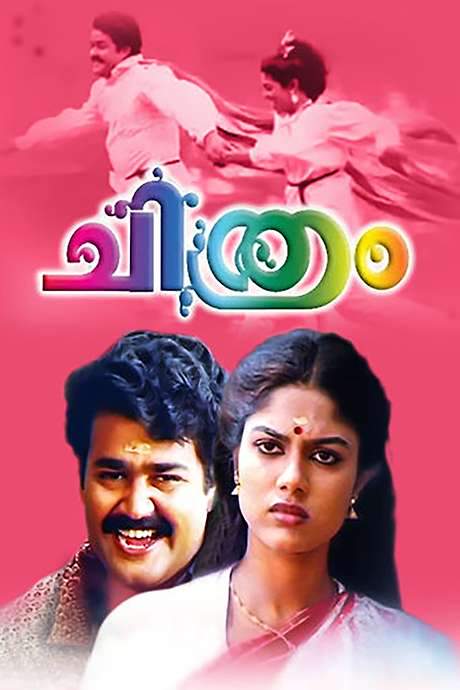



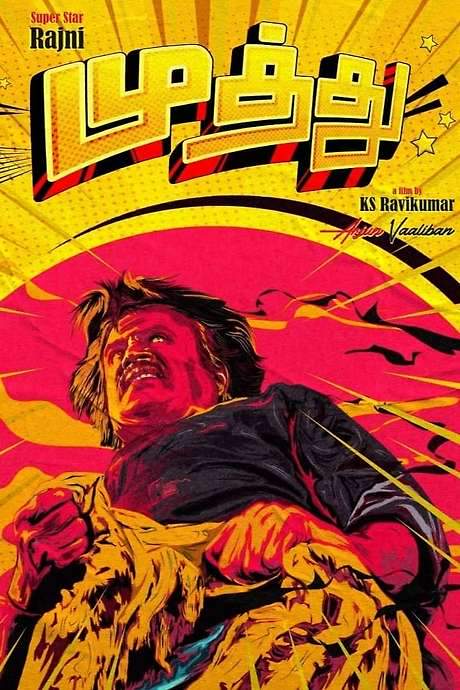
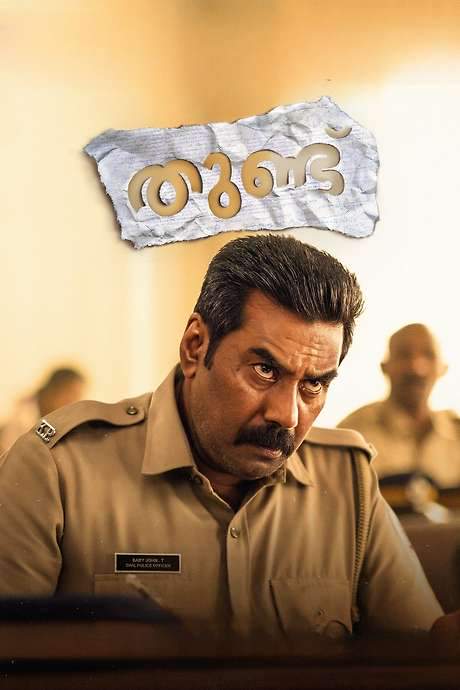
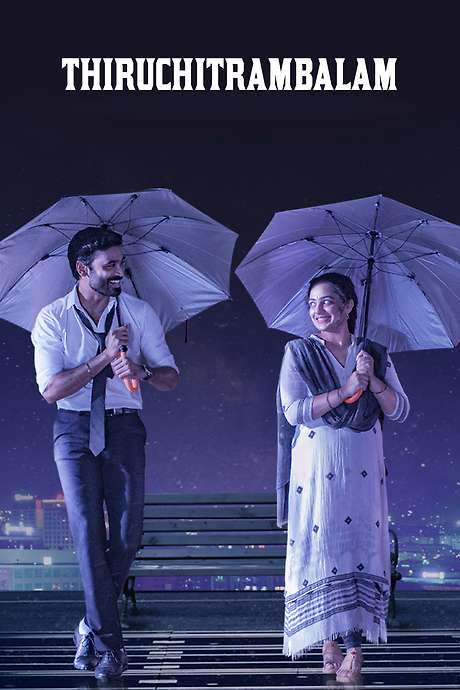

Quick Links: Summary, Cast, Ratings, More

What's After the Movie?
Not sure whether to stay after the credits? Find out!
Check out our other apps:

SAT Sphere
Build confidence for the Digital SAT.

Mori Atlas
Discover wild places worth protecting.

Luntero
Search smarter for a home in Amsterdam.

Plot Explained
Unravel movie endings and hidden clues.

Pokechamp
Dive into Pokémon data and battle logic.

Driving Theory
Get ready for your European theory test.

Movie Dust
Plan your next cinema trip with ease.

Musemap
Find art and culture as you travel.

Selkobase
Compare credentials before committing.

Local Manual
Turn an unfamiliar country into practical next steps.

Lernavi
Compare school systems before your next move.

GymRoam
Find a workout stop wherever your plans take you.
Explore Our Movie Platform
New Movie Releases (2026)
Famous Movie Actors
Top Film Production Studios
Movie Plot Summaries & Endings
Major Movie Awards & Winners
Best Concert Films & Music Documentaries
Movie Collections and Curated Lists
© 2026 What's After the Movie. All rights reserved.
Privacy Policy