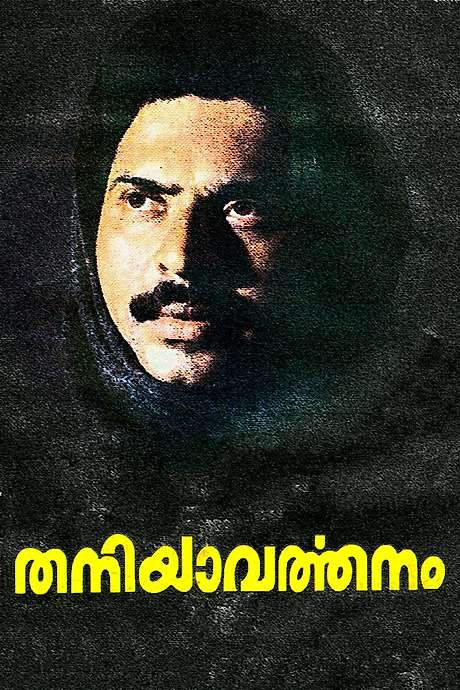
Thanneer… Thanneer… 1981


Set in a remote Tamil Nadu village suffering severe water scarcity, the story follows the residents as they battle thirst and hardship. The film vividly portrays their desperate attempts to secure water, confronting apathetic bureaucrats whose indifference deepens the community’s suffering.

Does Thanneer… Thanneer… have end credit scenes?
No!
Thanneer… Thanneer… does not have end credit scenes. You can leave when the credits roll.
Meet the Full Cast and Actors of Thanneer… Thanneer…
Explore the complete cast of Thanneer… Thanneer…, including both lead and supporting actors. Learn who plays each character, discover their past roles and achievements, and find out what makes this ensemble cast stand out in the world of film and television.

External Links and Streaming Options
Discover where to watch Thanneer… Thanneer… online, including streaming platforms, rental options, and official sources. Compare reviews, ratings, and in-depth movie information across sites like IMDb, TMDb, Wikipedia or Letterboxd.




Full Plot Summary and Ending Explained for Thanneer… Thanneer…
Read the complete plot summary of Thanneer… Thanneer…, including all major events, twists, and the full ending explained in detail. Explore key characters, themes, hidden meanings, and everything you need to understand the story from beginning to end.
In Athipatti, a remote village in the Madurai district, a severe water shortage becomes the defining crisis of daily life, pushing the community to test the patience of those in power and the limits of their own resolve. The villagers mobilize to draw attention from authorities, attempting to marshal support and resources, but the bigger picture quickly reveals a stubborn apathy among politicians, bureaucrats, and the press that leaves their pleas unanswered and their needs unmet. Amid this hardship, a convict named Vellaiswamy, who is wanted for the murder of a local landlord, enters the scene not as a passive recipient of the village’s sympathy but as an opportunist who tries to bend the crisis to his advantage. He partners with the village’s own helper, Vathiyar Raman in a bold plan to move water by cart from a distant spring, about ten miles away, creating a makeshift cooperative with the help of the trusted Vathiyar.
The village’s political landscape quickly comes into view as local politicians attempt to exploit the scarcity to win votes, promising dramatic improvements as part of their electoral campaigns. In a brutal gesture aimed at intimidation, the local politician physically assaults the convict and destroys the cart that was meant to transport the water, signaling how far those in power are willing to go to manipulate the crisis for political gain. Yet the villagers refuse to be merely spectators; they rally around the idea of a canal that would bring a more permanent solution. They resolve to undertake the project themselves, resisting the temptations of quick fixes and the distractions of partisan promises.
Alagiri, Radha Ravi, Sevanthi’s husband, arrives in the village and uncovers the convict hiding in their midst, a moment that throws the fragile balance of power into sharper relief. The convict, seizing the moment, promises Alagiri that he will surrender only after the canal is completed, creating a fragile pact born out of shared desperation. But the plan encounters a stiff obstacle when a Public Works Department officer steps in, blocking the villagers’ effort to finish the canal. The escalation turns tragic as the conflict with authorities culminates in shootings by the police, shaking the community to its core. The convict’s thirst for water—literal and symbolic—ends with his death from thirst, underscoring the brutal cost of letting the water crisis be governed by power politics rather than communal need.
Amid the chaos, one villager gravitates toward more radical paths, joining naxalites as the situation spirals. The ever-present calculations of the authorities continue, and Vathiyar is arrested for aiding the convict, a move that signals how the state clamps down on anyone perceived to be outside the accepted channels of crisis management. With the town fractured and the canal project left unfinished, the villagers begin to withdraw from the town’s routines, their hopes shaded by the rainless skies and the memories of lost opportunities. Sevanthi, for her part, remains steadfast in private vigil, looking to the evening sky for rain and relief, a quiet symbol of endurance amid mounting despair.
Throughout these events, a press reporter explains and bears witness to the village’s plight, providing a narration that threads the individual struggles into a broader commentary on governance. The final scenes pull back to reveal the stark futility of bureaucratic theater: pictures of government-sponsored meetings on water resource improvement flash across the screen, while the farmland is shown bearing the flags of all political parties. The closing juxtaposition casts a critical eye on how bureaucracy and political maneuvering, rather than the genuine needs of ordinary people, shape the landscape of resource management. What remains clear is that the common man’s aspirations have once again been sidelined by a system that talks about solutions but fails to deliver them when they are most needed.
The film also features a robust ensemble, including Charle and A. K. Veerasamy, whose performances deepen the texture of village life and its power struggles, while the central characters drive the emotional core of the narrative. The interplay between Alagiri and Sevanthi, brought to life by a capable cast, anchors a story that blends social critique with human resilience, painting a portrait of a community that chooses to confront scarcity not with resignation but with determined, collective action—even as every avenue toward real change seems blocked by a web of politics, bureaucracy, and unresolved grievances.

Coming soon on iOS and Android
The Plot Explained Mobile App
From blockbusters to hidden gems — dive into movie stories anytime, anywhere. Save your favorites, discover plots faster, and never miss a twist again.
Sign up to be the first to know when we launch. Your email stays private — always.
Explore the mobile appDiscover Film Music Concerts Near You – Live Orchestras Performing Iconic Movie Soundtracks
Immerse yourself in the magic of cinema with live orchestral performances of your favorite film scores. From sweeping Hollywood blockbusters and animated classics to epic fantasy soundtracks, our curated listings connect you to upcoming film music events worldwide.
Explore concert film screenings paired with full orchestra concerts, read detailed event information, and secure your tickets for unforgettable evenings celebrating legendary composers like John Williams, Hans Zimmer, and more.


Thanneer… Thanneer… Themes and Keywords
Discover the central themes, ideas, and keywords that define the movie’s story, tone, and message. Analyze the film’s deeper meanings, genre influences, and recurring concepts.
Thanneer… Thanneer… Other Names and Titles
Explore the various alternative titles, translations, and other names used for Thanneer… Thanneer… across different regions and languages. Understand how the film is marketed and recognized worldwide.
Similar Movies To Thanneer… Thanneer… You Should Know About
Browse a curated list of movies similar in genre, tone, characters, or story structure. Discover new titles like the one you're watching, perfect for fans of related plots, vibes, or cinematic styles.











Quick Links: Summary, Cast, Ratings, More

What's After the Movie?
Not sure whether to stay after the credits? Find out!
Check out our other apps:

SAT Sphere
Build confidence for the Digital SAT.

Mori Atlas
Discover wild places worth protecting.

Luntero
Search smarter for a home in Amsterdam.

Plot Explained
Unravel movie endings and hidden clues.

Pokechamp
Dive into Pokémon data and battle logic.

Driving Theory
Get ready for your European theory test.

Movie Dust
Plan your next cinema trip with ease.

Musemap
Find art and culture as you travel.

Selkobase
Compare credentials before committing.

Local Manual
Turn an unfamiliar country into practical next steps.

Lernavi
Compare school systems before your next move.

GymRoam
Find a workout stop wherever your plans take you.
Explore Our Movie Platform
New Movie Releases (2026)
Famous Movie Actors
Top Film Production Studios
Movie Plot Summaries & Endings
Major Movie Awards & Winners
Best Concert Films & Music Documentaries
Movie Collections and Curated Lists
© 2026 What's After the Movie. All rights reserved.
Privacy Policy