The Sunchaser 1996


It began as a kidnapping. It became a journey of hope. A young half-Navajo convict dying of cancer forces a yuppie doctor to drive him to a magic healing lake.



Does The Sunchaser have end credit scenes?
No!
The Sunchaser does not have end credit scenes. You can leave when the credits roll.
Where to Watch The Sunchaser
See current US streaming, rental, and purchase options for The Sunchaser (1996) via JustWatch.









Meet the Full Cast and Actors of The Sunchaser
Explore the complete cast of The Sunchaser, including both lead and supporting actors. Learn who plays each character, discover their past roles and achievements, and find out what makes this ensemble cast stand out in the world of film and television.
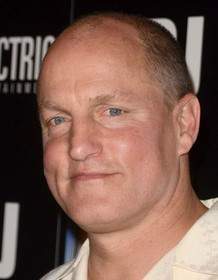
Woody Harrelson
Dr. Michael Reynolds
Harry Carey Jr.
Cashier
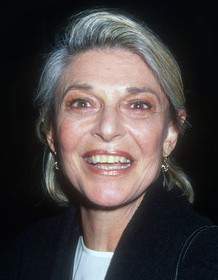
Anne Bancroft
Dr. Renata Baumbauer
Robert Downey Sr.
Telephone Voices

Elaine Kagan
Woman at Gas Station
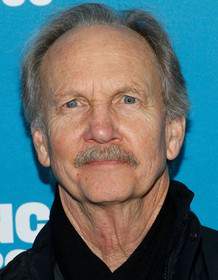
Michael O'Neill
Agent Moreland

Matt Mulhern
Dr. Chip Byrnes
Jon Seda
Brandon 'Blue' Monroe
Christopher Masterson
Jimmy Reynolds
Talisa Soto
Navajo Woman
Lawrence Pressman
Agent in Charge Collier
Bob Minor
Deputy Lynch
Andrea Roth
Head Nurse
Victor Aaron
Webster Skyhorse
Gregory Scott Cummins
Biker #2
Sal Landi
Deputy #2
Matthew Abe
Surgeon
Mickey Jones
Fuzzy, Biker #1
Carmen Dell'Orefice
Arabella Reynolds
Antwon Tanner
Smokes
Kelly Perine
Fellow in Oncology
Alexandra Tydings
Victoria Reynolds
Andy Berman
Fellow in Oncology
Harper Roisman
Mr. Vogel
Betty Carvalho
Rosa
Richard Bauer
Dr. Bradford
Jeri Arredondo
Hospital Pharmacist
Cynthia Allison
CNN Reporter
Brett Harrelson
Younger Highway Patrol Officer
Robert 'Bobby Z' Zajonc
FBI Helicopter Pilot
Tony Epper
Hay Hauler
Brooke Ashley
Calantha Reynolds
Zoe Trilling
Mini-Mart Cashier
John Christian Graas
Young Michael Reynolds
Emil Alexander
Waiter
Kirsten Getchell
Sally Byrnes
Pam Morton
Self
Linda M. Duenas
Waitress
Douglas B. Hall
State Trooper
Dan B. Pastre
State Trooper
Brian Bossetta
Hospital Security Guard
Carolyn Tomlin
Hospital Spokesperson
Brian K. Francis
Navajo Boy
Alan Keller
Older Highway Patrol Officer
Eugene Boggs
Surgeon
Philip Zachary
Disc Jockey
Askia Won-Ling Jacob
UCLA Student
External Links and Streaming Options
Discover where to watch The Sunchaser online, including streaming platforms, rental options, and official sources. Compare reviews, ratings, and in-depth movie information across sites like IMDb, TMDb, Wikipedia or JustWatch.







Take the Ultimate The Sunchaser Movie Quiz
Challenge your knowledge of The Sunchaser with this fun and interactive movie quiz. Test yourself on key plot points, iconic characters, hidden details, and memorable moments to see how well you really know the film.
The Sunchaser Quiz: Test your knowledge of the 1996 film *The Sunchaser*, covering its characters, plot points, themes, and symbolic elements.
What is the nickname of the teenage protagonist played by Jon Seda?
Full Plot Summary and Ending Explained for The Sunchaser
Read the complete plot summary of The Sunchaser, including all major events, twists, and the full ending explained in detail. Explore key characters, themes, hidden meanings, and everything you need to understand the story from beginning to end.
Brandon “Blue” Monroe, Jon Seda, a sixteen-year-old from East L.A. who is half-Navajo and tangled in gang life, is serving time for the murder of his abusive stepfather. During his annual medical checkup, he learns from Dr. Michael Reynolds, Woody Harrelson, a wealthy, image-conscious oncologist who has a wife named Victoria and a daughter named Calantha, that he is dying of abdominal cancer and has only a short time left to live. The news lands like a bolt, shattering Blue’s grim pragmatism and nudging him toward a desperate, almost mythic hope: a journey to the land and waters of sacred belief. The clash of two worlds—modern medicine and ancient spirituality—becomes the backbone of what follows.
Blue, convinced that healing lies beyond the reach of doctors and prescriptions, kidnaps Reynolds and forces him to drive them toward a distant, sacred destination. The plan is simple in its audacity: reach Dibé Nitsaa, one of the six sacred Navajo lakes believed to heal wounds, and swim its waters to wash away the cancer that already shirts Blue’s breath with fear. Reynolds, however, is not a willing partner in this odyssey. He complains that he has a dinner engagement—an omen of a promotion to head the oncology department—that he cannot miss, and he voices his skepticism about any cure that does not fit neatly into his worldview. The dynamic between captor and captive is immediate and electric, a constant negotiation of power, privilege, and pain, with each man quietly wrestling a private labyrinth of guilt, memory, and longing. On the one hand, there is Reynolds’s confident, nearly clinical certainty in science; on the other, Blue’s stubborn, spiritual faith in a healing that transcends white coats and checklists. The tension between them crackles with racial, class, and educational fault lines, quietly amplifying every disagreement into a test of character.
Their eastward trek unfolds through small towns and rough landscapes, a road movie punctuated by moments of danger and sudden grace. In a tense encounter with a pack of bikers in a quiet crossroads town, the pursuit becomes a taut chase, underscoring how fragile their fragile alliance is. Reynolds, ever practical, laments the disruption of his carefully plotted life and the missed opportunities that his cancer diagnosis seems to steal away. Blue, in turn, remains focused on the possibility of a miracle, a fate that would redeem not just his body but his spirit and lineage. When Reynolds survives a rattlesnake bite thanks to Blue’s improvised care—without modern medical equipment—their dependence on each other deepens, even as they remain wary of one another’s motives and methods. Back in Los Angeles, Victoria Reynolds triggers a police manhunt as authorities are drawn into the drama unfolding along the highway, and the chase becomes a national, if unglamorous, circus of urgency and fear.
As the two men press toward the distant lake, Reynolds’s own memories begin to surface in fits and starts. He is haunted by a childhood secret—the moment when a dying younger brother, Jimmy Reynolds, asked him to pull the plug—an act that has followed him like a shadow through years of clinical success and personal restraint. The weight of that memory colors every choice Reynolds makes on the road, even as Blue’s stubborn need to control his fate tests the limits of Reynolds’s patience and compassion. The pursuit grows increasingly desperate as Blue’s condition worsens; the only option to secure the medicine he believes can save him is to infiltrate a hospital in Flagstaff, an act that drags Reynolds further away from any sense of safety or predictability. The moral geography of the film shifts with every step, and the pair—uneasily bound by necessity—drift toward a shared pursuit that feels more spiritual than pragmatic.
Their dangerous odyssey reaches the Navajo reservation, a landscape where law enforcement closes in and miracles—whether real or imagined—seem suddenly plausible. They spot a police cruiser and attempt a desperate escape, with Reynolds taking extreme measures to avoid capture, including driving off the main road and melting into a dusty cattle herding scene. The journey culminates in a climactic ascent, where Blue and Reynolds finally reach the high places that the younger man has dreamed of since childhood. Blue is reunited with Skyhorse, a medicine man who embodies the spiritual bridge between worlds, and Skyhorse directs him to the healing lake, a moment steeped in quiet revelation. Reynolds, meanwhile, is physically separated from his new partner in crime but spiritually drawn into the moment as he watches Blue pursue the waters. The ascent ends with a poignant embrace and a decision to part ways, after which a police helicopter quickly spots Reynolds’s car as he and the law close in.
In the end, Blue moves toward the water, and the lake becomes a liminal threshold—an emblem of healing that may be more symbolic than literal. Blue’s fate at the lake is left shimmering with mystique, a moment that blurs the line between myth and memory. Meanwhile, Reynolds returns to Los Angeles under the escort of authorities, handcuffed but restored in a way that only the act of choosing life and conscience could enact. The final image centers on family and home—the sense that, even when the path to healing is fraught with danger and uncertain outcomes, the bonds of kinship and care endure. The film leaves viewers with a meditation on what it means to seek healing across divides of culture, class, and belief, and on how the desire to save a life may demand courage, compromise, and a willingness to inhabit uncertainty.
- Cast notes: Key characters linked here for reference
- Brandon “Blue” Monroe — Jon Seda
- Dr. Michael Reynolds — Woody Harrelson
- Victoria Reynolds — Alexandra Tydings
- Calantha Reynolds — Brooke Ashley
- Webster Skyhorse — Victor Aaron
- Jimmy Reynolds — Christopher Masterson

Coming soon on iOS and Android
The Plot Explained Mobile App
From blockbusters to hidden gems — dive into movie stories anytime, anywhere. Save your favorites, discover plots faster, and never miss a twist again.
Sign up to be the first to know when we launch. Your email stays private — always.
Explore the mobile appWatch Trailers, Clips & Behind-the-Scenes for The Sunchaser
Watch official trailers, exclusive clips, cast interviews, and behind-the-scenes footage from The Sunchaser. Dive deeper into the making of the film, its standout moments, and key production insights.
Cars Featured in The Sunchaser
Explore all cars featured in The Sunchaser, including their makes, models, scenes they appear in, and their significance to the plot. A must-read for car enthusiasts and movie buffs alike.
The Sunchaser Themes and Keywords
Discover the central themes, ideas, and keywords that define the movie’s story, tone, and message. Analyze the film’s deeper meanings, genre influences, and recurring concepts.

Unlock the World of Movies with Our Comprehensive Wiki
Dive into our Movie Wiki for in-depth film encyclopedia entries, including cast biographies, production trivia, plot synopses, behind-the-scenes facts, and thematic analyses. Whether you’re researching iconic directors, exploring genre histories, or discovering hidden easter eggs, our expertly curated movie database has everything you need to fuel your cinematic passion.

Similar Movies To The Sunchaser You Should Know About
Browse a curated list of movies similar in genre, tone, characters, or story structure. Discover new titles like the one you're watching, perfect for fans of related plots, vibes, or cinematic styles.


Quick Links: Summary, Cast, Ratings, More

What's After the Movie?
Not sure whether to stay after the credits? Find out!
Check out our other apps:

SAT Sphere
Build confidence for the Digital SAT.

Mori Atlas
Discover wild places worth protecting.

Luntero
Search smarter for a home in Amsterdam.

Plot Explained
Unravel movie endings and hidden clues.

Pokechamp
Dive into Pokémon data and battle logic.

Driving Theory
Get ready for your European theory test.

Movie Dust
Plan your next cinema trip with ease.

Musemap
Find art and culture as you travel.

Selkobase
Compare credentials before committing.

Local Manual
Turn an unfamiliar country into practical next steps.

Lernavi
Compare school systems before your next move.

GymRoam
Find a workout stop wherever your plans take you.
Explore Our Movie Platform
New Movie Releases (2026)
Famous Movie Actors
Top Film Production Studios
Movie Plot Summaries & Endings
Major Movie Awards & Winners
Best Concert Films & Music Documentaries
Movie Collections and Curated Lists
© 2026 What's After the Movie. All rights reserved.
Privacy Policy