What Is The Sunchaser About?
The premise of The Sunchaser in 288 words, with nothing given away. The full story follows below.
In the arid sprawl of East Los Angeles, a world of concrete and gang‑marked streets collides with the quiet reverence of ancient Navajo belief. The film opens with a stark medical revelation that turns a teenager’s grim pragmatism into a desperate, almost mythic quest. Blue—a sixteen‑year‑old half‑Navajo inmate—learns he is dying of an aggressive cancer, and the diagnosis awakens a deep yearning for a sacred cure that lies far beyond the sterile walls of a hospital. The tone is a blend of raw urban realism and lyrical spirituality, letting the heat‑soaked highways and the whisper of desert legends pulse together.
Enter Dr. Michael Reynolds, a polished oncologist whose life is built on evidence, reputation, and the comforts of a well‑ordered suburban existence. His world of white coats, polished conference rooms, and a family that epitomizes stability stands in sharp contrast to Blue’s gritty, survival‑driven reality. The dynamic between them is instantly charged: a young man clutching a fragile hope and an older doctor holding the certainty of science, both forced into an uneasy partnership by circumstance. Their interactions tease out questions of privilege, cultural memory, and the limits of what can be healed by medicine or prayer.
Against this backdrop, the film sets up a road‑bound odyssey that promises both physical distance and emotional crossing. The landscape shifts from the crowded, neon‑lit streets of Los Angeles to the expansive, sacred terrain of the Navajo reservation, each mile amplifying the tension between modernity and tradition. As they head toward the fabled lake whispered to possess restorative powers, the journey becomes a meditation on belief, the yearning to reconcile divergent worlds, and the fragile, hopeful courage required to chase a legend that might offer redemption—or simply a moment of peace.
What Happens in The Sunchaser?
The complete story of The Sunchaser, from the first scene to the last, in 968 words (about 4 minutes). Spoilers throughout. Names in the text link to 6 cast member pages.
Spoilers ahead
Brandon “Blue” Monroe, Jon Seda, a sixteen-year-old from East L.A. who is half-Navajo and tangled in gang life, is serving time for the murder of his abusive stepfather. During his annual medical checkup, he learns from Dr. Michael Reynolds, Woody Harrelson, a wealthy, image-conscious oncologist who has a wife named Victoria and a daughter named Calantha, that he is dying of abdominal cancer and has only a short time left to live. The news lands like a bolt, shattering Blue’s grim pragmatism and nudging him toward a desperate, almost mythic hope: a journey to the land and waters of sacred belief. The clash of two worlds—modern medicine and ancient spirituality—becomes the backbone of what follows.
Blue, convinced that healing lies beyond the reach of doctors and prescriptions, kidnaps Reynolds and forces him to drive them toward a distant, sacred destination. The plan is simple in its audacity: reach Dibé Nitsaa, one of the six sacred Navajo lakes believed to heal wounds, and swim its waters to wash away the cancer that already shirts Blue’s breath with fear. Reynolds, however, is not a willing partner in this odyssey. He complains that he has a dinner engagement—an omen of a promotion to head the oncology department—that he cannot miss, and he voices his skepticism about any cure that does not fit neatly into his worldview. The dynamic between captor and captive is immediate and electric, a constant negotiation of power, privilege, and pain, with each man quietly wrestling a private labyrinth of guilt, memory, and longing. On the one hand, there is Reynolds’s confident, nearly clinical certainty in science; on the other, Blue’s stubborn, spiritual faith in a healing that transcends white coats and checklists. The tension between them crackles with racial, class, and educational fault lines, quietly amplifying every disagreement into a test of character.
Their eastward trek unfolds through small towns and rough landscapes, a road movie punctuated by moments of danger and sudden grace. In a tense encounter with a pack of bikers in a quiet crossroads town, the pursuit becomes a taut chase, underscoring how fragile their fragile alliance is. Reynolds, ever practical, laments the disruption of his carefully plotted life and the missed opportunities that his cancer diagnosis seems to steal away. Blue, in turn, remains focused on the possibility of a miracle, a fate that would redeem not just his body but his spirit and lineage. When Reynolds survives a rattlesnake bite thanks to Blue’s improvised care—without modern medical equipment—their dependence on each other deepens, even as they remain wary of one another’s motives and methods. Back in Los Angeles, Victoria Reynolds triggers a police manhunt as authorities are drawn into the drama unfolding along the highway, and the chase becomes a national, if unglamorous, circus of urgency and fear.
As the two men press toward the distant lake, Reynolds’s own memories begin to surface in fits and starts. He is haunted by a childhood secret—the moment when a dying younger brother, Jimmy Reynolds, asked him to pull the plug—an act that has followed him like a shadow through years of clinical success and personal restraint. The weight of that memory colors every choice Reynolds makes on the road, even as Blue’s stubborn need to control his fate tests the limits of Reynolds’s patience and compassion. The pursuit grows increasingly desperate as Blue’s condition worsens; the only option to secure the medicine he believes can save him is to infiltrate a hospital in Flagstaff, an act that drags Reynolds further away from any sense of safety or predictability. The moral geography of the film shifts with every step, and the pair—uneasily bound by necessity—drift toward a shared pursuit that feels more spiritual than pragmatic.
Their dangerous odyssey reaches the Navajo reservation, a landscape where law enforcement closes in and miracles—whether real or imagined—seem suddenly plausible. They spot a police cruiser and attempt a desperate escape, with Reynolds taking extreme measures to avoid capture, including driving off the main road and melting into a dusty cattle herding scene. The journey culminates in a climactic ascent, where Blue and Reynolds finally reach the high places that the younger man has dreamed of since childhood. Blue is reunited with Skyhorse, a medicine man who embodies the spiritual bridge between worlds, and Skyhorse directs him to the healing lake, a moment steeped in quiet revelation. Reynolds, meanwhile, is physically separated from his new partner in crime but spiritually drawn into the moment as he watches Blue pursue the waters. The ascent ends with a poignant embrace and a decision to part ways, after which a police helicopter quickly spots Reynolds’s car as he and the law close in.
In the end, Blue moves toward the water, and the lake becomes a liminal threshold—an emblem of healing that may be more symbolic than literal. Blue’s fate at the lake is left shimmering with mystique, a moment that blurs the line between myth and memory. Meanwhile, Reynolds returns to Los Angeles under the escort of authorities, handcuffed but restored in a way that only the act of choosing life and conscience could enact. The final image centers on family and home—the sense that, even when the path to healing is fraught with danger and uncertain outcomes, the bonds of kinship and care endure. The film leaves viewers with a meditation on what it means to seek healing across divides of culture, class, and belief, and on how the desire to save a life may demand courage, compromise, and a willingness to inhabit uncertainty.
- Cast notes: Key characters linked here for reference
- Brandon “Blue” Monroe — Jon Seda
- Dr. Michael Reynolds — Woody Harrelson
- Victoria Reynolds — Alexandra Tydings
- Calantha Reynolds — Brooke Ashley
- Webster Skyhorse — Victor Aaron
- Jimmy Reynolds — Christopher Masterson
The Sunchaser Timeline: Every Key Event in Order
15 key events in the order they happen, from “Blue's imprisonment” to “Return to Los Angeles”. 15 events name a place, across 14 locations.
- 1
Blue's imprisonment
Blue Monroe, a 16-year-old half-Navajo gang member from East L.A., is incarcerated after murdering his abusive stepfather. The prison setting frames his harsh upbringing and volatile path, hinting at the inner conflicts that drive his actions.
When:present Where:East L.A. prison
- 2
Terminal cancer diagnosis
During an annual medical visit, Dr. Michael Reynolds informs Blue that he is dying of abdominal cancer with little time left. The grim prognosis sets Blue and Michael on a collision course as he considers desperate healing possibilities.
When:present Where:prison medical facility
- 3
Kidnapping begins
Blue, convinced he can heal with the help of a medicine man, kidnaps Dr. Reynolds at gunpoint. He forces Michael to drive with him toward Arizona, beginning a dangerous road trip toward a sacred healing quest.
When:immediate Where:on the road from Los Angeles toward Arizona
- 4
Car switch in transit
Blue and Michael arrive at a nearby garage where they switch cars, keeping each other on edge. The act marks the start of their uneasy alliance and practical steps toward the journey.
When:early journey Where:near Los Angeles
- 5
Quest for Dibé Nitsaa
Blue explains his belief that Dibé Nitsaa, one of the sacred Navajo lakes, can heal their wounds. Michael, a modern physician, remains skeptical of spiritual cures.
When:early journey Where:in the car as they travel toward Arizona
- 6
Philosophical clash
The two men clash over worldviews: science and hospital medicine versus sacred places and herbal healing. Their contrasting beliefs create friction and near-disconnect as their journey continues.
When:ongoing Where:on the road toward Arizona
- 7
Biker encounter
In a small town, a rough encounter with a group of bikers leads to a tense chase. Blue's street-smarts and Michael's vulnerability are tested as they elude pursuit.
When:en route Where:small town
- 8
Rattlesnake bite
Michael is bitten by a rattlesnake but Blue treats the wound with improvised care and no equipment. The event underscores their dependence on each other and Blue's survival skills.
When:mid-journey Where:desert road
- 9
Manhunt back home
Back in Los Angeles, Victoria triggers a police manhunt and authorities start tracking the pair. The search escalates as their pursuit becomes a public spectacle and a race to reach the mountains.
When:after kidnapping Where:Los Angeles
- 10
Michael's secret
As their bond grows, Michael reveals a childhood secret: he was forced to take his dying brother Jimmy's life. The confession softens their dynamic and reframes his guilt and responsibility.
When:during journey Where:on the road / in their vehicle
Show the other 5 events of The Sunchaser Hide the last 5 events
- 11
Break-in for medicine
With Blue's condition worsening, Michael resorts to breaking into a hospital in Flagstaff to obtain the needed medicine. The illegal break-in demonstrates how far Michael will go to save his captive, compounding the moral stakes.
When:the next phase Where:Flagstaff hospital
- 12
Into the Navajo reservation
Early the next morning, they enter the Navajo reservation but spot a police cruiser ahead. To escape, Michael drives off the main road and blends in with a cattle herd.
When:morning Where:Navajo Nation near Flagstaff
- 13
Ascend toward the lake
Eluding the authorities, Michael helps place Blue on the path up the mountain toward Skyhorse. Skyhorse directs Blue to the sacred lake, Dibé Nitsaa, where healing awaits.
When:on the ascent Where:Navajo mountain path
- 14
Blue reaches the lake
Blue reaches Skyhorse at the sacred lake and embraces the moment before he disappears into the waters. The mystical act signals a final, transformative healing moment.
When:final Where:Dibé Nitsaa
- 15
Return to Los Angeles
Back in Los Angeles, Michael is escorted by police and reunited with his family. The journey ends with a somber sense of closure and unresolved fate for Blue.
When:after Where:Los Angeles
Who Are the Main Characters in The Sunchaser?
4 characters, among them Dr. Michael Reynolds (Woody Harrelson), Brandon 'Blue' Monroe (Jon Seda) and Webster Skyhorse (Victor Aaron): who each one is and the part they play in the story. Every profile links to the actor’s page.
-
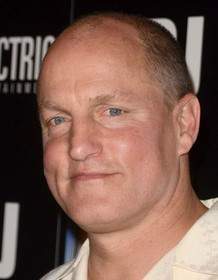
Dr. Michael Reynolds (Woody Harrelson)
Played by Woody Harrelson
A wealthy, materialistic oncologist from Los Angeles who initially views illness through the lens of modern medicine and social status. His impending death after Blue’s kidnapping forces him to confront his mortality and a painful past, including the memory of killing his dying brother. Throughout the journey, he confronts class and race tensions, gradually embracing empathy and moral risk beyond conventional medicine.
- 💼 Wealth
- 🧪 Science
- 🎭Transformation
- B'
Brandon 'Blue' Monroe (Jon Seda)
Played by Jon Seda
A 16-year-old, half-Navajo gang member from East Los Angeles who seeks healing for his illness by accessing sacred places and traditional knowledge. He kidnaps Michael to secure passage to Dibé Nitsaa, motivated by a belief in spiritual remedies over modern treatment. Blue’s actions reveal a deeply wounded, resourceful, and determined young man grappling with loyalty, faith, and survival.
- 🗺️ Journey
- 🧿 Spirituality
- 🧒 Youth
- WS
Webster Skyhorse (Victor Aaron)
Played by Victor Aaron
A Navajo medicine man who embodies the traditional healing arc Blue seeks. He serves as a spiritual guide, directing Blue toward the sacred lake and offering a counterpoint to Western medicine. Skyhorse represents the preservation of cultural knowledge and the power of ritual in healing.
- 🪶 Culture
- 🧭 Guidance
- 🕊️ Healing
-
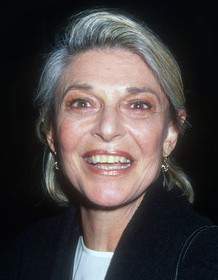
Victoria Reynolds (Anne Bancroft)
Played by Anne Bancroft
Michael’s wife, a figure of social status and conventional expectations who triggers the manhunt by insisting on medical priorities and personal commitments. Her presence amplifies the tension between personal ambition and family duty. She embodies the domestic side of a high-powered medical life and its consequences.
- 👑 Status
- 🧭 Family
- 🎭 Tension
Where and When Is The Sunchaser Set?
The Sunchaser is set in East Los Angeles, Arizona and Navajo Nation (1990s). Here is why the time and place matter to the story.
When
1990s
The narrative unfolds in a contemporary 1990s setting, reflecting modern medicine, law enforcement, and road-trip culture. The characters navigate a world of hospitals, police pursuit, and cross-cultural encounters typical of that era. The period shapes the tone, emphasizing realism in medical and criminal elements while exploring traditional beliefs.
Where
East Los Angeles, Arizona, Navajo Nation
The story begins in East Los Angeles, where Blue’s gang-influenced environment shapes his choices. The journey then pushes westward into the Arizona desert and onto the Navajo Nation, where sacred landscapes frame the drama. Key scenes unfold in a Flagstaff hospital and at the sacred lake Dibé Nitsaa, underscoring the clash between urban life and Indigenous spirituality.
- 🌆 Urban
- 🏜️ Desert
- 🛣️ Road trip
What Are the Themes of The Sunchaser?
4 ideas the story keeps returning to, among them Science vs Spirituality, Mortality & Redemption and Power & Privilege.
-
01
Science vs Spirituality
The film pits Western medical authority against Indigenous spiritual healing. Dr. Reynolds embodies clinical rationalism, while Blue embodies a belief in sacred places and herbal remedies. Through their journey, the movie questions whether healing can be found in both paradigms or only one. The collision of these worldviews drives the tension and eventual transformation of the characters.
-
02
Mortality & Redemption
Blue’s cancer diagnosis confronts both men with their limits and fears about dying. Michael faces his own haunted past and the fragility of life, which forces a reconsideration of his values and choices. The quest to heal becomes a path to personal redemption for both protagonists. Mortality acts as a catalyst for empathy, risk, and moral growth.
-
03
Power & Privilege
The film contrasts wealth and social status with vulnerability and marginalization. Michael’s affluent, controlled world collides with Blue’s precarious, street-informed reality. The cross-country pursuit exposes how privilege shapes decisions and access to healing. Ultimately, power is challenged by acts of compassion and shared humanity.
-
04
Cultural Landscape
The desert Southwest and Navajo sacred sites are not just backdrops but central to the narrative. Dibé Nitsaa and Skyhorse symbolize traditional knowledge and spiritual healing. The journey across landscapes deepens the characters’ connection to history, place, and identity. The setting becomes a character in its own right, guiding choices and outcomes.
What Kind of Film Is The Sunchaser?
Dark in tone, with steady pacing and a moderate story, going by the plot summary.
- Tone
- Dark
- Pacing
- Steady
- Story
- Moderate
- Intensity
- High
- Ending
- Ambiguous
A tense and emotionally heavy journey across stark landscapes, this film explores a desperate search for healing amidst a fraught hostage dynamic, blending spiritual yearning with gritty realism.
- desperate
- spiritual
- tense
- melancholic
- gritty
- oppressive
- cancer
- cultural clash
- hostage situation
- road trip
Content notes: terminal illness, kidnapping, hostage situation, gun violence, child death (memory).
Quiz
How well do you remember The Sunchaser? Test yourself on the story.