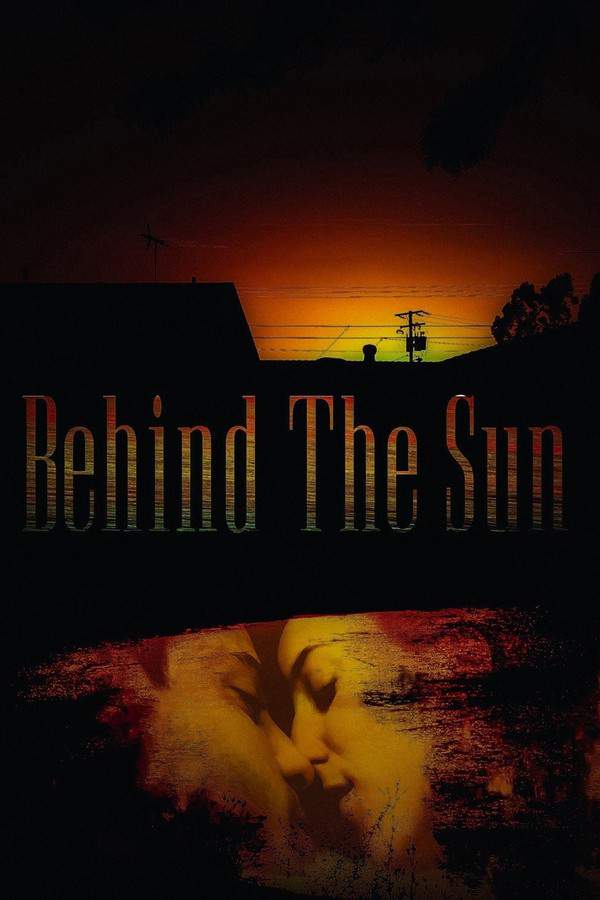
Behind the Sun 2001

Directed by

Walter Salles
Made by

Miramax Films
Where to Watch Behind the Sun
See current US streaming, rental, and purchase options for Behind the Sun (2001) via JustWatch.

Streaming availability powered by 
Behind the Sun Plot Summary
Read the complete plot summary and ending explained for Behind the Sun (2001). From turning points to emotional moments, uncover what really happened and why it matters.
The year is 1910, set in the desolate badlands of Northeast Brazil. The story revolves around Tonho, a twenty-year-old middle son from an impoverished farm family known as the Breves. Caught in a relentless blood feud with the neighboring Ferreiras, Tonho is destined to continue this cycle of revenge, where each family has been embroiled in a series of tit-for-tat killings over land for generations. This bitter conflict is governed by a cold, harsh code that asserts, > “Blood has the same volume for everyone. You have no right to take more blood than was taken from you.” The atmosphere is thick with a sense of futility and stoic despair, reflecting the gravity of their situation.
Under the immense pressure from his father, Tonho takes it upon himself to avenge his older brother’s murder by killing one of the Ferreira sons, ironically marking himself as the next target. In this family dynamic, his younger brother, known simply as the Kid, bears no name—an ominous result of their parents’ anticipation of inevitable loss. However, the Kid, with his imaginative spirit and unwavering love, remains uplifted despite the harsh realities of their life, offering Tonho a glimmer of hope.
Tonho’s life takes a significant turn when he encounters Clara, a charismatic circus performer, who presents him with a world of endless possibilities. The narrative unfolds through the eyes of the Kid, who eventually earns the name Pacu from Clara and her stepfather, allowing the audience deeper insight into their lives and making them more relatable.
As Tonho and Pacu visit the nearby circus, the bond between Tonho and Clara deepens. Clara, yearning for connection, leaves her stepfather to join Tonho at the farm. In a poignant moment before her departure, Clara urges Tonho to meet her by the ocean in the east. The fragile tranquility shatters when the Ferreiras come seeking vengeance, initially threatening Tonho’s life, but instead taking Pacu’s—a heart-wrenching blow to the Breves family.
In the aftermath, Tonho’s father demands retribution, insisting he retrieve the gun to avenge Pacu’s death. Yet, reflecting on the devastation of their lives, Tonho chooses silence and walks away, prompting a violent confrontation with his father, who aims to uphold their family’s honor. However, the mother intervenes, asserting that the feud has lost all meaning and must finally end.
The film concludes with Tonho on a beach, gazing into the vast sea, embodying a melancholic wonder as he contemplates the shattered remnants of his past.
Behind the Sun Timeline
Follow the complete movie timeline of Behind the Sun (2001) with every major event in chronological order. Great for understanding complex plots and story progression.
The Breves Family Struggles
In the year 1910, the Breves family lives in the desolate badlands of Northeast Brazil, grappling with poverty and hardship. This challenging environment shapes the dynamics between the family members and highlights their ongoing blood feud with the Ferreiras, setting the stage for the story.
The Blood Feud
The Breves and Ferreiras are embroiled in a fierce blood feud, characterized by a relentless cycle of tit-for-tat killings over land. This bitter conflict has persisted for generations, governed by a harsh code revolving around the concept of blood and vengeance.
The Murder of Tonho's Brother
The narrative is propelled forward when Tonho's older brother is murdered, pushing him into a deep sense of obligation. Under immense pressure from his father, Tonho takes it upon himself to avenge his brother's death by targeting a son of the Ferreira family.
Tonho's Transformation
By avenging his brother's murder, Tonho unknowingly marks himself as the next target in the ongoing feud. This act escalates the cycle of violence and solidifies his role in the family's dark legacy of revenge.
Introduction of the Kid
The younger brother of Tonho, simply known as the Kid, becomes a poignant figure in the family dynamic. His lack of a name symbolizes the family's anticipation of loss, yet he remains a beacon of hope through his imaginative spirit and love for his elder brother.
Tonho Meets Clara
Tonho's life changes drastically when he meets Clara, a vibrant circus performer who introduces him to a world of dreams beyond the harsh realities of his existence. Their connection sparks a glimmer of happiness amidst the oppressive atmosphere surrounding the Breves family.
Bonding at the Circus
Tonho and the Kid, now called Pacu, visit the circus where Clara performs. This outing deepens the bond between Tonho and Clara, allowing them to share moments of joy and connection that contrast starkly with their troubled home life.
Clara's Departure
As Clara yearns for deeper connections, she decides to leave her stepfather and join Tonho at the farm. Before leaving, she urges Tonho to meet her by the ocean, symbolizing hope and promise amidst despair.
The Ferreira's Vengeance
Tragedy strikes when the Ferreiras, seeking vengeance, attack the Breves family. In the ensuing chaos, it is not Tonho who falls, but rather Pacu, whose death becomes a profound blow to the family and intensifies the existing conflict.
Demand for Retribution
In the aftermath of Pacu's death, Tonho's father demands that he retrieve his weapon to avenge their loss, emphasizing the unyielding cycle of violence. However, Tonho finds himself at a crossroads, grappling with the weight of familial expectations.
Tonho Walks Away
Faced with his father's insistence on revenge, Tonho chooses silence and walks away, a decision that infuriates his father. This act of defiance leads to a violent confrontation, showcasing the deep emotional rift within the family amidst the ongoing tragedy.
Mother's Intervention
In a pivotal moment, Tonho's mother intervenes during the confrontation, urging that the feud has lost all meaning. Her plea highlights the futility of their situation and suggests the need for reconciliation over revenge.
Tonho's Reflection
The film culminates with Tonho standing on a beach, gazing out over the vast sea. In this moment of melancholic wonder, he reflects on the shattered remnants of his past, embodying the emotional toll that family loyalty and revenge have taken on his life.
Behind the Sun Characters
Explore all characters from Behind the Sun (2001). Get detailed profiles with their roles, arcs, and key relationships explained.
Tonho
Tonho, the 20-year-old middle son of the Breves family, is caught in a web of familial duty and the harsh realities of violence. Struggling with the pressure of avenging his brother’s death, he embodies the conflict between legacy and the desire for a different life. His inner turmoil reflects the film’s themes of revenge and helplessness.
Pacu
Pacu, initially referred to as 'the Kid,' represents innocence amidst chaos. His imaginative spirit and unwavering love provide a stark contrast to the violent world around him. Despite his lack of a name, Pacu's journey with Tonho and Clara encapsulates the film's emotional core, emphasizing the bonds of family.
Clara
Clara, a charismatic circus performer, symbolizes the lure of a different life and the possibility of love. Her connection with Tonho reveals his yearning for change, while her departure highlights the film's theme of loss. Clara's independent spirit and desire for connection make her a pivotal character in Tonho's transformation.
Behind the Sun Settings
Learn where and when Behind the Sun (2001) takes place. Explore the film’s settings, era, and how they shape the narrative.
Time period
1910
The year 1910 is marked by social tensions and deep-rooted feuds in rural Brazil. This period reflects a world where old codes of honor and revenge dictate actions, leading to a tragic cycle that engulfs families for generations. It is a time when traditional values clash with new beginnings, highlighting the struggle between past grievances and the possibility of change.
Location
Northeast Brazil
The desolate badlands of Northeast Brazil serve as the backdrop for this film, characterized by harsh landscapes and a sense of isolation. Known for its rugged terrain and resilience, this region reflects the struggles of its inhabitants, caught in a cycle of violence and despair. The nearby ocean symbolizes both beauty and the promise of escape from their tumultuous lives.
Behind the Sun Themes
Discover the main themes in Behind the Sun (2001). Analyze the deeper meanings, emotional layers, and social commentary behind the film.
🔫
Revenge
Revenge is a central theme, illustrated through the generations of blood feuds between the Breves and the Ferreiras. This relentless cycle of retaliation demonstrates how vengeance drives characters to commit acts of violence in an attempt to restore their family's honor. Ultimately, the film questions the futility of such actions and the cost it exacts on individual lives.
💔
Loss
The theme of loss permeates the narrative, particularly through the character of Tonho and the tragic fate of his younger brother, Pacu. The family experiences profound grief and inevitability, as each member grapples with the idea of impending loss. Clara's departure and Pacu's death serve as poignant reminders of the fragility of life and the enduring impact of loss on the human spirit.
🎪
Hope
In the midst of despair, hope emerges through relationships, particularly between Tonho, Pacu, and Clara. Clara represents a world of possibilities, urging Tonho to consider a life beyond revenge. Despite the darkness surrounding them, Pacu's imagination and love signify resilience and the potential for change, offering a glimmer of hope in an otherwise bleak existence.

Coming soon on iOS and Android
The Plot Explained Mobile App
From blockbusters to hidden gems — dive into movie stories anytime, anywhere. Save your favorites, discover plots faster, and never miss a twist again.
Sign up to be the first to know when we launch. Your email stays private — always.
Explore the mobile appBehind the Sun Spoiler-Free Summary
Discover the spoiler-free summary of Behind the Sun (2001). Get a concise overview without any spoilers.
In the harsh, sun‑baked expanse of Brazil’s Northeast badlands in 1910, life unfolds under a relentless code of recited blood‑feuds. The land itself feels cracked and endless, echoing a sense of futility that permeates every village and homestead. A thin veil of stoic despair hangs over the community, where generations have been bound to an unspoken pact of retaliation, and the horizon offers little promise beyond the next inevitable clash.
At the heart of this world is Tonho, a twenty‑year‑old caught between the weight of family expectations and his own yearning for something beyond the endless cycle. Pressured by his father to uphold a brutal tradition, he wrestles with the paradox of being both a possible avenger and a reluctant participant. Beside him moves the Kid, a nameless younger brother whose imagination shines like a quiet flame amid the surrounding bleakness, offering a gentle reminder that hope can still flicker. Into their lives drifts Clara, a charismatic circus performer whose arrival brings color, music, and the whisper of possibilities far removed from the farm’s dust‑laden routine. Through her presence, the nameless brother eventually receives the nickname Pacu, a small act of acknowledgment that hints at identity forming in unexpected places.
The film’s tone balances harsh realism with lyrical yearning, painting a portrait of a world where the earth itself seems to sigh under the burden of inherited grudges. Cinematic images of endless plains, muted sunrise light, and distant seas evoke both confinement and the ache of longing for freedom. Against this backdrop, the characters navigate the delicate tension between duty and desire, leaving the audience to wonder whether the weight of the past can ever truly be lifted, or if the promise of an open horizon remains forever just out of reach.
Movies with Similar Twists and Themes
Uncover films that echo the narrative beats, emotional arcs, or dramatic twists of the one you're exploring. These recommendations are handpicked based on story depth, thematic resonance, and spoiler-worthy moments — perfect for fans who crave more of the same intrigue.
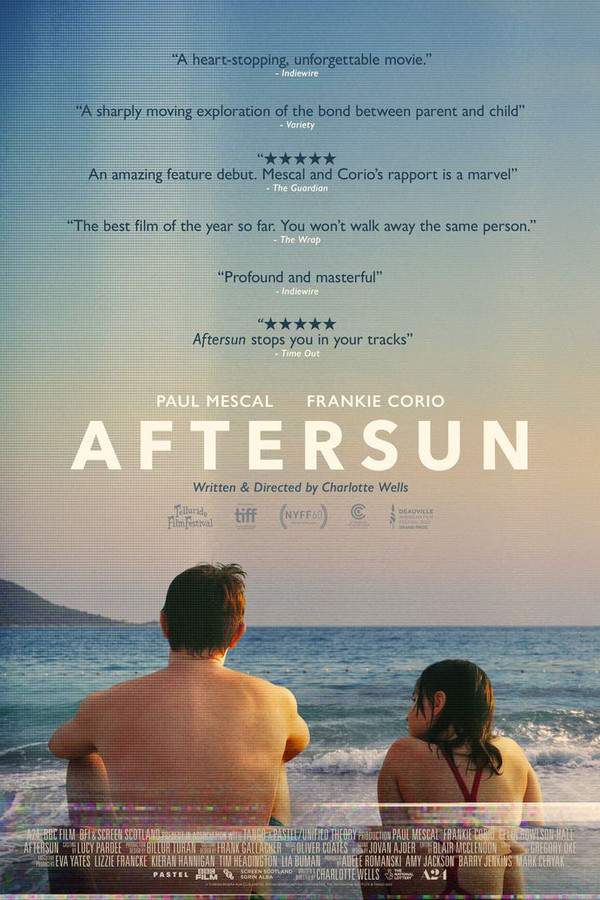
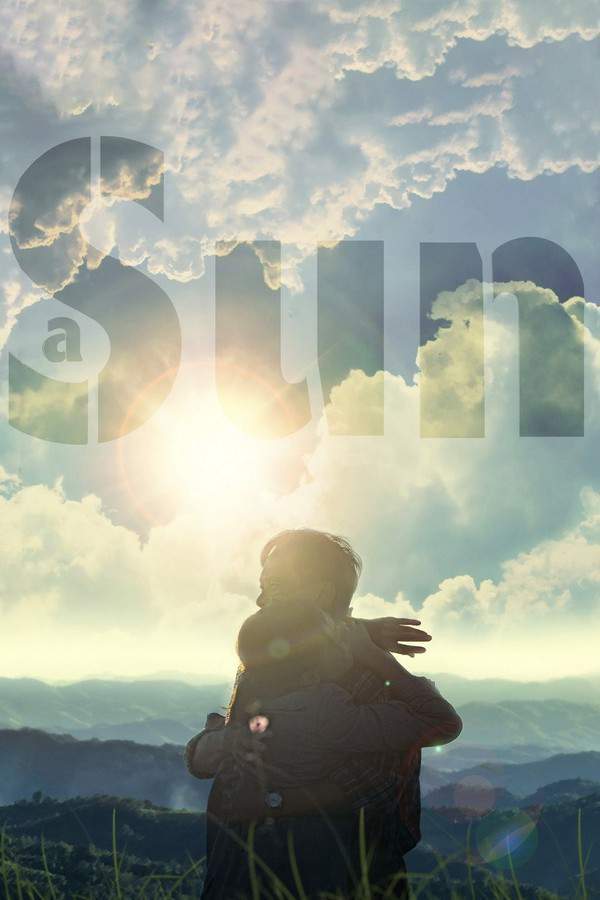
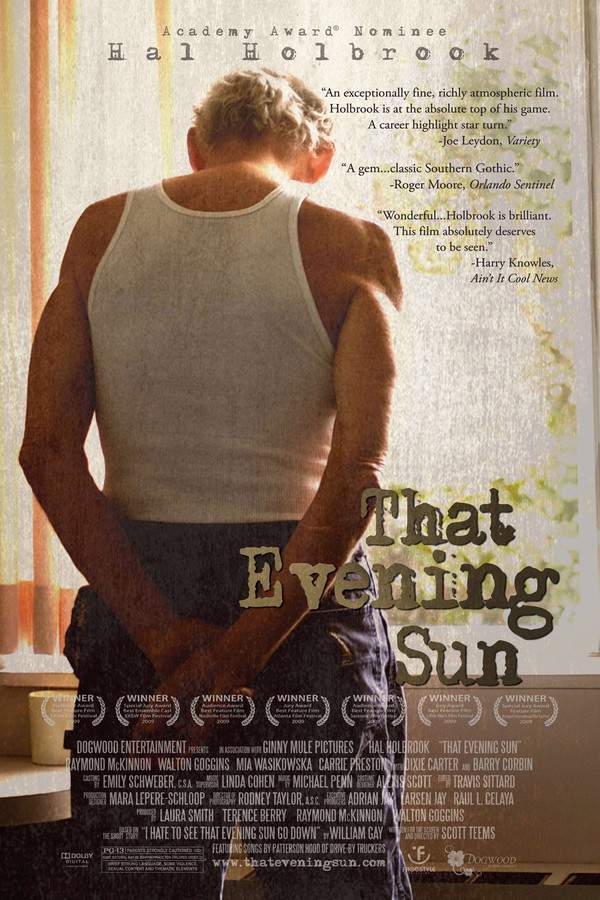

Featured on this page

What's After the Movie?
Not sure whether to stay after the credits? Find out!
Check out our other apps:

SAT Sphere
Build confidence for the Digital SAT.

Mori Atlas
Discover wild places worth protecting.

Luntero
Search smarter for a home in Amsterdam.

Plot Explained
Unravel movie endings and hidden clues.

Pokechamp
Dive into Pokémon data and battle logic.

Driving Theory
Get ready for your European theory test.

Movie Dust
Plan your next cinema trip with ease.

Musemap
Find art and culture as you travel.

Selkobase
Compare credentials before committing.

Local Manual
Turn an unfamiliar country into practical next steps.

Lernavi
Compare school systems before your next move.

GymRoam
Find a workout stop wherever your plans take you.
Explore Our Movie Platform
New Movie Releases (2026)
Famous Movie Actors
Top Film Production Studios
Movie Plot Summaries & Endings
Major Movie Awards & Winners
Best Concert Films & Music Documentaries
Movie Collections and Curated Lists
© 2026 What's After the Movie. All rights reserved.
Privacy Policy