The Rosary Murders 1987



God works in mysterious ways. Man works in the deadliest. A priest is put in a dilemma when the serial killer who has been murdering priests and nuns confesses to him.


Does The Rosary Murders have end credit scenes?
No!
The Rosary Murders does not have end credit scenes. You can leave when the credits roll.
Where to Watch The Rosary Murders
See current US streaming, rental, and purchase options for The Rosary Murders (1987) via JustWatch.










Meet the Full Cast and Actors of The Rosary Murders
Explore the complete cast of The Rosary Murders, including both lead and supporting actors. Learn who plays each character, discover their past roles and achievements, and find out what makes this ensemble cast stand out in the world of film and television.
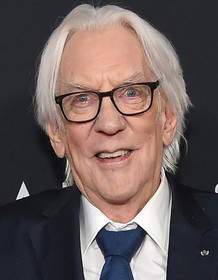
Donald Sutherland
Father Robert Koesler
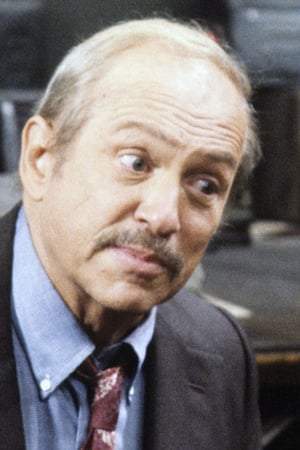
Stefan Gierasch
Trupiano
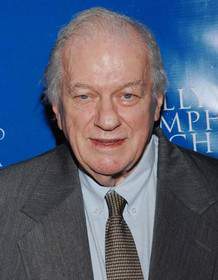
Charles Durning
Father Ted Nabors
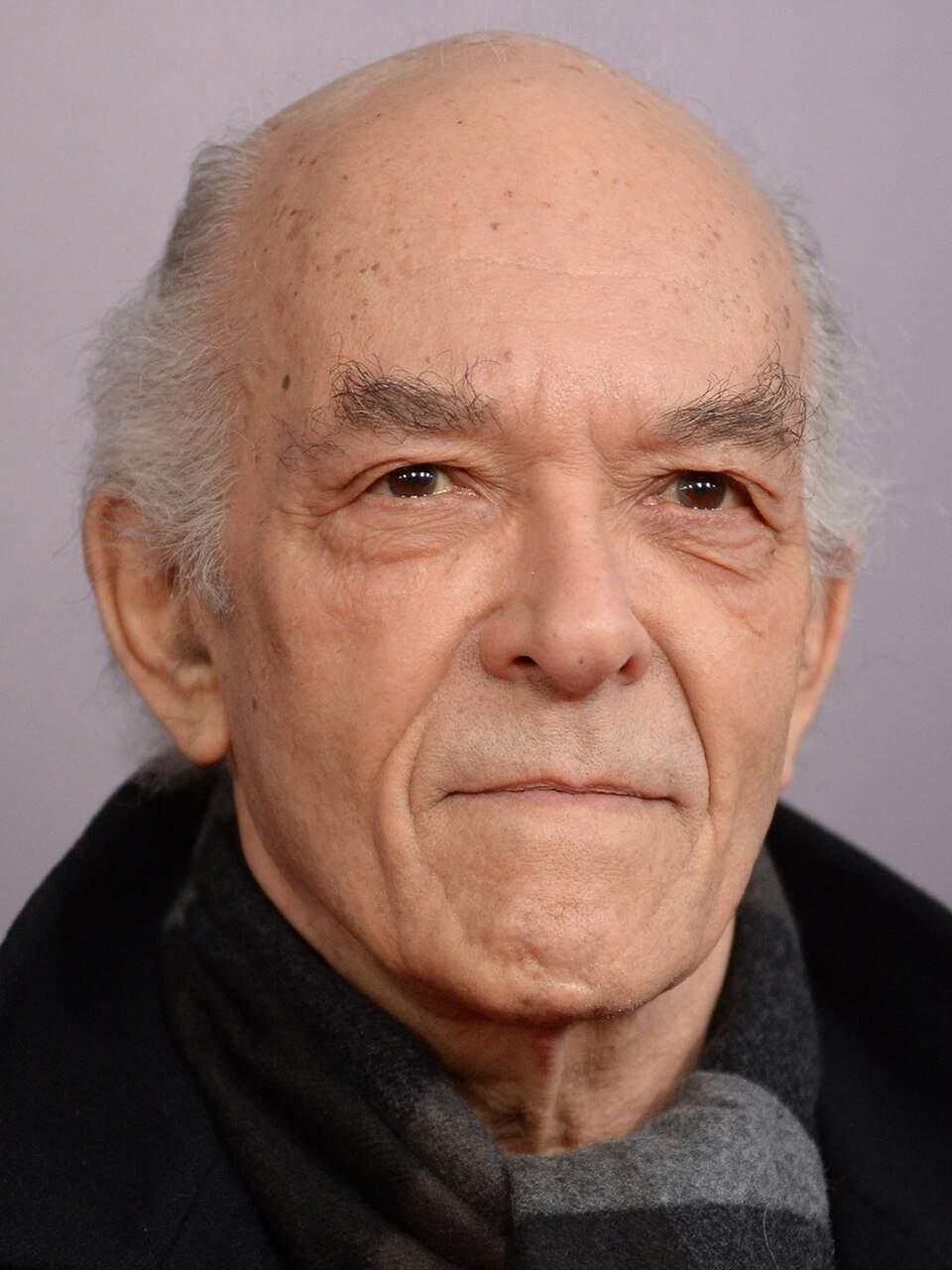
Mark Margolis
Father Max

Josef Sommer
Lieutenant Koznicki
Lupe Ontiveros
Sophie
Jack White
Altar Boy (uncredited)
Addison Powell
Father Edward Killeen
Tom Mardirosian
Detective Fallon
Peter Van Norden
Father McNiff
Cordis Heard
Sister Magdala
María López
Mrs. Jimenez
Belinda Bauer
Pat Lennon
Michael Mili
Guest at Party (uncredited)
Jordan Rodriguez
Jimenez Baby
James Murtaugh
Robert Javison
Edward Seamon
Father Harold Steele
Anita Barone
Irene Jimenez
Robert Heller
Kane
Janet M. Smith
Cathy Javison
Ed Ruffalo
Sergeant Ross
Bethany Carpenter
Nancy Baldwin
Jihmi Kennedy
Officer Knight
Leila Danette
Mrs. Washington
Kathleen Tolan
Sister Ann Vania
John Danelle
Detective Harris
Anna Minot
Sister Mary Martyrs
Roger Angelini
Brainard
B. Constance Barry
Sister Grace
Doris Biscoe
Newscaster
Sandy Broad
Librarian
Keith Brooks
Altar Boy
Joseph Conrad
Schommer
Richard Cottrell
Officer Mills
Bruce Economou
Priest
Rex Everhart
Father Skiarski
Lilian Ferguson
Funeral Woman
Harold Hansen
Father Lord
Don Lessnau
Passing Cop
Robert C. Maxwell
Father Marek
Sheldon Miller
Coney Island Customer
Joel Nash
Listening Priest
Burt Pearson
Father Lasko
Ed Oldani
Patrolman Wozniak
Sam Pollack
Father Dailey
David Regal
Father O'Day
Josephine Vassalo
Mrs. Gates
Dennis Wrosch
Sister Vania's Beau
Jo Mullin White
Prioress
Jeffrey R. Dolan
Driver
Georgine Hall
External Links and Streaming Options
Discover where to watch The Rosary Murders online, including streaming platforms, rental options, and official sources. Compare reviews, ratings, and in-depth movie information across sites like IMDb, TMDb, Wikipedia or JustWatch.







Take the Ultimate The Rosary Murders Movie Quiz
Challenge your knowledge of The Rosary Murders with this fun and interactive movie quiz. Test yourself on key plot points, iconic characters, hidden details, and memorable moments to see how well you really know the film.
The Rosary Murders Quiz: Test your knowledge of the 1987 thriller "The Rosary Murders" with these ten questions ranging from easy to challenging.
Which actor portrays Father Robert Koesler?
Full Plot Summary and Ending Explained for The Rosary Murders
Read the complete plot summary of The Rosary Murders, including all major events, twists, and the full ending explained in detail. Explore key characters, themes, hidden meanings, and everything you need to understand the story from beginning to end.
In a Roman Catholic parish in Detroit, a chilling string of murders disrupts the daily rhythm of faith, duty, and doubt. On Ash Wednesday, the community is shaken when Father James Lord dies in his hospital room after someone silently unplugs his respirator. Not long after, Sister Ann Peschal confesses plans to leave the convent to marry, only to be found the next morning stabbed in her bathtub, her body clutching a black rosary. The violence continues with a third victim, Father Dailey, shot inside a confessional booth, each corpse clutching the same symbol of faith.
Father Robert Koesler, Donald Sutherland, the parish’s compassionate priest, wrestles with a terrible dilemma when a man who claims to be the killer visits his confessional. The man accuses the church of bearing responsibility for his teenage daughter’s death years earlier and vows more killings to come. The confessional seal bars Koesler from revealing what was said to him, forcing him to balance ecclesiastical duty with a desperate need to protect people outside the confessional walls. Yet the killer’s warning weighs heavily, and the tension between secrecy and justice grows heavier with every new murder, including the shooting of Father Killeen.
Against this backdrop of sorrow and fear, Koesler finds comfort in the company of Pat Lennon, a journalist for the local paper who is covering the bizarre, escalating crimes. Pat, Belinda Bauer, brings a warmth and levity to the otherwise grim narrative, and a complicated closeness develops between them. One night, they decide to spend time together, and as dawn rises, they sit side by side at a diner counter, trying to process the events of the night before. Their moment is awkward and unsettled, hinting at something more than professional camaraderie, though the film leaves the question of what happened between them ambiguously unresolved.
Koesler’s approach to the crisis is unusually humane for a cleric of his station. He performs a baptism for a child born outside wedlock, a bold gesture that Pat witnesses with a mix of admiration and concern. The act underscores his belief that faith can extend beyond rigid rules, even as the church’s hierarchy urges caution. Pat’s evolving feelings for Koesler become entangled with her work as a reporter, and she remains a compelling, morally complex presence throughout the story.
Driven by the confessional dilemma and the mounting deaths, Koesler continues to probe the case, quietly testing the boundaries of legal and ecclesiastical authority. He learns that the killer’s dead daughter is Katherine Javison and discovers the troubling pattern behind the deaths: the victims’ names seem to align with the Ten Commandments. In pursuing the threads of Katherine’s life, he visits the Javison home and eventually learns the shattering truth Katherine revealed to Sister Mary Margaret, the cloistered advisor who had dismissed her confessions. The revelation is grim: Katherine and her father were engaged in an incestuous relationship, a truth Sister Mary Margaret failed to believe at the time, a failure that shadows the present as the killer closes in on more victims.
The narrative intensifies as Koesler resolves to uncover the killer’s motive and the link to Katherine’s death. He confronts the reality that Katherine died by her own hand after months of secret anguish, and that her father may have been the arson behind the family’s private tragedy. This revelation adds a bitter layer to the investigation, pushing Koesler to navigate the delicate line between justice and forgiveness.
As police work to shield the parish, Koesler’s investigation points toward Father Nabors, who is believed to be the next target guided by the commandment against bearing false witness. Late on Good Friday, Robert Javison—Katherine’s father and the killer—arrives at the church with a grim resolve to confront Nabors alone. With the confessional seal looming over what he can reveal, Koesler tries to intervene without breaking sacred trust. Javison ultimately exposes his motive: a long-ago confession to Nabors about his ongoing sexual relationship with his daughter, and Nabors’s tepid, delegated response—urging him to repent, reciting a rosary, and granting absolution. The confrontation ends with Javison shot through a window by police, ending the immediate threat to Nabors but leaving the mystery of Katherine’s life and death as a haunting aftereffect.
In the cooldown that follows, Koesler receives Javison’s hand in absolution as he and the authorities sort through the remnants of the case. A key piece emerges: Katherine’s suicide note, found in Javison’s pocket, in which she forgives her father. As Koesler reads the note, he is haunted by the image of Katherine’s school photo, a face that seems to linger in his memory. Pat arrives in the room wearing the same clothes she wore the night they spent together, and the film closes on her face in a freeze-frame, leaving the question of what might come next hovering in the air.
Throughout the film, the tension between faith, guilt, secrecy, and the human need for connection plays out against a backdrop of a city’s quiet, sorrowful resilience. The murders become less about sensational spectacle and more about the moral questions they raise: How should a church respond to a crime that shatters the trust of the faithful? When is it right to reveal a hidden truth, and at what cost to the souls involved? And can forgiveness truly cover the wounds left by past sins, while justice still seeks its due?
- In this emotionally charged drama, the malevolence of the killer and the vulnerable humanity of the priest collide, challenging the boundaries of confession, duty, and mercy in a way that asks more of the characters than the law or the church might be prepared to offer. The story’s final moment—Pat’s gaze, frozen in time—leaves viewers contemplating the complex interplay between faith, love, memory, and absolution, and invites them to consider how the living carry forward the burdens of those who could not be saved.

Coming soon on iOS and Android
The Plot Explained Mobile App
From blockbusters to hidden gems — dive into movie stories anytime, anywhere. Save your favorites, discover plots faster, and never miss a twist again.
Sign up to be the first to know when we launch. Your email stays private — always.
Explore the mobile appDiscover Film Music Concerts Near You – Live Orchestras Performing Iconic Movie Soundtracks
Immerse yourself in the magic of cinema with live orchestral performances of your favorite film scores. From sweeping Hollywood blockbusters and animated classics to epic fantasy soundtracks, our curated listings connect you to upcoming film music events worldwide.
Explore concert film screenings paired with full orchestra concerts, read detailed event information, and secure your tickets for unforgettable evenings celebrating legendary composers like John Williams, Hans Zimmer, and more.


Cars Featured in The Rosary Murders
Explore all cars featured in The Rosary Murders, including their makes, models, scenes they appear in, and their significance to the plot. A must-read for car enthusiasts and movie buffs alike.
The Rosary Murders Themes and Keywords
Discover the central themes, ideas, and keywords that define the movie’s story, tone, and message. Analyze the film’s deeper meanings, genre influences, and recurring concepts.
The Rosary Murders Other Names and Titles
Explore the various alternative titles, translations, and other names used for The Rosary Murders across different regions and languages. Understand how the film is marketed and recognized worldwide.
Similar Movies To The Rosary Murders You Should Know About
Browse a curated list of movies similar in genre, tone, characters, or story structure. Discover new titles like the one you're watching, perfect for fans of related plots, vibes, or cinematic styles.



Quick Links: Summary, Cast, Ratings, More

What's After the Movie?
Not sure whether to stay after the credits? Find out!
Check out our other apps:

SAT Sphere
Build confidence for the Digital SAT.

Mori Atlas
Discover wild places worth protecting.

Luntero
Search smarter for a home in Amsterdam.

Plot Explained
Unravel movie endings and hidden clues.

Pokechamp
Dive into Pokémon data and battle logic.

Driving Theory
Get ready for your European theory test.

Movie Dust
Plan your next cinema trip with ease.

Musemap
Find art and culture as you travel.

Selkobase
Compare credentials before committing.

Local Manual
Turn an unfamiliar country into practical next steps.

Lernavi
Compare school systems before your next move.

GymRoam
Find a workout stop wherever your plans take you.
Explore Our Movie Platform
New Movie Releases (2026)
Famous Movie Actors
Top Film Production Studios
Movie Plot Summaries & Endings
Major Movie Awards & Winners
Best Concert Films & Music Documentaries
Movie Collections and Curated Lists
© 2026 What's After the Movie. All rights reserved.
Privacy Policy