The Report 2019


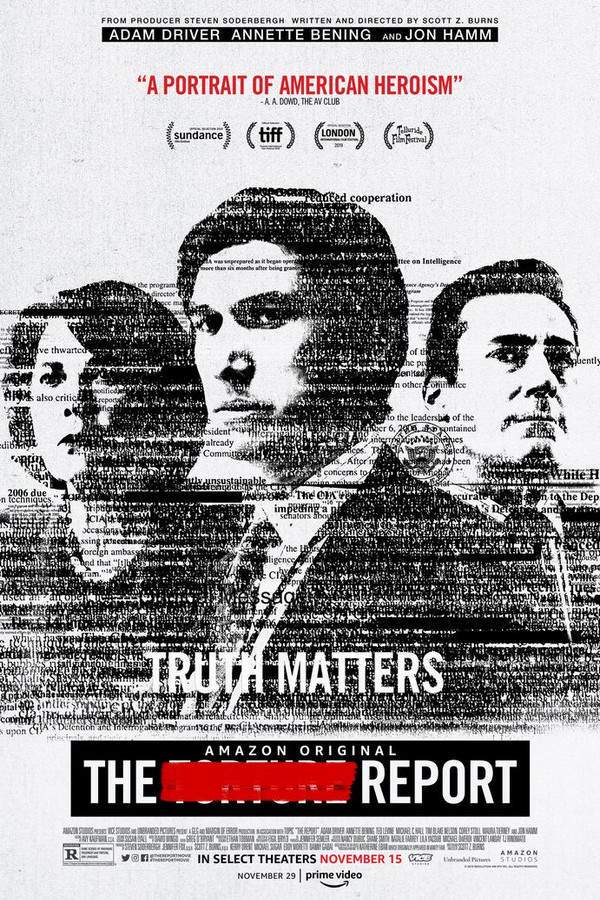
Following the September 11th attacks, idealistic investigator Daniel J. Jones undertakes a sensitive inquiry into the CIA’s Detention and Interrogation Program. His relentless pursuit of the truth uncovers disturbing evidence, including the destruction of records and attempts to obstruct justice. The investigation reveals a concealed program and its implications for the nation, prompting a difficult confrontation with the agency and government oversight.


Does The Report have end credit scenes?
Yes!
The Report does have end credit scenes. Stay until the very end!
Where to Watch The Report
See current US streaming, rental, and purchase options for The Report (2019) via JustWatch.

Amazon Prime Video
4K
Amazon Prime Video with Ads
HD
Amazon Prime Video Free with Ads
HD
Tubi TV
SD
YouTube Free
HD Streaming availability powered by 
Meet the Full Cast and Actors of The Report
Explore the complete cast of The Report, including both lead and supporting actors. Learn who plays each character, discover their past roles and achievements, and find out what makes this ensemble cast stand out in the world of film and television.

Adam Driver
Daniel Jones

Corey Stoll
Cyrus Clifford

Annette Bening
Senator Dianne Feinstein

Jon Hamm
Denis McDonough

Michael C. Hall
Thomas Eastman
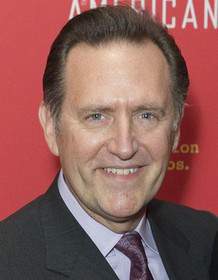
Victor Slezak
Senator Jay Rockefeller

Ted Levine
John Brennan
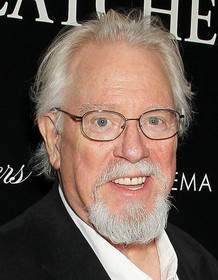
Guy Boyd
Senator Saxby Chambliss
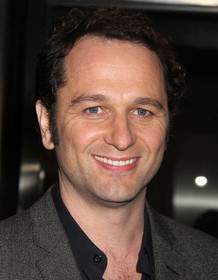
Matthew Rhys

Jennifer Morrison

Maura Tierney
Bernadette

Evander Duck Jr.
Off Site Security Guard

Ben McKenzie

John Rothman
Senator Sheldon Whitehouse
Linda Powell
Marcy Morris
Sandra Landers
Senate Intelligence Committee Clerk
External Links and Streaming Options
Discover where to watch The Report online, including streaming platforms, rental options, and official sources. Compare reviews, ratings, and in-depth movie information across sites like IMDb, TMDb, Wikipedia or Rotten Tomatoes.












Ratings and Reviews for The Report
See how The Report is rated across major platforms like IMDb, Metacritic, and TMDb. Compare audience scores and critic reviews to understand where The Report stands among top-rated movies in its genre.

The Movie Echo Score
Overall, The Report is a rigorously crafted procedural drama that benefits from assured direction and strong performances but is limited by its restrained emotional palette and dry pacing. Reviews consistently highlight Adam Driver and Annette Bening’s nuanced portrayals under Scott Z. Burns’s disciplined direction, lending credibility to the narrative. However, critics note the film’s measured tempo and minimal visual flourish as potential barriers to engagement. The net impression is of a compelling yet austere film experience.
The Movie Echo Score Breakdown for The Report

Art & Craft
In terms of art and craft, the film demonstrates confident direction and disciplined editing, guiding extensive material into a coherent two-hour runtime. Multiple reviews cite Scott Z. Burns’s staging choices and scene construction as particularly assured, while the production design’s austere government interiors reinforce the procedural tone. Cinematography remains deliberately stark, foregoing decorative flourishes. The overall impression is one of meticulous craftsmanship tempered by a consciously restrained visual approach.

Character & Emotion
When it comes to character and emotion, the film is anchored by compelling lead performances yet offers limited emotional release. Critics and audiences praise Adam Driver and Annette Bening for their nuanced execution, conveying authority and restraint. At the same time, the narrative’s internalized focus leaves character arcs largely static, resulting in few overt emotional highs. The balance yields strong acting set against modest emotional resonance.

Story & Flow
In terms of story and flow, the film presents a clear, factual narrative with measured pacing that underscores its investigative focus. Observers note the screenplay’s clarity and logical progression through complex subject matter, though some find the tempo uneven and the procedural formality at times inhibiting engagement. The plot maintains coherence and thematic consistency but risks feeling overly methodical for viewers seeking more dramatic variation. The net result is an informative but subdued storytelling experience.

Sensory Experience
When considering the sensory experience, the film’s audio and visual design are intentionally minimalistic to reflect its documentary-like tenor. The sound design remains unobtrusive, while the score avoids emotional cues, reinforcing the film’s factual orientation. Visual compositions favor stark government interiors over expressive color or dynamic camerawork, contributing to a deliberately cool aesthetic. This restrained approach supports thematic intent but limits sensory richness.

Rewatch Factor
Regarding rewatchability, the film’s factual depth and disciplined structure may reward repeat viewings for those interested in political histories. Viewers familiar with the themes could discover additional nuances in the procedural details and legal arguments on subsequent viewings. However, the film’s subdued tone and absence of dramatic catharsis might reduce casual appeal for general audiences. Overall, its replay value is moderate and subject to viewer engagement with the subject matter.

66
Metascore
7.1
User Score


82%
TOMATOMETER

82%
User Score

7.2 /10
IMDb Rating

70
%
User Score

3.5
From 50 fan ratings

3.33/5
From 9 fan ratings
Take the Ultimate The Report Movie Quiz
Challenge your knowledge of The Report with this fun and interactive movie quiz. Test yourself on key plot points, iconic characters, hidden details, and memorable moments to see how well you really know the film.
The Report Quiz: Test your knowledge on the political drama and real events depicted in 'The Report'.
Who is the main character leading the investigation into the CIA's enhanced interrogation techniques?
Full Plot Summary and Ending Explained for The Report
Read the complete plot summary of The Report, including all major events, twists, and the full ending explained in detail. Explore key characters, themes, hidden meanings, and everything you need to understand the story from beginning to end.
In early 2009, after dedicating two years to an investigation of the 2005 destruction of significant CIA interrogation videotapes, Daniel Jones, a Senate staffer, is chosen by Senator Dianne Feinstein to spearhead an extensive review of six million pages of CIA documents pertaining to the Agency’s employment of enhanced interrogation techniques (EITs). Jones and his small team, consisting of just six members, start their crucial work at a highly secure compartmented information facility situated at a covert CIA site in Virginia.
The narrative takes a turn as it revisits the harrowing events of the September 11 attacks in 2001. CIA employees at the Counterterrorist Center (CTC), including Bernadette, alongside other colleagues, anxiously absorb the unfolding events through live broadcasts. In the days that follow at CIA headquarters, DCI George Tenet reports on a significant meeting with President George W. Bush and CTC director Cofer Black, where crucial decisions regarding counterterrorism operations begin to take shape. Notably, legal counsel John Rizzo informs the team that the President has authorized the CIA to “capture and detain suspected terrorists.” The following year sees contracted intelligence psychologists, Bruce Jessen and James Elmer Mitchell, trained to implement EITs within the CIA.
As investigations deepen, Daniel faces setbacks when half of his team departs after the Department of Justice (DOJ) initiates its own inquiry into the CIA’s practices. Despite this, Jones forges ahead with the help of his remaining colleagues, April and Julian. A pivotal meeting with FBI agent Ali Soufan leads Jones to uncover critical facets of the CIA’s interrogation program, particularly in relation to Abu Zubaydah’s case. The juxtaposition of the FBI’s rapport-building methods against the CIA’s EITs highlights the moral conflict at play. Bernadette supports the newly adopted techniques, but Soufan asserts that crucial intelligence was gathered from Zubaydah prior to the CIA taking charge of the interrogations.
During a significant briefing in Senator Feinstein’s office, Jones presents irrefutable evidence from CIA records that suggest the Agency was aware Zubaydah wasn’t an Al-Qaeda operative, contrary to their assertions to the DOJ. This misleading information results in the harsh approval for the use of EITs on Zubaydah, ultimately making him the first detainee subjected to torture.
A clandestine meeting reveals that Raymond Nathan, a physician assistant with the Office of Medical Services, corroborates that medical professionals had voiced concerns over EITs being classified as torture, yet were met with only stern reprimands from upper management. Nathan recounts witnessing Zubaydah’s horrific experience during waterboarding.
As Jones and his team examine the tragic story of Gul Rahman, who succumbed to hypothermia due to CIA interrogation methods, they find themselves grappling with the shocking nature of their findings. Jones shares his discoveries with Senator Feinstein and her aide, Marcy Morris, emphasizing the importance of preventing such incidents from recurring.
Following the release of the astonishing Panetta Review, an internal critique of the EIT program, Jones remains undeterred despite encounters with significant opposition from the CIA. They challenge key findings in the report, claiming no unique intelligence was gained through the application of EITs and highlight the inexperience of contractors Mitchell and Jessen, who received substantial compensation for their controversial methods.
Frustration builds when Senator Mark Udall confronts CIA officials during a hearing, advocating for the integrity of the committee’s study. Amid these confrontations, Jones diligently safeguards a copy of the Panetta Review, fearing it could be destroyed similarly to the interrogation videotapes.
When Brennan and the CIA retaliate against Jones for his tenacity, they initiate an unwarranted search of his office, which breaches the separation of powers agreement. In a bid to unveil the truth, Jones discreetly hints to a New York Times journalist about the CIA’s misconduct. This leads to public allegations against the agency, spurring courage from Senator Feinstein, who ultimately stands by Jones during a tense confrontation.
As the political landscape shifts with the Republican Party gaining Senate control in the 2014 midterm elections, the urgency intensifies for releasing the report’s summary. Senator Feinstein, with the support of John McCain, who poignantly shares his own experiences with torture, delivers a powerful speech outlining the report’s implications.
In a stark epilogue delivered through intertitles, it is revealed that after the report’s publication, Jones resigned from his position amid an environment where no CIA personnel faced criminal charges for their actions. Alarmingly, many were promoted, with one even ascending to the directorship of the CIA.

Coming soon on iOS and Android
The Plot Explained Mobile App
From blockbusters to hidden gems — dive into movie stories anytime, anywhere. Save your favorites, discover plots faster, and never miss a twist again.
Sign up to be the first to know when we launch. Your email stays private — always.
Explore the mobile appWatch Trailers, Clips & Behind-the-Scenes for The Report
Watch official trailers, exclusive clips, cast interviews, and behind-the-scenes footage from The Report. Dive deeper into the making of the film, its standout moments, and key production insights.
Cars Featured in The Report
Explore all cars featured in The Report, including their makes, models, scenes they appear in, and their significance to the plot. A must-read for car enthusiasts and movie buffs alike.
The Report Themes and Keywords
Discover the central themes, ideas, and keywords that define the movie’s story, tone, and message. Analyze the film’s deeper meanings, genre influences, and recurring concepts.
The Report Other Names and Titles
Explore the various alternative titles, translations, and other names used for The Report across different regions and languages. Understand how the film is marketed and recognized worldwide.
Similar Movies To The Report You Should Know About
Browse a curated list of movies similar in genre, tone, characters, or story structure. Discover new titles like the one you're watching, perfect for fans of related plots, vibes, or cinematic styles.





Quick Links: Summary, Cast, Ratings, More

What's After the Movie?
Not sure whether to stay after the credits? Find out!
Check out our other apps:

SAT Sphere
Build confidence for the Digital SAT.

Mori Atlas
Discover wild places worth protecting.

Luntero
Search smarter for a home in Amsterdam.

Plot Explained
Unravel movie endings and hidden clues.

Pokechamp
Dive into Pokémon data and battle logic.

Driving Theory
Get ready for your European theory test.

Movie Dust
Plan your next cinema trip with ease.

Musemap
Find art and culture as you travel.

Selkobase
Compare credentials before committing.

Local Manual
Turn an unfamiliar country into practical next steps.

Lernavi
Compare school systems before your next move.

GymRoam
Find a workout stop wherever your plans take you.
Explore Our Movie Platform
New Movie Releases (2026)
Famous Movie Actors
Top Film Production Studios
Movie Plot Summaries & Endings
Major Movie Awards & Winners
Best Concert Films & Music Documentaries
Movie Collections and Curated Lists
© 2026 What's After the Movie. All rights reserved.
Privacy Policy