The Pride of St. Louis 1952


The Story of Dizzy Dean! The story of Jerome “Dizzy” Dean, a major-league baseball pitcher for the St. Louis Cardinals and Chicago Cubs in the 1930s and 1940s.
Does The Pride of St. Louis have end credit scenes?
No!
The Pride of St. Louis does not have end credit scenes. You can leave when the credits roll.
Where to Watch The Pride of St. Louis
See current US streaming, rental, and purchase options for The Pride of St. Louis (1952) via JustWatch.






Meet the Full Cast and Actors of The Pride of St. Louis
Explore the complete cast of The Pride of St. Louis, including both lead and supporting actors. Learn who plays each character, discover their past roles and achievements, and find out what makes this ensemble cast stand out in the world of film and television.
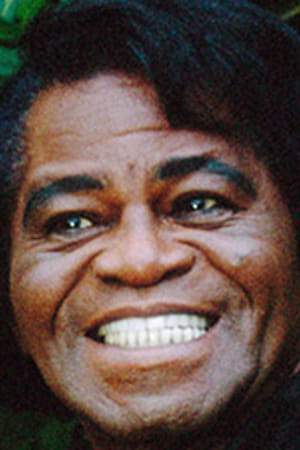
James Brown
Moose
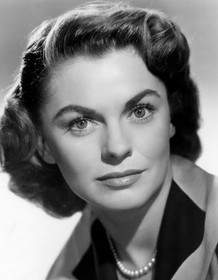
Joanne Dru
Patricia Dean
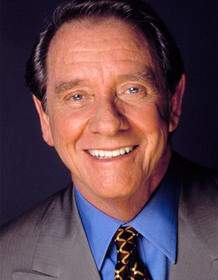
Richard Crenna
Paul Dean

John Doucette
Benny
Hugh Sanders
Horst
Harmon Jones
Dan Dailey
Dizzy Dean
John Call
Reporter
Richard Hylton
Johnny Kendall
Jack Rice
Voorhees
Kathryn Card
Mrs. Martin
Leo Cleary
Houston Mgr. Ed Monroe
Victor Sutherland
Mr. Kendall Sr.
Marjorie Holliday
Receptionist
External Links and Streaming Options
Discover where to watch The Pride of St. Louis online, including streaming platforms, rental options, and official sources. Compare reviews, ratings, and in-depth movie information across sites like IMDb, TMDb, Wikipedia or Letterboxd.





Take the Ultimate The Pride of St. Louis Movie Quiz
Challenge your knowledge of The Pride of St. Louis with this fun and interactive movie quiz. Test yourself on key plot points, iconic characters, hidden details, and memorable moments to see how well you really know the film.
The Pride of St. Louis (1952): A biographical drama about baseball legend Dizzy Dean, his rise with the St. Louis Cardinals, personal struggles, and later career as a radio broadcaster.
What is the nickname of the main character, Jerome Herman Dean?
Full Plot Summary and Ending Explained for The Pride of St. Louis
Read the complete plot summary of The Pride of St. Louis, including all major events, twists, and the full ending explained in detail. Explore key characters, themes, hidden meanings, and everything you need to understand the story from beginning to end.
A scout for the St. Louis Cardinals arrives in a small Ozarks town to assess Jerome Herman Dean Dizzy Dean, a pitcher whose overwhelming self-confidence makes him believe he should be in the majors right away. Yet his talents land him in the minor leagues with the Houston Buffaloes, where his rustic clothes and swagger provoke endless teasing. In town, he meets the pretty credit officer Patricia Nash Joanne Dru, and the two quickly spark a bold, impulsive romance that pushes them toward a life together.
In an exhibition between the Buffaloes and the Chicago White Sox, Dean experiences a moment of almost miraculous control on the mound, delivering a performance that leaves the opposition in awe and fans buzzing. He’s confronted by White Sox players who rib him with the nickname “Dizzy,” a label that sticks and is soon picked up by sports reporters, turning him into a larger-than-life character in the press. Amid the glare of cameras and the roar of crowds, he asks Patricia to elope, and she agrees, surprised but exhilarated by the intensity of their connection.
Dizzy’s rise continues as he becomes the team’s star pitcher, quickly drawing attention during spring training. His brother Paul Dean Richard Crenna joins him in St. Louis, and the brothers take on all-out, showman roles to boost the Cardinals’ appeal. They usher fans into the ballpark, sell tickets in the box office, and even cavort with the marching band, turning the clubhouse into a carnival. Their antics win plaudits from some and ire from the manager Frankie Frisch, who fines them for their unruly behavior. Dizzy, stubborn as ever, goes on strike, a flare-up that puts Pat in the middle of their quarrel. She implores him to calm down and focus, while Dizzy storms out to forge his own path.
The standstill breaks when he meets Johnny Kendall [Richard Hylton], a businessman who gets around with crutches and a specially equipped car. Johnny’s quiet resilience and acceptance of his handicap strike a chord with Dizzy, reshaping his outlook in a fundamental way. The two form an unlikely bond, and Dizzy ends his strike, returning to the field with renewed purpose. The Dean brothers help the Cardinals ride a wave of momentum straight to the World Series, where their adventurous energy and hunger for success drive the team to victory.
But the road is not smooth. An injury—a line drive breaks one of Dizzy’s toes—tests his resolve, and he returns to pitching before his arm is fully ready. The warning signs prove prescient, and his form slips. A minor league club eventually releases him, and Dizzy confronts a painful truth: his major league career may be behind him. He slides into self-doubt, then deeper into drinking and gambling as he tries to forget the disappointment that stalks him.
Pat leaves him, insisting she won’t come back until he matures. Dizzy, desperate, asks Johnny for a job as a salesman, but Johnny surprises him by offering a position on the radio. Dizzy becomes a broadcaster, bringing his distinctive Arkansas drawl, his offbeat stories, and his magnetic confidence to the airwaves. His broadcasts become a local sensation, and he quickly finds a new niche in the world of sports media.
Yet Dizzy’s voice also touches people beyond fans. When a coalition of teachers denounces his “bad English” influence on children, he confronts his own language and pride, and ultimately he chooses to walk away from the microphone rather than compromise his identity. In his final broadcast, he gives a heartfelt appeal to the kids of St. Louis, urging them to prioritize education while continuing to love the game. The moment resonates with the people who hear it, and the head of the teachers’ committee acknowledges his impact with a pointed, grateful remark:
We’ll keep teaching the children English and you keep on learning them baseball.
Returning home to a waiting Pat, Dizzy has weathered doubt and loss, found a new voice, and learned to blend his fearless, larger-than-life persona with humility and growth. The story closes on a note of quiet triumph—a reminder that talent can endure even when the arc of a career bends, and that personal evolution can come from the discipline of education, the discipline of sport, and the courage to keep playing the game—on and off the field.

Coming soon on iOS and Android
The Plot Explained Mobile App
From blockbusters to hidden gems — dive into movie stories anytime, anywhere. Save your favorites, discover plots faster, and never miss a twist again.
Sign up to be the first to know when we launch. Your email stays private — always.
Explore the mobile appDiscover Film Music Concerts Near You – Live Orchestras Performing Iconic Movie Soundtracks
Immerse yourself in the magic of cinema with live orchestral performances of your favorite film scores. From sweeping Hollywood blockbusters and animated classics to epic fantasy soundtracks, our curated listings connect you to upcoming film music events worldwide.
Explore concert film screenings paired with full orchestra concerts, read detailed event information, and secure your tickets for unforgettable evenings celebrating legendary composers like John Williams, Hans Zimmer, and more.


Cars Featured in The Pride of St. Louis
Explore all cars featured in The Pride of St. Louis, including their makes, models, scenes they appear in, and their significance to the plot. A must-read for car enthusiasts and movie buffs alike.
The Pride of St. Louis Themes and Keywords
Discover the central themes, ideas, and keywords that define the movie’s story, tone, and message. Analyze the film’s deeper meanings, genre influences, and recurring concepts.
The Pride of St. Louis Other Names and Titles
Explore the various alternative titles, translations, and other names used for The Pride of St. Louis across different regions and languages. Understand how the film is marketed and recognized worldwide.
Similar Movies To The Pride of St. Louis You Should Know About
Browse a curated list of movies similar in genre, tone, characters, or story structure. Discover new titles like the one you're watching, perfect for fans of related plots, vibes, or cinematic styles.





Quick Links: Summary, Cast, Ratings, More

What's After the Movie?
Not sure whether to stay after the credits? Find out!
Check out our other apps:

SAT Sphere
Build confidence for the Digital SAT.

Mori Atlas
Discover wild places worth protecting.

Luntero
Search smarter for a home in Amsterdam.

Plot Explained
Unravel movie endings and hidden clues.

Pokechamp
Dive into Pokémon data and battle logic.

Driving Theory
Get ready for your European theory test.

Movie Dust
Plan your next cinema trip with ease.

Musemap
Find art and culture as you travel.

Selkobase
Compare credentials before committing.

Local Manual
Turn an unfamiliar country into practical next steps.

Lernavi
Compare school systems before your next move.

GymRoam
Find a workout stop wherever your plans take you.
Explore Our Movie Platform
New Movie Releases (2026)
Famous Movie Actors
Top Film Production Studios
Movie Plot Summaries & Endings
Major Movie Awards & Winners
Best Concert Films & Music Documentaries
Movie Collections and Curated Lists
© 2026 What's After the Movie. All rights reserved.
Privacy Policy