The Other Side of the Mountain 1975


One year before the Olympics, 18‑year‑old skiing champion Jill Kinmont suffers a competition fall that leaves her paralysed. Her world shifts dramatically, and she confronts a grueling rehabilitation process, battling physical limitations and emotional loss as she strives to regain independence and rebuild her life.


Does The Other Side of the Mountain have end credit scenes?
No!
The Other Side of the Mountain does not have end credit scenes. You can leave when the credits roll.
Meet the Full Cast and Actors of The Other Side of the Mountain
Explore the complete cast of The Other Side of the Mountain, including both lead and supporting actors. Learn who plays each character, discover their past roles and achievements, and find out what makes this ensemble cast stand out in the world of film and television.
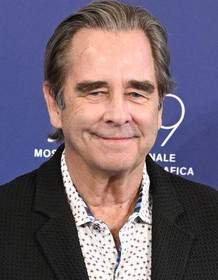
Beau Bridges
Dick Buek
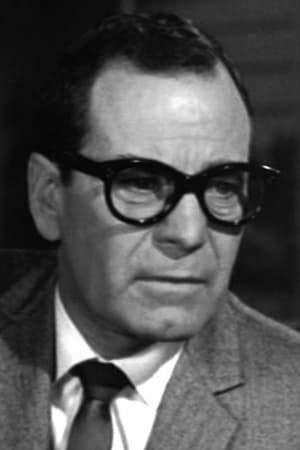
Walter Brooke
Dean
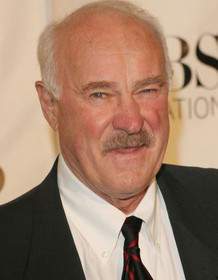
Dabney Coleman
Dave McCoy

Griffin Dunne
Herbie Johnson

Hampton Fancher
Lee Zadroga
Jocelyn Jones
Linda Meyers
Brad Savage
Boy in Wheelchair
Warren Miller
Dr. Enders
Marilyn Hassett
Jill Kinmont
William Bryant
Bill Kinmont
William Roerick
Dr. Pittman
Belinda Montgomery
Audra Jo
Nan Martin
June Kinmont
Dori Brenner
Cookie
Bill Vint
Buddy Werner
Tony Becker
Jerry Kinmont
Greg Mabrey
Bob Kinmont
Robin Pepper
Skeeter Werner
External Links and Streaming Options
Discover where to watch The Other Side of the Mountain online, including streaming platforms, rental options, and official sources. Compare reviews, ratings, and in-depth movie information across sites like IMDb, TMDb, Wikipedia or Letterboxd.




Take the Ultimate The Other Side of the Mountain Movie Quiz
Challenge your knowledge of The Other Side of the Mountain with this fun and interactive movie quiz. Test yourself on key plot points, iconic characters, hidden details, and memorable moments to see how well you really know the film.
The Other Side of the Mountain (1975) Quiz: Test your knowledge of the 1975 film about Jill Kinmont's life, skiing triumphs, and inspiring perseverance.
Who is the main character of the film?
Full Plot Summary and Ending Explained for The Other Side of the Mountain
Read the complete plot summary of The Other Side of the Mountain, including all major events, twists, and the full ending explained in detail. Explore key characters, themes, hidden meanings, and everything you need to understand the story from beginning to end.
[Marilyn Hassett] as Jill Kinmont navigates life from a wheelchair, teaching at a Paiute/Shoshone school in Bishop, California, and building a warm, informal bond with her young students. On a field trip, they ask intimate questions about bathroom needs and whether she has a man in her life, revealing the curious mix of resilience and normalcy she strives to maintain.
Jill looks back to her high school ski days, where she skied alongside her best friend Audra Jo “A. J.” Nicholson, whom Belinda Montgomery plays, and their teammate Linda Meyers. They idolize Dick “Mad Dog” Buek, a fearless thrill-seeker on the slopes, and after reading about him in a magazine, Linda hints at a romance. A pivotal moment comes during a ski race when Jill meets Dick after a fall, and he offers a rough, essential lesson about surrendering to gravity rather than fighting it.
That summer, while Jill and A. J. help run their family’s Rockin’ K guest ranch, Jill watches A. J. suffer a sudden polio diagnosis that lands her in an iron lung, changing both their lives forever. Jill trains with renewed determination, feeling that she is racing for both herself and her friend’s future.
One day Jill and Linda spot Dick’s airplane near Dave McCoy’s home, and after Linda heads to school, Jill joins him on a daredevil flight. Dick, who has little faith in his own worth, confesses that he sees himself as unsuitable for anyone, which Deepens Jill’s resolve to test her own limits.
Back on the slopes that winter, Jill dominates regional slalom events and grows closer to Buddy Werner, her male counterpart on tour, even as romantic tension with Dick lingers. The Snow Cap in Alta, Utah, becomes a stage for both competition and romance as Jill and Buddy push toward a potential Olympic shot in Italy.
Before the crucial race, Dave walks Jill through the Snow Cap course and points out the dangerous Corkscrew turn. Jill notices Andrea “Andy” Mead Lawrence, her main rival, using the Corkscrew cautiously during practice, and she resolves to take it faster to leap ahead. In the final run, disaster strikes: Jill loses control, plunges off a cliff, and is rushed to a Salt Lake City hospital. The medical team diagnoses a broken neck and a severed spinal cord, meaning she will be a quadriplegic for life, though doctors speak of fusion rather than cure.
Her fight continues as she embraces rehabilitation, hoping for movement and a return to teaching. Buddy’s letters comfort her, but a magazine interview and a wave of self-pity darken her resolve. A loss of faith gives way to hard work in a Los Angeles rehab facility, where she regains limited sensation in her hands and arms, and begins to rebuild a sense of purpose.
In a telling moment, Jill stages a bold demonstration for Buddy: she sits in a wheelchair, reaches into a bowl, and with effort lifts a single potato chip into her mouth, a stark reminder that life will not return to the way it was. The scene marks a turning point in her relationship with Buddy and in her acceptance of her new reality. Dick arrives, helps her confront her condition, and, despite his affection, their paths diverge as he promises to build a life with her, a promise tested by distance and tragedy.
Dick later flies her home to Bishop in his plane, where he strafes the marching band to greet her, a dramatic gesture that her family partly welcomes and partly questions. While her mother embraces the support, her father remains wary. Dick’s absence, however, casts a long shadow when Jill later tours a reservation and witnesses deeper poverty and scarce resources for education. Jill’s resolve strengthens as she decides to pursue a teaching certificate and to work directly with the reservation’s children, despite scepticism from some who doubt paraplegics can teach.
Back at school, Jill confronts barriers from a skeptical dean who tells her paraplegics are unacceptable in teaching roles. Undeterred, she applies to the reservation, accepts Dick’s marriage proposal, and prepares for a birthday reunion he never attends. A phone call carries the news that Dick has died in a plane crash, a devastating blow that leaves Jill shattered.
In the present, an Indian student asks if she will ever marry, and Jill answers with a comforting line about luck—the kind of luck Dick once spoke of—before she wheels toward the school with her students at her side, continuing to teach and inspire despite everything she has endured.
“paraplegics are unacceptable.”

Coming soon on iOS and Android
The Plot Explained Mobile App
From blockbusters to hidden gems — dive into movie stories anytime, anywhere. Save your favorites, discover plots faster, and never miss a twist again.
Sign up to be the first to know when we launch. Your email stays private — always.
Explore the mobile appWatch Trailers, Clips & Behind-the-Scenes for The Other Side of the Mountain
Watch official trailers, exclusive clips, cast interviews, and behind-the-scenes footage from The Other Side of the Mountain. Dive deeper into the making of the film, its standout moments, and key production insights.

Unlock the World of Movies with Our Comprehensive Wiki
Dive into our Movie Wiki for in-depth film encyclopedia entries, including cast biographies, production trivia, plot synopses, behind-the-scenes facts, and thematic analyses. Whether you’re researching iconic directors, exploring genre histories, or discovering hidden easter eggs, our expertly curated movie database has everything you need to fuel your cinematic passion.

Quick Links: Summary, Cast, Ratings, More

What's After the Movie?
Not sure whether to stay after the credits? Find out!
Check out our other apps:

SAT Sphere
Build confidence for the Digital SAT.

Mori Atlas
Discover wild places worth protecting.

Luntero
Search smarter for a home in Amsterdam.

Plot Explained
Unravel movie endings and hidden clues.

Pokechamp
Dive into Pokémon data and battle logic.

Driving Theory
Get ready for your European theory test.

Movie Dust
Plan your next cinema trip with ease.

Musemap
Find art and culture as you travel.

Selkobase
Compare credentials before committing.

Local Manual
Turn an unfamiliar country into practical next steps.

Lernavi
Compare school systems before your next move.

GymRoam
Find a workout stop wherever your plans take you.
Explore Our Movie Platform
New Movie Releases (2026)
Famous Movie Actors
Top Film Production Studios
Movie Plot Summaries & Endings
Major Movie Awards & Winners
Best Concert Films & Music Documentaries
Movie Collections and Curated Lists
© 2026 What's After the Movie. All rights reserved.
Privacy Policy