The Occupation of the American Mind 2016


This documentary explores the unusual lack of widespread criticism towards Israeli policies in the United States, despite ongoing military occupation of Palestinian territory and repeated invasions of Gaza. It investigates the extensive pro-Israel public relations campaigns undertaken within the U.S. to shape public opinion and examines the strategies employed to maintain unwavering support. The film provides a revealing look at the complex relationship between Israel and the American public.



Does The Occupation of the American Mind have end credit scenes?
No!
The Occupation of the American Mind does not have end credit scenes. You can leave when the credits roll.
Where to Watch The Occupation of the American Mind
See current US streaming, rental, and purchase options for The Occupation of the American Mind (2016) via JustWatch.








Meet the Full Cast and Actors of The Occupation of the American Mind
Explore the complete cast of The Occupation of the American Mind, including both lead and supporting actors. Learn who plays each character, discover their past roles and achievements, and find out what makes this ensemble cast stand out in the world of film and television.
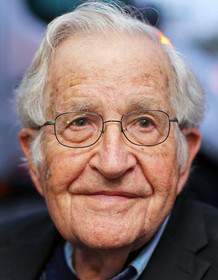
Noam Chomsky
Self - Professor Emeritus, MIT

John Hagee
Self (archive footage)
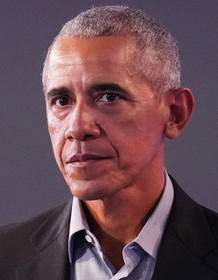
Barack Obama
Self (archive footage)

Ronald Reagan
Self (archive footage)

Donald Trump
Self (archive footage)

John Kerry
Self (archive footage)

Bill O'Reilly
Self (archive footage)
Mike Wallace
Self (archive footage)
Rachel Maddow
Self (archive footage)
Jon Stewart
Self (archive footage)
Amira Hass
Self - Columnist, Haaretz, Israel

Roger Waters
Narrator (voice)
Benjamin Netanyahu
Self (archive footage)
Jon Snow
Self (archive footage)
Hillary Clinton
Self (archive footage)
Sean Hannity
Self (archive footage)
Norman Finkelstein
Self - Author, Method and Madness
Rula Jebreal
Self - Journalist
Yousef Munayyer
Self - US Campaign to End the Israeli Occupation
Peter Hart
Self - National Coalition Against Censorship
Mark Crispin Miller
Self - Professor, New York University
Rami Khouri
Self - Columnist, Daily Star, Beirut
Rashid Khalidi
Self - Professor, Columbia University
Phyllis Bennis
Self - Institute for Policy Studies
Norman Solomon
Self - Institute for Public Accuracy
Max Blumenthal
Self - Journalist
Henry Siegman
Self - Professor, University of London
Stephen Walt
Self - Author, The Israel Lobby & U.S. Foreign Policy
M.J. Rosenberg
Self - Fmr. AIPAC Staff Writer
Abba Eban
Self (archive footage)
Bob Simon
Self (archive footage)
Michael Oren
Self (archive footage)
Marc Lamont Hill
Self (archive footage)
External Links and Streaming Options
Discover where to watch The Occupation of the American Mind online, including streaming platforms, rental options, and official sources. Compare reviews, ratings, and in-depth movie information across sites like IMDb, TMDb, Wikipedia or Rotten Tomatoes.






Take the Ultimate The Occupation of the American Mind Movie Quiz
Challenge your knowledge of The Occupation of the American Mind with this fun and interactive movie quiz. Test yourself on key plot points, iconic characters, hidden details, and memorable moments to see how well you really know the film.
The Occupation of the American Mind Quiz: A 10‑question quiz that tests your understanding of the key facts and themes presented in the documentary "The Occupation of the American Mind" (2016).
In what year was the documentary "The Occupation of the American Mind" released?
Full Plot Summary and Ending Explained for The Occupation of the American Mind
Read the complete plot summary of The Occupation of the American Mind, including all major events, twists, and the full ending explained in detail. Explore key characters, themes, hidden meanings, and everything you need to understand the story from beginning to end.
The Occupation of the American Mind offers a detailed, balanced look at how Israeli actions in Gaza have sparked global demonstrations while the United States continues to lend steadfast support to Israel. The documentary centers on the 2014 Gaza war, presenting the claim that Israel dropped nearly 20,000 tons of explosives over 51 days, resulting in the deaths of more than 2,000 Palestinians and injuring tens of thousands, the vast majority of them civilians. The film weaves in interviews, archival footage, and reportage to paint a picture of a conflict that reverberates far beyond the immediate clash on the ground.
The documentary traces a long-running strategy that it says began after the 1982 Lebanon crisis. It argues that Israel enlisted public-relations strategist Frank Luntz to devise a messaging approach aimed at winning over American audiences who fund the military actions. According to this account, Luntz helped craft a Global Language Dictionary that is said to shape how the Israeli narrative is framed in media and politics. The film suggests that the core tactic is to present Israeli military actions as self-defense, encouraging speakers to emphasize themes of terror rather than territory. The following line from the reporting encapsulates the claimed approach: “Always portray Israeli military action as self-defense. Speakers should focus on terror, not territory.” The documentary further asserts that this media playbook encouraged a saturation of talking points designed to persuade Americans that Palestinians deserved the blows they received, even in the face of global outrage and humanitarian concerns.
Within the film, critics are shown arguing that criticism of Israel is frequently labeled as antisemitic, while those who oppose the occupation are portrayed as betraying their own communities. The narrative includes examples of how certain correspondents are depicted when they question Israeli actions. The documentary also foregrounds the sensational power of media representations, highlighting how sympathy for affected civilians can be overshadowed by strategic framing and partisan reaction. In particular, it points to the reception of certain newsroom critiques, suggesting a pattern in which dissenting voices are marginalized or reframed.
Among the voices featured in the film are Noam Chomsky and Sut Jhally, who contribute critical perspectives on the relationship between media, public opinion, and foreign policy. The documentary also draws on archival footage and commentary from journalists who are presented as having faced backlash for challenging established narratives. For instance, it cites moments when reporters such as Bob Simon or Mike Wallace were described as self-hating Jews for raising questions about Israeli policies on major programs like 60 Minutes. These examples are used to illustrate broader concerns about how scrutiny of Israel can be treated in American media and politics.
A key data point the film cites is a CNN/ORC poll from 2014 showing that about 40 percent of Americans believed Israel was using excessive force against Gaza’s population. The film treats this statistic as evidence of growing public concern and a sign of shifting discourse, even as it notes that the U.S. administration remained supportive. Throughout, the documentary invites viewers to consider how media framing, advocacy, and public sentiment intersect in shaping debates over occupation, security, and human rights.
The Occupation of the American Mind ultimately presents a nuanced exploration of how protests, political power, and media narratives converge to influence perceptions of the Israeli-Palestinian conflict. By weaving together historical context, reported strategies, and firsthand commentary from prominent voices, the film encourages readers to examine the sources of information that inform public opinion and to question how complexities on the ground are translated into simplified, widely disseminated narratives. It remains a thoughtful, provocative meditation on the power of media, protest, and policy in the theater of international affairs.

Coming soon on iOS and Android
The Plot Explained Mobile App
From blockbusters to hidden gems — dive into movie stories anytime, anywhere. Save your favorites, discover plots faster, and never miss a twist again.
Sign up to be the first to know when we launch. Your email stays private — always.
Explore the mobile appWatch Trailers, Clips & Behind-the-Scenes for The Occupation of the American Mind
Watch official trailers, exclusive clips, cast interviews, and behind-the-scenes footage from The Occupation of the American Mind. Dive deeper into the making of the film, its standout moments, and key production insights.
The Occupation of the American Mind Other Names and Titles
Explore the various alternative titles, translations, and other names used for The Occupation of the American Mind across different regions and languages. Understand how the film is marketed and recognized worldwide.
Quick Links: Summary, Cast, Ratings, More

What's After the Movie?
Not sure whether to stay after the credits? Find out!
Check out our other apps:

SAT Sphere
Build confidence for the Digital SAT.

Mori Atlas
Discover wild places worth protecting.

Luntero
Search smarter for a home in Amsterdam.

Plot Explained
Unravel movie endings and hidden clues.

Pokechamp
Dive into Pokémon data and battle logic.

Driving Theory
Get ready for your European theory test.

Movie Dust
Plan your next cinema trip with ease.

Musemap
Find art and culture as you travel.

Selkobase
Compare credentials before committing.

Local Manual
Turn an unfamiliar country into practical next steps.

Lernavi
Compare school systems before your next move.

GymRoam
Find a workout stop wherever your plans take you.
Explore Our Movie Platform
New Movie Releases (2026)
Famous Movie Actors
Top Film Production Studios
Movie Plot Summaries & Endings
Major Movie Awards & Winners
Best Concert Films & Music Documentaries
Movie Collections and Curated Lists
© 2026 What's After the Movie. All rights reserved.
Privacy Policy