
The Occupation of the American Mind 2016

Directed by
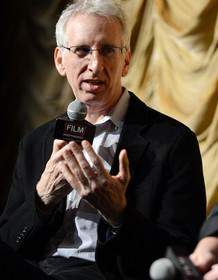
Ben Shapiro
Made by

Media Education Foundation
Where to Watch The Occupation of the American Mind
See current US streaming, rental, and purchase options for The Occupation of the American Mind (2016) via JustWatch.








The Occupation of the American Mind Plot Summary
Read the complete plot summary and ending explained for The Occupation of the American Mind (2016). From turning points to emotional moments, uncover what really happened and why it matters.
The Occupation of the American Mind offers a detailed, balanced look at how Israeli actions in Gaza have sparked global demonstrations while the United States continues to lend steadfast support to Israel. The documentary centers on the 2014 Gaza war, presenting the claim that Israel dropped nearly 20,000 tons of explosives over 51 days, resulting in the deaths of more than 2,000 Palestinians and injuring tens of thousands, the vast majority of them civilians. The film weaves in interviews, archival footage, and reportage to paint a picture of a conflict that reverberates far beyond the immediate clash on the ground.
The documentary traces a long-running strategy that it says began after the 1982 Lebanon crisis. It argues that Israel enlisted public-relations strategist Frank Luntz to devise a messaging approach aimed at winning over American audiences who fund the military actions. According to this account, Luntz helped craft a Global Language Dictionary that is said to shape how the Israeli narrative is framed in media and politics. The film suggests that the core tactic is to present Israeli military actions as self-defense, encouraging speakers to emphasize themes of terror rather than territory. The following line from the reporting encapsulates the claimed approach: “Always portray Israeli military action as self-defense. Speakers should focus on terror, not territory.” The documentary further asserts that this media playbook encouraged a saturation of talking points designed to persuade Americans that Palestinians deserved the blows they received, even in the face of global outrage and humanitarian concerns.
Within the film, critics are shown arguing that criticism of Israel is frequently labeled as antisemitic, while those who oppose the occupation are portrayed as betraying their own communities. The narrative includes examples of how certain correspondents are depicted when they question Israeli actions. The documentary also foregrounds the sensational power of media representations, highlighting how sympathy for affected civilians can be overshadowed by strategic framing and partisan reaction. In particular, it points to the reception of certain newsroom critiques, suggesting a pattern in which dissenting voices are marginalized or reframed.
Among the voices featured in the film are Noam Chomsky and Sut Jhally, who contribute critical perspectives on the relationship between media, public opinion, and foreign policy. The documentary also draws on archival footage and commentary from journalists who are presented as having faced backlash for challenging established narratives. For instance, it cites moments when reporters such as Bob Simon or Mike Wallace were described as self-hating Jews for raising questions about Israeli policies on major programs like 60 Minutes. These examples are used to illustrate broader concerns about how scrutiny of Israel can be treated in American media and politics.
A key data point the film cites is a CNN/ORC poll from 2014 showing that about 40 percent of Americans believed Israel was using excessive force against Gaza’s population. The film treats this statistic as evidence of growing public concern and a sign of shifting discourse, even as it notes that the U.S. administration remained supportive. Throughout, the documentary invites viewers to consider how media framing, advocacy, and public sentiment intersect in shaping debates over occupation, security, and human rights.
The Occupation of the American Mind ultimately presents a nuanced exploration of how protests, political power, and media narratives converge to influence perceptions of the Israeli-Palestinian conflict. By weaving together historical context, reported strategies, and firsthand commentary from prominent voices, the film encourages readers to examine the sources of information that inform public opinion and to question how complexities on the ground are translated into simplified, widely disseminated narratives. It remains a thoughtful, provocative meditation on the power of media, protest, and policy in the theater of international affairs.
The Occupation of the American Mind Timeline
Follow the complete movie timeline of The Occupation of the American Mind (2016) with every major event in chronological order. Great for understanding complex plots and story progression.
Aftermath of 1982 Lebanon crisis spawns a messaging strategy
The film traces a long-running plan that began after the 1982 Lebanon crisis, showing how Israel sought to sway American opinion through targeted messaging. It introduces Frank Luntz as a key figure recruited to craft messages for a global audience of policymakers and donors who fund military actions. The narrative frames this period as the outset of a sustained strategic approach to public communications.
Frank Luntz and the Global Language Dictionary
It explains that Luntz helped craft a global language dictionary to shape how the Israel narrative is framed in media and politics. The film suggests this toolkit influenced speech patterns, headlines, and talking points across outlets. The overall point is that messaging strategies traveled from boardrooms to newsrooms and pundit talk.
Self-defense framing becomes core tactic
Core tactic is to present Israeli actions as self-defense, shifting emphasis to terror rather than territory. The documentary shows speakers urged to keep the narrative focused on threats to Israeli security. The approach is presented as a persistent pattern across years and outlets.
2014 Gaza war and civilian toll
The film centers on the 2014 Gaza war, noting that Israel dropped nearly 20,000 tons of explosives over 51 days, killing more than 2,000 Palestinians and injuring tens of thousands, mostly civilians. It uses archival footage and interviews to depict the scale of devastation and its human impact. The event serves as a focal point for critiques of military action and media framing.
Global demonstrations erupt
The conflict triggers demonstrations around the world, reflecting widespread engagement with the issue and calls for humanitarian considerations. The film situates these protests within broader debates on occupation, security, and rights. The demonstrations illustrate the international reach of the conflict's framing.
U.S. support persists despite outrage
Despite mounting global protests, the United States continues to lend steadfast political and military support to Israel. The documentary contrasts public concern with official backing and aid. This juxtaposition highlights tensions between domestic sentiment and foreign policy.
Media playbook and talking points
The documentary argues that a saturated set of talking points was designed to persuade Americans that Palestinians deserved the blows. It examines how media coverage and public commentary can be shaped by these directives. The result is a perceived mismatch between humanitarian concerns and strategic narratives.
Critics labeled antisemitic; dissent marginalized
The film portrays critics of Israel as frequently labeled antisemitic, while opponents of the occupation are portrayed as betraying their communities. It shows how questioning Israeli actions can be framed as disloyal or unacceptable. This dynamic is presented as a recurring obstacle to open debate.
Journalists under backlash for questioning policy
It cites moments when reporters such as Bob Simon or Mike Wallace were described as self-hating Jews for raising questions about Israeli policies on major programs like 60 Minutes. The film uses these anecdotes to illustrate the risks faced by dissenting voices in American media. The episodes underscore the atmosphere of scrutiny around coverage of Israel.
Prominent voices featured
Noam Chomsky and Sut Jhally contribute critical perspectives on media, public opinion, and foreign policy. Their presence anchors the film's analysis of how narratives are constructed and challenged. The documentary relies on their insights to contextualize media power.
CNN/ORC poll data cited
The film cites a CNN/ORC poll from 2014 showing about 40 percent of Americans believed Israel was using excessive force. It treats this statistic as evidence of growing public concern, even as the U.S. administration remained supportive. The data point is used to illustrate shifts in public discourse.
Media, protests, and policy intersect
Throughout, the film invites viewers to examine how media framing, advocacy, and public sentiment intersect in shaping debates over occupation, security, and human rights. It asks audiences to question sources of information that translate complex events into simplified narratives. The work positions protests and media power as central to foreign policy outcomes.
The Occupation of the American Mind Characters
Explore all characters from The Occupation of the American Mind (2016). Get detailed profiles with their roles, arcs, and key relationships explained.
Noam Chomsky (Self)
As a renowned linguist and public intellectual, Chomsky provides a cutting critique of media, propaganda, and power in the context of the Israeli-Palestinian conflict. He argues that political communications often mask aggression behind narratives of security. His input anchors the film's examination of how information is constructed for public consumption.
Sut Jhally (Self)
Jhally, a professor of communications, analyzes how media industries shape public opinion and foreign policy. He discusses how cultural industries and advertising influence perceptions of conflict and legitimacy of state actions. His commentary emphasizes media literacy and critical scrutiny of journalism.
Bob Simon (Self - archive footage)
Archivist of investigative reporting, Simon is cited as an example of journalists facing backlash for questioning official narratives. The film uses his archival presence to illustrate the friction between journalistic reporting and political pressures. He embodies a tradition of probing questions in major outlets like 60 Minutes.
Mike Wallace (Self - archive footage)
Wallace is referenced as part of the archival news coverage, illustrating how reporters navigated tough questions about Israeli policies and public reception. His presence marks the long-running tension between investigative journalism and political interests. The film uses his legacy to discuss media accountability.
The Occupation of the American Mind Settings
Learn where and when The Occupation of the American Mind (2016) takes place. Explore the film’s settings, era, and how they shape the narrative.
Time period
2014
The events center on the 2014 Gaza war, a 51-day conflict marked by heavy bombardment and civilian casualties. It captures a moment of intense international attention, protests worldwide, and debates over media coverage and U.S. support for Israel. The film situates its analysis within this summer-to-fall timeframe, using archival footage and contemporary reporting to map evolving narratives.
Location
Gaza Strip, Israel, United States
Set against the 2014 Gaza war, the film examines Gaza and Israel as focal points of global protests while the United States largely backs Israel. The narrative frames these locations as arenas where civilian impact, military action, and media coverage collide. The United States, Israel, and Gaza thus serve as the intertwined stage for analysis of power, policy, and public opinion.
The Occupation of the American Mind Themes
Discover the main themes in The Occupation of the American Mind (2016). Analyze the deeper meanings, emotional layers, and social commentary behind the film.
🗣️
Media Framing
The documentary details how messaging strategies shape public perception of Israeli actions as self-defense. It highlights the use of talking points to emphasize terror over territory and to frame the conflict in moral terms. It also shows attempts to manage sympathy for civilians through selective reporting and editorial choices.
📰
Media Control
The film argues that media coverage can be steered by political interests, affecting how audiences understand the conflict. It notes instances where critics are portrayed as anti-Semitic or accused of betraying their communities when challenging official narratives. Archival footage is used to illustrate the tension between journalistic inquiry and institutional pressure.
🌍
Global Discourse
Protests and discussions about Gaza reverberate across borders, showing how international audiences engage with the occupation and humanitarian concerns. The documentary connects U.S. policy, global outrage, and media mechanisms to explain why perceptions diverge. It invites viewers to question how information is produced and disseminated on a worldwide scale.

Coming soon on iOS and Android
The Plot Explained Mobile App
From blockbusters to hidden gems — dive into movie stories anytime, anywhere. Save your favorites, discover plots faster, and never miss a twist again.
Sign up to be the first to know when we launch. Your email stays private — always.
Explore the mobile appThe Occupation of the American Mind Spoiler-Free Summary
Discover the spoiler-free summary of The Occupation of the American Mind (2016). Get a concise overview without any spoilers.
In a world where geopolitical narratives are often shaped behind the scenes, the documentary The Occupation of the American Mind lifts the veil on the subtle forces that guide public perception of a long‑standing conflict. It begins by asking why, despite the weight of distant warfare, a steady current of support persists across an entire nation. The film’s tone is investigative and measured, stitching together archival footage, contemporary interviews, and quiet moments of reflection to reveal a landscape of ideas rather than battlefields.
The centerpiece of this exploration is the voice of Frank Luntz, a seasoned American strategist whose role in crafting a particular lexicon for the conflict is examined with a quiet rigor. Alongside him, scholars such as Sut Jhally and seasoned journalists including Ayman Mohyeldin and Bob Simon appear, each offering a distinct perspective that together forms a mosaic of insight. Their testimonies are presented not as accusations but as clues, hinting at a sophisticated network of messaging that influences how the conflict is framed in the public arena.
The documentary’s world is populated by a cast of analysts, media observers, and policy experts who navigate a delicate balance between empathy and detachment. Their interplay conveys a tone that is both earnest and unsettling, suggesting that the story of public opinion is as contested as any front line. Through careful editing and thoughtful pacing, the film invites viewers to question the origins of the narratives they encounter daily, without veering into overt dramatization.
By focusing on the mechanisms of persuasion rather than the explicit details of the conflict itself, The Occupation of the American Mind offers a compelling look at how language, media, and strategic communication converge to shape collective consciousness, leaving the audience with a lingering sense of curiosity about the unseen hands that guide societal belief.
Featured on this page

What's After the Movie?
Not sure whether to stay after the credits? Find out!
Check out our other apps:

SAT Sphere
Build confidence for the Digital SAT.

Mori Atlas
Discover wild places worth protecting.

Luntero
Search smarter for a home in Amsterdam.

Plot Explained
Unravel movie endings and hidden clues.

Pokechamp
Dive into Pokémon data and battle logic.

Driving Theory
Get ready for your European theory test.

Movie Dust
Plan your next cinema trip with ease.

Musemap
Find art and culture as you travel.

Selkobase
Compare credentials before committing.

Local Manual
Turn an unfamiliar country into practical next steps.

Lernavi
Compare school systems before your next move.

GymRoam
Find a workout stop wherever your plans take you.
Explore Our Movie Platform
New Movie Releases (2026)
Famous Movie Actors
Top Film Production Studios
Movie Plot Summaries & Endings
Major Movie Awards & Winners
Best Concert Films & Music Documentaries
Movie Collections and Curated Lists
© 2026 What's After the Movie. All rights reserved.
Privacy Policy