The Last Supper 1995


Love, sex, life and death circle a house where every desire is laid bare. A group of idealistic yet frustrated liberals, tired of their impotence, plot to murder right‑wing pundits whose views they despise, revealing how political zeal can blur the line between conviction and murder.


Does The Last Supper have end credit scenes?
No!
The Last Supper does not have end credit scenes. You can leave when the credits roll.
Meet the Full Cast and Actors of The Last Supper
Explore the complete cast of The Last Supper, including both lead and supporting actors. Learn who plays each character, discover their past roles and achievements, and find out what makes this ensemble cast stand out in the world of film and television.

Ron Perlman
Norman Arbuthnot
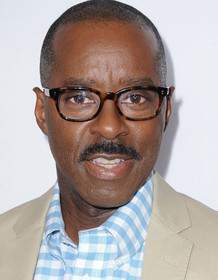
Courtney B. Vance
Luke

Cameron Diaz
Jude

Mark Harmon
Dominant Male

Bill Paxton
Zachary Cody
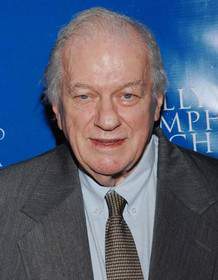
Charles Durning
Reverend Gerald Hutchens

Annabeth Gish
Paulie

Elisabeth Moss
Jenny Tyler
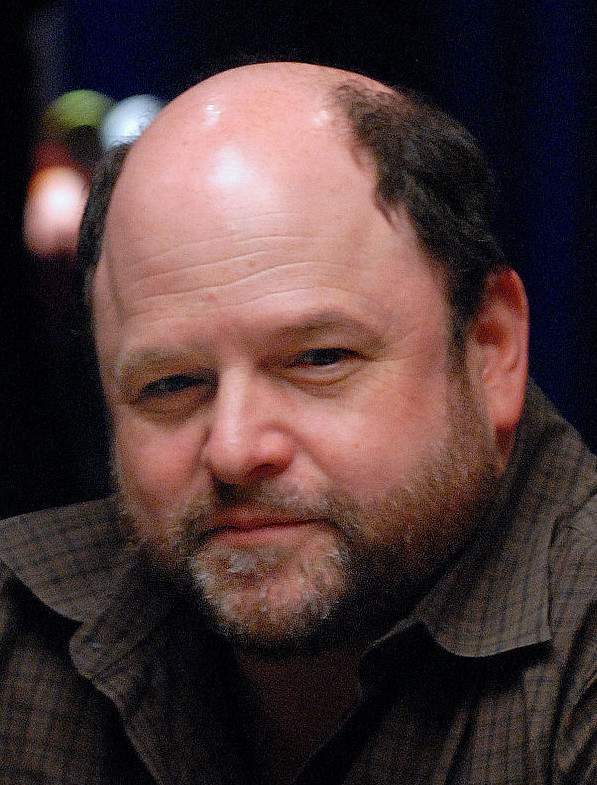
Jason Alexander
Anti-Enviroment

Ron Eldard
Pete

Nora Dunn
Sheriff Alice Stanley

Jonathan Penner
Marc
Rachel Chagall
Abortion Activist
Nicholas Sadler
Homeless Basher
Amber Taylor
Girl in Coffee Shop
Frederick Lawrence
Skin Head
Amy Hill
Illegal Alien Hater
Warren Hutcherson
Nation Man
Matt Cooper
Jerk in Coffee Shop
Gil Segel
Iowa Resident at Door
Stephen Welch
Tow Truck Guy
Bryn Erin
Heather
Carly Weber
Young Jude
Pamela Gien
Illiterate Librarian
Larry Weinberg
Businessman with White Socks
External Links and Streaming Options
Discover where to watch The Last Supper online, including streaming platforms, rental options, and official sources. Compare reviews, ratings, and in-depth movie information across sites like IMDb, TMDb, Wikipedia or Rotten Tomatoes.








Take the Ultimate The Last Supper Movie Quiz
Challenge your knowledge of The Last Supper with this fun and interactive movie quiz. Test yourself on key plot points, iconic characters, hidden details, and memorable moments to see how well you really know the film.
The Last Supper (1995) Quiz: Test your knowledge of the 1995 film *The Last Supper*, covering characters, plot twists, and thematic elements.
Which graduate student studies psychology?
Full Plot Summary and Ending Explained for The Last Supper
Read the complete plot summary of The Last Supper, including all major events, twists, and the full ending explained in detail. Explore key characters, themes, hidden meanings, and everything you need to understand the story from beginning to end.
The five grad students Jude [Cameron Diaz], Pete [Ron Eldard], Paulie [Annabeth Gish], Marc [Jonathan Penner], and Luke [Courtney B. Vance] live together in a house in Iowa, each pursuing distinct fields: Jude studies psychology, Pete is a law student from a wealthy family, Paulie works in social studies, Marc is an aspiring painter, and Luke is completing a doctorate in political science. After Bill Paxton as Zack, a Desert Storm veteran and truck driver, helps move Pete’s car, the group invites him to dinner at their home. Zack’s presence quickly unsettles the evening as he reveals raw bigotry, xenophobia, and Holocaust-denying sentiments, praising Adolf Hitler and sparking a tense political debate with the liberal-leaning students.
The argument grows dangerous as Zack’s temper erupts: he menaces Marc with a knife, threatening to kill him and rape Paulie. Zack releases Marc, and Pete responds by grabbing a knife himself, only to be easily incapacitated and have his arm broken. After Zack finally lets Pete go, Marc fatally stabs Zack in the back, and the group agrees to cover up the murder. Paulie laments that Zack is dead even though he had threatened her, and the night spirals into a brutal witness to the fragility of moral boundaries.
From that moment, the students rationalize a chilling plan: they will invite other conservatives to dinner with the aim of murdering them if they refuse to recant their beliefs. They formalize a procedure for each guest. The guest is given every chance to reconsider his or her stance; if recantation fails by dessert, the guest is served poisoned wine from a distinctive blue decanter and toasts are made. The bodies are buried in the vegetable garden, a seemingly clean solution to an escalating problem. The guests range from a homophobic protestant reverend to a misogynistic rape apologist, a Neo-Nazi, an anti-environmentalist, a racist, anti-Semitic Nation of Islam adherent, an anti-abortion activist, a censorship advocate, and a man who beats homeless people. Some of these grim figures are represented on screen by actors like Charles Durning as Reverend Gerald Hutchens, Jason Alexander as Anti-Enviroment, Warren Hutcherson as Nation Man, Rachel Chagall as Abortion Activist, and Nicholas Sadler as Homeless Basher. The group’s escalating violence begins to fracture their previously close, collegiate bonds as infighting and guilt take hold.
As misgivings surface, a few members grow hesitant about the justification for murder, and they spare a teenage opponent of mandatory sex education, despite Luke and Pete’s protests. The escalating tension is interrupted by Sheriff Alice Stanley, Nora Dunn, who investigates the disappearance of Jenny Tyler, a case that balloons into suspicion around the dinner guests themselves. Jenny Tyler, Elisabeth Moss, becomes a focal point as the sheriff questions Pete, Marc, and Paulie, and she ultimately trespasses into the students’ backyard, prompting Luke’s increasingly unhinged descent to violence, culminating in the sheriff’s murder at his hands.
During a school break, Luke and Pete cross paths with the famous conservative pundit Norman Arbuthnot, a recurring television presence, and Ron Perlman is brought into the story as the formidable figure who runs into their circle. The two friends invite him to dinner, hoping to unmask him in a debate. Norman’s calm, persuasive style unsettles the group; his measured arguments challenge their usual talking points, and he candidly admits that he sometimes adopts more extreme views merely for attention. The five students retreat to the kitchen to determine Norman’s fate, and during the exchange Jude warns that the wine in the blue decanter has gone bad. In a tense moment, Luke contends with Norman, but is ultimately dissuaded from violence and breaks down into tears.
In the dining room, Norman studies the home and the group’s recent murders with a calculating eye. He refuses to drink, but offers a toast to “the people’s will” while displaying a casual confidence in his own self-control. The scene culminates in a stark, cruel irony: Norman does not drink the wine, and the film’s final image lingers on a painting of the five students collapsed on the floor, with Norman standing beside the blue bottle, cigar in hand. The closing audio follows Norman’s speculative talk of a possible presidential bid, suggesting a chilling optimism about wielding power to shape society, and leaving viewers with a final, unsettling question about where ideological extremism can lead when confronted with indifference or rationalization. > Dont worry, I didn’t pour any of the bad wine.

Coming soon on iOS and Android
The Plot Explained Mobile App
From blockbusters to hidden gems — dive into movie stories anytime, anywhere. Save your favorites, discover plots faster, and never miss a twist again.
Sign up to be the first to know when we launch. Your email stays private — always.
Explore the mobile appWatch Trailers, Clips & Behind-the-Scenes for The Last Supper
Watch official trailers, exclusive clips, cast interviews, and behind-the-scenes footage from The Last Supper. Dive deeper into the making of the film, its standout moments, and key production insights.
Cars Featured in The Last Supper
Explore all cars featured in The Last Supper, including their makes, models, scenes they appear in, and their significance to the plot. A must-read for car enthusiasts and movie buffs alike.
The Last Supper Themes and Keywords
Discover the central themes, ideas, and keywords that define the movie’s story, tone, and message. Analyze the film’s deeper meanings, genre influences, and recurring concepts.
The Last Supper Other Names and Titles
Explore the various alternative titles, translations, and other names used for The Last Supper across different regions and languages. Understand how the film is marketed and recognized worldwide.
Similar Movies To The Last Supper You Should Know About
Browse a curated list of movies similar in genre, tone, characters, or story structure. Discover new titles like the one you're watching, perfect for fans of related plots, vibes, or cinematic styles.


Quick Links: Summary, Cast, Ratings, More

What's After the Movie?
Not sure whether to stay after the credits? Find out!
Check out our other apps:

SAT Sphere
Build confidence for the Digital SAT.

Mori Atlas
Discover wild places worth protecting.

Luntero
Search smarter for a home in Amsterdam.

Plot Explained
Unravel movie endings and hidden clues.

Pokechamp
Dive into Pokémon data and battle logic.

Driving Theory
Get ready for your European theory test.

Movie Dust
Plan your next cinema trip with ease.

Musemap
Find art and culture as you travel.

Selkobase
Compare credentials before committing.

Local Manual
Turn an unfamiliar country into practical next steps.

Lernavi
Compare school systems before your next move.

GymRoam
Find a workout stop wherever your plans take you.
Explore Our Movie Platform
New Movie Releases (2026)
Famous Movie Actors
Top Film Production Studios
Movie Plot Summaries & Endings
Major Movie Awards & Winners
Best Concert Films & Music Documentaries
Movie Collections and Curated Lists
© 2026 What's After the Movie. All rights reserved.
Privacy Policy