
The Last Executioner (2014): Cast & Plot

The Last Executioner is a 2014 crime drama directed by Tom Waller, starring Vithaya Pansringarm as Chavoret, Duangjai Hiransri and Saichia Wongwirot. It runs 1 hour 35 minutes.
- Released
- Runtime
- 1h 35m (95 min)
- Director
- Tom Waller
- Original language
-
 Thai
Thai - Studio
- Tiger Productions
- After the credits
- No No extra scene
What Is The Last Executioner About?
The premise of The Last Executioner without spoilers. The whole story is in the plot summary further down.
Inspired by true events, this film tells the story of Chavoret Jaruboon, the last executioner in Thailand. A former rock musician with a passion for Elvis, he took the position to provide for his family. Haunted by the lives he took, Chavoret grappled with the moral conflict between his love for his family and the burden of his actions, constantly seeking to reconcile the good and bad karma that resulted from his decisions.
The Last Executioner Cast & Characters
Vithaya Pansringarm leads the cast as Chavoret, with Duangjai Hiransri as Duangjai and Saichia Wongwirot as Duangjai's Boyfriend. Directed by Tom Waller; 13 actors are credited in all.
- Director Tom Waller
-
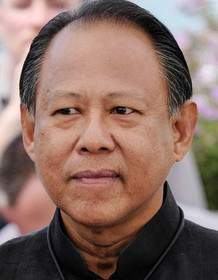 Vithaya Pansringarm as Chavoret
 - Duangjai Hiransri as Duangjai
- Saichia Wongwirot as Duangjai's Boyfriend
- Penpak Sirikul as Tew
Also Starring in The Last Executioner
· 9 more- Jaran Petcharoen The Abbot
- David Asavanond The Spirit
- Boonsri Yindee Neighbour
- Wipawee Charoenpura Fortune Teller
- Thira Chutikul Young Chavoret
- Pisan Akaraseranee Minister of Justice
- Amara Asavananda TV Show Celebrity Guest
- Suchada Rojmanothum Young Tew
- Tanyarat Pradittan Chulee
The Last Executioner Plot Summary
What happens in The Last Executioner from start to finish, spoilers included, with a timeline of 12 key events. The opening is below; the full summary is a 4-minute read.
Spoilers ahead
The Last Executioner is a thoughtful Thai-English biopic directed by Tom Waller that follows the life of Chavoret Jaruboon [Vithaya Pansringarm]—the nation’s last executioner in a culture rooted in Buddhism—and the paradoxes that haunt him as he moves from a youth spent chasing rock-and-roll dreams to a rigid role enforcing the state’s death sentences. The film roots its tension in a striking duality: a man who strums guitar strings for pennies among G.I.s must one day pull a trigger, ending lives in a way that weighs on his conscience and spirit.
Full summary
The whole story of The Last Executioner, scene by scene
How Well Do You Know The Last Executioner?
10 questions about the story, each with a hint if you get stuck. Pick an answer to see whether you were right.
Question 1 of 10
- Question 1: not answered
- Question 2: not answered
- Question 3: not answered
- Question 4: not answered
- Question 5: not answered
- Question 6: not answered
- Question 7: not answered
- Question 8: not answered
- Question 9: not answered
- Question 10: not answered
In which country does 'The Last Executioner' take place?
The Last Executioner Also Known As
2 alternative titles: “Petchakat” and “התליין האחרון”.
- Also known as
-
- Petchakat
- התליין האחרון
Seen The Last Executioner?
The Last Executioner FAQ: Cast, Runtime & Release Date
Runtime, release date, director, cast, post-credit scenes and language of The Last Executioner, each answered in a sentence.
How long is The Last Executioner?
The Last Executioner runs 1 hour 35 minutes (95 minutes).
When was The Last Executioner released?
The Last Executioner was released on July 3, 2014.
Who directed The Last Executioner?
The Last Executioner was directed by Tom Waller.
More films by Tom Waller Who is in the cast of The Last Executioner?
The Last Executioner stars Vithaya Pansringarm as Chavoret, Duangjai Hiransri as Duangjai and Saichia Wongwirot as Duangjai's Boyfriend, among 13 credited actors.
Does The Last Executioner have a post-credit scene?
No. The Last Executioner has no extra scene during or after the credits.
What language is The Last Executioner in?
The original language of The Last Executioner is Thai.
Coming soon to your phone
The Plot Explained Movie Summary App
From blockbusters to hidden gems: plot summaries, endings explained and timelines on your phone. Save your favorites and never miss a twist again.
Be the first to know when it launches. Your email stays private, always. Learn more about the app
