The Horseman on the Roof 1995


In a time of war and disease, a young officer gallantly tries to help a young woman find her husband.


Does The Horseman on the Roof have end credit scenes?
No!
The Horseman on the Roof does not have end credit scenes. You can leave when the credits roll.
Meet the Full Cast and Actors of The Horseman on the Roof
Explore the complete cast of The Horseman on the Roof, including both lead and supporting actors. Learn who plays each character, discover their past roles and achievements, and find out what makes this ensemble cast stand out in the world of film and television.

Juliette Binoche
Pauline de Théus
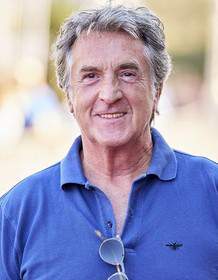
François Cluzet
Doctor

Patrick Médioni
Austrian agent

Gérard Depardieu
Police commissioner of Manosque
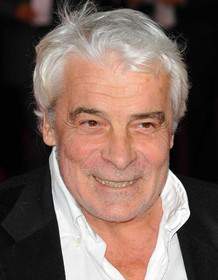
Jacques Weber
Epilogue narrator

Richard Sammel
Franz
Carlo Cecchi
Giuseppe
Hervé Pierre
Brigadier Maugin
Julien Rivière
Isabelle Carré
Governess
Pierre Arditi
Monsieur Peyrolle
Yolande Moreau
Madame Rigoard
Stéphane Boucher
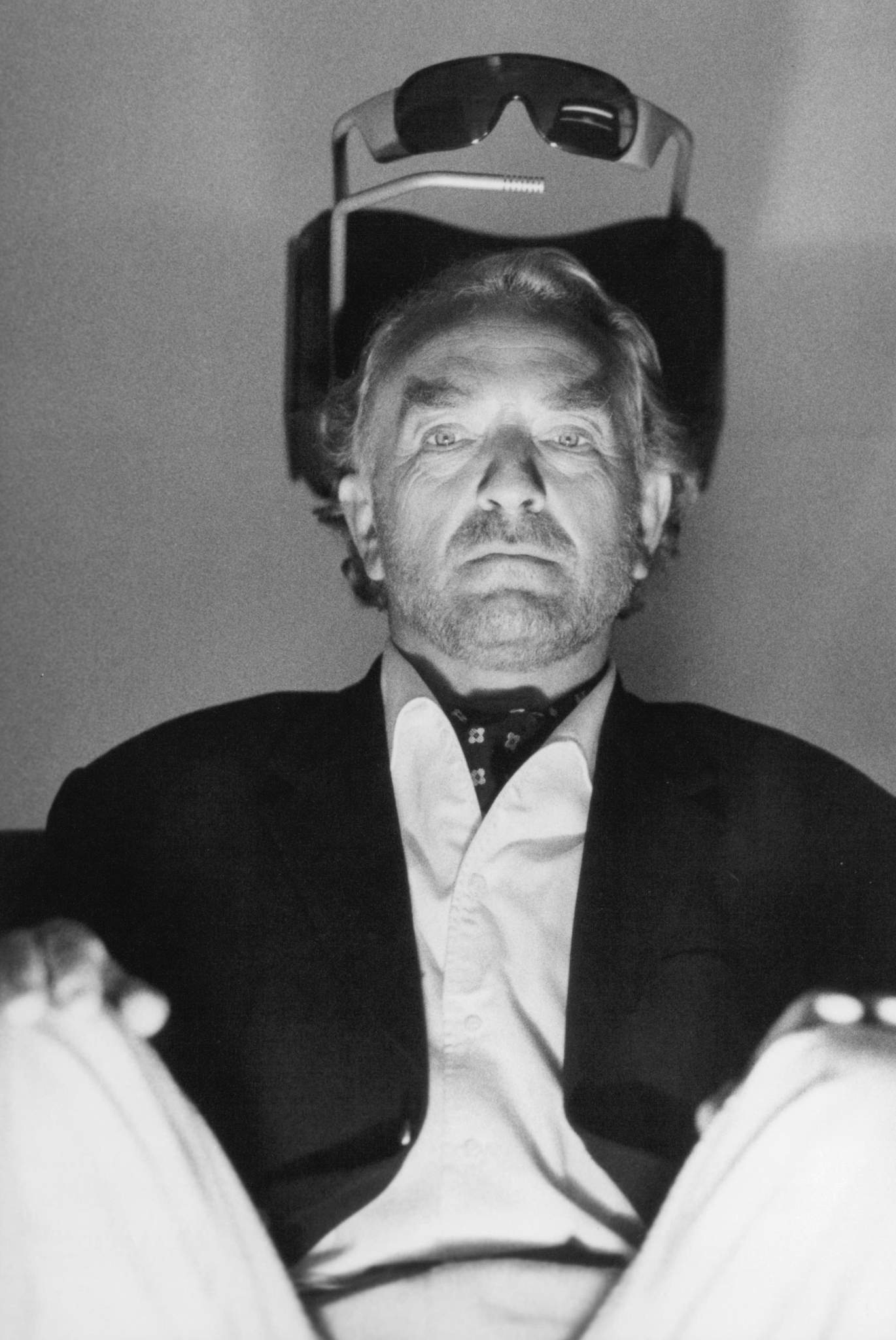
Paul Freeman
Laurent de Théus

Olivier Martinez
Colonel Angelo Pardi
Jean Yanne
Hawker
Jean-Marie Winling
Alexandre Petit
Laurence Cormerais
(uncredited)
Gérard Dubouche
Blacksmith
Lionel Robert
Excited man
Laura Marinoni
Carla
Claudio Amendola
Maggionari
Nathalie Krebs
Madame Barthelemy
Christophe Odent
Monsieur Barthelemy
Elisabeth Margoni
Farmer's Wife
Daniel Russo
Maître Rigoard
Jean-Paul Rappeneau
Joëlle Sevilla
Religious Woman
Yves Pujol
Philippe Guégan
Austrian agent
Christophe Le Masne
Martial, valet
Georges Neri
Old harvester
Jacques Pater
Militiaman
Henriette Palazzi
Fugitive
Anne-Marie Ponsot
Jean-Michel Fête
Jacques Sereys
Old man
Michel Cordes
Sergeant
Michel Carliez
Man With the Sabre (uncredited)
Marie Albe
Eric Debrosse
Soldier
Norbert Daverio
Christiane Cohendy
Madame Peyrolle
Robert Lucibello
Man in the apron
Christine Paolini
Jean-Claude Dumas
Harvester
Didier Bourguignon
Cholera sufferer
Bruno Cécillon
Bourgeois
Frédérique Ruchaud
Madame Marquerite
Alexis Nitzer
Hysterical man
Dany Castaing
Fugitive
Roselyne Vuillaume
Yvonne Gamy
Grandmother
Florence Hautier
Isabelle Dangerfield
Dominique Noé
Tony Lemiere
Adrien Peyrolle
Antonin Lebas-Joly
Edmond as a child
Michel Bellier
Fugitive
Michèle Addala
Alain Aparis
Alice Aniel
Alain Bauguil
Peasant in the trap
Gérard Bayle
Owner of the forge
Béatrice Bertrand
Denise Boulet
Françoise Blanc
Lucienne
Brigitte Canaan
Denise
Jocelyne Carmichael
Harpy
Viviane Cayol
Sick lady
Paul Chevillard
Giacomo
Christian David
René-André Fernández
Militiaman
Christian Garde
Philippe Gleyze
Azur Guillier
Camille, little girl
Michel Hulot
Jean-Paul Journot
Harvester
Gérard Lacombe
Inn owner
Suzy Lorraine
Claire Massabo
Madame Terrasson
Claude Mismaque
Jean-François Pagès
Austrian agent
Serge Pauthe
Police station employee
Christophe Pierrot
Jacob Reymond
Dr. Arnoux
Pascal Rozand
Young man on the farm
Norbert Sammut
Fugitive
Désiré Saorin
Blacksmith
Jean-Pierre de Tugny
Celita Villar
Lady at the window
Fany Watier
Fugitive
Alain Zaepffel
External Links and Streaming Options
Discover where to watch The Horseman on the Roof online, including streaming platforms, rental options, and official sources. Compare reviews, ratings, and in-depth movie information across sites like IMDb, TMDb, Wikipedia or Rotten Tomatoes.






Take the Ultimate The Horseman on the Roof Movie Quiz
Challenge your knowledge of The Horseman on the Roof with this fun and interactive movie quiz. Test yourself on key plot points, iconic characters, hidden details, and memorable moments to see how well you really know the film.
The Horseman on the Roof (1995) Quiz: Test your knowledge of the 1995 historical drama "The Horseman on the Roof" with these ten multiple‑choice questions ranging from easy to challenging.
Which actress portrays Countess Pauline de Théus?
Full Plot Summary and Ending Explained for The Horseman on the Roof
Read the complete plot summary of The Horseman on the Roof, including all major events, twists, and the full ending explained in detail. Explore key characters, themes, hidden meanings, and everything you need to understand the story from beginning to end.
In July 1832, a band of Italian patriots taking shelter in Aix, France, faces a bitter betrayal when one of their own exposes them to Austrian agents. The tragedy claims Giacomo, who is dragged away and executed, while his wife races to warn a friend who can help: Angelo Pardi, a young Italian nobleman in France secretly raising funds for the revolution against the Austrian Empire. As the agents close in on his apartment, Angelo slips into the countryside, driven by a fierce resolve to fight for his homeland.
Across the countryside, in Meyrargues, Angelo searches for his compatriot and childhood ally, Maggionari, and writes a heartfelt note to his mother confessing how often he flees with little chance to demonstrate his mettle. The letter reveals a man who has only imagined combat, for his mother bought his commission as a colonel in the Piedmont Hussars, a rank he has yet to prove on the field. When the Austrian agents descend, Angelo resists them with grit, delivering blows and escaping back into the open country.
The following day, Angelo traverses a village scarred by a raging cholera epidemic. The sight of abandoned corpses and the eerie quiet of burned funeral pyres fills him with a grim sense of mortality. He receives practical care from a country physician who instructs him in how to treat cholera victims by rubbing alcohol into the skin. Moving north, he passes through more plague-ridden towns and encounters a compassionate young woman who travels with two children and offers him a copy of Rinaldo and Armida as a parting gift before he continues toward Manosque.
In Manosque, Angelo is seized by a paranoid mob who accuse him of poisoning a fountain. He is taken to the authorities, who abandon their posts in fear, and he searches for a fellow patriot only to collide with Austrian agents once more. He fights his way through the hysterical crowd, leaping across rooftops and evading capture, until he finally witnesses the agents pursued and beaten, and later sees piles of corpses burned in the night.
Seeking shelter from the rain, Angelo is discovered by Countess Pauline de Théus, Pauline de Théus who offers him food and safety. He explains himself as a gentleman, and when the morning comes, she has vanished. He joins the town’s forced evacuation, and soon discovers a fellow compatriot, Giuseppe, who is in possession of money raised for the resistance but blocked by quarantine and roadblocks. Angelo agrees to deliver the funds to Milan by backroads, and in a twist of fate, confronts Maggionari again, who tries to kill him before succumbing to cholera.
The couple’s paths cross again as Pauline reappears, and she accompanies Angelo on a daring river escape. Their journey leads them north toward a castle near Gap, rather than east toward the Italian frontier. Angelo insists this mission is his duty, and the pair bond as they move through country lanes and plague-ridden towns, all the while avoiding capture and maintaining their resolve. When asked about his family, Angelo reveals that he was never certain of his father; “He came to Italy with Napoleon, then left,” he says, and much of what he learned came from his mother.
As night falls, they seek shelter in a modest, ruined mansion and warm themselves by the fireplace. Pauline lays bare her own history, recounting the moment she met her husband—forty years her senior—a Count—after nursing him back from a near-fatal wound. He recovered, left without revealing his identity, and later returned to ask for her hand, a tale that heightens the couple’s evolving trust.
Despite the growing tenderness between them, Angelo remains steadfast as a gentleman. Pauline decides to stay with him through the night, and as she climbs a staircase, she collapses from cholera symptoms. Angelo rushes to her aid, stripping away the damp clothing and applying alcohol to her skin to keep her alive through the night. By morning, Pauline’s frail but steadfast touch reassures him, and they resume their march toward her castle at Théus.
Their path runs through a heavily guarded village where they learn that Pauline’s husband has returned to Manosque to search for her. Pauline leaves to reunite with him, and Angelo follows, only to witness her capture by militia and confinement in a quarantined convent. Knowing she would perish there, Angelo surrenders to the militia to rescue her, and together they orchestrate a dramatic escape by setting the convent ablaze. Impressed by his courage and intellect, Pauline declares her trust in him, saying, “I’ll obey you like a soldier,” and their bond intensifies as they press on toward the castle.
A night of shelter in a rain-soaked ruin deepens their connection, with Angelo protecting Pauline as they share wine and warmth by the fire. Pauline reveals how she first met her husband and why she chose to trust him, while Angelo remains a steadfast, gallant presence. The couple eventually reach the castle at Théus, where they are met by Count Laurent de Théus, Pauline’s husband, and Angelo departs to return to Italy to continue the revolution.
One year passes, and Pauline returns to Aix, where the cholera’s toll lingers. She searches in vain for the old house near the Bishop’s Palace, then another year goes by before she receives a letter from Angelo at a distant castle. She walks alone to read it, while the Count watches from a window, knowing that Angelo’s memory will endure. The final image lingers on Pauline looking east toward the snow-dusted Alps—toward the Italian frontier and the memory of Colonel Angelo Pardi, the young officer who once saved her life.

Coming soon on iOS and Android
The Plot Explained Mobile App
From blockbusters to hidden gems — dive into movie stories anytime, anywhere. Save your favorites, discover plots faster, and never miss a twist again.
Sign up to be the first to know when we launch. Your email stays private — always.
Explore the mobile appDiscover Film Music Concerts Near You – Live Orchestras Performing Iconic Movie Soundtracks
Immerse yourself in the magic of cinema with live orchestral performances of your favorite film scores. From sweeping Hollywood blockbusters and animated classics to epic fantasy soundtracks, our curated listings connect you to upcoming film music events worldwide.
Explore concert film screenings paired with full orchestra concerts, read detailed event information, and secure your tickets for unforgettable evenings celebrating legendary composers like John Williams, Hans Zimmer, and more.


The Horseman on the Roof Themes and Keywords
Discover the central themes, ideas, and keywords that define the movie’s story, tone, and message. Analyze the film’s deeper meanings, genre influences, and recurring concepts.
The Horseman on the Roof Other Names and Titles
Explore the various alternative titles, translations, and other names used for The Horseman on the Roof across different regions and languages. Understand how the film is marketed and recognized worldwide.
Similar Movies To The Horseman on the Roof You Should Know About
Browse a curated list of movies similar in genre, tone, characters, or story structure. Discover new titles like the one you're watching, perfect for fans of related plots, vibes, or cinematic styles.



Quick Links: Summary, Cast, Ratings, More

What's After the Movie?
Not sure whether to stay after the credits? Find out!
Check out our other apps:

SAT Sphere
Build confidence for the Digital SAT.

Mori Atlas
Discover wild places worth protecting.

Luntero
Search smarter for a home in Amsterdam.

Plot Explained
Unravel movie endings and hidden clues.

Pokechamp
Dive into Pokémon data and battle logic.

Driving Theory
Get ready for your European theory test.

Movie Dust
Plan your next cinema trip with ease.

Musemap
Find art and culture as you travel.

Selkobase
Compare credentials before committing.

Local Manual
Turn an unfamiliar country into practical next steps.

Lernavi
Compare school systems before your next move.

GymRoam
Find a workout stop wherever your plans take you.
Explore Our Movie Platform
New Movie Releases (2026)
Famous Movie Actors
Top Film Production Studios
Movie Plot Summaries & Endings
Major Movie Awards & Winners
Best Concert Films & Music Documentaries
Movie Collections and Curated Lists
© 2026 What's After the Movie. All rights reserved.
Privacy Policy