
The Great Commandment (1939): Cast & Plot
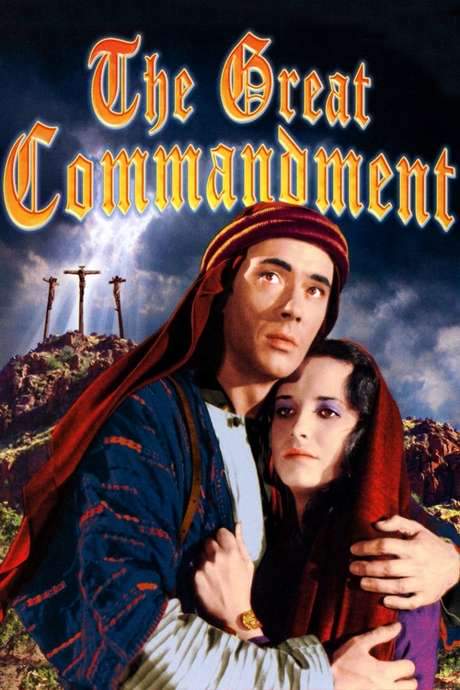
The Great Commandment is a 1939 drama starring Lester Sharpe as First Zealot, John Beal and Albert Dekker. It runs 1 hour 18 minutes.
- Released
- Runtime
- 1h 18m (78 min)
- Genre
- Drama
- Original language
-
 English
 - Studio
- Cathedral Films
- After the credits
- No No extra scene
What Is The Great Commandment About?
The premise of The Great Commandment without spoilers. The whole story is in the plot summary further down.
Portrays the conversion to Christianity of a young Zealot, Joel, and the Roman soldier Longinus through the teachings of Jesus in his Parable of the Good Samaritan.
The Great Commandment Themes & Keywords
· 5 tags- longinus
- christianity
- christian film
- 1st century
- religion
The Great Commandment Cast & Characters
Lester Sharpe leads the cast as First Zealot, with John Beal as Joel and Albert Dekker as Longinus.
- Lester Sharpe as First Zealot
- John Beal as Joel
- Albert Dekker as Longinus
- Albert Spehr as Second Zealot
Also Starring in The Great Commandment
· 21 more- Maurice Moscovitch Lamech
- Lloyd Corrigan Jemuel
- Marjorie Cooley Tamar
- Warren McCollum Zadok
- Irving Pichel Jesus Christ (voice)
- Harold Minjir Andrew
- Marc Loebell Judas
- Olaf Hytten Nathan
- Ian Wolfe Tax Collector
- John Abbott Starving Begger
- John Merton Under-Officer
- Stanley Price Second Elder
- Belle Mitchell Jemuel's Wife
- Max Davidson Old Man
- Perry Ivins First Elder
- Rose Plumer Townswoman
Show all 25 cast members Show fewer cast members
- George Rosener Merchant
- D'Arcy Corrigan Blind Man
- Evelyn Selbie Townswoman
- Earl Gunn Wounded Man
- Anthony Marlowe Singer
The Great Commandment Plot Summary
What happens in The Great Commandment from start to finish, spoilers included, with a timeline of 14 key events. The opening is below; the full summary is a 4-minute read.
Spoilers ahead
Joel John Beal is the elder son of the village rabbi Lamech Maurice Moscovitch, raised to follow in his father’s scholarly footsteps as a scribe and rabbi. Yet Joel harbors a secret allegiance to a more active form of resistance, leading a cadre of zealots who believe that faith must be matched with action to free their nation. He is also secretly in love with Tamar Marjorie Cooley, the daughter of the carpet merchant Jemuel Lloyd Corrigan. Joel overhears Lamech discuss Tamar’s marriage to one of his sons, only to learn that the intended groom is his younger brother Zadok Warren McCollum, a bold, impulsive zealot.
Full summary
The whole story of The Great Commandment, scene by scene
How Well Do You Know The Great Commandment?
10 questions about the story, each with a hint if you get stuck. Pick an answer to see whether you were right.
Question 1 of 10
- Question 1: not answered
- Question 2: not answered
- Question 3: not answered
- Question 4: not answered
- Question 5: not answered
- Question 6: not answered
- Question 7: not answered
- Question 8: not answered
- Question 9: not answered
- Question 10: not answered
Who is the elder son of the village rabbi Lamech?
Seen The Great Commandment?
Movies Like The Great Commandment
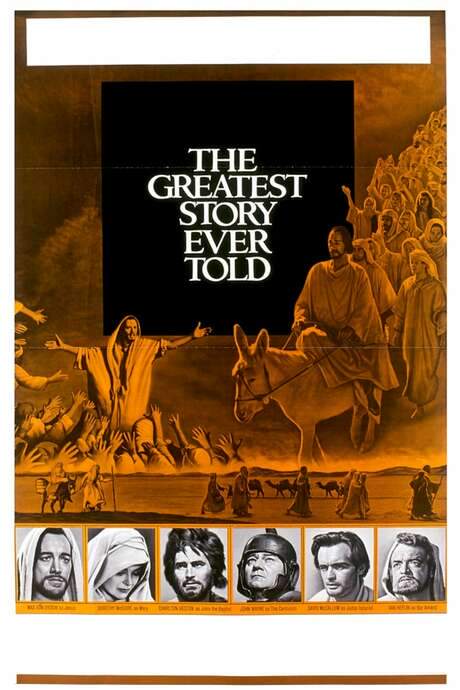
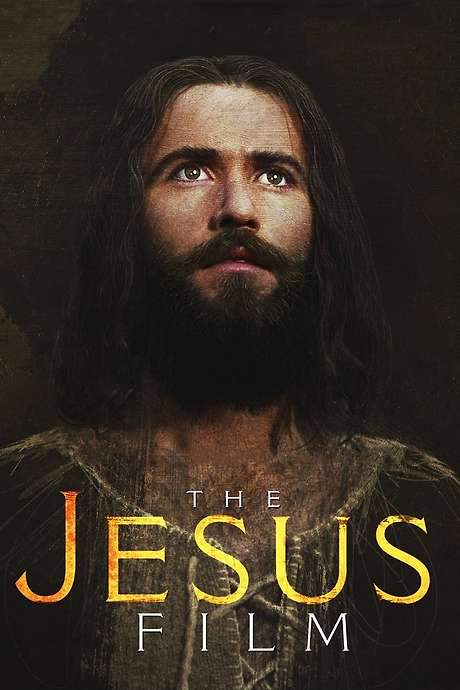
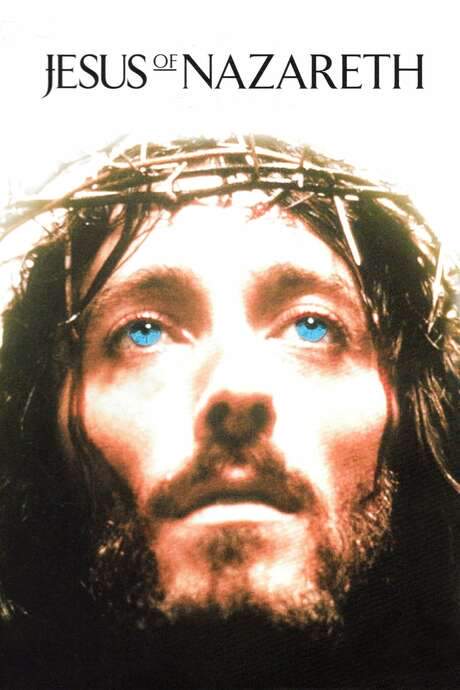
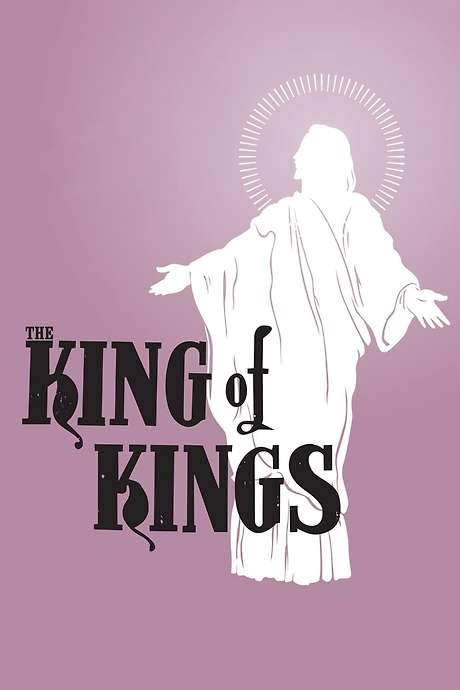
Films with a similar story, tone or audience, including Son of God, The Ten Commandments and The Robe.

The Great Commandment FAQ: Cast, Runtime & Release Date
Runtime, release date, cast and post-credit scenes of The Great Commandment, each answered in a sentence.
How long is The Great Commandment?
The Great Commandment runs 1 hour 18 minutes (78 minutes).
When was The Great Commandment released?
The Great Commandment was released on October 2, 1939.
Who is in the cast of The Great Commandment?
The Great Commandment stars Lester Sharpe as First Zealot, John Beal as Joel and Albert Dekker as Longinus, among 25 credited actors.
Does The Great Commandment have a post-credit scene?
No. The Great Commandment has no extra scene during or after the credits.
Coming soon to your phone
The Plot Explained Movie Summary App
From blockbusters to hidden gems: plot summaries, endings explained and timelines on your phone. Save your favorites and never miss a twist again.
Be the first to know when it launches. Your email stays private, always. Learn more about the app
