The Discreet Charm of the Bourgeoisie 1972



Luis Buñuel’s deliciously satiric masterpiece follows an upper‑class sextet as they repeatedly try to sit down to a formal dinner, only to be continually foiled by a chaotic blend of real and imagined interruptions that parody social pretensions and elevate the film’s surreal, vaudevillian humor.

Does The Discreet Charm of the Bourgeoisie have end credit scenes?
No!
The Discreet Charm of the Bourgeoisie does not have end credit scenes. You can leave when the credits roll.
Where to Watch The Discreet Charm of the Bourgeoisie
See current US streaming, rental, and purchase options for The Discreet Charm of the Bourgeoisie (1972) via JustWatch.

BFI Player Amazon Channel
HD
Kanopy
HD
Plex
HD
Plex Channel
HD
Tubi TV
SD
Amazon Video
SD
Apple TV Store
HD
Fandango At Home
SD
Google Play Movies
SD
YouTube
SD Streaming availability powered by 
Meet the Full Cast and Actors of The Discreet Charm of the Bourgeoisie
Explore the complete cast of The Discreet Charm of the Bourgeoisie, including both lead and supporting actors. Learn who plays each character, discover their past roles and achievements, and find out what makes this ensemble cast stand out in the world of film and television.
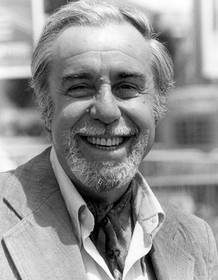
Fernando Rey
Don Rafael

Delphine Seyrig
Simone Thévenot
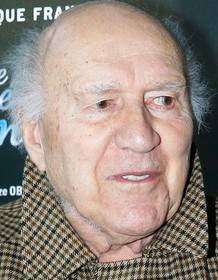
Michel Piccoli
Interior Minister

Stéphane Audran
Alice Sénéchal
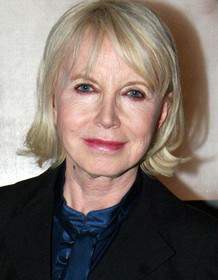
Bulle Ogier
Florence

Pierre Maguelon
Police Sergeant
Christian Baltauss
Lt. Hubert de Rochcahin
Sébastien Floche
(uncredited)
Paul Frankeur
François Thévenot
Julien Bertheau
Monsignor Dufour
Maria Gabriella Maione
Guerrilla
Claude Piéplu
Colonel
Muni
Peasant
François Maistre
Inspector Delecluze
Ellen Bahl
(uncredited)
Olivier Bauchet
Robert Benoît
(uncredited)
Milena Vukotić
Ines
Jean-Pierre Cassel
Henri Sénéchal
Bernard Musson
Waiter
Amparo Soler Leal
(uncredited)
Jacques Rispal
Gendarme
Robert Party
(uncredited)
Maxence Mailfort
Sergeant Recounting Dream
Robert Le Béal
Couturier
Madeleine Bouchez
Tea Salon Patron (uncredited)
Pierre Lary
(uncredited)
Georges Douking
Gardener
Alix Mahieux
(uncredited)
Jean Degrave
(uncredited)
Roger Caccia
Tea Salon Pianist (uncredited)
Anne-Marie Deschodt
(uncredited)
Jean-Michel Dhermay
(uncredited)
Claude Jaeger
(uncredited)
François Guilloteau
Jean-Claude Jarry
Jean Revel
Diane Vernon
External Links and Streaming Options
Discover where to watch The Discreet Charm of the Bourgeoisie online, including streaming platforms, rental options, and official sources. Compare reviews, ratings, and in-depth movie information across sites like IMDb, TMDb, Wikipedia or JustWatch.






Take the Ultimate The Discreet Charm of the Bourgeoisie Movie Quiz
Challenge your knowledge of The Discreet Charm of the Bourgeoisie with this fun and interactive movie quiz. Test yourself on key plot points, iconic characters, hidden details, and memorable moments to see how well you really know the film.
The Discreet Charm of the Bourgeoisie Quiz: Test your knowledge of Luis Buñuel's 1972 surreal comedy-drama that follows a French bourgeois circle through a series of interrupted dinner parties, political intrigue, and bizarre encounters.
Which character is the ambassador from Miranda?
Full Plot Summary and Ending Explained for The Discreet Charm of the Bourgeoisie
Read the complete plot summary of The Discreet Charm of the Bourgeoisie, including all major events, twists, and the full ending explained in detail. Explore key characters, themes, hidden meanings, and everything you need to understand the story from beginning to end.
A subtle, morally tangled drama unfolds as a French bourgeois circle drifts through a web of crime, politics, and desire. At the heart of it all is a dinner party turned tableau of paranoia and power. A French bourgeois couple, François Thévenot [Paul Frankeur], and Simone Thévenot [Delphine Seyrig], accompany François’s colleague Don Rafael Acosta [Fernando Rey], the ambassador from Miranda, and Simone’s sister Florence [Bulle Ogier] to the home of the Sénéchals for a gathering that promises polite conversation but hints at dangerous undercurrents. The host Alice Sénéchal is surprised to see them, explaining that she expected them the following evening and has no dinner prepared. The would-be guests invite Alice to join them for dinner at a nearby inn. There, a waitress explains the restaurant is now under new management; the place is empty of diners, and the group departs in a hurry after discovering a vigil for the manager, who had died a few hours earlier in an adjoining room. The mood is odd, the atmosphere tense, and nothing feels quite as it seems.
Two days later, at the Miranda embassy, Acosta, François, and Henri Sénéchal (Alice’s husband) discuss the proceeds of a large cocaine deal. Acosta notices a young woman selling clockwork animal toys outside; he fires a shot at one of the toys and the girl bolts away. He explains that she’s part of a Maoist Mirandan terrorist cell that has been targeting him for months, a revelation that deepens the sense that politics and crime are entangled in every interaction. The sense of looming danger thickens as the group moves through their day, the line between ally and antagonist blurring with every gesture.
A lunch at the Sénéchals’ home soon follows, but the mood has grown uneasy. Henri and Alice slip away to the garden to have sex, rather than join the others at the table, and Acosta quickly deduces that the Sénéchals anticipate police attention and have fled to avoid arrest for drug trafficking. The rest depart in a panic, a microcosm of a society that circulates around rumor, suspicion, and bristling fear.
When the Sénéchals return to a vacant room, they encounter a surprising figure—a bishop who has donned their gardener’s disguise. They initially eject him, yet when he reappears in full bishop robes, they treat him with a deferential courtesy. The bishop asks for work as their gardener and then shares a chilling family memory: as a child, he learned that his parents were poisoned with arsenic and that the culprit was never brought to justice. The moment binds the characters to an eerie sense of historical grievance that haunts every corner of their world. Julien Bertheau is the moment’s solemn hinge, casting a long shadow over the proceedings.
The scene shifts again to a teahouse, where a soldier recounts a childhood story that echoes the earlier themes of danger and succession. After his mother dies, his stern father sends him to military school. The ghost of the soldier’s mother reveals a devastating truth: the man he believes to be his father is in fact the killer of his real father, a revelation that ends in a grim act of vengeance on the supposed culprit. The tale underscores how violence and lineage intertwine within the group’s world, fueling paranoia and moral ambiguity.
Simone, meanwhile, is entangled with Acosta in more personal terms. They meet at Acosta’s apartment for a clandestine affair, but their tryst is interrupted by François, and Simone offers a convenient excuse to leave with him instead. The encounter with the terrorist who has been pursuing Acosta interrupts the moment, and she is forced to confront the consequences of her choices. The terrorist, a figure embodied by Maria Gabriella Maione, arrives with a threat that unsettles the room further and culminates in a sharp, morally ambiguous confrontation. The tension mounts as agents waiting across the street capture her, reinforcing the sense that surveillance and control are constant presences in this world.
The group reconvenes at the Sénéchals’ for dinner, only to be interrupted by the unexpected arrival of an army regiment that joins the dinner before being called away for maneuvers. A colonel—Claude Piéplu—enters the scene and invites them to his house in return, creating a motif of shifting hospitality and shifting loyalties. François dreams a surreal sequence in which the colonel presses Acosta about Miranda’s political situation, culminating in a gunshot that hints at the fragile line between fiction and reality that threads through the tale. The bishop’s absolution role returns as he is summoned to tend to a dying gardener who confesses to poisoning his former employers, only for the gardener to be revealed as the son of those employers. The bishop ends the affair with a fatal shot, a grim act that underscores the moral cost of the living’s complicity in wrongdoing.
As the arrest for drug trafficking looms, the police chief dreams of a haunting vision: the ghost of a former inspector killed for torturing a student protestor; this dream seems to speak from a higher moral order, only to be shattered by the waking reality that the Interior Minister has ordered the traffickers released. Acosta experiences a nightmare in which the group returns to the Sénéchals’ for dinner and is then shot by a rival gang from Marseille, a dream that fades as he returns to the kitchen to eat leftovers from the refrigerator. The film ends, almost hypnotically, with a recurring image of the six walking silently and with purpose along a desolate country road, a stark and unresolved final sequence that lingers long after the screen goes dark. The entire narrative threads together themes of social façade, corruption, betrayal, and the unsettling ways in which power frames every relationship and every decision.

Coming soon on iOS and Android
The Plot Explained Mobile App
From blockbusters to hidden gems — dive into movie stories anytime, anywhere. Save your favorites, discover plots faster, and never miss a twist again.
Sign up to be the first to know when we launch. Your email stays private — always.
Explore the mobile appWatch Trailers, Clips & Behind-the-Scenes for The Discreet Charm of the Bourgeoisie
Watch official trailers, exclusive clips, cast interviews, and behind-the-scenes footage from The Discreet Charm of the Bourgeoisie. Dive deeper into the making of the film, its standout moments, and key production insights.
The Discreet Charm of the Bourgeoisie Themes and Keywords
Discover the central themes, ideas, and keywords that define the movie’s story, tone, and message. Analyze the film’s deeper meanings, genre influences, and recurring concepts.
The Discreet Charm of the Bourgeoisie Other Names and Titles
Explore the various alternative titles, translations, and other names used for The Discreet Charm of the Bourgeoisie across different regions and languages. Understand how the film is marketed and recognized worldwide.
Similar Movies To The Discreet Charm of the Bourgeoisie You Should Know About
Browse a curated list of movies similar in genre, tone, characters, or story structure. Discover new titles like the one you're watching, perfect for fans of related plots, vibes, or cinematic styles.





Quick Links: Summary, Cast, Ratings, More

What's After the Movie?
Not sure whether to stay after the credits? Find out!
Check out our other apps:

SAT Sphere
Build confidence for the Digital SAT.

Mori Atlas
Discover wild places worth protecting.

Luntero
Search smarter for a home in Amsterdam.

Plot Explained
Unravel movie endings and hidden clues.

Pokechamp
Dive into Pokémon data and battle logic.

Driving Theory
Get ready for your European theory test.

Movie Dust
Plan your next cinema trip with ease.

Musemap
Find art and culture as you travel.

Selkobase
Compare credentials before committing.

Local Manual
Turn an unfamiliar country into practical next steps.

Lernavi
Compare school systems before your next move.

GymRoam
Find a workout stop wherever your plans take you.
Explore Our Movie Platform
New Movie Releases (2026)
Famous Movie Actors
Top Film Production Studios
Movie Plot Summaries & Endings
Major Movie Awards & Winners
Best Concert Films & Music Documentaries
Movie Collections and Curated Lists
© 2026 What's After the Movie. All rights reserved.
Privacy Policy