The Death of Stalin 2018


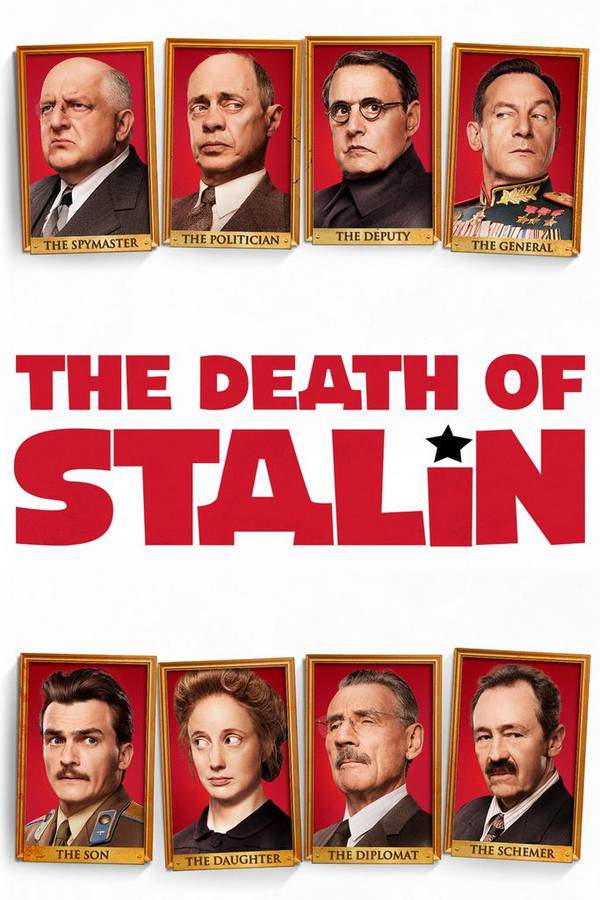
Following the sudden death of Joseph Stalin, a power vacuum erupts in Moscow. A collection of ruthless and ambitious officials, including Georgy Malenkov, Nikita Khrushchev, and Lavrentiy Beria, begin a darkly comedic and chaotic battle for control of the Soviet Union. As they maneuver for position, the nation faces a period of uncertainty and potential anarchy, leading to unexpected and often absurd consequences.


Does The Death of Stalin have end credit scenes?
No!
The Death of Stalin does not have end credit scenes. You can leave when the credits roll.
Where to Watch The Death of Stalin
See current US streaming, rental, and purchase options for The Death of Stalin (2018) via JustWatch.

AMC Plus Apple TV channel
HD
AMC+
HD
AMC+ Amazon Channel
HD
AMC+ Roku Premium Channel
HD
fuboTV
HD
Paramount Plus Premium
HD
Paramount+ Amazon Channel
HD
Philo
HD
Sundance Now
HD
Kanopy
HD
Plex Channel
HD
Pluto TV
SD
Amazon Video
HD
Apple TV Store
HD
Fandango At Home
HD
Google Play Movies
SD
JustWatch TV
HD
YouTube
SD Streaming availability powered by 
Meet the Full Cast and Actors of The Death of Stalin
Explore the complete cast of The Death of Stalin, including both lead and supporting actors. Learn who plays each character, discover their past roles and achievements, and find out what makes this ensemble cast stand out in the world of film and television.

Olga Kurylenko
Maria Veniaminovna Yudina
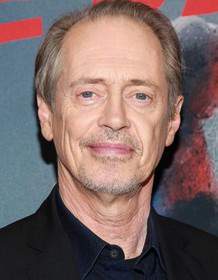
Steve Buscemi
Nikita Khrushchev
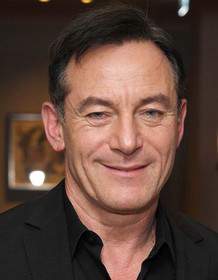
Jason Isaacs
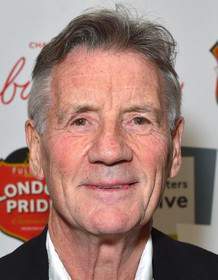
Michael Palin
Vyacheslav Molotov

Andrea Riseborough
Svetlana
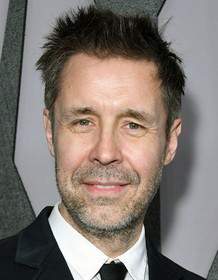
Paddy Considine
Andreyev
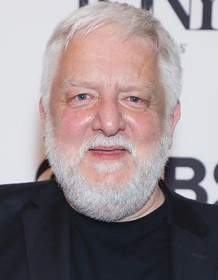
Simon Russell Beale
Lavrenti Beria

Richard Brake
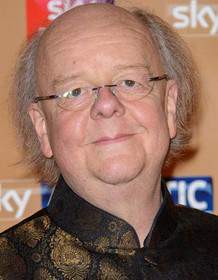
Roger Ashton-Griffiths
Musician 1
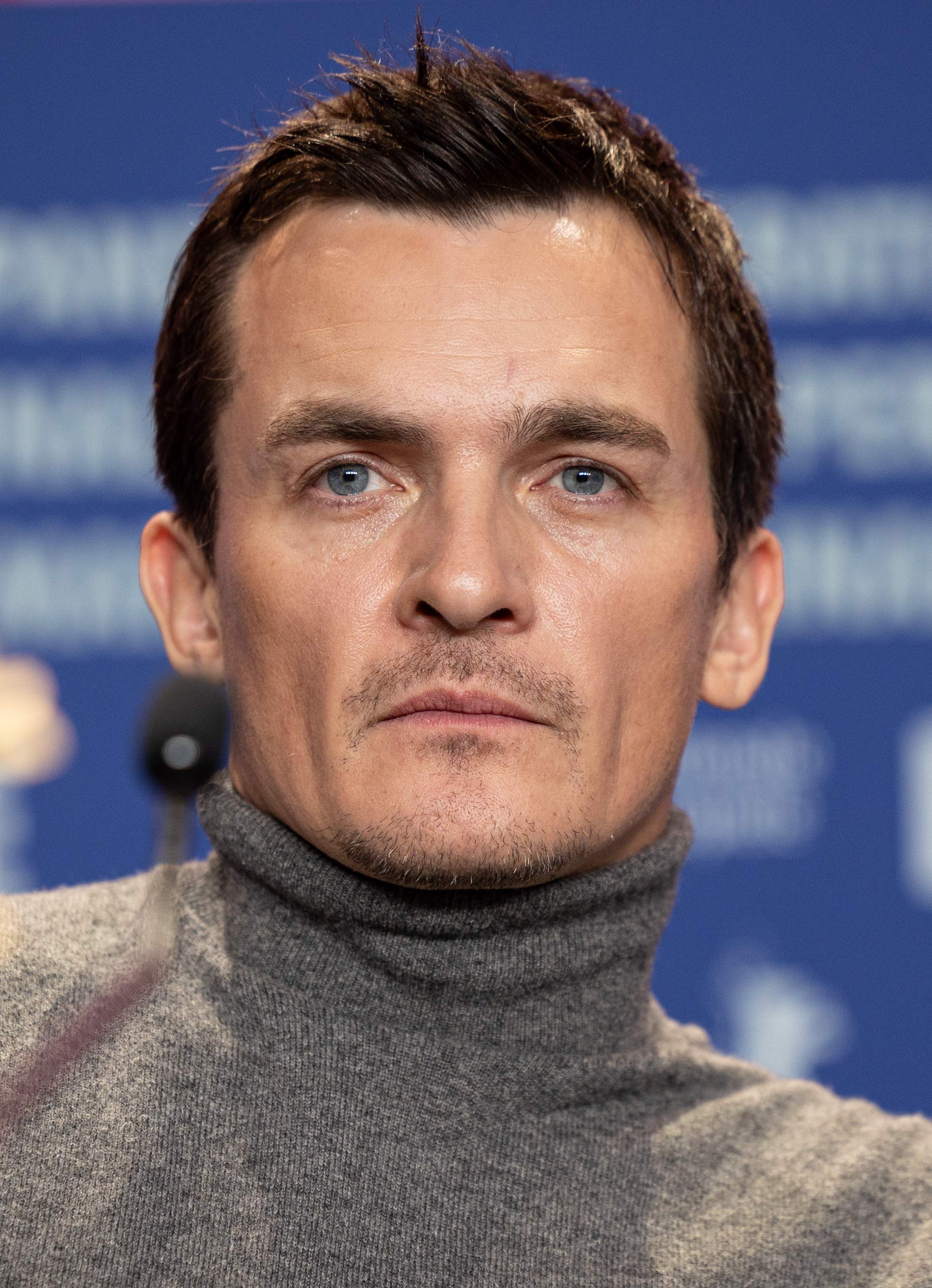
Rupert Friend
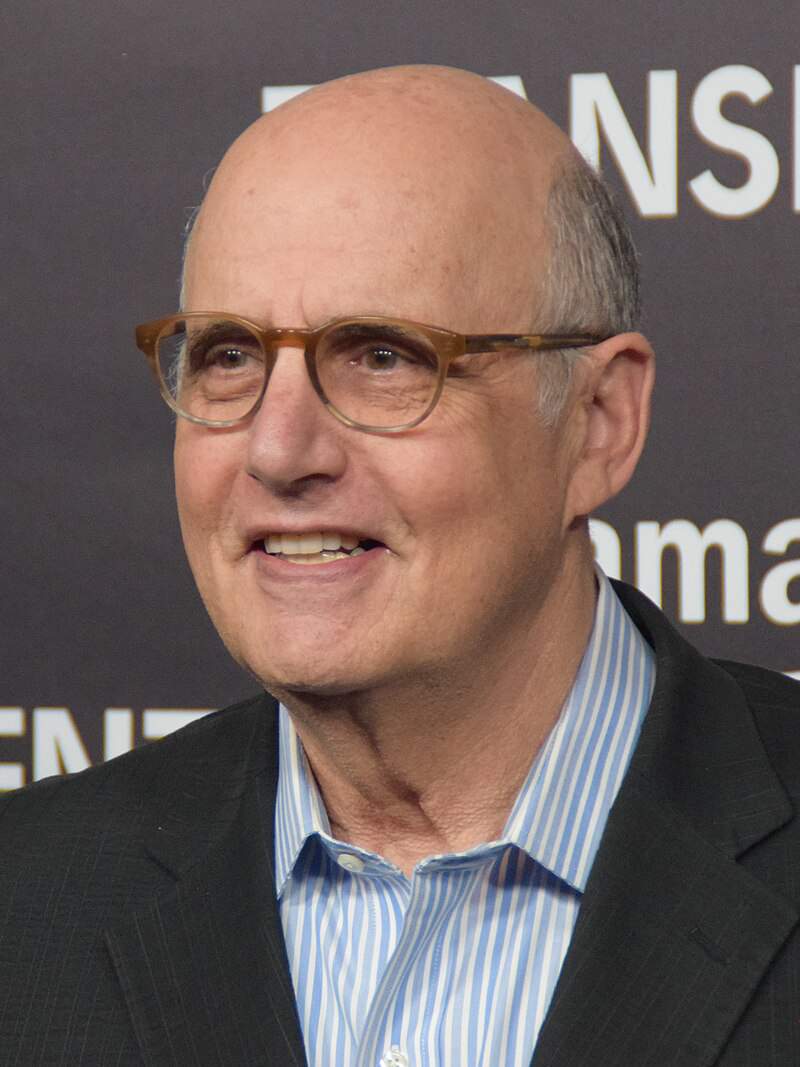
Jeffrey Tambor
Georgy Malenkov
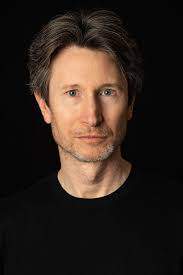
Jonathan Aris

Paul Ready
NKVD Officer Delov
Tom Brooke
Sergei
Adrian McLoughlin
Josef Stalin
Justin Edwards
Spartak Sokolov (Conductor 1)
Sylvestra Le Touzel
Yulya Muhrygina
External Links and Streaming Options
Discover where to watch The Death of Stalin online, including streaming platforms, rental options, and official sources. Compare reviews, ratings, and in-depth movie information across sites like IMDb, TMDb, Wikipedia or Rotten Tomatoes.











Ratings and Reviews for The Death of Stalin
See how The Death of Stalin is rated across major platforms like IMDb, Metacritic, and TMDb. Compare audience scores and critic reviews to understand where The Death of Stalin stands among top-rated movies in its genre.

The Movie Echo Score
Overall, The Death of Stalin succeeds as a dark political satire with incisive humor and strong ensemble performances. Critics and viewers frequently note its audacious direction, rapid-fire dialogue, and deft hand in balancing real-life horror with broad comedy. While the relentless pacing can feel exhausting for some, the film’s cohesion and sustained wit uphold its engagement. Net effect is a sharply crafted and memorable satire that effectively delivers both political insight and comedic bite.
The Movie Echo Score Breakdown for The Death of Stalin

Art & Craft
In terms of art and craft, The Death of Stalin showcases confidently audacious direction and sharp production design. Observers highlight the director’s deft handling of rapid-fire scenes and a coherent visual tone that supports the black comedy. Although occasional jerky camerawork and relentless editing may feel fatigued, the precise framing and editing rhythm largely sustain the film’s satirical momentum. On balance, the craft remains a driving strength.

Character & Emotion
In terms of character and emotion, the ensemble delivers vigorous and nuanced performances that drive the satire. Reviews praise standout turns—particularly by Buscemi and Isaacs—and the chemistry among the principal actors. While the portrayals lean toward caricature, they consistently convey the absurdity and desperation underlying the plot. The net impression is of richly animated figures who ground the film’s humor and tension.

Story & Flow
When it comes to story and flow, The Death of Stalin offers original and engaging political satire marked by rapid pacing and inventive plotting. Critics and viewers note the film’s energy in stringing hectic events together, though some find the relentless tempo leads to viewer fatigue and dilute moments of wit. Overall, the narrative remains coherent and compelling despite occasional pacing strain.

Sensory Experience
In terms of sensory experience, the film’s visual style and sound design support its darkly comic tone without overwhelming the narrative. Observers commend the cohesive color palette and sparse musical cues that underscore tension, though occasional wobbling camerawork interrupts immersion. Sound effects and dialogue clarity are consistently effective, maintaining audience engagement. The overall impression is of a polished sensory backdrop that enhances the satire.

Rewatch Factor
Regarding rewatch factor, The Death of Stalin demonstrates substantial replay value through its layered political jabs and rapid comedic beats. Viewers may discover fresh satirical observations on subsequent viewings, though some may feel the relentless pace reduces repeat enjoyment. Nevertheless, the film’s sharp writing and memorable ensemble moments leave a lasting appeal that invites further exploration of its darkly humorous vision.

88
Metascore
7.4
User Score


94%
TOMATOMETER

79%
User Score

6.7 /10
IMDb Rating

70
%
User Score

3.8
From 2.6K fan ratings

5.00/5
From 1 fan rating
Take the Ultimate The Death of Stalin Movie Quiz
Challenge your knowledge of The Death of Stalin with this fun and interactive movie quiz. Test yourself on key plot points, iconic characters, hidden details, and memorable moments to see how well you really know the film.
The Death of Stalin Quiz: Test your knowledge on the political intrigue and dark comedy of 'The Death of Stalin'.
What was Joseph Stalin's last demand before his stroke?
Awards & Nominations for The Death of Stalin
Discover all the awards and nominations received by The Death of Stalin, from Oscars to film festival honors. Learn how The Death of Stalin and its cast and crew have been recognized by critics and the industry alike.
Full Plot Summary and Ending Explained for The Death of Stalin
Read the complete plot summary of The Death of Stalin, including all major events, twists, and the full ending explained in detail. Explore key characters, themes, hidden meanings, and everything you need to understand the story from beginning to end.
On the fateful night of March 1, 1953, a demand from Joseph Stalin puts the future of several powerful men at stake. He urgently instructs the director of Radio Moscow to obtain a recording of the recently completed live performance of Mozart’s Piano Concerto No. 23. To his dismay, the performance was not captured. In a frantic bid to avoid Stalin’s wrath, the director quickly refills the dwindling audience, secures a new conductor to replace the original, who has suffered a collapse, and instructs the orchestra to perform once more.
Amidst this chaos, Maria Yudina, portrayed by Olga Kurylenko, initially resists the dictator’s demand to play but is ultimately coaxed into compliance through bribery. Meanwhile, at Stalin’s home, the Kuntsevo Dacha, a tumultuous gathering of Central Committee members unfolds. As Vyacheslav Molotov, played by Michael Palin, is about to leave, Lavrentiy Beria reveals to Nikita Khrushchev and Deputy Chairman Georgy Malenkov that Molotov is marked for the latest purge.
When the concert recording makes its way to Stalin, he discovers a note hidden inside the record sleeve, one in which Maria lambastes him and utters a wish for his demise. Amused at first, his laughter quickly turns to tragedy as he suffers a cerebral hemorrhage. His guards, hearing the commotion yet fearing punitive repercussions, hesitate to enter the office.
The following morning, the housemaid uncovers Stalin lying unconscious. In the wake of this shocking news, members of the Central Committee, including Kaganovich, Mikoyan, and Bulganin, hurriedly converge on the dacha and promptly decide to summon doctors, though most leading physicians have been imprisoned on dubious charges. The medical assistance is far from adequate, and after a brief moment of clarity, Stalin succumbs to his condition. As the committee heads back to Moscow, Beria seizes control, ordering the NKVD to take over security positions previously held by the Soviet Army.
In a power play, Beria and Khrushchev manipulate Molotov and Stalin’s children, Svetlana and her erratic brother Vasily, vying for their allegiance. Beria cunningly removes Molotov from the purge list and orchestrates the release of his wife from prison. Malenkov is appointed as chairman, but he swiftly becomes a pawn in Beria’s machinations, jeopardizing Khrushchev’s proposed reforms aimed at reducing political oppression.
Khrushchev, finding an opportunity to undermine Beria, counters an order preventing transport into Moscow. This decision leads to tragedy when 1,500 mourning citizens are killed, prompting the Committee to seek a scapegoat among junior NKVD operatives. Beria vehemently opposes this suggestion, aware that it could tarnish his reputation.
Riled by the encroachment of the NKVD into military affairs, Marshal Georgy Zhukov pledges his support to Khrushchev for a coup against Beria, stipulating it occurs post-Stalin’s funeral and that Khrushchev secures the backing of the Committee. Desperate, Khrushchev struggles to engage Malenkov, yet convinces others that a unanimous agreement has been reached. With the facade maintained, Khrushchev allows Zhukov to act, and the Soviet Army regains its former positions from the NKVD. Zhukov, allied with soldiers led by Kiril Moskalenko, storms a Committee meeting and arrests Beria.
Malenkov, paralyzed by fear, reluctantly signs the death warrant. During Beria’s swift trial, Khrushchev accuses him of a litany of heinous crimes, immediately sentencing him after presenting damning evidence. Despite Beria’s desperate pleas for mercy, he is executed without delay. Zhukov then arranges for his body to be incinerated, illustrating the brutal ends of political ambition.
In a surprising turn, Khrushchev decides to send Svetlana away to Soviet-controlled Vienna while keeping Vasily close under surveillance. Aligning with Kaganovich, he deems Malenkov far too weak to serve as a credible leader. By 1956, as Maria takes to the stage once more as the soloist for Concerto No. 23, the balance of power has shifted. Khrushchev, having solidified his control over the Soviet Union, attends the performance, with future leader Brezhnev keenly observing him from the audience.

Coming soon on iOS and Android
The Plot Explained Mobile App
From blockbusters to hidden gems — dive into movie stories anytime, anywhere. Save your favorites, discover plots faster, and never miss a twist again.
Sign up to be the first to know when we launch. Your email stays private — always.
Explore the mobile appWatch Trailers, Clips & Behind-the-Scenes for The Death of Stalin
Watch official trailers, exclusive clips, cast interviews, and behind-the-scenes footage from The Death of Stalin. Dive deeper into the making of the film, its standout moments, and key production insights.
Cars Featured in The Death of Stalin
Explore all cars featured in The Death of Stalin, including their makes, models, scenes they appear in, and their significance to the plot. A must-read for car enthusiasts and movie buffs alike.
The Death of Stalin Other Names and Titles
Explore the various alternative titles, translations, and other names used for The Death of Stalin across different regions and languages. Understand how the film is marketed and recognized worldwide.
Quick Links: Summary, Cast, Ratings, More

What's After the Movie?
Not sure whether to stay after the credits? Find out!
Check out our other apps:

SAT Sphere
Build confidence for the Digital SAT.

Mori Atlas
Discover wild places worth protecting.

Luntero
Search smarter for a home in Amsterdam.

Plot Explained
Unravel movie endings and hidden clues.

Pokechamp
Dive into Pokémon data and battle logic.

Driving Theory
Get ready for your European theory test.

Movie Dust
Plan your next cinema trip with ease.

Musemap
Find art and culture as you travel.

Selkobase
Compare credentials before committing.

Local Manual
Turn an unfamiliar country into practical next steps.

Lernavi
Compare school systems before your next move.

GymRoam
Find a workout stop wherever your plans take you.
Explore Our Movie Platform
New Movie Releases (2026)
Famous Movie Actors
Top Film Production Studios
Movie Plot Summaries & Endings
Major Movie Awards & Winners
Best Concert Films & Music Documentaries
Movie Collections and Curated Lists
© 2026 What's After the Movie. All rights reserved.
Privacy Policy