The Christmas Wife 1988


After his wife dies, an elderly widower dreads a lonely Christmas and answers a newspaper ad promising companionship. He meets a social‑arranger who pairs him with a woman willing to spend the holiday together, on the condition he never probes her private life. Her hidden secret soon threatens their budding friendship and could alter both of their futures.


Does The Christmas Wife have end credit scenes?
No!
The Christmas Wife does not have end credit scenes. You can leave when the credits roll.
Meet the Full Cast and Actors of The Christmas Wife
Explore the complete cast of The Christmas Wife, including both lead and supporting actors. Learn who plays each character, discover their past roles and achievements, and find out what makes this ensemble cast stand out in the world of film and television.
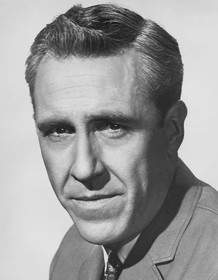
Jason Robards
John Tanner
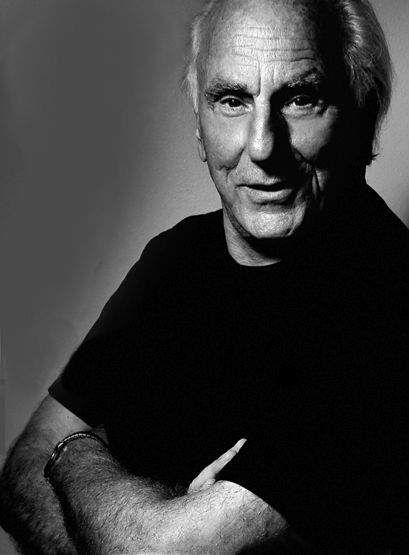
Lawrence Dane
Michael Rosten (uncredited)

James Eckhouse
Jim Tanner
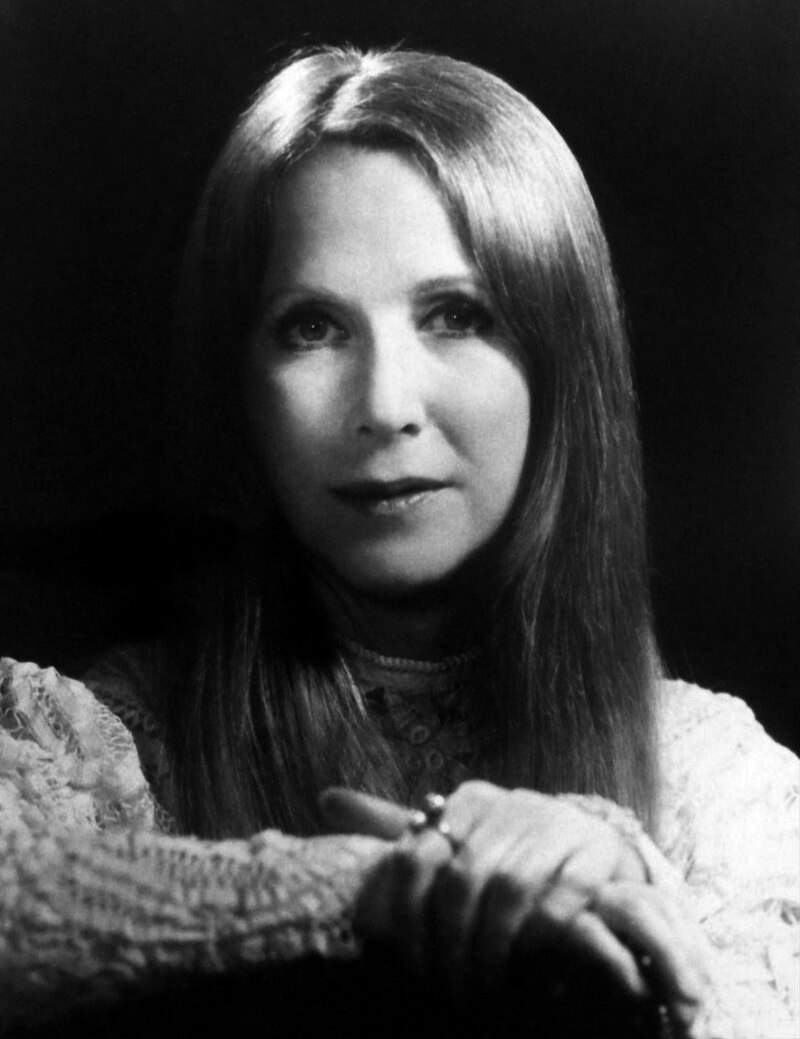
Julie Harris
Iris

Deborah Grover
Micki
Gwynyth Walsh
Betty (uncredited)
Don Francks
Social Arranger
Tom Harvey
Jack
David Gardner
Harry
Patricia Hamilton
Dora
Bill Lynn
Santa Claus
Steven Andrade
Tim
Christopher Andrade
Tommy
Helen Frost
Woman in Restaurant
External Links and Streaming Options
Discover where to watch The Christmas Wife online, including streaming platforms, rental options, and official sources. Compare reviews, ratings, and in-depth movie information across sites like IMDb, TMDb, Wikipedia or Letterboxd.




Take the Ultimate The Christmas Wife Movie Quiz
Challenge your knowledge of The Christmas Wife with this fun and interactive movie quiz. Test yourself on key plot points, iconic characters, hidden details, and memorable moments to see how well you really know the film.
The Christmas Wife Quiz: Test your knowledge of the 1988 film *The Christmas Wife* with these 10 questions ranging from easy to challenging.
Which actor portrays the widowed architect John Tanner?
Full Plot Summary and Ending Explained for The Christmas Wife
Read the complete plot summary of The Christmas Wife, including all major events, twists, and the full ending explained in detail. Explore key characters, themes, hidden meanings, and everything you need to understand the story from beginning to end.
John Tanner, Jason Robards, a recently widowed retired architect, decides to spend Christmas at his quiet lakeside cabin rather than fly west to visit his son and his family, seeking a simple, platonic companionship to ease the holiday solitude. His search leads him to a social arranger Don Francks, who introduces him to a woman close to his own age named Iris, and together they arrange a first meeting at a town hotel plaza before they head to the countryside for the holiday. He also has a son, Jim Tanner, James Eckhouse, whom he may be missing during this season, adding a personal tug to his decision to stay home.
Iris, Julie Harris, arrives as a poised, enigmatic presence. She is clear about one thing: they should meet again at the bus depot before leaving, and she asks that John not press for personal details. Their initial encounter at the hotel sets a tentative rhythm, both guarded yet curious, as a barrier forms around Iris’s past. They eventually travel to a lakeside cabin that holds memories of Christmases long past with his wife, a place heavy with quiet history and expectation. The atmosphere is charged but cautious, with Iris often giving noncommittal answers that only deepen John’s questions about who she really is.
The next morning, John presents Iris with a Christmas gift—a music box—that she seems deeply touched by, signaling a fragile, shared tenderness that brews beneath their conversation. A walk through the surrounding woods offers a brief respite from their tension, and back at the cabin he shares a memory from his past: he once played the tiple at Christmas. In a small, intimate moment, Iris asks for more honesty, and John responds with a demonstration of the instrument as he plays a tune and sings softly. Iris recites a Dorothy Parker poem, and her performance earns John’s quiet applause, a moment that reveals a glimmer of vulnerability in both of them. She confesses that she isn’t being fully honest, but she doesn’t disclose why, and she urges him to let go of his late wife. The hug that follows feels heartfelt but unresolved, leaving both of them suspended in a shared melancholy.
That night, John awakens to the familiar sound of the music box and goes downstairs to find Iris listening to it in the dim light. In a silent, mutual understanding, he takes her hand and leads her back upstairs, where they exchange a lingering glance before returning to their separate rooms, each contemplating what the morning might bring.
The following morning exposes a sharper truth. Iris prepares breakfast, and as the conversation unfolds, she reveals that she is married. John quickly deduces that the social arranger is her husband and that Iris agreed to meet him for a $500 agency fee—an arrangement born of financial strain rather than romance. The realization weighs heavily on John, who is left with a sense of the transactional nature of the encounter and a renewed sense of his own vulnerability after his wife’s death. Iris leaves, and the sense of an ending rather than a resolution lingers in the air as he returns to his day-to-day routine.
Back in town, John returns to his usual cafe with a book, hoping for a quiet moment. He notices a woman he had seen before, also reading, and, intrigued, he asks the waitress to relay a message. The waitress returns with a cryptic line from the other woman: “She says she’ll trade ya.” The exchange of smiles that follows hints at an unspoken possibility, a glimmer of connection that remains open to interpretation, leaving John to contemplate the choices that Christmas has offered—and the ones that still lie ahead.
Throughout the story, the quiet snowfall and the lakeside setting infuse the narrative with a gentle, contemplative mood. The film unfolds as a slow-burn character study about memory, honesty, and the thin line between companionship and loneliness during the holidays, all while maintaining a respectful, restrained tone that keeps the focus on the inner lives of two strangers who discover each other—and themselves—through a single, charged Christmas encounter.

Coming soon on iOS and Android
The Plot Explained Mobile App
From blockbusters to hidden gems — dive into movie stories anytime, anywhere. Save your favorites, discover plots faster, and never miss a twist again.
Sign up to be the first to know when we launch. Your email stays private — always.
Explore the mobile appDiscover Film Music Concerts Near You – Live Orchestras Performing Iconic Movie Soundtracks
Immerse yourself in the magic of cinema with live orchestral performances of your favorite film scores. From sweeping Hollywood blockbusters and animated classics to epic fantasy soundtracks, our curated listings connect you to upcoming film music events worldwide.
Explore concert film screenings paired with full orchestra concerts, read detailed event information, and secure your tickets for unforgettable evenings celebrating legendary composers like John Williams, Hans Zimmer, and more.


The Christmas Wife Themes and Keywords
Discover the central themes, ideas, and keywords that define the movie’s story, tone, and message. Analyze the film’s deeper meanings, genre influences, and recurring concepts.
The Christmas Wife Other Names and Titles
Explore the various alternative titles, translations, and other names used for The Christmas Wife across different regions and languages. Understand how the film is marketed and recognized worldwide.
Similar Movies To The Christmas Wife You Should Know About
Browse a curated list of movies similar in genre, tone, characters, or story structure. Discover new titles like the one you're watching, perfect for fans of related plots, vibes, or cinematic styles.


Quick Links: Summary, Cast, Ratings, More

What's After the Movie?
Not sure whether to stay after the credits? Find out!
Check out our other apps:

SAT Sphere
Build confidence for the Digital SAT.

Mori Atlas
Discover wild places worth protecting.

Luntero
Search smarter for a home in Amsterdam.

Plot Explained
Unravel movie endings and hidden clues.

Pokechamp
Dive into Pokémon data and battle logic.

Driving Theory
Get ready for your European theory test.

Movie Dust
Plan your next cinema trip with ease.

Musemap
Find art and culture as you travel.

Selkobase
Compare credentials before committing.

Local Manual
Turn an unfamiliar country into practical next steps.

Lernavi
Compare school systems before your next move.

GymRoam
Find a workout stop wherever your plans take you.
Explore Our Movie Platform
New Movie Releases (2026)
Famous Movie Actors
Top Film Production Studios
Movie Plot Summaries & Endings
Major Movie Awards & Winners
Best Concert Films & Music Documentaries
Movie Collections and Curated Lists
© 2026 What's After the Movie. All rights reserved.
Privacy Policy