The Adventures of Mark Twain 1944


A dramatized portrait of Samuel Langhorne Clemens, the author behind Tom Sawyer and Huckleberry Finn, tracing his rise from riverboat pilot to celebrated writer. The film highlights his sharp wit, the way his pen captured the American spirit, and the personal trials that shaped his legendary career.


Does The Adventures of Mark Twain have end credit scenes?
No!
The Adventures of Mark Twain does not have end credit scenes. You can leave when the credits roll.
Where to Watch The Adventures of Mark Twain
See current US streaming, rental, and purchase options for The Adventures of Mark Twain (1944) via JustWatch.






Meet the Full Cast and Actors of The Adventures of Mark Twain
Explore the complete cast of The Adventures of Mark Twain, including both lead and supporting actors. Learn who plays each character, discover their past roles and achievements, and find out what makes this ensemble cast stand out in the world of film and television.
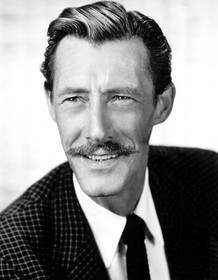
John Carradine
Bret Harte

Robert Barrat
Horace E. Bixby, Riverboat Captain

William Henry
Charles Langdon

Fredric March
Samuel Langhorne Clemens (Mark Twain)
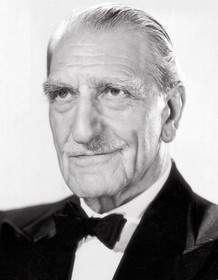
C. Aubrey Smith
Oxford Chancellor
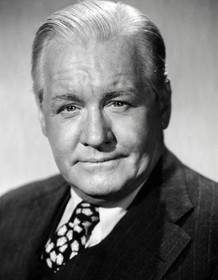
Joseph Crehan
Ulysses S. Grant
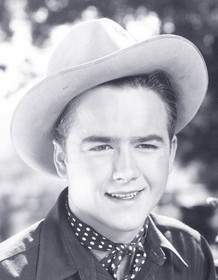
Dickie Jones
Young Samuel Clemens

Alexis Smith
Olivia Langdon Clemens
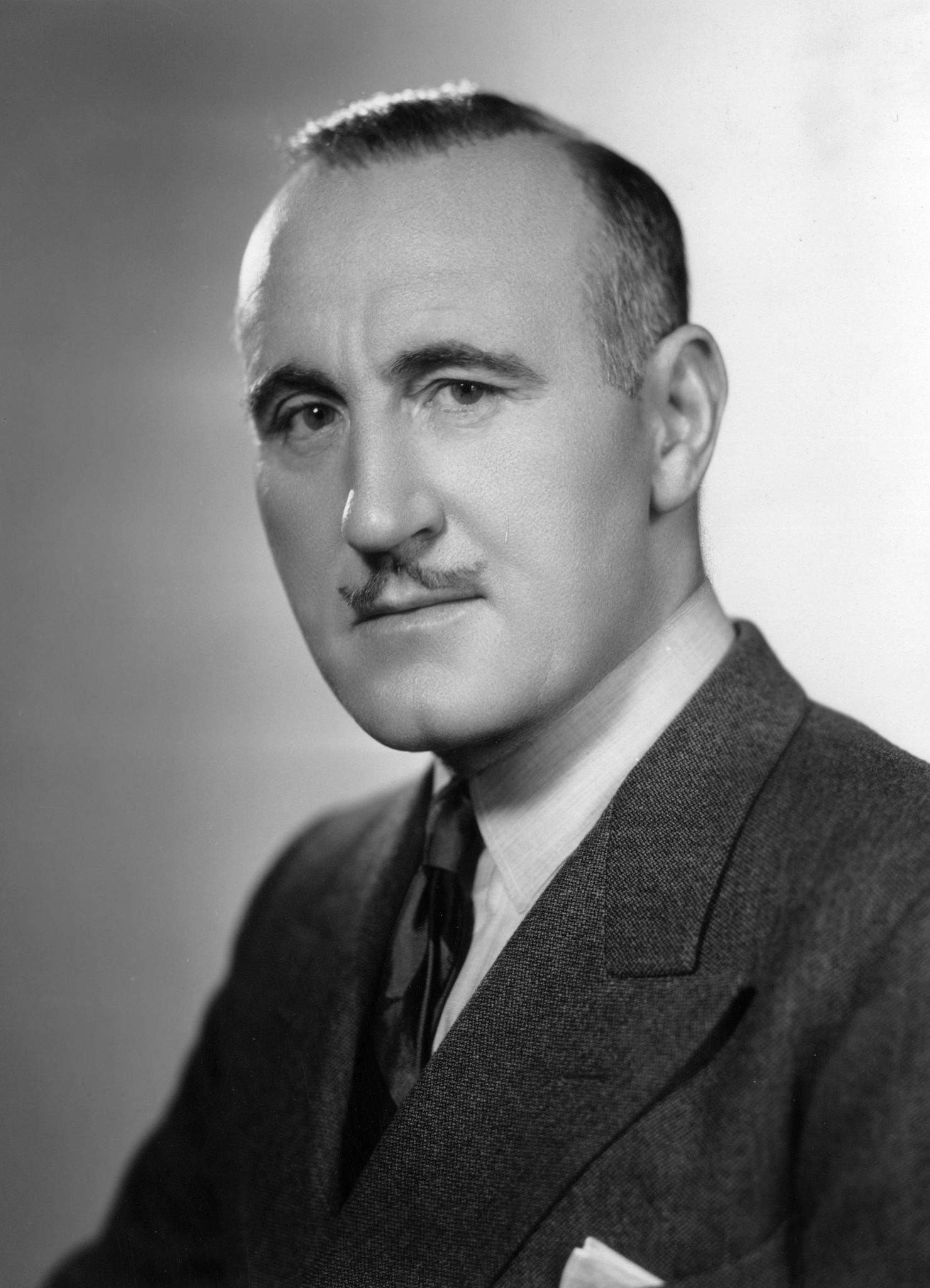
Donald Crisp
J.B. Pond
Charles Waldron
Dr. Quintard (uncredited)
Alan Hale
Steve Gillis
Walter Hampden
Jervis Langdon
Willie Best
Butler
Frank Darien
Toy Shop Clerk
Joyce Reynolds
Clara Clemens
Nana Bryant
Mrs. Langdon
Hazel Dohlman
Audience Member (uncredited)
Libby Taylor
Woman (uncredited)
External Links and Streaming Options
Discover where to watch The Adventures of Mark Twain online, including streaming platforms, rental options, and official sources. Compare reviews, ratings, and in-depth movie information across sites like IMDb, TMDb, Wikipedia or Letterboxd.




Take the Ultimate The Adventures of Mark Twain Movie Quiz
Challenge your knowledge of The Adventures of Mark Twain with this fun and interactive movie quiz. Test yourself on key plot points, iconic characters, hidden details, and memorable moments to see how well you really know the film.
The Adventures of Mark Twain (1944) Quiz: Test your knowledge of the 1944 film *The Adventures of Mark Twain* with these ten questions covering characters, plot points, and historical references.
Who portrays Samuel Clemens (Mark Twain) in the film?
Full Plot Summary and Ending Explained for The Adventures of Mark Twain
Read the complete plot summary of The Adventures of Mark Twain, including all major events, twists, and the full ending explained in detail. Explore key characters, themes, hidden meanings, and everything you need to understand the story from beginning to end.
On a night when the sky is lit by the long arc of Halley’s Comet, the frame of the story centers on Samuel Langhorne Clemens, Fredric March (better known to readers as Mark Twain), as his life unfolds like a living tapestry of his own fiction. The film’s conceit is bold and playful: it stitches together scenes from Clemens’ famed tales as if they truly happened, rooting the narratives of his youth and his changing world in a series of vivid, almost mythic moments. We meet a young Sam who imagines his world through companionship with Huck, Tom, and the slave boy Jim on a raft along the Mississippi, creating a fictional “real-life” springboard for the adventures that would become Tom Sawyer and The Adventures of Huckleberry Finn.
As Sam grows, he slips away from the familiar path of work for his brother Orion, the publisher of the Hannibal Journal, after three unsatisfying years. He abandons that routine to become a riverboat pilot, a choice that the film treats with a mixture of nostalgia and grit. Under the steady tutelage of Captain Horace E. Bixby, Robert Barrat he masters the dangerous currents and learns to read the river with a pilot’s instinct. It’s a turning point that seeds the confidence and wit that later define his voice.
A pivotal moment arrives when Sam notices a pickpocket aboard his boat who has stolen from Charles Langdon, a passenger who carries a portrait of his sister Olivia. The encounter sparks a crush that Sam cannot shake, and he makes clear to Langdon that he intends to marry Olivia. The film marks this love story with warmth and humor, hinting at the life they will build together. Charles Langdon is played by William Henry, and Olivia Langdon Clemens appears as Olivia Langdon Clemens in the tale, brought to life by Alexis Smith. Olivia’s father’s initial opposition deepens the dramatic tension, even as Sam’s affection deepens into a pledge.
To chase his fortunes and prove his talent, Sam leaves the river for the western frontier, partnering with his friend Steve Gillis in a venture that blends risk with curiosity. The pair prospect in the West with little success, and Sam’s restless drive pulls him toward another path: journalism. He becomes a newspaper reporter in Nevada, where the scent of stories and the hum of the frontier press begin to fuse into the sharper social commentary he will later publish.
A turning point arrives when Steve dares Sam to enter a jumping-frog contest against Bret Harte, a moment that the film stages with both mischief and reverence. The contest is fixed by Steve’s cheating, as buckshot-fed lead gives Harte’s frog an unlikely victory, and Sam confesses that he himself had bet on the challenger. He then writes up the event and tries to publish it under the pen name Mark Twain, capturing a voice that will travel with him for years. Bret Harte, as the competing author, is portrayed by John Carradine. The Civil War soon casts a shadow over the West, and Sam departs Nevada, narrowly avoiding J. B. Pond, who has tracked down the author of the frog tale.
The frog story becomes a sensation in the newspapers, serving as a welcome respite from the war’s grim front pages. When the war ends, Pond finally finds Sam and signs him up for a lecture tour that will launch a new phase of his career. Olivia Langdon and her father’s opposition are still in Sam’s orbit even as he rises as a humorist and public speaker. The audience of his very first lecture includes Charles Langdon and Olivia, and it is here that love deepens into marriage. Sam marries Livy and steps into the life of a renowned writer and lecturer, a path that will demand relentless dedication to craft and to the larger social ambitions he nurtures.
Yet success comes with heavy responsibilities. Sam invests in a typesetting machine and with it starts a publishing company, ambitions that require more and more capital. When the debt grows, he turns to Henry Huttleston Rogers, who counsels him to relinquish the plan to publish Ulysses S. Grant’s memoirs. Nevertheless, Sam’s sense of debt to ailing veterans and his belief in giving back to the country drive him to persevere. The creditors accept a reduced settlement, but Sam persists in paying every dollar owed, even if it means weathering years of strenuous touring. This is a period of struggle, but also of immense growth, during which his writing and leadership begin to reshape the course of his life.
Meanwhile, the story of Sam and Livy deepens as they endure the strain of financial pressures and the demands of public life. The couple’s partnership is tested, but their bond remains a constant source of resilience. They are eventually reunited when Livy’s health declines, and she finds a rare pride in Sam receiving an honorary doctorate from Oxford University—the kind of recognition she has longed to see for him as a true stylist of language and thought. The life Sam builds—the lectures that travel the globe, the publishing ventures that endure, the social and moral commitments he embraces—culminates in the quiet, almost inevitable moment of farewell.
In the end, Sam’s life is marked by a celestial calendar: Halley’s Comet returns in 1910, the year of his death. The film treats this as both fate and family legend, as his spirit is drawn away by two old friends from his boyhood, Tom and Huck, into the afterlife. Before stepping away, Sam reassures his daughter that the world’s talk of his demise is greatly exaggerated, a final wink that leaves the audience with the sense that his voice will endure long after the curtain falls. The film closes on a portrait of a life that was at once intimate and expansive—an American life imagined as if its most enduring stories began life as lived moments, not as works of fiction.

Coming soon on iOS and Android
The Plot Explained Mobile App
From blockbusters to hidden gems — dive into movie stories anytime, anywhere. Save your favorites, discover plots faster, and never miss a twist again.
Sign up to be the first to know when we launch. Your email stays private — always.
Explore the mobile appWatch Trailers, Clips & Behind-the-Scenes for The Adventures of Mark Twain
Watch official trailers, exclusive clips, cast interviews, and behind-the-scenes footage from The Adventures of Mark Twain. Dive deeper into the making of the film, its standout moments, and key production insights.
The Adventures of Mark Twain Themes and Keywords
Discover the central themes, ideas, and keywords that define the movie’s story, tone, and message. Analyze the film’s deeper meanings, genre influences, and recurring concepts.

Unlock the World of Movies with Our Comprehensive Wiki
Dive into our Movie Wiki for in-depth film encyclopedia entries, including cast biographies, production trivia, plot synopses, behind-the-scenes facts, and thematic analyses. Whether you’re researching iconic directors, exploring genre histories, or discovering hidden easter eggs, our expertly curated movie database has everything you need to fuel your cinematic passion.

Similar Movies To The Adventures of Mark Twain You Should Know About
Browse a curated list of movies similar in genre, tone, characters, or story structure. Discover new titles like the one you're watching, perfect for fans of related plots, vibes, or cinematic styles.


Quick Links: Summary, Cast, Ratings, More

What's After the Movie?
Not sure whether to stay after the credits? Find out!
Check out our other apps:

SAT Sphere
Build confidence for the Digital SAT.

Mori Atlas
Discover wild places worth protecting.

Luntero
Search smarter for a home in Amsterdam.

Plot Explained
Unravel movie endings and hidden clues.

Pokechamp
Dive into Pokémon data and battle logic.

Driving Theory
Get ready for your European theory test.

Movie Dust
Plan your next cinema trip with ease.

Musemap
Find art and culture as you travel.

Selkobase
Compare credentials before committing.

Local Manual
Turn an unfamiliar country into practical next steps.

Lernavi
Compare school systems before your next move.

GymRoam
Find a workout stop wherever your plans take you.
Explore Our Movie Platform
New Movie Releases (2026)
Famous Movie Actors
Top Film Production Studios
Movie Plot Summaries & Endings
Major Movie Awards & Winners
Best Concert Films & Music Documentaries
Movie Collections and Curated Lists
© 2026 What's After the Movie. All rights reserved.
Privacy Policy