Thalaivii 2021


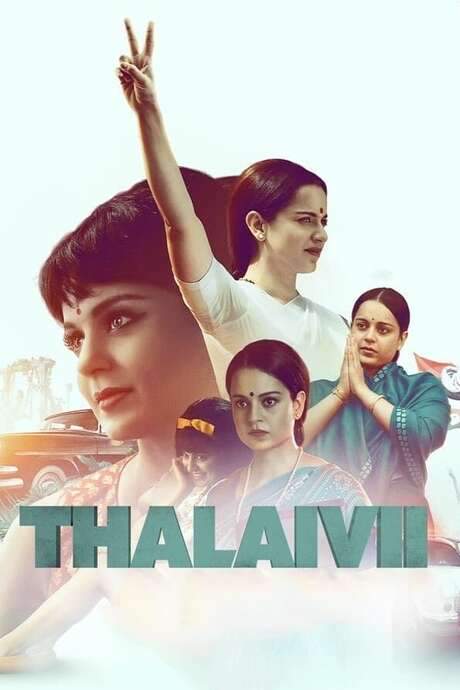
This biographical drama explores the life of J. Jayalalitha, a celebrated actor who rose to become Chief Minister of Tamil Nadu. The film chronicles her journey, detailing the complex relationships and challenges she faced as she navigated a rapid ascent to political power, ultimately serving five terms as Chief Minister. It portrays a compelling portrait of a woman who left an indelible mark on Indian politics.


Does Thalaivii have end credit scenes?
No!
Thalaivii does not have end credit scenes. You can leave when the credits roll.
Where to Watch Thalaivii
See current US streaming, rental, and purchase options for Thalaivii (2021) via JustWatch.







Meet the Full Cast and Actors of Thalaivii
Explore the complete cast of Thalaivii, including both lead and supporting actors. Learn who plays each character, discover their past roles and achievements, and find out what makes this ensemble cast stand out in the world of film and television.

Samuthirakani
R. N. Veerappan

Regina Cassandra
Saroja
Kangana Ranaut
'Amma' J. Jayalalithaa
Radha Ravi
M. R. Radha

Nassar
M. Karuna
Bhagyashree
Sandhya
Poorna
Sasi
Thambi Ramaiah
Madhavan
Shanmugarajan
Valampuri John
Madhoo
V. N. Janaki Ramachandran
Bharath Reddy
Party Member
Vidhya Pradeep
Actress
Bharathi Kannan
C.N. Annadurai
A. R. Manikandan
Moorthy
Arvind Swamy
M. J. Ramachandran
Nitya Shetty
Trainee doctor
Flora Jacob
Indira Gandhi
Rajiv Kumar Aneja
L K Advani
External Links and Streaming Options
Discover where to watch Thalaivii online, including streaming platforms, rental options, and official sources. Compare reviews, ratings, and in-depth movie information across sites like IMDb, TMDb, Wikipedia or Rotten Tomatoes.







Ratings and Reviews for Thalaivii
See how Thalaivii is rated across major platforms like IMDb, Metacritic, and TMDb. Compare audience scores and critic reviews to understand where Thalaivii stands among top-rated movies in its genre.

The Movie Echo Score
Thalaivii presents a mixed portrait, with commendable performances and period details counterbalanced by uneven pacing and technical flaws. While the lead actors receive notable praise for embodying the iconic figure, the narrative structure and sound design draw criticism for inconsistency. The film’s strengths in acting and visual authenticity are tempered by a disjointed screenplay and uneven sensory execution, resulting in a work that resonates unevenly across viewers and critics alike.
The Movie Echo Score Breakdown for Thalaivii

Art & Craft
In terms of art and craft, the film showcases meticulous period costumes and set pieces that evoke the era convincingly. However, reviewers note noticeable mismatches between audio and visual tracks, as well as editing choices that disrupt narrative flow. The direction receives both accolades for its ambition and criticism for lack of cohesion, leading to a moderately positive assessment of the overall craftsmanship.

Character & Emotion
When evaluating character and emotion, the central performance is frequently highlighted as a strong, nuanced portrayal that captures the subject’s complexity. Supporting actors are also recognized for delivering solid contributions. Nevertheless, some critiques point to moments where performances feel constrained or fail to sustain emotional depth throughout the film. The balance of praise and criticism yields a generally favorable view of the acting ensemble.

Story & Flow
The story and flow exhibit considerable inconsistency, with several reviewers describing the first half as sluggish and the screenplay as fragmented. While the latter portion gains momentum and emotional impact, the overall narrative is seen as incomplete, especially regarding political intricacies. This uneven pacing and occasional lack of narrative clarity result in a mixed appraisal of the film’s storytelling.

Sensory Experience
Sensory experience receives notable criticism, particularly concerning the soundtrack and sound design, which many find intrusive or poorly mixed. Visual style, though period‑appropriate, is sometimes undermined by technical dissonance between audio and picture. The cumulative effect is a sensory quotient that detracts from immersion, leading to a below‑average rating for this aspect.

Rewatch Factor
Rewatch factor appears limited, with a portion of the audience viewing the film as a one‑time experience due to its pacing and narrative gaps. Some viewers highlight the second half’s emotional resonance as a reason to revisit, yet the overall unevenness and sensory issues diminish repeated viewing appeal. Consequently, the film’s replay value is assessed as moderate at best.
Take the Ultimate Thalaivii Movie Quiz
Challenge your knowledge of Thalaivii with this fun and interactive movie quiz. Test yourself on key plot points, iconic characters, hidden details, and memorable moments to see how well you really know the film.
Thalaivii Quiz: Test your knowledge about the 2021 biographical film Thalaivii, which dramatizes the political journey of Jayalalithaa.
Who is the central female protagonist of the film?
Full Plot Summary and Ending Explained for Thalaivii
Read the complete plot summary of Thalaivii, including all major events, twists, and the full ending explained in detail. Explore key characters, themes, hidden meanings, and everything you need to understand the story from beginning to end.
This biographical drama traces the life of Jaya, a determined public figure who rises from the shadows of cinema to lead Tamil Nadu’s political landscape. The narrative unfolds through two interwoven arcs that span decades, offering a nuanced portrait of ambition, public service, personal sacrifice, and the weight of public perception. On one hand, the film revisits the late-1960s and early-1980s cinema world where a star’s image can shape a nation; on the other, it follows the gritty, high-stakes arena of state politics, where every move invites scrutiny, praise, or backlash. At the center is a woman who navigates pressure from her family, her admirers, and rival parties, all while trying to stay true to her ideals and her people.
The 1965 arc begins in a moment when [Jaya] is still a young entrant in a film industry buzzing with larger-than-life personalities. Her mother, [Sandhya], an actress of the older generation, pushes her toward acting, and she steps into the spotlight by replacing another performer. The experience exposes her to the complexities of fame, public scrutiny, and the ethical lines that surround on-set relationships. The industry’s leading figure, [MGR], looms large as both a mentor and a political symbol—the public’s beloved “god” whose choices influence the tides of cinema and politics alike. In this tension between stardom and responsibility, [Saroja] emerges—a character who will become a touchstone in Jaya’s evolving view of loyalty, influence, and the roles women play in shaping public life. When Veerappan, a powerful adversary, tries to challenge Jaya, she uses wit and resilience to push back, signaling the beginning of a public figure who negotiates danger with poise. The film also shows Veerappan’s attempts to control the narrative by casting a rival talisman in a key project and offering settlements to reel her away from her on-screen partnership with MGR, a move that tests Jaya’s resolve and the loyalty she garners from her collaborators.
As the story moves forward, the personal and political spheres collide in her relationship with the cinema icon [MGR], who transitions from a film powerhouse to a political heavyweight. The plot delves into the moment when MGR shifts his focus from the screen to the campaign trail, a decision that dramatically reshapes Jaya’s own ambitions. The couple’s bond is tested by professional pressures, public speculation, and the heartbreak of personal loss—most notably the death of MGR’s wife, [Janaki Ramachandran], a tragedy that reverberates through the party and alters the balance of power within AIADMK. The film portrays how Jaya’s affection and respect for MGR evolve into a deeper sense of responsibility toward the people he sought to serve, while also highlighting the emotional toll of living in a world where every gesture is interpreted through a political lens.
The arc also sheds light on the broader cultural and social work that surrounds Jaya’s rise. A pivotal moment occurs when she embraces educational reform, transforming the Midday Meal program into a tangible lifeline for children and families. The program becomes a symbol of her commitment to public welfare and an emblem of the partnership she sustains with MGR as they work to improve the state’s schools and infrastructure. Jaya’s outreach extends beyond the capitol as she connects with communities in rural and urban areas, spreading a message of empowerment and opportunity. The public comes to see her as a champion of education, a voice for the underrepresented, and a symbol of resilience under pressure.
The political landscape shifts as elections approach. A crucial challenge arises when the opposition attacks her leadership and paints the party as unstable under her influence. In a rousing response, Jaya demonstrates political acumen and rhetorical skill, gaining sympathy and admiration from many who see in her a new kind of leadership. Her ascent is marked by a series of strategic moves—serving as a Member of Parliament, engaging with national leaders, and pushing for policy reforms that touch on education, healthcare, and social welfare. A landmark moment occurs when she speaks in important sessions of the Rajya Sabha, articulating South India’s concerns and highlighting the need for balanced development in national plans. Her presence earns respect from peers and opponents alike, even as she navigates the delicate balance between loyalty to MGR’s legacy and her own independent political path.
The narrative then shifts to the tumultuous period following MGR’s tenure, when the AIADMK party faces internal divisions after his passing. A factional split emerges, and former allies must decide which path to follow—one that honors MGR’s vision through a continued coalition or one that tests the party’s unity under new leadership. Across this upheaval, Jaya’s capacity to maintain focus on education and social programs becomes a unifying thread for her supporters, even as the party grapples with factional rivalries and the long shadow of national politics. The story also touches on the broader national context, including the assassination of Rajiv Gandhi, which disrupts the political climate and reshapes campaign strategies across the country. Through it all, Jaya remains a central figure whose decisions are interpreted as a barometer of public sentiment and a testament to the power of grassroots outreach.
The film culminates in a return to the heart of Jaya’s mission: governance grounded in service. In the wake of adversity, she emerges as a leader who steadies her party and uses the levers of power to advance education, welfare, and women’s participation in public life. The narrative emphasizes her perseverance in the face of personal trials, political setbacks, and the relentless gaze of the public—an examination of how courage and compassion can inform political strategy and social change. By the end, Jaya’s leadership is portrayed as less about personal glory and more about the enduring goal of uplifting communities, uplifting lives, and sustaining momentum for a state that often sits at the center of national attention. The film closes on a note of resolve: the people she serves remain the measure of her work, and the movement she helps sustain continues to influence Tamil Nadu’s political and social landscape.
This portrait blends intimate moments—family, mentorship, and the pressures of fame—with sweeping scenes of political maneuvering, public policy, and mass mobilization. It offers a respectful, human-facing look at a figure whose fame grew into a formidable public office, while acknowledging the complexities and costs that accompany a life spent in the limelight and in service to others.

Coming soon on iOS and Android
The Plot Explained Mobile App
From blockbusters to hidden gems — dive into movie stories anytime, anywhere. Save your favorites, discover plots faster, and never miss a twist again.
Sign up to be the first to know when we launch. Your email stays private — always.
Explore the mobile appWatch Trailers, Clips & Behind-the-Scenes for Thalaivii
Watch official trailers, exclusive clips, cast interviews, and behind-the-scenes footage from Thalaivii. Dive deeper into the making of the film, its standout moments, and key production insights.
Thalaivii Themes and Keywords
Discover the central themes, ideas, and keywords that define the movie’s story, tone, and message. Analyze the film’s deeper meanings, genre influences, and recurring concepts.
Thalaivii Other Names and Titles
Explore the various alternative titles, translations, and other names used for Thalaivii across different regions and languages. Understand how the film is marketed and recognized worldwide.
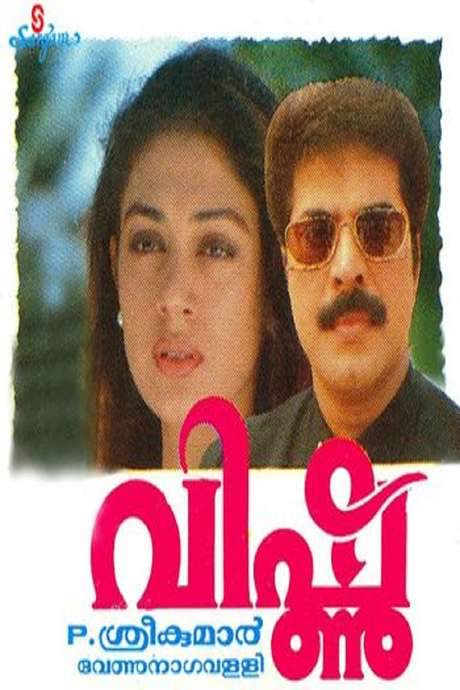
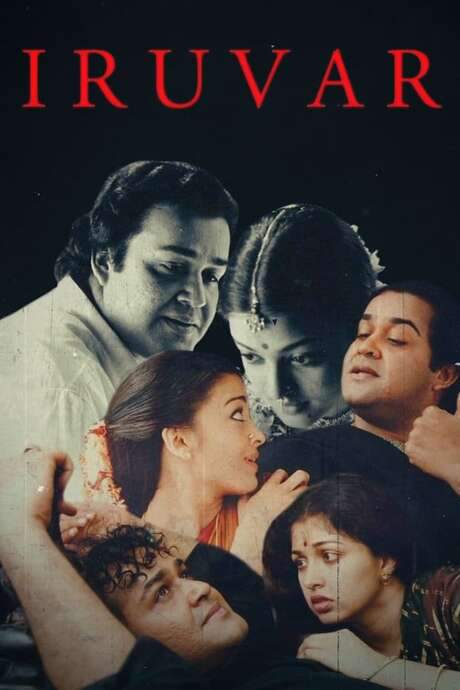
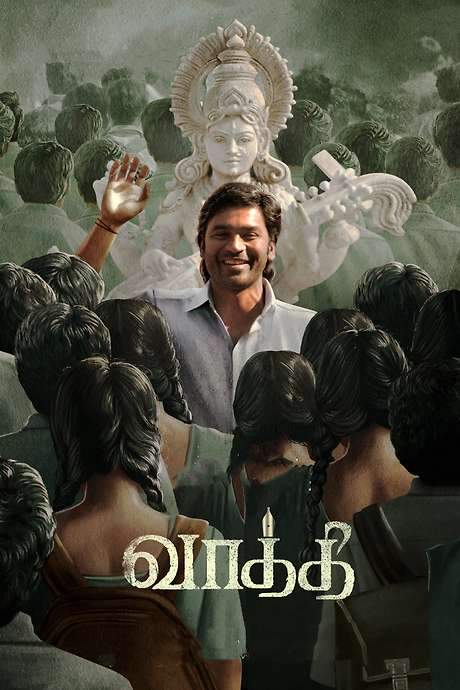
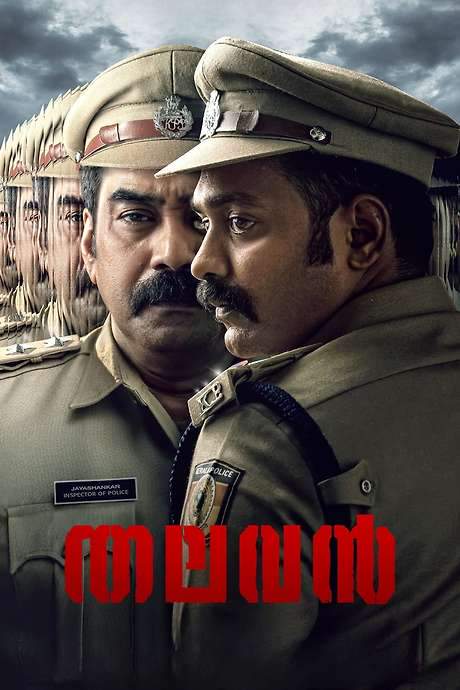
Similar Movies To Thalaivii You Should Know About
Browse a curated list of movies similar in genre, tone, characters, or story structure. Discover new titles like the one you're watching, perfect for fans of related plots, vibes, or cinematic styles.








Quick Links: Summary, Cast, Ratings, More

What's After the Movie?
Not sure whether to stay after the credits? Find out!
Check out our other apps:

SAT Sphere
Build confidence for the Digital SAT.

Mori Atlas
Discover wild places worth protecting.

Luntero
Search smarter for a home in Amsterdam.

Plot Explained
Unravel movie endings and hidden clues.

Pokechamp
Dive into Pokémon data and battle logic.

Driving Theory
Get ready for your European theory test.

Movie Dust
Plan your next cinema trip with ease.

Musemap
Find art and culture as you travel.

Selkobase
Compare credentials before committing.

Local Manual
Turn an unfamiliar country into practical next steps.

Lernavi
Compare school systems before your next move.

GymRoam
Find a workout stop wherever your plans take you.
Explore Our Movie Platform
New Movie Releases (2026)
Famous Movie Actors
Top Film Production Studios
Movie Plot Summaries & Endings
Major Movie Awards & Winners
Best Concert Films & Music Documentaries
Movie Collections and Curated Lists
© 2026 What's After the Movie. All rights reserved.
Privacy Policy