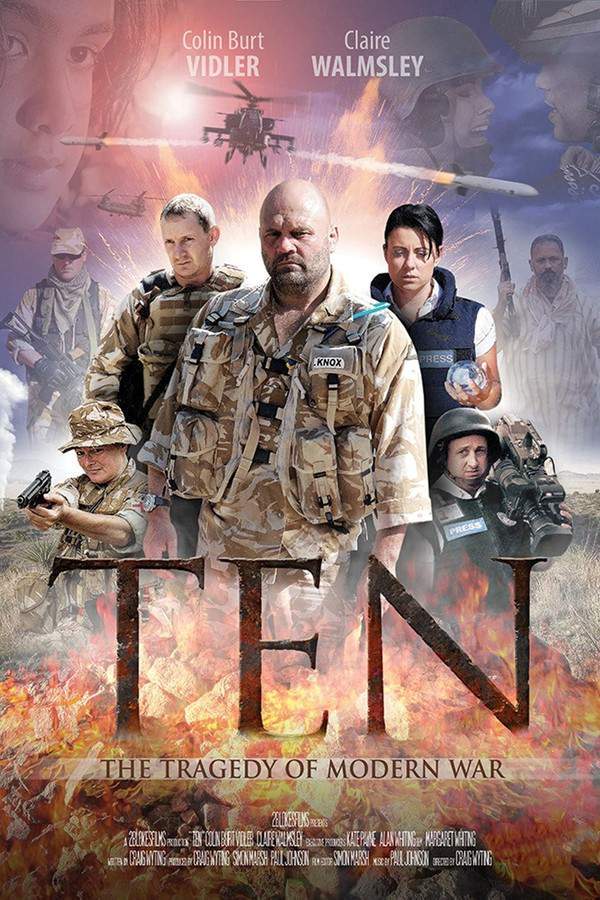
A veteran journalist, Cassie Read, travels to Afghanistan to report on the experiences of British soldiers at a remote outpost. Through intimate interviews, she explores the harsh realities of war and the emotional toll it takes on those serving in a conflict zone, revealing the courage and struggles of the soldiers amidst a challenging and dangerous environment.
Does Ten have end credit scenes?
No!
Ten does not have end credit scenes. You can leave when the credits roll.
Explore the complete cast of Ten, including both lead and supporting actors. Learn who plays each character, discover their past roles and achievements, and find out what makes this ensemble cast stand out in the world of film and television.
No actors found
Discover where to watch Ten online, including streaming platforms, rental options, and official sources. Compare reviews, ratings, and in-depth movie information across sites like TMDb, Wikipedia, Rotten Tomatoes or Metacritic.
See how Ten is rated across major platforms like IMDb, Metacritic, and TMDb. Compare audience scores and critic reviews to understand where Ten stands among top-rated movies in its genre.
86
Metascore
8.4
User Score
73
%
User Score
Challenge your knowledge of Ten with this fun and interactive movie quiz. Test yourself on key plot points, iconic characters, hidden details, and memorable moments to see how well you really know the film.
What is the name of the driver’s young son?
Amin
Reza
Ali
Mohammad
Show hint
Read the complete plot summary of Ten, including all major events, twists, and the full ending explained in detail. Explore key characters, themes, hidden meanings, and everything you need to understand the story from beginning to end.
The film unfolds as a ten-part journey through Tehran, where a single, unwavering female driver ferries a rotating group of passengers and engages them in intimate conversations. The conversations unfold in a calm, observational tone that gradually reveals personal histories, social pressures, and the fragile lines between independence and dependence in a city shaped by tradition and change. Through the driver’s steady presence and increasingly candid exchanges, the film examines motherhood, marriage, faith, and resilience, letting each passenger reveal a different facet of life under quiet, everyday constraint.
In the first vignette, the driver’s voice rises as she talks with her young son, Amin, during a ride to the local pool. The exchange exposes a painful family history: she had to navigate a divorce from Amin’s father by presenting him as a drugs addict to the court, a move that underlines the gendered realities of the legal system. The tension peaks as Amin shouts over her, and when the argument escalates into a fight, Amin abruptly exits the car, leaving both mother and son to confront their fraught dynamics.
The second segment shifts to the driver’s sister, a teacher, who reflects on the heavy burdens and expectations placed on children and the toll they take on parents. The two women discuss how their own kids have accused them of failing as mothers before they pick up a birthday cake for the driver’s husband, Mortaza. The sister counsels the driver about Amin’s behavior, suggesting that it might be best for Amin to live with his father so he can be “set straight” under a different household dynamic.
In the third vignette, the driver picks up a devout old woman who makes the Mausoleum a frequent stop for prayer. The woman shares a sorrowful story: her husband and their 12-year-old son have died, and she has sold possessions to fund a pilgrimage to Syria while giving away belongings to those in need. Their exchange ends when the driver, urged to join the old woman in prayer, refuses to enter the Mausoleum, and drops her off at the religious site instead.
The fourth segment follows a sex worker who mistakes the driver for a client and enters the car. The two engage in a probing dialogue where the sex worker lectures the driver about the real nature of relationships and the duplicity she observes in many men. She describes clients who are often married and called away by wives, and she opens up about her own past, recognizing the folly of clinging to men who aren’t truthful. The conversation ends as the sex worker is dropped off and immediately picked up by another client.
The fifth vignette centers on a woman whose relationship to the driver is unclear but who has just prayed at the Mausoleum. They discuss religion and belief, with the passenger admitting a shift from disbelief to doubt. She explains that she had planned to marry someone; now, she prays at the Mausoleum in the hope that the relationship might progress toward a proposal.
Next, the driver reunites with Amin, this time in a ride arranged through Amin’s father (the driver’s ex-husband), who has been caring for him. The two adults stay in their own cars, enabling Amin to cross a busy street. The driver asks to keep Amin overnight, and the ex-husband agrees. Amin expresses a disagreement about a shortcut to his grandmother’s house but gradually concedes that his mother’s way holds true. He also reveals a troubling detail about his father watching porn at home, a moment that underscores the complexities of adult relationships and the child’s perspective within them.
The seventh vignette returns to the driver with her crying sister, who is devastated by her husband’s departure after seven years together. The driver’s blunt counsel echoes a harsher, more independent philosophy: it is better to detach and move forward rather than cling to someone who has left. The driver’s unflinching tone mirrors the earlier conversation with the sex worker and intensifies the film’s examination of resilience and emotional survival.
In the eighth segment, the driver and Amin share a ride once more. A woman suggests that Amin is effectively a man who must learn from a man, a claim the driver reluctantly agrees with: Amin should go live with his father. They discuss the prospect of the ex-husband finding a new wife, and Amin muses that such a wife would owe obedience, take on more chores, and come home earlier. Their debate about a shortcut becomes heated enough to spur Amin to exit the car again, signaling the persistence of competing loyalties and the tug-of-war between two households.
The ninth vignette revisits the woman from the fifth scene, who confides that her boyfriend does not want to marry her, despite her hopes. She wrestles with jealousy, fearing that he may be thinking of another woman. The driver probes the passenger about the tightness of her veil, and the revelation that she has shaved her head adds another layer of vulnerability to her search for solid ground in love and faith.
The final, brief chapter has the driver picking up Amin from his father once more. The journey ends with the car heading toward the grandmother’s house, closing a loop that has threaded the family’s paths, loyalties, and disputes into a continuous, intimate dialogue across Tehran’s streets.
Throughout these ten conversations, the film maintains a steady, observational cadence, allowing each passenger’s voice to illuminate personal struggles and social pressures. The driver’s quiet authority serves as a throughline, connecting themes of autonomy, gender dynamics, religious devotion, and the everyday decisions that shape family life. The result is a careful, humane portrait of a city and its people, where ordinary drives become vessels for introspection, reconciliation, and difficult truth-telling.
Uncover the Details: Timeline, Characters, Themes, and Beyond!

Coming soon on iOS and Android
From blockbusters to hidden gems — dive into movie stories anytime, anywhere. Save your favorites, discover plots faster, and never miss a twist again.
Sign up to be the first to know when we launch. Your email stays private — always.
Immerse yourself in the magic of cinema with live orchestral performances of your favorite film scores. From sweeping Hollywood blockbusters and animated classics to epic fantasy soundtracks, our curated listings connect you to upcoming film music events worldwide.
Explore concert film screenings paired with full orchestra concerts, read detailed event information, and secure your tickets for unforgettable evenings celebrating legendary composers like John Williams, Hans Zimmer, and more.
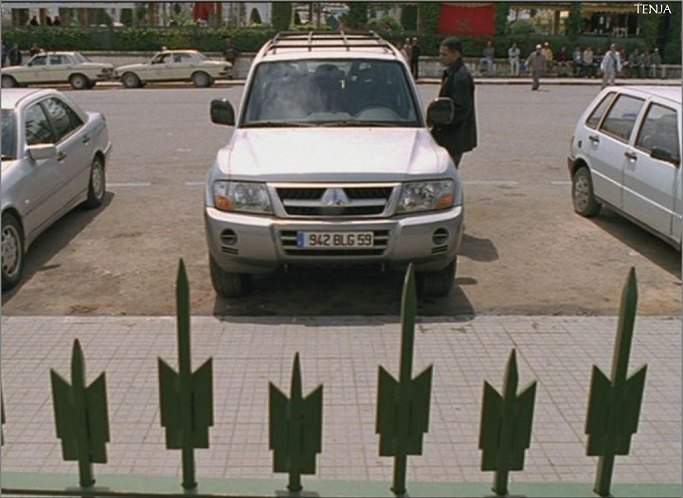
Explore all cars featured in Ten, including their makes, models, scenes they appear in, and their significance to the plot. A must-read for car enthusiasts and movie buffs alike.
Explore the various alternative titles, translations, and other names used for Ten across different regions and languages. Understand how the film is marketed and recognized worldwide.
What's After the Movie?
Not sure whether to stay after the credits? Find out!
Explore Our Movie Platform
New Movie Releases (2025)
Famous Movie Actors
Top Film Production Studios
Movie Plot Summaries & Endings
Major Movie Awards & Winners
Best Concert Films & Music Documentaries
Movie Collections and Curated Lists
© 2025 What's After the Movie. All rights reserved.