Submission 2018
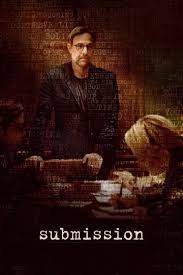
A struggling writer finds purpose and connection when he begins mentoring a gifted young student. Their shared love of writing fosters a close bond, but as their relationship deepens, it becomes increasingly complex. The mentor finds himself grappling with questions of influence, obligation, and the potential dangers of blurring professional boundaries in the pursuit of artistic inspiration.


Does Submission have end credit scenes?
No!
Submission does not have end credit scenes. You can leave when the credits roll.
Where to Watch Submission
See current US streaming, rental, and purchase options for Submission (2018) via JustWatch.






Meet the Full Cast and Actors of Submission
Explore the complete cast of Submission, including both lead and supporting actors. Learn who plays each character, discover their past roles and achievements, and find out what makes this ensemble cast stand out in the world of film and television.

Stanley Tucci
Ted Swenson

Janeane Garofalo
Magda Moynahan

Colby Minifie
Ruby Swenson

Ritchie Coster
Dean Bentham

Kyra Sedgwick
Sherrie Swenson

Addison Timlin
Angela Argo

David Pittu
Bernard Levy
Alison Bartlett
Angela's Mother
Ashley Trawinski
Meg
Henry Stram
Dave Sterret
Juan Castano
Carlos
Matt Ballard
External Links and Streaming Options
Discover where to watch Submission online, including streaming platforms, rental options, and official sources. Compare reviews, ratings, and in-depth movie information across sites like IMDb, TMDb, Wikipedia or Rotten Tomatoes.








Ratings and Reviews for Submission
See how Submission is rated across major platforms like IMDb, Metacritic, and TMDb. Compare audience scores and critic reviews to understand where Submission stands among top-rated movies in its genre.

The Movie Echo Score
Submission combines thoughtful craft and persuasive performances with an uneven narrative coherence that limits its overall impact. Critics commend the film’s intelligent rendering and measured pacing in early scenes, as well as strong work from the cast and a polished visual presentation. However, predictability in the final act, restrained emotional resonance, and underdeveloped characters temper its achievements. In net effect, Submission offers moments of stimulation and a solid production framework but ultimately feels only modestly engaging and insufficiently compelling.
The Movie Echo Score Breakdown for Submission

Art & Craft
In terms of art and craft, Submission demonstrates assured visual composition and measured editing but lacks sustained stylistic innovation. Critics note that Levine stages the intellectual battle with energetic framing and the film maintains a handsome appearance throughout. Continuity editing keeps sequences coherent, though occasional scenes feel underdeveloped in production design. Overall, the film’s visual rhythm is solid but rarely transcendent.

Character & Emotion
When it comes to character and emotion, performances are consistently strong yet emotional resonance remains limited. Stanley Tucci’s controlled portrayal and Addison Timlin’s dynamic presence earn frequent praise, and supporting actors supply additional depth. However, many viewers found the characters underexplored, with some describing the leads as insipid or lacking chemistry. In summary, the acting elevates the project but emotional engagement falls short.

Story & Flow
In terms of story and flow, Submission engages with thoughtful ideas but falters in originality and coherence. Reviews cite a stimulating premise and deliberate pacing in early acts, yet predictability emerges in the final third, undercutting narrative tension. Script issues leave certain plot developments feeling musty or unfinished, and satirical elements register only as restrained comments. Ultimately, the story feels uneven and insufficiently gripping.

Sensory Experience
Regarding the sensory experience, Submission achieves a pleasing audio-visual balance without fully distinguishing its style. The film’s sound design and non-diegetic score maintain a consistent tone that supports the restrained satire, while the cinematography offers measured lighting and framing. Yet, few sequences rise to memorable visual set pieces, and the overall aesthetic feels serviceable rather than distinctive. Thus, the sensory palette is competent but unexceptional.

Rewatch Factor
Concerning the rewatch factor, Submission presents limited appeal upon subsequent viewings due to its narrative shortcomings. Although close analysis may reveal nuances in dialogue and performances, the predictability of key scenes diminishes repeated engagement. The restrained emotional register and lack of stylistic flair reduce lasting allure, so viewers are unlikely to return often. Overall, the film offers modest replay value and limited lasting impact.

52
Metascore
7.0
User Score

5.4 /10
IMDb Rating
64
%
User Score
Take the Ultimate Submission Movie Quiz
Challenge your knowledge of Submission with this fun and interactive movie quiz. Test yourself on key plot points, iconic characters, hidden details, and memorable moments to see how well you really know the film.
Submission (2018) Quiz: Test your knowledge of the film "Submission" (2018) with these ten varied difficulty questions.
What profession does Ted Swenson hold at the start of the film?
Full Plot Summary and Ending Explained for Submission
Read the complete plot summary of Submission, including all major events, twists, and the full ending explained in detail. Explore key characters, themes, hidden meanings, and everything you need to understand the story from beginning to end.
Ted Swenson is a once-prominent author who, after the modest success of his first novel, settles into a long run as a creative writing professor at Euston College in Vermont. He hopes the next book will finally let him leave the campus behind, but roughly a decade passes and he remains a tenured instructor, shaping the minds (and ambitions) of a new generation of writers. When a standout student, Angela Argo, asks him to read the first chapter of Eggs, he recognizes a rare combination of confidence and polish in her prose that hints at real potential. The moment becomes a catalyst for a larger, more complicated set of events.
Magda Moynahan, a colleague and voice of campus politics, warns him about Angela’s earlier, more vulgar poems and reveals that she insisted on donating them to the college library as a kind of performance art or protest. Librarians wrestle with the ethics of the donation, finding the poems obscene yet deciding to keep them as an example of candid expression within the school’s walls. Ted’s curiosity leads him to the poetry book, which largely collects erotic exchanges between a phone sex worker, Angela 911, and her clients. The discovery is jarring, not for its salacious content alone but for how it intersects with questions about free speech, taste, and the boundaries of artistic expression on a university campus.
A turning point comes at a dinner hosted by a colleague, where Ted and his wife, Sherrie Swenson, weigh the impact of new campus sexual harassment rules and the growing emphasis on political correctness in the classroom. The climate feels tense, and conversations drift toward how teachers should respond when sensitive material collides with student safety and institutional reputation. Ted is impressed by Angela’s writing and continues to encourage her, while she responds by supplying him with increasingly explicit late chapters. He reads her work and imagines himself within the narrative as the science teacher figure at its center, even as he tries to maintain professional boundaries and avoid letting personal attraction blur those lines.
The relationship intensifies when Angela asks for a ride to Burlington to pick up a new laptop. After a brief trip together, she invites him into her dorm to help set up the computer, and, despite his reluctance, he agrees to stay. What follows is an affair that begins with awkward humor—Ted’s tooth accidentally loosening during a tense moment—and slowly becomes more complex and uneasy. Back in the classroom, Angela loudly denounces the perceived weakness of her own plot and characters in front of the class, a moment that places Ted in an awkward position as the group expects him to intervene. Later, Angela asks him to pass her manuscript to his literary agent, a gesture that inadvertently foreshadows the professional consequences looming on the horizon.
The agent’s disinterest is swift, leaving Angela feeling exposed and betrayed, and Ted is left to explain the increasingly fragile dynamic before it spirals. He is blindsided when Angela later files a sexual harassment suit, presenting a recording of their conversation as proof. The campus community looks to him for accountability, and the weigh-in is harsh: his job, his marriage, and his reputation unravel under the scrutiny of the board, colleagues, and students. In a twist of publicity that the film treats with grim neutrality, Angela suddenly draws renewed attention from the literary world as a result of the controversy, a development that adds a bitter note to the fallout.
Fifteen months pass, and Ted finds himself writing his memoirs in a cafeteria, trying to reckon with what happened. A quiet moment arrives when he spots a woman at a table reading Eggs and, in a subdued, reflective mood, wonders how she feels about the book. The ending leaves a lingering sense of ambiguity and consequence: ambition, desire, and the price of crossing professional boundaries in an environment that increasingly polices speech and power.

Coming soon on iOS and Android
The Plot Explained Mobile App
From blockbusters to hidden gems — dive into movie stories anytime, anywhere. Save your favorites, discover plots faster, and never miss a twist again.
Sign up to be the first to know when we launch. Your email stays private — always.
Explore the mobile appWatch Trailers, Clips & Behind-the-Scenes for Submission
Watch official trailers, exclusive clips, cast interviews, and behind-the-scenes footage from Submission. Dive deeper into the making of the film, its standout moments, and key production insights.
Submission Themes and Keywords
Discover the central themes, ideas, and keywords that define the movie’s story, tone, and message. Analyze the film’s deeper meanings, genre influences, and recurring concepts.

Unlock the World of Movies with Our Comprehensive Wiki
Dive into our Movie Wiki for in-depth film encyclopedia entries, including cast biographies, production trivia, plot synopses, behind-the-scenes facts, and thematic analyses. Whether you’re researching iconic directors, exploring genre histories, or discovering hidden easter eggs, our expertly curated movie database has everything you need to fuel your cinematic passion.

Similar Movies To Submission You Should Know About
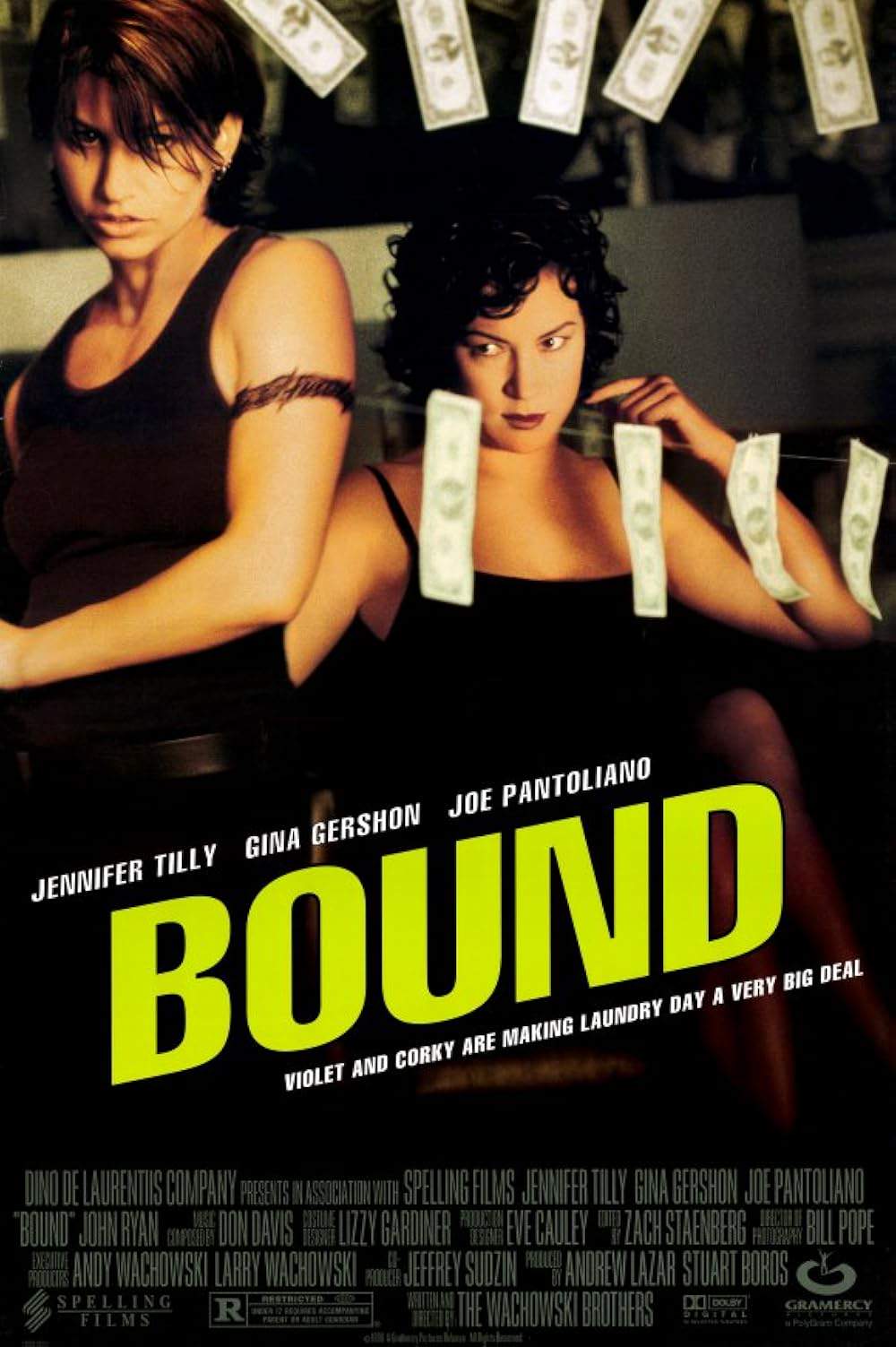
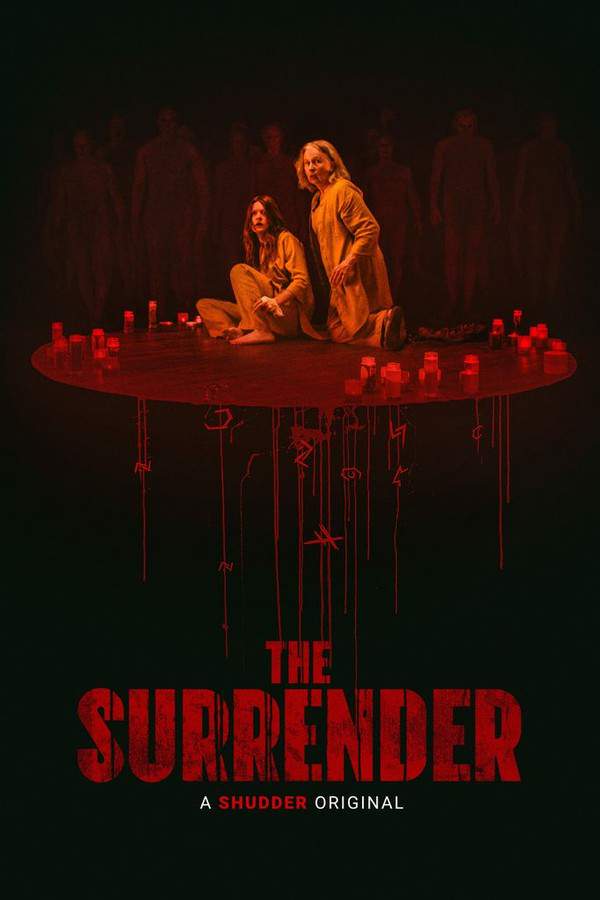
Browse a curated list of movies similar in genre, tone, characters, or story structure. Discover new titles like the one you're watching, perfect for fans of related plots, vibes, or cinematic styles.










Quick Links: Summary, Cast, Ratings, More

What's After the Movie?
Not sure whether to stay after the credits? Find out!
Check out our other apps:

SAT Sphere
Build confidence for the Digital SAT.

Mori Atlas
Discover wild places worth protecting.

Luntero
Search smarter for a home in Amsterdam.

Plot Explained
Unravel movie endings and hidden clues.

Pokechamp
Dive into Pokémon data and battle logic.

Driving Theory
Get ready for your European theory test.

Movie Dust
Plan your next cinema trip with ease.

Musemap
Find art and culture as you travel.

Selkobase
Compare credentials before committing.

Local Manual
Turn an unfamiliar country into practical next steps.

Lernavi
Compare school systems before your next move.

GymRoam
Find a workout stop wherever your plans take you.
Explore Our Movie Platform
New Movie Releases (2026)
Famous Movie Actors
Top Film Production Studios
Movie Plot Summaries & Endings
Major Movie Awards & Winners
Best Concert Films & Music Documentaries
Movie Collections and Curated Lists
© 2026 What's After the Movie. All rights reserved.
Privacy Policy