
Strike (2007): Ratings, Box Office & Plot
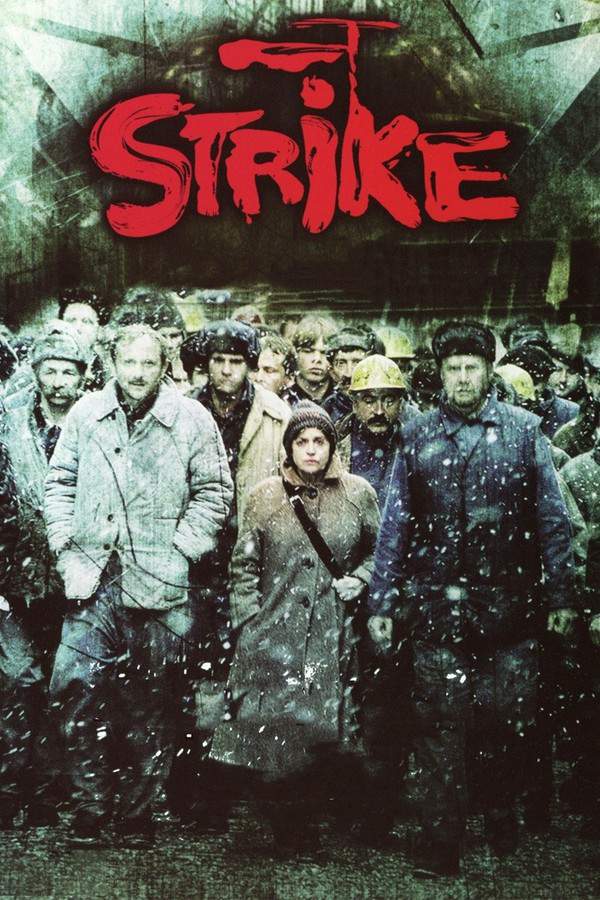
Strike is a 2007 drama directed by Volker Schlöndorff. It runs 1 hour 44 minutes and earned $8,872 worldwide. Critics gave it 72 on Metacritic, and IMDb users rate it 8.1/10.
- Released
- Runtime
- 1h 44m (104 min)
- Director
- Volker Schlöndorff
- Genre
- Drama
- Original language
-
 German
 - Studio
- Laemmle/Zeller Films
- After the credits
- No No extra scene
What Is Strike About?
The premise of Strike without spoilers. The whole story is in the plot summary further down.
This drama tells the remarkable true story of a woman whose actions ignited Poland's Solidarity movement and ultimately helped to usher in democracy. The film portrays her journey of quiet determination and courage as she confronts injustice, inspiring others to join her in the fight for freedom. It's a powerful tribute to an unsung hero whose bravery changed a nation.
Strike Themes & Keywords
· 50 tags- terrorism
- revenge
- obsession
- british special air service
- british special forces
- spy action
- 2010s
- 21st century
- counter terrorism
- cia central intelligence agency
- female full frontal nudity
- female rear nudity
+38 more Show fewer
- corporal
- colonel
- lieutenant colonel
- captain
- military
- british soldier
- british army
- mercenary
- warrior
- murder
- death
- brutality
- mercilessness
- terrorist group
- terrorist plot
- gunfight
- battle
- battlefield
- combat
- gun battle
- british intelligence
- englishman abroad
- secret agent
- espionage
- female soldier
- female mercenary
- explosion
- exploding car
- 2020s
- male protagonist
- male rear nudity
- male star appears nude
- male nudity
- machine gun
- machismo
- tough girl
- cia
- female warrior
The Director of Strike
Directed by Volker Schlöndorff.
-
 Director Volker Schlöndorff
Strike Reviews & Ratings
Critics gave Strike 72 on Metacritic, and IMDb users rate it 8.1/10.
-
 IMDb
IMDb 8.1 /10
See on IMDb -
 Metacritic
 72 Metascore
See on Metacritic -
 TMDB
TMDB 61% User score
See on TMDB
Strike Plot Summary
What happens in Strike from start to finish, spoilers included, with a timeline of 15 key events. The opening is below; the full summary is a 3-minute read.
Spoilers ahead
In the Lenin Shipyard in Gdańsk, a diligent welder named Agnieszka Kowalska earns steady respect as she is repeatedly honored as an “activist of the Year” for being a stellar superquota worker. Marked by this tenth victory, she receives a television and offers a grateful speech about coming to the shipyard in 1950 with nothing and now having a skilled trade and a home. Yet the celebration is complicated by the whispers of her colleagues, especially the other women workers, who are not impressed by how hard she has pushed herself to meet the quotas demanded by the Party.
Full summary
The whole story of Strike, scene by scene
Strike Box Office
Strike grossed $8,872 worldwide.
Worldwide gross
$8.9K
- US & Canada
- $8.9K
How Well Do You Know Strike?
9 questions about the story, each with a hint if you get stuck. Pick an answer to see whether you were right.
Question 1 of 9
- Question 1: not answered
- Question 2: not answered
- Question 3: not answered
- Question 4: not answered
- Question 5: not answered
- Question 6: not answered
- Question 7: not answered
- Question 8: not answered
- Question 9: not answered
What profession does Agnieszka Kowalska initially hold at the Lenin Shipyard?
Strike Also Known As
4 alternative titles, including “Strajk” and “Grev”.
- Also known as
-
- Strajk
- Grev
- 我要求正義
- 大罢工
Seen Strike?
Movies Like Strike
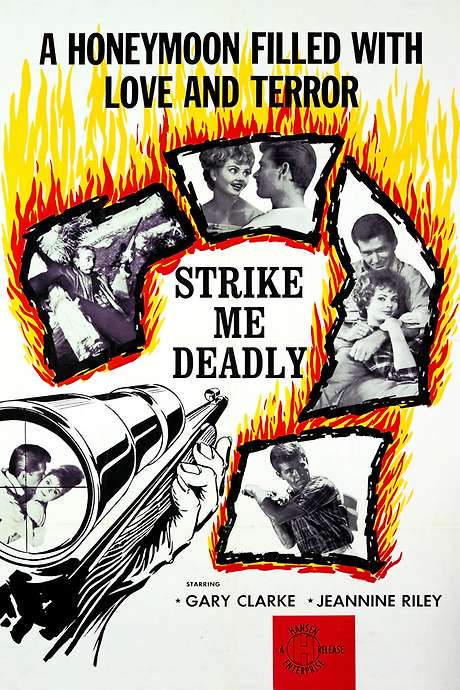
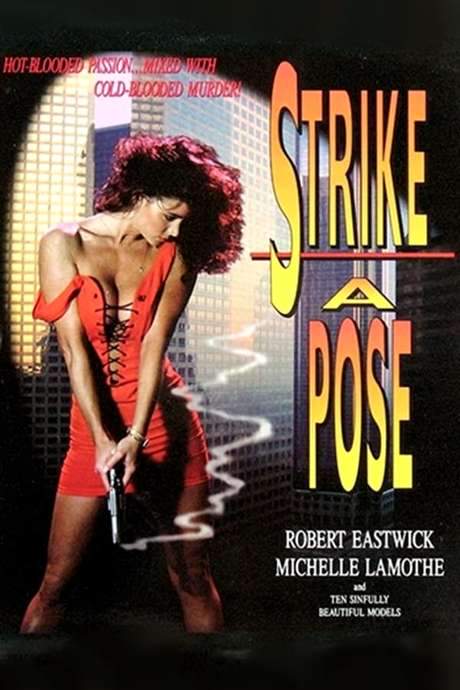
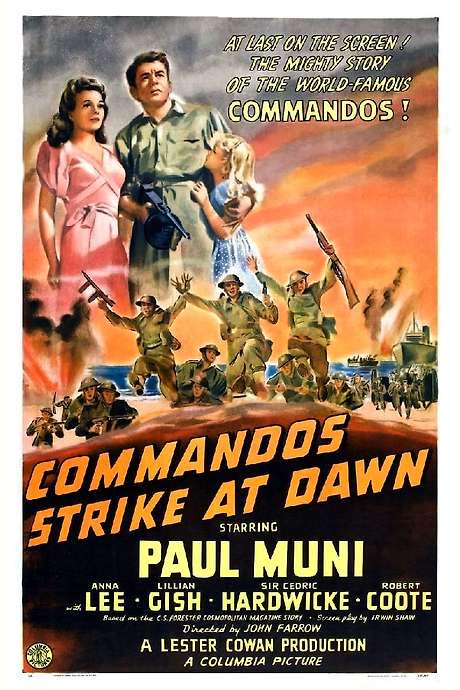
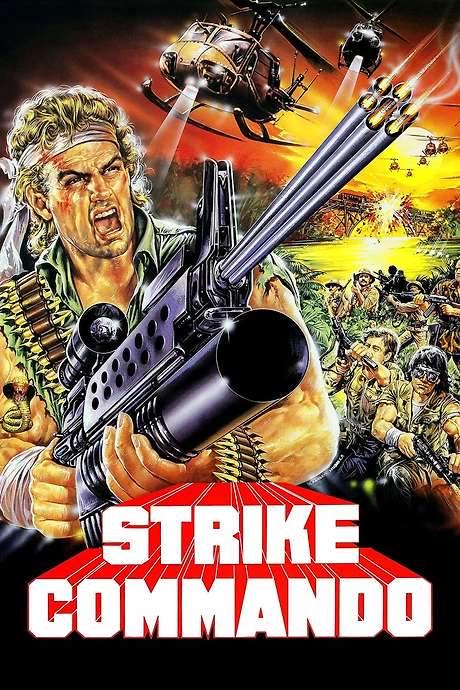
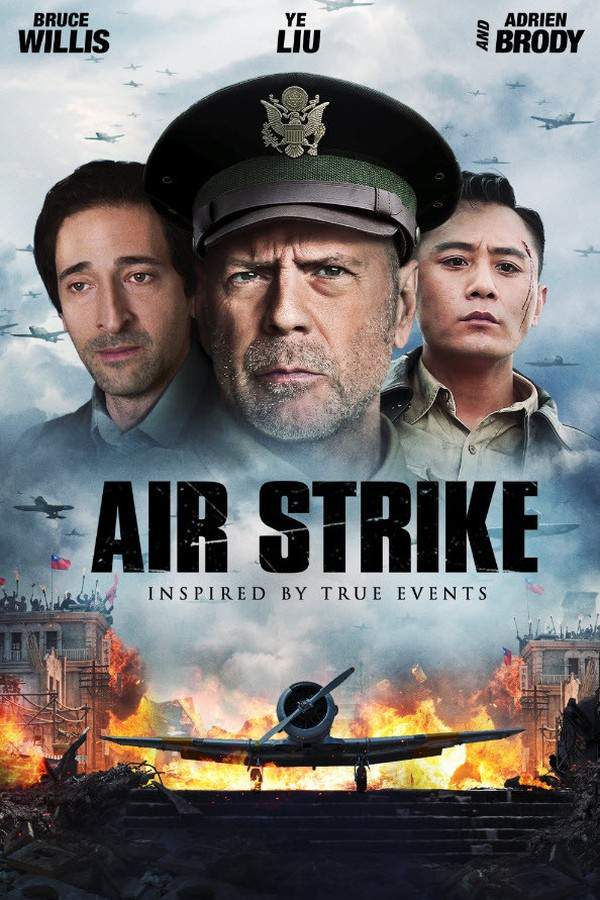
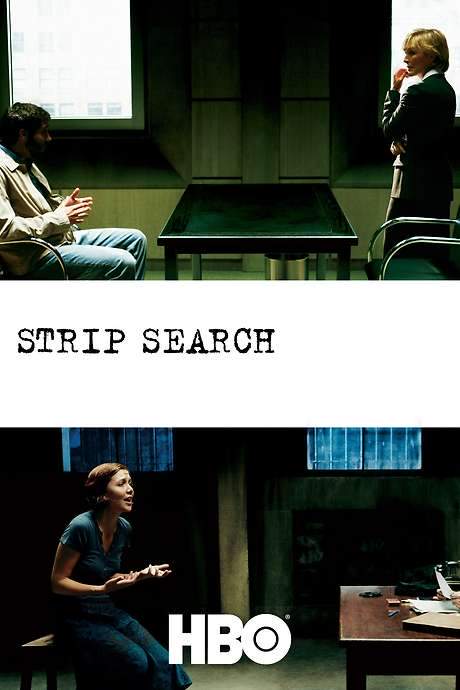
Films with a similar story, tone or audience, including Strike, The Strike and Hidden Strike.

Strike FAQ: Box Office, Runtime & Release Date
Runtime, release date, director, box office, ratings, post-credit scenes and language of Strike, each answered in a sentence.
How long is Strike?
Strike runs 1 hour 44 minutes (104 minutes).
When was Strike released?
Strike was released on June 15, 2007.
Who directed Strike?
Strike was directed by Volker Schlöndorff.
More films by Volker Schlöndorff How much did Strike make at the box office?
Strike grossed $8,872 worldwide.
How is Strike rated?
Strike has 8.1/10 on IMDb, 72 on Metacritic and 61% on TMDB.
Does Strike have a post-credit scene?
No. Strike has no extra scene during or after the credits.
What language is Strike in?
The original language of Strike is German.
Coming soon to your phone
The Plot Explained Movie Summary App
From blockbusters to hidden gems: plot summaries, endings explained and timelines on your phone. Save your favorites and never miss a twist again.
Be the first to know when it launches. Your email stays private, always. Learn more about the app
