Shooting Dogs 2005


When the Rwandan genocide erupts, a Western priest and a schoolteacher find themselves trapped in the chaos. Forced to choose between risking their own lives to shelter fleeing refugees or fleeing to safety, they confront a harrowing moral dilemma. The drama follows their real‑life struggle to act against unimaginable horror.


Does Shooting Dogs have end credit scenes?
No!
Shooting Dogs does not have end credit scenes. You can leave when the credits roll.
Meet the Full Cast and Actors of Shooting Dogs
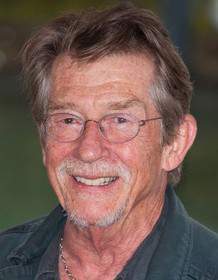
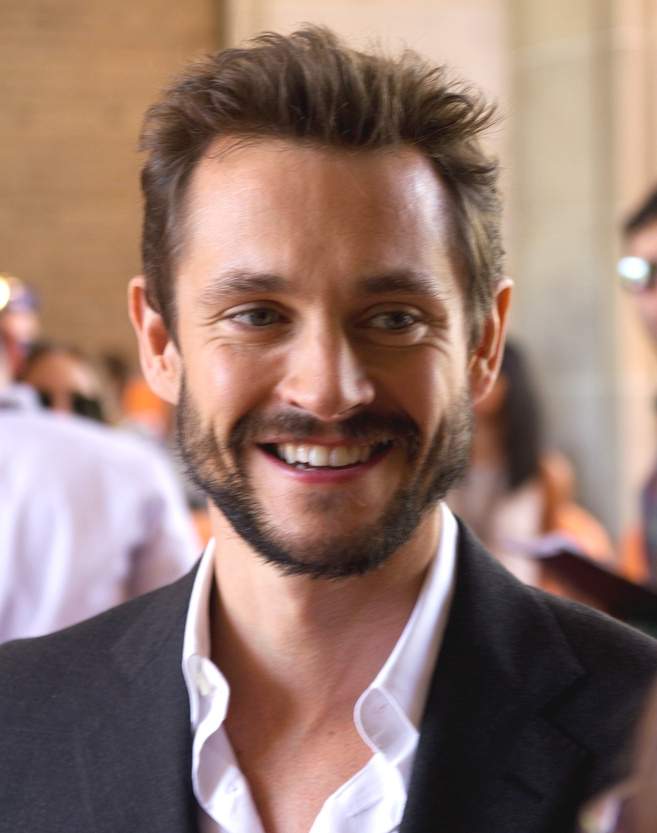
Explore the complete cast of Shooting Dogs, including both lead and supporting actors. Learn who plays each character, discover their past roles and achievements, and find out what makes this ensemble cast stand out in the world of film and television.


External Links and Streaming Options
Discover where to watch Shooting Dogs online, including streaming platforms, rental options, and official sources. Compare reviews, ratings, and in-depth movie information across sites like IMDb, TMDb, Wikipedia or Rotten Tomatoes.







Take the Ultimate Shooting Dogs Movie Quiz
Challenge your knowledge of Shooting Dogs with this fun and interactive movie quiz. Test yourself on key plot points, iconic characters, hidden details, and memorable moments to see how well you really know the film.
Shooting Dogs Quiz: Test your knowledge of the 2005 film *Shooting Dogs*, which dramatizes the events at the École Technique Officielle during the Rwandan genocide.
What is the profession of the main character Joe Connor?
Full Plot Summary and Ending Explained for Shooting Dogs
Read the complete plot summary of Shooting Dogs, including all major events, twists, and the full ending explained in detail. Explore key characters, themes, hidden meanings, and everything you need to understand the story from beginning to end.
Joe Connor, Hugh Dancy, is a patient teacher at the École Technique Officielle outside Kigali, a small outpost run by John Hurt as Father Christopher and guarded by a unit under Captain Delon, Dominique Horwitz. The school, already home to a mix of refugees and a few European arrivals, becomes a fragile sanctuary as whispers of looming violence spread: lists of Tutsi families are drawn up, reports of mobs terrorize other parts of the country, and a wary eye is kept on a UN mandate that seems ill-suited to stop what might come. In this tense atmosphere, Joe grows particularly close to a local girl, Marie, a bond that ties him emotionally to the school’s fragile community.
On the night of 6 April 1994, the mood shifts from fragile calm to imminent danger: distant explosions and gunfire ring out, and Delon orders the perimeter fortified, turning the school into a makeshift fortress. Refugees arrive at the gates, and despite Delon’s protests, Father Christopher insists they must be allowed in. The next morning, Joe drives to Marie’s house to fetch her, only to find the place empty except for a dog; Marie herself later slips in through the rear entrance, while the front remains blocked by a Hutu mob. The refugees begin organizing under Roland’s leadership, and a small group of European refugees is granted better quarters, much to Christopher’s frustration. Joe throws himself into helping the new arrivals, balancing his duties as a teacher with the urgent demands of crisis relief.
As the mob closes in, Joe believes the refugees’ plight should be broadcast to the world. He asks Captain Delon for help in bringing in Rachel, a BBC journalist, Nicola Walker, hoping that television coverage might force outside attention and relief. Delon is initially cooperative, but his stance hardens after news reaches him that the Belgian troops guarding the Prime Minister Uwilingiyimana have been massacred. Joe resolves to press on anyway and enlists his Hutu friend François, David Gyasi, to escort him, though François is not at home when Joe first goes to fetch him. He eventually finds Rachel and her cameraman and persuades them to come to the school by insinuating that there are Europeans inside. On the return trip, they are stopped at a roadblock and dragged from their vehicle at gunpoint. Rachel negotiates, but the scene is brutal: Joe witnesses a Tutsi man hacked to death with machetes, and François is seen among the mob, brandishing a bloody blade. François arranges for the journalists to pass, but the moment leaves a growing rift in Joe’s perception of “neutral” reporting. Rachel later reflects with him on the dispassion she sees in journalists who cover such atrocities, drawing on her Bosnia experience to frame the violence as something more than a distant news item.
During a tense interview with Delon, Rachel questions why his troops do not intervene to stop the killings and challenges the UN mandate. Delon maintains his position, invoking the limits of his mandate and the need for political backing to allow intervention. He does, however, request a mandate change, but receives no relief. In the midst of this, Father Christopher becomes personally touched by the refugees’ plight: he helps deliver the baby of Edda, one of the refugees, and the infant’s name becomes a source of small solace for him. Later, Christopher seeks medicine for the infant and visits a nearby convent believed to have been attacked. He pays a bribe to obtain the medicine and lies that the child is Hutu to secure help. When he returns to the school, he finds the nuns at the convent killed, and the spent hurdlers he had lent out for use by the roadblock are being repurposed as part of the barricades. The sight underscores the cruelty of the unfolding chaos and the moral compromises forced upon those inside the compound.
French troops arrive, but they say they are there only for French refugees. Delon’s temper flares, yet he finally agrees to evacuate all Europeans. Joe tries to negotiate for Marie to take his place on the trucks, but Delon rebuffs him. Rachel departs with the French, urging Joe to leave as well. A group of refugees, including Edda, attempts a rear escape but is ambushed by the mob; most are killed, and the brave attempt ends in tragedy when Edda and her baby are spotted and slain. Delon then orders a withdrawal; the Belgians prepare to depart, but Roland pleads for Delon to shoot the refugees to spare them a more prolonged massacre. Delon refuses, and Joe, unable to bear the situation any longer, leaves with Delon, leaving Marie behind. As Joe boards the truck, he can only whisper to Marie, “I’m sorry.” Christopher chooses to stay behind, but he realizes he can smuggle a small group of children out in the back of the school truck. He takes Marie and a few others, intending to return for more, but the moment he leaves, the mob attacks and massacres the remaining refugees.
The story cuts between Marie’s frantic flight—she manages to slip away from the roadblock with the children—and interviews that question the UN’s reluctance to call the carnage genocide. In the epilogue, Marie tracks down Joe, who is now a teacher at Christopher’s old school, and the two briefly reflect on their shared experiences. The film closes with factual notes about the genocide in Rwanda and the specific killings at the ETO, alongside personal reflections from some of the crew who lived through those days.

Coming soon on iOS and Android
The Plot Explained Mobile App
From blockbusters to hidden gems — dive into movie stories anytime, anywhere. Save your favorites, discover plots faster, and never miss a twist again.
Sign up to be the first to know when we launch. Your email stays private — always.
Explore the mobile appWatch Trailers, Clips & Behind-the-Scenes for Shooting Dogs
Watch official trailers, exclusive clips, cast interviews, and behind-the-scenes footage from Shooting Dogs. Dive deeper into the making of the film, its standout moments, and key production insights.
Cars Featured in Shooting Dogs
Explore all cars featured in Shooting Dogs, including their makes, models, scenes they appear in, and their significance to the plot. A must-read for car enthusiasts and movie buffs alike.
Shooting Dogs Themes and Keywords
Discover the central themes, ideas, and keywords that define the movie’s story, tone, and message. Analyze the film’s deeper meanings, genre influences, and recurring concepts.
Shooting Dogs Other Names and Titles
Explore the various alternative titles, translations, and other names used for Shooting Dogs across different regions and languages. Understand how the film is marketed and recognized worldwide.
Similar Movies To Shooting Dogs You Should Know About
Browse a curated list of movies similar in genre, tone, characters, or story structure. Discover new titles like the one you're watching, perfect for fans of related plots, vibes, or cinematic styles.




Quick Links: Summary, Cast, Ratings, More

What's After the Movie?
Not sure whether to stay after the credits? Find out!
Check out our other apps:

SAT Sphere
Build confidence for the Digital SAT.

Mori Atlas
Discover wild places worth protecting.

Luntero
Search smarter for a home in Amsterdam.

Plot Explained
Unravel movie endings and hidden clues.

Pokechamp
Dive into Pokémon data and battle logic.

Driving Theory
Get ready for your European theory test.

Movie Dust
Plan your next cinema trip with ease.

Musemap
Find art and culture as you travel.

Selkobase
Compare credentials before committing.

Local Manual
Turn an unfamiliar country into practical next steps.

Lernavi
Compare school systems before your next move.

GymRoam
Find a workout stop wherever your plans take you.
Explore Our Movie Platform
New Movie Releases (2026)
Famous Movie Actors
Top Film Production Studios
Movie Plot Summaries & Endings
Major Movie Awards & Winners
Best Concert Films & Music Documentaries
Movie Collections and Curated Lists
© 2026 What's After the Movie. All rights reserved.
Privacy Policy