Second Best 1994


A British postal officer longs to be a father, while his adoptive son feels disillusioned with life. As they navigate their strained bond, they gradually build friendship, trust and hope, forging a compelling connection that reshapes both of their futures. Set against the backdrop of everyday British suburbia, their evolving relationship reveals the challenges of adoption and the yearning for belonging, ultimately delivering a heartfelt portrait of resilience.

Does Second Best have end credit scenes?
No!
Second Best does not have end credit scenes. You can leave when the credits roll.
Meet the Full Cast and Actors of Second Best
Explore the complete cast of Second Best, including both lead and supporting actors. Learn who plays each character, discover their past roles and achievements, and find out what makes this ensemble cast stand out in the world of film and television.

William Hurt
Graham Holt

John Hurt
Uncle Turpin
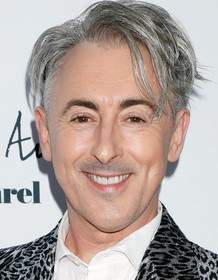
Alan Cumming
Bernard

Alfred Lynch
Edward
Jake Owen
Jimmy, age 3
Jane Horrocks
Debbie
Keith Allen
John
Chris Menges
Nerys Hughes
Maureen
Prunella Scales
Margery
James Warrior
Senior Social Worker
Nathan Yapp
Jimmy
Chris Cleary Miles
James
Adam Wills
Graham, age 12
Doris Irving
Adoption Shop Volunteer
Rachel Freeman
Elsie
External Links and Streaming Options
Discover where to watch Second Best online, including streaming platforms, rental options, and official sources. Compare reviews, ratings, and in-depth movie information across sites like IMDb, TMDb, Wikipedia or Rotten Tomatoes.








Take the Ultimate Second Best Movie Quiz
Challenge your knowledge of Second Best with this fun and interactive movie quiz. Test yourself on key plot points, iconic characters, hidden details, and memorable moments to see how well you really know the film.
Second Best (1994) Quiz: Test your knowledge of the 1994 drama *Second Best*, which follows Graham Holt's journey to adopt James Lennards and the challenges they face together.
Who plays the role of Graham Holt, the single man pursuing adoption?
Full Plot Summary and Ending Explained for Second Best
Read the complete plot summary of Second Best, including all major events, twists, and the full ending explained in detail. Explore key characters, themes, hidden meanings, and everything you need to understand the story from beginning to end.
Graham Holt, William Hurt, is a single man who wants to adopt a son, and he enters an extended vetting process that will test his ability to build a family while also revealing how his own emotional development was smothered by uncaring parents. The movie centers on Graham’s patient, careful journey toward fatherhood as he navigates classes, social-worker meetings, and the slow, often awkward formation of trust with the child who could become his son, James Lennards, Chris Cleary Miles.
James Lennards is a disturbed child raised in foster care, haunted by memories that feel half-remembered and half-romanticized. He carries a vivid image of his father, a man who is repeatedly in and out of prison, while his memories of his mother from age three remain foggy at best. Throughout his short life, James experiences flashbacks that provoke anger, self-mutilation, and destruction of property, painting a picture of a boy who is fragile beneath a gaunt shell of defiance.
As Graham moves through the adoption process, he attends classes and meets regularly with social workers, trying to learn what it means to parent in partnership rather than as a distant guardian. The first signs of potential connection come in small, intimate moments. When James is shown the room that would be his if the adoption goes through, he moves toward Graham and wraps his arms around him, and Graham offers a brief, reassuring hug. It’s a quiet, hopeful moment, the kind that hints at the possibility of love without forcing it.
James also makes friends with some local children who ride bicycles, giving him something to look forward to during a time when stability feels out of reach. Graham attempts to explain how a relationship should work, describing a partnership rather than a simple caretaker role, though he avoids explicitly naming love as the foundation for their bond. To understand James’s past, Graham visits key figures, including Lynn, a foster mother who was one of the few people James ever trusted. Lynn’s memories of James—his constant running away, his almost naked appearances in dirty, hidden places—highlight how deeply unsettled James has been by his formative experiences. On the long ride home, Graham asks James why he respects Lynn, and James responds with a mix of fear and longing, revealing that Lynn is not a typical caregiver in his eyes.
The two men share moments that test the boundaries of trust: James agrees to a camping weekend where tenting becomes a source of shared risk and joy. He even goes so far as to surgically test Graham’s tenderness by injuring his own forehead with a stick and asking for a kiss to make the pain go away, insisting that the kiss must be long to feel real—an echo of a past hurt connected to his birth father. Graham obliges, and the moment deepens the bond between them. That night, James slips into Graham’s sleeping bag, a quiet sign of growing closeness that both terrifies and reassures.
After several weekends together, Graham introduces James to his own family by taking him to meet his father’s brother, Uncle Turpin, played by John Hurt as Uncle Turpin. Turpin’s playful teasing eventually brings a smile to James’s face, while he challenges Graham to consider whether he is truly prepared to adopt. He urges Graham to reflect on his own relationship with his father, noting the complex dynamics of love within Graham’s family history. Turpin’s frankness, echoed by hints of a more complicated past in the original novel, pushes Graham to confront the seriousness of his decision.
As the school year begins, Graham is permitted to foster James while the final adoption takes place, ensuring that James can remain in the same school and community. The bond between them continues to grow amid the challenges of a boy who has learned to guard his heart as a survival strategy. Yet the past remains a potent force, and a new obstacle appears when James’s father reappears, claiming he is dying and asking Graham to allow him to stay nearby, unseen by James, for the last few months of his life. Graham refuses, believing that James deserves to know the truth. The reunion goes badly, rekindling old pains and sending James back toward old habits as a coping mechanism.
Ultimately, Graham and James choose a family arrangement that honors honesty and care. They invite James’s father to move in with them, and they all share the responsibility of caring for him in his final months. The choice marks a turning point: Graham makes a steadfast declaration about their relationship, and James responds with a symbolic gesture that signals a fresh start. He flips a gas-station sign from open to closed, a small act that signals the end of a painful history and the beginning of a new life. He reaches for Graham’s hand, stepping into a future built on mutual trust and shared responsibility.
I won’t be second best, we must be father and son.

Coming soon on iOS and Android
The Plot Explained Mobile App
From blockbusters to hidden gems — dive into movie stories anytime, anywhere. Save your favorites, discover plots faster, and never miss a twist again.
Sign up to be the first to know when we launch. Your email stays private — always.
Explore the mobile appWatch Trailers, Clips & Behind-the-Scenes for Second Best
Watch official trailers, exclusive clips, cast interviews, and behind-the-scenes footage from Second Best. Dive deeper into the making of the film, its standout moments, and key production insights.
Cars Featured in Second Best
Explore all cars featured in Second Best, including their makes, models, scenes they appear in, and their significance to the plot. A must-read for car enthusiasts and movie buffs alike.
Second Best Themes and Keywords
Discover the central themes, ideas, and keywords that define the movie’s story, tone, and message. Analyze the film’s deeper meanings, genre influences, and recurring concepts.
Second Best Other Names and Titles
Explore the various alternative titles, translations, and other names used for Second Best across different regions and languages. Understand how the film is marketed and recognized worldwide.
Similar Movies To Second Best You Should Know About
Browse a curated list of movies similar in genre, tone, characters, or story structure. Discover new titles like the one you're watching, perfect for fans of related plots, vibes, or cinematic styles.




Quick Links: Summary, Cast, Ratings, More

What's After the Movie?
Not sure whether to stay after the credits? Find out!
Check out our other apps:

SAT Sphere
Build confidence for the Digital SAT.

Mori Atlas
Discover wild places worth protecting.

Luntero
Search smarter for a home in Amsterdam.

Plot Explained
Unravel movie endings and hidden clues.

Pokechamp
Dive into Pokémon data and battle logic.

Driving Theory
Get ready for your European theory test.

Movie Dust
Plan your next cinema trip with ease.

Musemap
Find art and culture as you travel.

Selkobase
Compare credentials before committing.

Local Manual
Turn an unfamiliar country into practical next steps.

Lernavi
Compare school systems before your next move.

GymRoam
Find a workout stop wherever your plans take you.
Explore Our Movie Platform
New Movie Releases (2026)
Famous Movie Actors
Top Film Production Studios
Movie Plot Summaries & Endings
Major Movie Awards & Winners
Best Concert Films & Music Documentaries
Movie Collections and Curated Lists
© 2026 What's After the Movie. All rights reserved.
Privacy Policy