Helter Skelter 1976


WHISPER IT LIKE A CURSE! The investigation of two horrific mass murders leads to the capture and trial of the psychotic pseudo-hippie Charles Manson and his “family”.


Does Helter Skelter have end credit scenes?
No!
Helter Skelter does not have end credit scenes. You can leave when the credits roll.
Meet the Full Cast and Actors of Helter Skelter
Explore the complete cast of Helter Skelter, including both lead and supporting actors. Learn who plays each character, discover their past roles and achievements, and find out what makes this ensemble cast stand out in the world of film and television.

David Clennon
Harry Jones

Marilyn Burns
Linda Kasabian

Bert Williams
Deputy
Adam Williams
Terrence Milik
John Furlong
Judge Dell
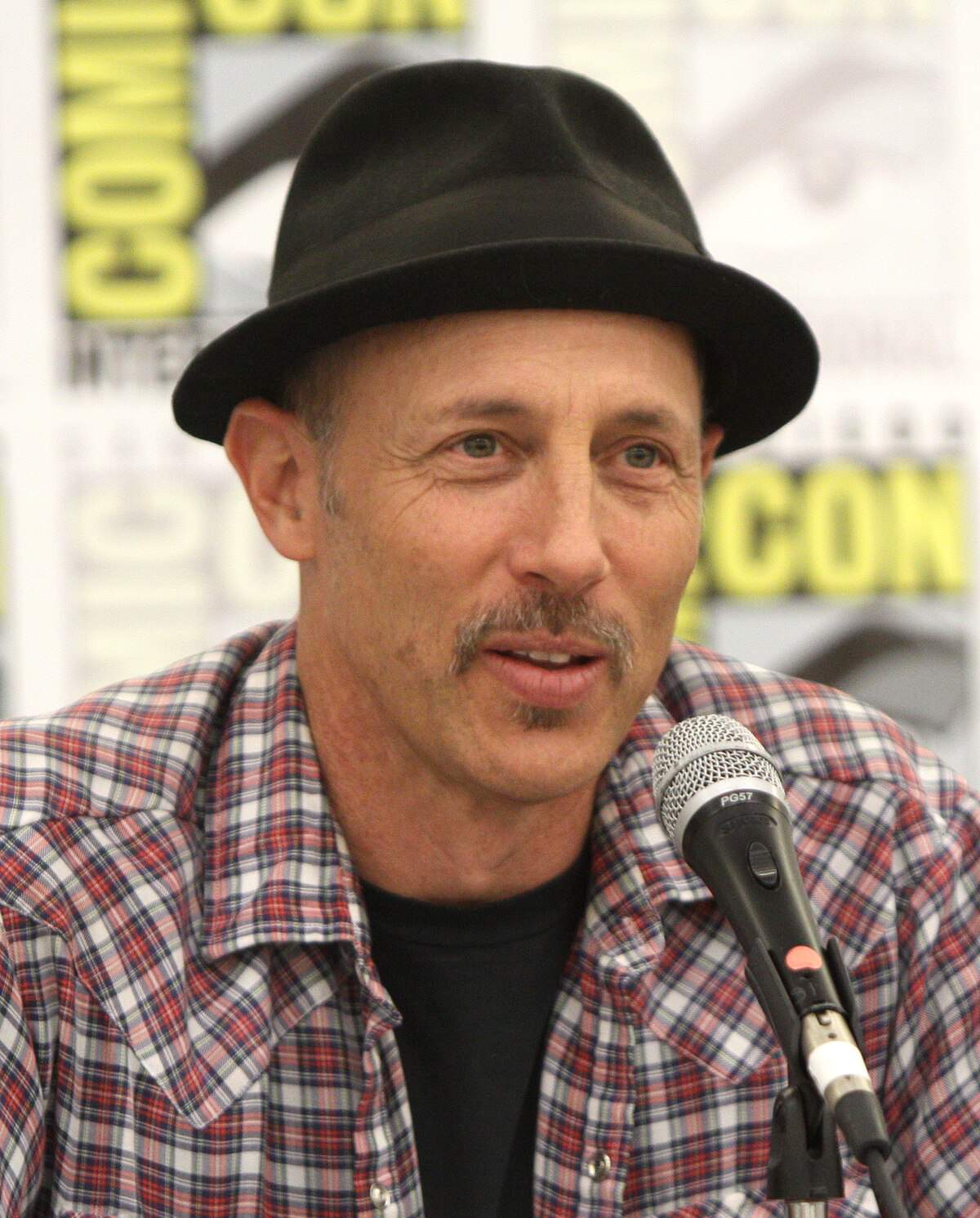
Jon Gries
William Garretson
Alan Oppenheimer
Aaron Stovitz
Doug McGrath
Plainclothesman
Roy Jenson
Punchy
Josh Albee
Struthers
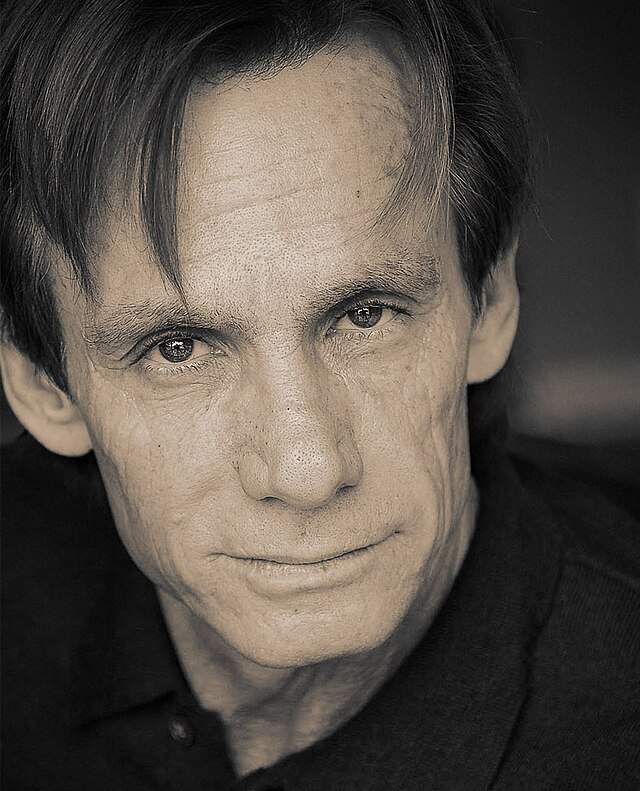
Steve Railsback
Charles Manson
Bart Braverman
George Brewer
Joyce Easton
Gail Bugliosi
Rudy Ramos
Danny DeCarlo
Bart Burns
Frank Fowles
James Brodhead
Mr. Quint
George DiCenzo
Vincent Bugliosi
Marc Alaimo
Phil Cohen
Skip Homeier
Judge Older
Richard Venture
Police Inspector
Eileen Dietz
Family Girl
Paul Mantee
Sgt. O'Neal
Howard Caine
Everett Scoville
Edward Bell
Sgt. Hank Kruger
Sondra Blake
Ronnie Howard
Alan Dexter
Dog Owner
Linden Chiles
J. Miller Leavy
Louise Caire Clark
Susan Struthers
Carole Ita White
Big Sal
Nancy Wolfe
Susan Atkins
Larry Pennell
Sgt. White
Bruce French
Officer Ocher
Robert Ito
Drees Darrin
Steven Marlo
Police Officer
Stanley Ralph Ross
Sgt. Ross
Sidney Clute
Reporter
Robert F. Hoy
Sgt. Franklin
Cal Haynes
Keith
Al Checco
Leno La Bianca
Phillip R. Allen
Sgt. Manuel Gris
Read Morgan
Officer Columbine
Stack Pierce
Bailiff Joe
Anne Newman Bacal
Mrs. Quint
Christina Hart
Patricia Krenwinkel
Anthony Herrera
Sgt. Smith
Lionel Decker
Jury Foreman Tubick
Jonathan Goldsmith
Hank Charter
Jason Ronard
Paul Watkins
Bert Conway
Judge Keene
Ray Middleton
Mr. Spahn
George Garro
Rosner
Billy Durkin
Tex Watson
Cathey Paine
Leslie Van Houten
George Putnam
Newscaster
Sondra Lowell
Family Girl
Rod Arrants
Bart Listen
Vic Werber
Lt. Brenner
Steve Gries
Steve 'Clem' Grogan
External Links and Streaming Options
Discover where to watch Helter Skelter online, including streaming platforms, rental options, and official sources. Compare reviews, ratings, and in-depth movie information across sites like IMDb, TMDb, Wikipedia or JustWatch.






Take the Ultimate Helter Skelter Movie Quiz
Challenge your knowledge of Helter Skelter with this fun and interactive movie quiz. Test yourself on key plot points, iconic characters, hidden details, and memorable moments to see how well you really know the film.
Helter Skelter (1976) Quiz: Test your knowledge of the 1976 film Helter Skelter, which dramatizes the investigation and trial of Charles Manson and his followers.
Which Los Angeles District Attorney leads the prosecution in the film?
Full Plot Summary and Ending Explained for Helter Skelter
Read the complete plot summary of Helter Skelter, including all major events, twists, and the full ending explained in detail. Explore key characters, themes, hidden meanings, and everything you need to understand the story from beginning to end.
William Garretson, Jon Gries, is arrested after the discovery of the bodies at Sharon Tate’s home but is released three days later for lack of evidence. The film then makes clear that the police are reluctant to immediately connect the Tate killings with the Hinman murder and the LaBianca killings, despite several striking similarities between the crime scenes—most notably writing in blood on the walls. Instead of pursuing a direct link to the other murders, investigators lean toward a drug-related angle for the Tate case, a choice that shapes the early course of the investigation.
The story shifts to the sprawling Spahn Ranch, where a police raid targets what they suspect to be an auto theft ring and, in the process, aims to arrest Charles Manson and members of his enigmatic following. A quiet, almost incidental detail unfolds: nine-year-old Steven Quint discovers a gun, and his father hands it over to the police, only to see the weapon ignored and left unexamined. This understated moment echoes the broader sense of missed opportunities that permeates the narrative. As the investigation continues, the Manson Family is released from prison, and later two young girls fleeing Death Valley—Stephanie Mark and Kitty Lutesinger in the film’s shorthand—tell police that the group has relocated to Barker Ranch and that Susan Atkins was involved in the Hinman murder. The implications are chilling, and the weight of what is known begins to feel almost overwhelming.
Susan Atkins soon becomes a central figure in the unfolding drama. Arrested, she ends up sharing details with a fellow inmate Ronnie Howard about her involvement in not only the Hinman murder but a far broader history of violence, including the Tate killings. This admission becomes a catalyst that intensifies the investigation and propels the case toward a formal mountain of charges. The tension between what is known, what is suspected, and what can be proven becomes a key engine of the story, as investigators and prosecutors work to connect the dots that span multiple killings and a radical, insurgent worldview.
Vincent Bugliosi, the Los Angeles District Attorney, enters the narrative as a meticulous, calculating presence. He interviews Danny DeCarlo, who offers a tour of Spahn Ranch and describes Manson as possessing a .22 caliber Buntline revolver that matches the weapon used in the murders. This claim, if borne out, would become a crucial thread in the prosecution’s case. The film follows Bugliosi as he pieces together the timeline and builds a strategy that would eventually bring extraordinary pressure to bear on the charged individuals. Danny DeCarlo, Rudy Ramos, serves as a key witness who helps connect the physical evidence to the suspects, and Bugliosi’s methodical approach to ballistics and forensics begins to tighten the net around the defendants.
As the investigation deepens, word of the mounting evidence reaches the public consciousness through dramatic moments. Ronnie Howard places a call to the homicide division to relay new information, but the police’s response is curt and unsympathetic, a moment that amplifies the sense of public distrust in law enforcement’s handling of the case. Bugliosi’s team secures arrest warrants for participants in the killings, and Linda Kasabian, Marilyn Burns, eventually surrenders on the warrant. The fingerprints of Tex Watson, Billy Durkin, and Patricia Krenwinkel, Christina Hart, are matched to those found at the Tate residence, providing tangible links between the suspects and the crime scenes. The film underscores how each new bit of forensic and documentary evidence moves the case from rumor to courtroom reality.
During grand jury proceedings, Susan Atkins reveals more details about the Tate and LaBianca killings, and the chain reaction is swift: Susan, Leslie Van Houten, Tex Watson, Patricia Krenwinkel, Linda Kasabian, and Manson are all brought up on charges. The restructuring of the investigation into a formal murder case is now complete, and the scope of accountability begins to crystallize. A small, almost human moment is captured when a reporter and photographer from KABC-TV attempt to retrace the events as reported in the newspapers; their work adds texture to the public’s understanding of the crimes. The scene where a father calls about the .22 revolver—and the investigators’ dismissive response—becomes a pointed reminder of the human side of the tragedy and the public’s appetite for answers.
Bugliosi uses ballistic testing to link the gun to the weapon used in the murder of Jay Sebring, a connection that anchors the investigation in a forensic reality. The sense that the case is coming together is palpable, even as the defense begins to frame its strategy around Manson’s controversial intent and leadership. Manson himself chooses to represent himself at trial, a bold and destabilizing move that forces Bugliosi to adapt. The prosecutor manipulates the clock, cleverly engineering more time for the grand jury and trial preparation, a tactical sequence that allows him to assemble a more persuasive case. Bugliosi interviews former Manson Family member Paul Watkins, Jonathan Goldsmith, who illuminates Manson’s worldview, including the chilling notion that the Beatles were sending him messages intended to ignite a race war he dubs “Helter Skelter.”
As the trial unfolds, Linda Kasabian testifies to the Tate and LaBianca murders, her testimony coming under sustained procedural objection from the defense. The courtroom drama intensifies: Manson erupts with a abrupt, dangerous outburst, leaps toward the judge, only to be subdued, and the cadence of the proceedings shifts under a heavy weight of attention from the press and the public. The defendants are ultimately ordered out of the courtroom during closing arguments as the proceedings move toward verdicts, and a series of death sentences are pronounced. The film then situates this outcome within a larger arc of legal history, noting that California would later abolish the death penalty in 1972, changing the gravity and future implications for the convicts and the judicial system alike.
Through it all, the film remains anchored in the tension between a culture of violent, radicalized disaffection and the orderly processes of law. It emphasizes how individuals, the media, forensic science, and legal strategy intersect to shape a case that became one of the defining trials of the era. The story of the Tate–LaBianca murders, the Manson Family, and the pursuit of justice is told with a calm, sober clarity, inviting viewers to reflect on the delicate balance between understanding motive, evaluating evidence, and deciding on punishment within a legal framework that was, at the time, as unsettled as the cultural landscape around it.

Coming soon on iOS and Android
The Plot Explained Mobile App
From blockbusters to hidden gems — dive into movie stories anytime, anywhere. Save your favorites, discover plots faster, and never miss a twist again.
Sign up to be the first to know when we launch. Your email stays private — always.
Explore the mobile appWatch Trailers, Clips & Behind-the-Scenes for Helter Skelter
Watch official trailers, exclusive clips, cast interviews, and behind-the-scenes footage from Helter Skelter. Dive deeper into the making of the film, its standout moments, and key production insights.
Cars Featured in Helter Skelter
Explore all cars featured in Helter Skelter, including their makes, models, scenes they appear in, and their significance to the plot. A must-read for car enthusiasts and movie buffs alike.
Helter Skelter Themes and Keywords
Discover the central themes, ideas, and keywords that define the movie’s story, tone, and message. Analyze the film’s deeper meanings, genre influences, and recurring concepts.
Helter Skelter Other Names and Titles
Explore the various alternative titles, translations, and other names used for Helter Skelter across different regions and languages. Understand how the film is marketed and recognized worldwide.
Similar Movies To Helter Skelter You Should Know About
Browse a curated list of movies similar in genre, tone, characters, or story structure. Discover new titles like the one you're watching, perfect for fans of related plots, vibes, or cinematic styles.





Quick Links: Summary, Cast, Ratings, More

What's After the Movie?
Not sure whether to stay after the credits? Find out!
Check out our other apps:

SAT Sphere
Build confidence for the Digital SAT.

Mori Atlas
Discover wild places worth protecting.

Luntero
Search smarter for a home in Amsterdam.

Plot Explained
Unravel movie endings and hidden clues.

Pokechamp
Dive into Pokémon data and battle logic.

Driving Theory
Get ready for your European theory test.

Movie Dust
Plan your next cinema trip with ease.

Musemap
Find art and culture as you travel.

Selkobase
Compare credentials before committing.

Local Manual
Turn an unfamiliar country into practical next steps.

Lernavi
Compare school systems before your next move.

GymRoam
Find a workout stop wherever your plans take you.
Explore Our Movie Platform
New Movie Releases (2026)
Famous Movie Actors
Top Film Production Studios
Movie Plot Summaries & Endings
Major Movie Awards & Winners
Best Concert Films & Music Documentaries
Movie Collections and Curated Lists
© 2026 What's After the Movie. All rights reserved.
Privacy Policy