Postcard 2010


In the waning months of World War II, seasoned soldier Keita is given a postcard by a fellow infantryman who believes he will not survive the front. When the war finally ends, Keita seeks out the fallen soldier’s widow, Yuko, and discovers the heartbreaking hardships and lingering sorrow that have defined her life since his loss.


Does Postcard have end credit scenes?
No!
Postcard does not have end credit scenes. You can leave when the credits roll.
Meet the Full Cast and Actors of Postcard
Explore the complete cast of Postcard, including both lead and supporting actors. Learn who plays each character, discover their past roles and achievements, and find out what makes this ensemble cast stand out in the world of film and television.

Mitsuko Baisho
Chiyo Morikawa, the Mother-in-Law
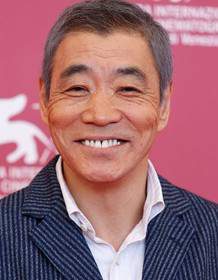
Akira Emoto
Yukichi Morikawa, the Father-in-Law

Moeko Ezawa

Shinobu Ôtake
Tomoko Morikawa

Masahiko Tsugawa
Riwemon, Matsuyama's Uncle
Naomasa Musaka
Sadazo Morikawa
Ren Osugi
Kichigoro Izumiya
Akaji Maro
Monk
Houka Kinoshita
Etsushi Toyokawa
Keita Matsuyama
Yasuhito Ohchi
Maiko Kawakami
Tokuko Watanabe
Dai Watanabe
External Links and Streaming Options
Discover where to watch Postcard online, including streaming platforms, rental options, and official sources. Compare reviews, ratings, and in-depth movie information across sites like IMDb, TMDb, Wikipedia or Rotten Tomatoes.






Full Plot Summary and Ending Explained for Postcard
Read the complete plot summary of Postcard, including all major events, twists, and the full ending explained in detail. Explore key characters, themes, hidden meanings, and everything you need to understand the story from beginning to end.
Near the end of the Pacific War, Sadazo Morikawa [Naomasa Musaka] is one of a hundred overaged conscripts assigned to cleaning duty aboard the navy. When the shift ends, a lottery selects the next tasks, and Sadazo is sent to the Philippines, fearing he may not survive. He entrusts a comrade, Matsuyama [Etsushi Toyokawa], with delivering a postcard to his wife, Tomoko [Shinobu Ôtake], to tell her he received it before he died. This quiet plea threads through a life shaped by duty, fear, and the slow erosion of hope.
Earlier in the siege of life, Sadazo leaves behind his parents, Yukichi Morikawa [Akira Emoto] and Chiyo Morikawa [Mitsuko Baisho], as well as his wife Tomoko, before a new chapter begins. A military official later confirms Sadazo’s death, a blow that reverberates through the family. Desperate and bound by tradition, Sadazo’s parents urge Tomoko not to abandon her obligations and instead consider marrying their younger son Sanpei [Maiko Kawakami]. Tomoko agrees to the match, but Sanpei’s path is grim: enlisted and pressured, he faces the harsh reality of war, ultimately dying in service. The years of conflict tighten their hold on the family, leaving little room for mercy or choice.
Back home, the toll continues: Yukichi Morikawa dies from a heart condition, and Chiyo Morikawa, trying to shield her family from further ruin, gives Tomoko some money before taking her own life. The war’s end arrives as an uneasy calm, and Matsuyama returns to Japan to find a country—and a household—unmade by absence and betrayal. His wife has fled after an affair with his father and now works as a bar hostess in Osaka, a fact that unsettles him as he encounters a version of home that no longer fits.
The encounter with Tomoko at her house becomes a pivotal moment. He recounts Sadazo’s fate and discloses a dream of leaving for Brazil, carrying with him 200,000 yen earned from selling his fishing boat. He even offers Tomoko half of that sum, but she refuses, choosing a harsher independence that tests both of their loyalties. A confrontation with Kichigoro Izumiya [Ren Osugi], another suitor of Tomoko, punctuates the fragility of their attachment and the stubbornness of pride in the face of loss.
Yet out of the tension grows a fragile agreement: Tomoko and Matsuyama will go to Brazil together. They perform a final, intimate act of remembrance by burning Sadazo and Sanpei’s ashes, a ritual that signals both release and renunciation. Tomoko, overwhelmed, drinks heavily and sets fire to the old house, from which Matsuyama rescues her. In the aftermath, they choose to remain in Japan and cultivate barley on the site of the former home, a quiet assertion of steadiness amid ruin. The film closes with the two of them standing together in a barley field, a simple, stubborn image of endurance in the wake of war’s long shadow. The narrative lingers on themes of memory, duty, and the resilience of two people choosing to stay connected to the land they occupy.

Coming soon on iOS and Android
The Plot Explained Mobile App
From blockbusters to hidden gems — dive into movie stories anytime, anywhere. Save your favorites, discover plots faster, and never miss a twist again.
Sign up to be the first to know when we launch. Your email stays private — always.
Explore the mobile appDiscover Film Music Concerts Near You – Live Orchestras Performing Iconic Movie Soundtracks
Immerse yourself in the magic of cinema with live orchestral performances of your favorite film scores. From sweeping Hollywood blockbusters and animated classics to epic fantasy soundtracks, our curated listings connect you to upcoming film music events worldwide.
Explore concert film screenings paired with full orchestra concerts, read detailed event information, and secure your tickets for unforgettable evenings celebrating legendary composers like John Williams, Hans Zimmer, and more.


Postcard Other Names and Titles
Explore the various alternative titles, translations, and other names used for Postcard across different regions and languages. Understand how the film is marketed and recognized worldwide.
Quick Links: Summary, Cast, Ratings, More

What's After the Movie?
Not sure whether to stay after the credits? Find out!
Check out our other apps:

SAT Sphere
Build confidence for the Digital SAT.

Mori Atlas
Discover wild places worth protecting.

Luntero
Search smarter for a home in Amsterdam.

Plot Explained
Unravel movie endings and hidden clues.

Pokechamp
Dive into Pokémon data and battle logic.

Driving Theory
Get ready for your European theory test.

Movie Dust
Plan your next cinema trip with ease.

Musemap
Find art and culture as you travel.

Selkobase
Compare credentials before committing.

Local Manual
Turn an unfamiliar country into practical next steps.

Lernavi
Compare school systems before your next move.

GymRoam
Find a workout stop wherever your plans take you.
Explore Our Movie Platform
New Movie Releases (2026)
Famous Movie Actors
Top Film Production Studios
Movie Plot Summaries & Endings
Major Movie Awards & Winners
Best Concert Films & Music Documentaries
Movie Collections and Curated Lists
© 2026 What's After the Movie. All rights reserved.
Privacy Policy