Possessor 2020

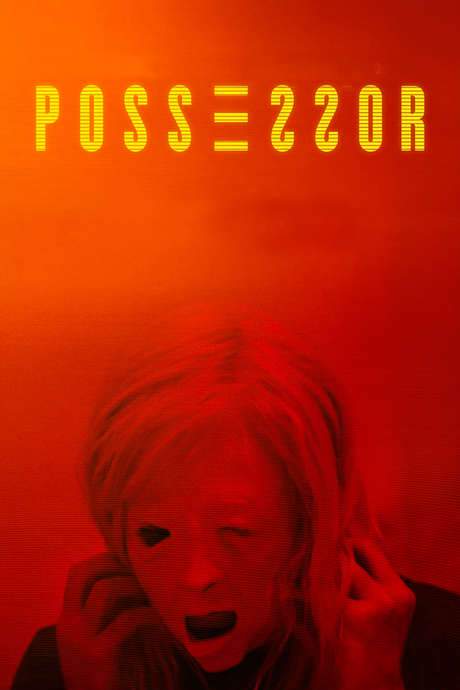
Tasya Vos is an elite corporate assassin who utilizes brain-implant technology to inhabit other people’s bodies, carrying out targeted assassinations. As she becomes increasingly immersed in a complex assignment, she finds herself trapped within a host mind, jeopardizing her own identity and threatening to consume her. The lines between assassin and host blur as she struggles to maintain control.


Does Possessor have end credit scenes?
No!
Possessor does not have end credit scenes. You can leave when the credits roll.
Where to Watch Possessor
See current US streaming, rental, and purchase options for Possessor (2020) via JustWatch.








Meet the Full Cast and Actors of Possessor
Explore the complete cast of Possessor, including both lead and supporting actors. Learn who plays each character, discover their past roles and achievements, and find out what makes this ensemble cast stand out in the world of film and television.

Sean Bean
John Parse

Andrea Riseborough
Tasya Vos

Christopher Abbott
Colin Tate

Jennifer Jason Leigh
Girder

Kaniehtiio Horn
Reeta

Tuppence Middleton
Ava Parse

Gabrielle Graham
Holly

Christopher Jacot
Reid Parse
Hanneke Talbot
Katherine
Hrant Alianak
Lead Technician
Matthew Garlick
Elio
Rachael Crawford
Dr. Melis
Raoul Bhaneja
Eddie
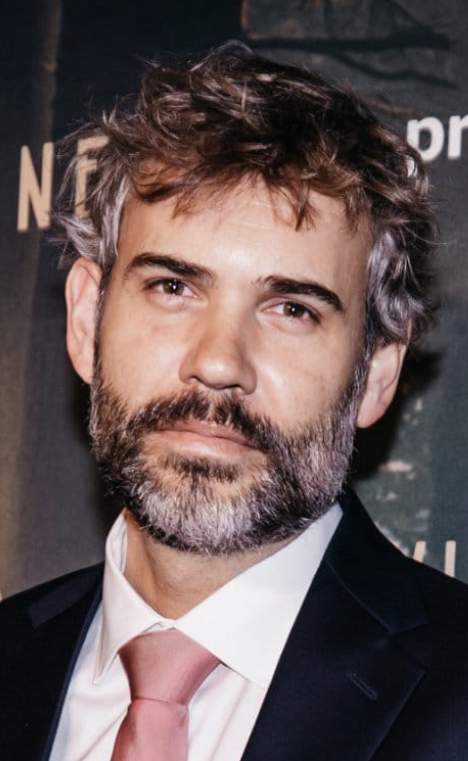
Rossif Sutherland
Michael Vos
Ayesha Mansur Gonsalves
Martha
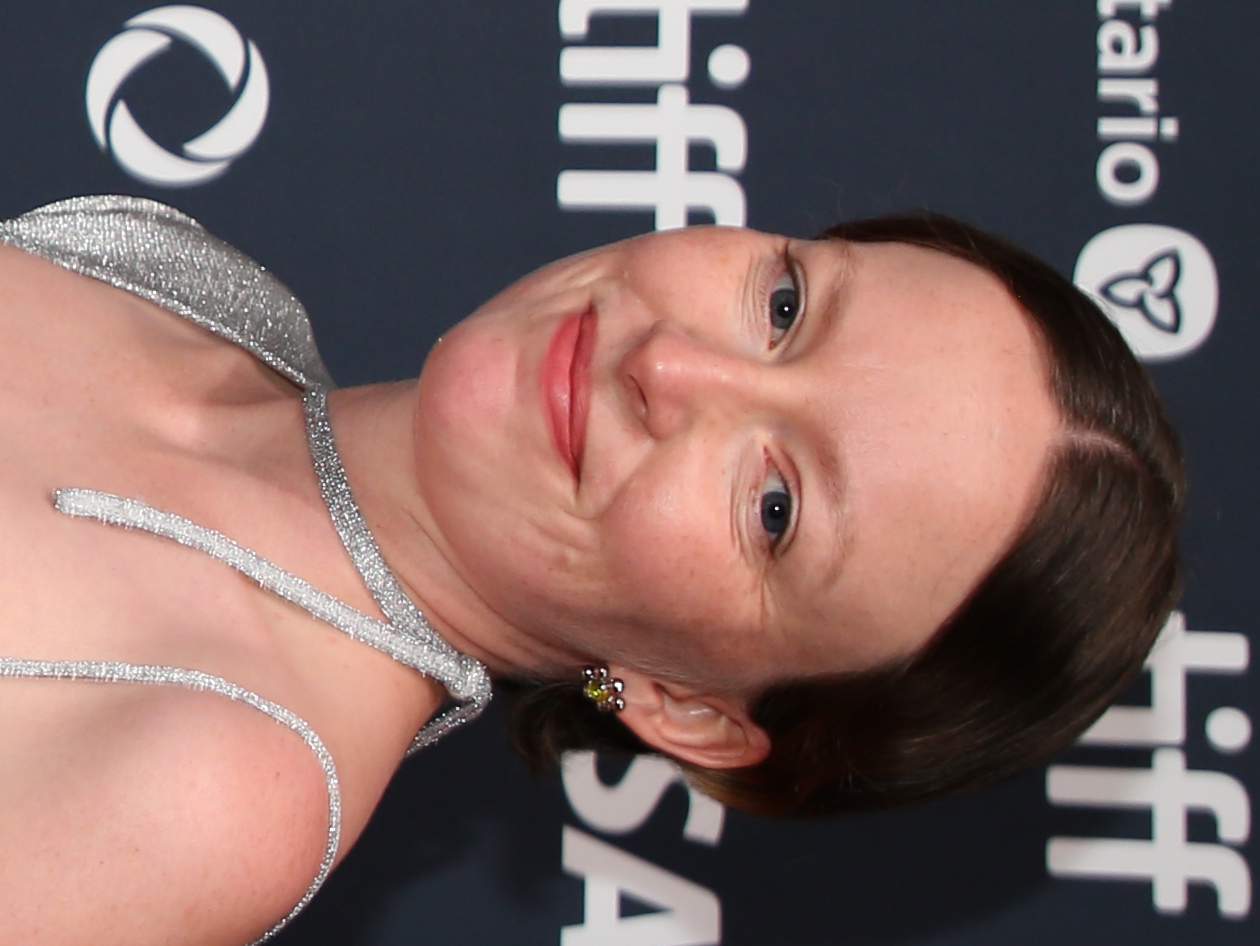
Deragh Campbell
Moira
Danny Waugh
Patrick
Kathy Maloney
Reporter
Doug MacLeod
Alex Boyko
Daniel Junghuan Park
Policeman
Gage Graham-Arbuthnot
Ira Vos
Megan Vincent
Alice
Dorren Lee
Tess
External Links and Streaming Options
Discover where to watch Possessor online, including streaming platforms, rental options, and official sources. Compare reviews, ratings, and in-depth movie information across sites like IMDb, TMDb, Wikipedia or JustWatch.







Ratings and Reviews for Possessor
See how Possessor is rated across major platforms like IMDb, Metacritic, and TMDb. Compare audience scores and critic reviews to understand where Possessor stands among top-rated movies in its genre.

The Movie Echo Score
Possessor delivers a striking visual experience anchored by strong performances, but its narrative ambition is uneven. Reviewers praise the film’s vivid cinematography, practical effects, and unsettling atmosphere, noting a lineage to Cronenberg’s body‑horror style. However, many cite pacing issues, a hollow emotional core, and a perplexing conclusion that weaken engagement. The blend of style and substance creates a divisive but memorable impression that rewards attentive viewers while leaving others wanting a more cohesive story.
The Movie Echo Score Breakdown for Possessor

Art & Craft
Artistic execution stands out as the film’s core strength. Critics highlight the vivid color palette, disorienting camera work, and meticulously crafted practical effects that evoke classic Cronenberg aesthetics. The production design constructs a bleak, futuristic world that reinforces the narrative’s dread. While a few reviewers find the visuals occasionally gratuitous, the overall consensus deems the artful craft compelling and distinctive.

Character & Emotion
Character work receives considerable applause, especially for Andrea Riseborough and Christopher Abbott’s committed performances. Reviewers note nuanced portrayals that convey the disintegration of identity within the body‑horror premise. Supporting roles by Jennifer Jason Leigh and Sean Bean add depth. Conversely, some critics argue the emotional core feels hollow and the protagonist remains oddly distant, limiting audience empathy.

Story & Flow
The story’s premise of mind‑hijacking assassins intrigues many viewers, offering a fresh take on sci‑fi horror. Critics commend its originality and the unsettling atmosphere it cultivates. However, pacing is described as uneven, with drawn‑out sections that dilute tension, and the ending is often labeled abrupt or unsatisfying. These narrative shortcomings balance the inventive concept, resulting in mixed assessments.

Sensory Experience
Sensory elements dominate the film’s impact, with a bold synth‑driven soundtrack and aggressive sound design that accentuate the body‑horror sequences. Visual style combines psychedelic colors, strobing flashes, and gritty practical effects, creating an immersive, disorienting environment. While some reviewers find the relentless intensity overwhelming, the consensus affirms that the audial‑visual synthesis is a compelling hallmark of the movie.

Rewatch Factor
Rewatch value is mixed, reflecting the film’s polarizing nature. Its striking visuals and unsettling tone encourage repeated viewings to unpack layered symbolism, and many find the experience haunting long after the credits. Yet the fragmented narrative and abrupt conclusion can diminish appeal on subsequent watches, leading some viewers to regard it as a one‑time impression. Overall, the film offers moderate replay incentive for genre enthusiasts.
Full Plot Summary and Ending Explained for Possessor
Read the complete plot summary of Possessor, including all major events, twists, and the full ending explained in detail. Explore key characters, themes, hidden meanings, and everything you need to understand the story from beginning to end.
Tasya Vos is an assassin who uses an advanced implant to seep her consciousness into other people’s bodies, allowing her to carry out precision hits without being seen. Through this unsettling technology, she can inhabit a host’s mind, carry out the job, and then return to her own body by forcing the host to commit suicide at the end of the mission. The film opens with a bold, destabilizing first hit where she abandons her usual protocol and finds herself blocked by a version of herself who resists self-destruction. Rather than using her own gun, she ends up directing the host to be shot in the chaos of an armed arrival, a moment that foreshadows the fragility of boundaries between self and host.
As the narrative unfolds, Vos grapples with disorienting neurological symptoms that blur the line between her professional identity and the person she shares a life with. The strain seeps into her marriage with Michael Vos, and into the quiet intimacy she shares with her son, Ira Vos. The routine of domestic life becomes a testing ground for her ability to act normal, to perform the everyday rituals of parenting and partnership while her consciousness remains tethered to the bodies of strangers. She practices not just the外 impersonation of others but the careful maintenance of a familiar persona, a discipline that mirrors the meticulous craft she uses on the job. The domestic scenes carry a taut tension, as Vos experiences intrusive thoughts of violence that intrude upon bedtime rituals and intimate moments with Michael, turning tenderness into a battleground of competing identities.
Her handler, Girder, is a retired assassin who serves as a stern critic and practical supervisor. In debriefings designed to pull Vos back toward a clean professional identity, Girder argues that Vos would be more effective if she could sever the emotional ties that bind her to family and home. The tension between duty and attachment becomes the core conflict of Vos’s inner life. In a moment of eerie symbolism during a debriefing, Vos sorts through a collection of personal mementos and lingers on a butterfly she once pinned and framed as a child, a memory that underscores a persistent sense of guilt. She confesses to Girder that even the butterfly’s killing felt wrong, hinting at a deep, unhealed wound beneath her methodical exterior.
When a high-profile assignment lands on her desk—targeting the wealthy CEO John Parse and his daughter Ava Parse—Vos decides to push forward by possessing Ava’s fiancé, Colin Tate. The plan is simple on paper: step into a life that can offer Vos a seamless cover and then execute the hit. Yet the neurological strain worsens as she navigates the host’s reality, masking the deterioration beneath a cultivated normalcy. The mission becomes a double-edged sword, a test of will where Ava dies in the process of the broader calculation, and Parse remains alive, leaving Vos with a botched completion of her protocol.
The attempt to complete the job by coercing Tate into suicide spirals into a nightmare of dissociation. Vos fights to maintain control as Tate’s consciousness pushes back, culminating in a brutal dissociative break in which Tate stabs himself, damaging the implant and triggering cascading neurological symptoms in Vos’s own body. The shock of physical pain, memory fragments, and a loss of agency render Vos powerless for a sprawling moment, and Tate—driven by a wave of confusion and trauma—manages to flee, seeking aid from his friend Reeta. The narrative then spirals through a jagged cascade of memory fragments, as Vos discovers that memory itself can be weaponized and weapon discarded.
The human price of Vos’s work becomes starkly clear when Tate kills Eddie, a coworker who turns out to be a plant within Vos’s agency. In a brutal cascade of dissociative episodes, Tate’s awareness of Vos’s presence inside his body intensifies until he gains access to intimate memories of Vos’s husband and child. The violence is intimate and shattering: Tate returns to Vos’s home and confronts the people closest to her. He holds Michael at gunpoint, demanding the truth of what Vos did to him, and the encounter becomes a crucible in which Vos’s different selves clash with the host’s own memories.
In a tense, psychic confrontation, Vos tries to exert control from within Tate’s mind, goading him toward killing Michael. When Michael finally wrests the weapon from Tate, the situation escalates into a brutal family tragedy: Michael is killed by a meat cleaver, and Ira—Vos’s son in the host’s body—stabs Tate in the throat, echoing the stabbing of the opening sequence. The immediate aftermath reveals a darker twist: Vos herself uses Tate’s last moments to shoot Ira dead, and it’s disclosed in a devastating reveal that Ira had, in fact, been a host all along. The violence, driven by the layered transfer of consciousness, reveals a cruel irony: the very lives Vos sought to uplift or protect end up becoming collateral damage in the service of a more brutal agency agenda.
As the dust settles, Vos returns to her own body only to discover a chilling shift in control: Girder had managed to seize Ira’s consciousness, and with both Michael and Ira dead, Vos is momentarily liberated from human attachments—just as Girder had planned. The debriefing that follows becomes a ceremonial reckoning, a quiet ritual in which Vos confronts the objects of her past again. She looks at the butterfly once more, this time without the sting of guilt that once haunted her, as Girder praises her for surviving a cascade of loss and violence that would unmoor most people.
The film closes on a quiet, unsettling note, emphasizing the price of Vos’s work and the fragility of identity when a person’s body can be inhabited by another. The interplay of memory and allegiance—the butterfly she pinned, the husband she killed, the son she might have protected—leaves Vos in a moment of ambiguous power: she is free of the attachments that previously tethered her to a single life, yet she remains forever altered by the lives she has possessed. In the final debriefing, the echoes of memory and identity converge, and Girder’s quiet praise signals a bleak triumph: Vos has proved herself capable, but at what cost to the person she is and the people she has become?

Coming soon on iOS and Android
The Plot Explained Mobile App
From blockbusters to hidden gems — dive into movie stories anytime, anywhere. Save your favorites, discover plots faster, and never miss a twist again.
Sign up to be the first to know when we launch. Your email stays private — always.
Explore the mobile appWatch Trailers, Clips & Behind-the-Scenes for Possessor
Watch official trailers, exclusive clips, cast interviews, and behind-the-scenes footage from Possessor. Dive deeper into the making of the film, its standout moments, and key production insights.
Cars Featured in Possessor
Explore all cars featured in Possessor, including their makes, models, scenes they appear in, and their significance to the plot. A must-read for car enthusiasts and movie buffs alike.
Possessor Other Names and Titles
Explore the various alternative titles, translations, and other names used for Possessor across different regions and languages. Understand how the film is marketed and recognized worldwide.
Quick Links: Summary, Cast, Ratings, More

What's After the Movie?
Not sure whether to stay after the credits? Find out!
Check out our other apps:

SAT Sphere
Build confidence for the Digital SAT.

Mori Atlas
Discover wild places worth protecting.

Luntero
Search smarter for a home in Amsterdam.

Plot Explained
Unravel movie endings and hidden clues.

Pokechamp
Dive into Pokémon data and battle logic.

Driving Theory
Get ready for your European theory test.

Movie Dust
Plan your next cinema trip with ease.

Musemap
Find art and culture as you travel.

Selkobase
Compare credentials before committing.

Local Manual
Turn an unfamiliar country into practical next steps.

Lernavi
Compare school systems before your next move.

GymRoam
Find a workout stop wherever your plans take you.
Explore Our Movie Platform
New Movie Releases (2026)
Famous Movie Actors
Top Film Production Studios
Movie Plot Summaries & Endings
Major Movie Awards & Winners
Best Concert Films & Music Documentaries
Movie Collections and Curated Lists
© 2026 What's After the Movie. All rights reserved.
Privacy Policy