
Philadelphia Experiment II (1993): Cast, Box Office & Where to Watch
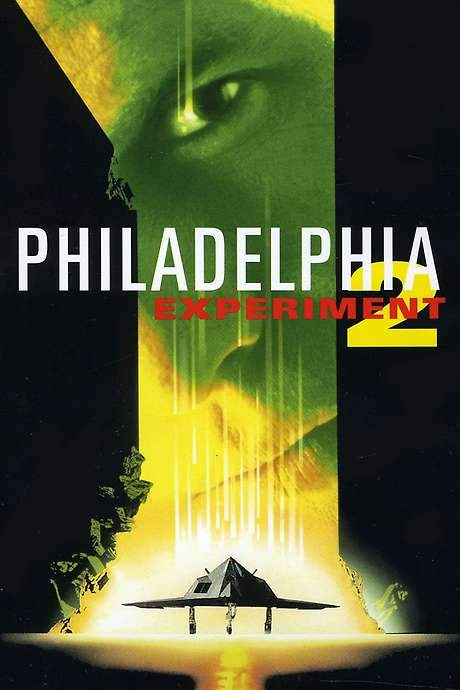
Philadelphia Experiment II is a 1993 adventure sci-fi film directed by Stephen Cornwell, starring Brad Johnson as David Herdeg, John Christian Graas and James Greene. It runs 1 hour 37 minutes and earned $2,970 worldwide. Stream it on Amazon MX Player and Amazon Prime Video, or rent or buy it on Amazon Video and Apple TV Store.
- Released
- Runtime
- 1h 37m (97 min)
- Director
- Stephen Cornwell
- Original language
-
 English
 - Studio
- Trimark Pictures
- After the credits
- No No extra scene
What Is Philadelphia Experiment II About?
The premise of Philadelphia Experiment II without spoilers. The whole story is in the plot summary further down.
Several years after the original experiment, survivor David Herdeg and his wife Allison, whom he rescued in 1984, are raising their child when David awakens from a painful sleep to a drastically altered reality. In this timeline Germany won World War II, and America is preparing to celebrate fifty years under Nazi rule.
Philadelphia Experiment II Themes & Keywords
· 50 tags- the future
- experiment
- city name in title
- numbered sequel
- second part
- time travel
- sequel
- independent film
- blood sample
- lockheed f 117 nighthawk
- stealth technology
- reference to robocop
+38 more Show fewer
- reference to predator
- reference to the terminator
- reference to superman
- ford pickup truck
- year 1943
- archive footage
- year 1984
- hamburger
- matter distortion
- father son relationship
- josef stalin quotation
- reference to friedrich nietzsche
- bare chested male
- strafing from a helicopter
- devastation
- house explosion
- oh 6 cayuse helicopter
- running for one's life
- year 1993
- record player
- police state
- archival photograph
- shot multiple times
- string band
- alternate reality
- ak 47
- nazi germany
- drawbridge
- shot in the head
- murdering a critic
- injection
- firefight
- exploding airplane
- seeing father killed
- little league baseball game
- curveball
- low budget sci fi movie
- baseball
Where to Watch Philadelphia Experiment II
Stream it on Amazon MX Player and Amazon Prime Video, or rent or buy it from Amazon Video and Apple TV Store. US availability and prices from JustWatch.
Stream 9
 Amazon MX Player
  Amazon Prime Video
  Amazon Prime Video Free with Ads
  Amazon Prime Video with Ads
  Fawesome
  MovieSphere+ Amazon Channel
  Starz Apple TV channel
  Tubi TV
  YouTube Free




Streaming availability in the US, powered by 
Philadelphia Experiment II Cast & Characters
Brad Johnson leads the cast as David Herdeg, with John Christian Graas as Benjamin Herdeg and James Greene as Professor Longstreet. Directed by Stephen Cornwell; 18 actors are credited in all.
- Director Stephen Cornwell
- Brad Johnson as David Herdeg
- John Christian Graas as Benjamin Herdeg
- James Greene as Professor Longstreet
-
 Gerrit Graham as Dr. William Mailer / Friedrich Mahler
Also Starring in Philadelphia Experiment II
· 14 more- Marjean Holden Jess
- Larry Cedar Hank the Controller
- James Jude Courtney Vortex Technician
- Hank Stone Gate PK
- Geoffrey Blake Logan
- John Rixey Moore General
- David Wells Pinstripes
- Cyril O'Reilly Decker
- Allen Perada Mahler's Double
- Andrew Steel Lieutenant
- Lisa Robins Scotch
- Al Pugliese Coach
- Craig Branham Guard
- Ally Porabas Gate Guard
Philadelphia Experiment II Plot Summary
What happens in Philadelphia Experiment II from start to finish, spoilers included, with a timeline of 11 key events. The opening is below; the full summary is a 5-minute read.
Spoilers ahead
Nine years after the Philadelphia Experiment, David Herdeg has carved out a quiet life in modern California. He is a widower who weathered the loss of Allison and built a family around their son, Benjamin Herdeg. The pair face a steady grind: a faltering business, Ben’s slipping school attendance, and mounting pressure from banks threatening foreclosure. Despite the strain, David refuses a lifeline from Professor Longstreet, the original director of the Philadelphia Experiment, who urges him to rejoin the Navy. What weighs heaviest on David, though, are the painful episodes that Longstreet brushes off as stress, a diagnosis that does not begin to explain the trouble surging through his body.
Full summary
The whole story of Philadelphia Experiment II, scene by scene
Philadelphia Experiment II Box Office
Philadelphia Experiment II grossed $2,970 worldwide.
Worldwide gross
$3K
- US & Canada
- $3K
Philadelphia Experiment II Trailers & Videos
The trailer of Philadelphia Experiment II.
How Well Do You Know Philadelphia Experiment II?
10 questions about the story, each with a hint if you get stuck. Pick an answer to see whether you were right.
Question 1 of 10
- Question 1: not answered
- Question 2: not answered
- Question 3: not answered
- Question 4: not answered
- Question 5: not answered
- Question 6: not answered
- Question 7: not answered
- Question 8: not answered
- Question 9: not answered
- Question 10: not answered
Who is the main protagonist of the film?
Cars in Philadelphia Experiment II
11 cars on screen, including the Clark CT-80 and the 1951 GMC M135.
-
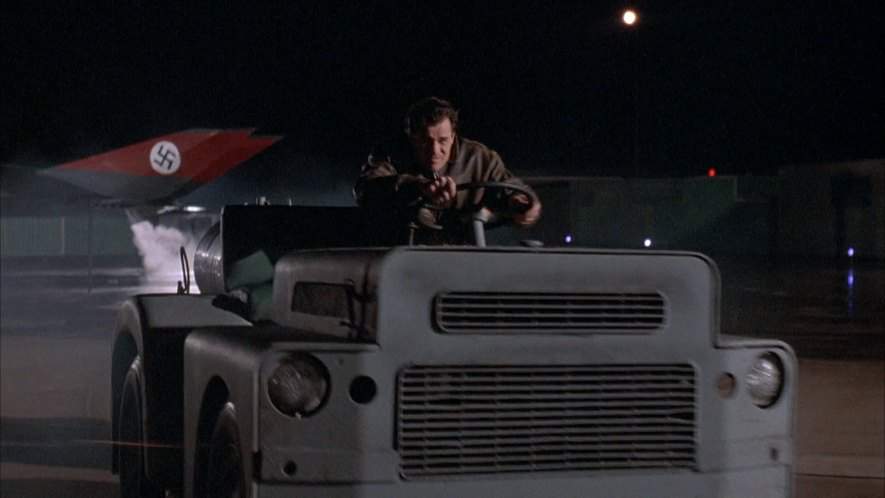 Clark CT-80 Important role
 -
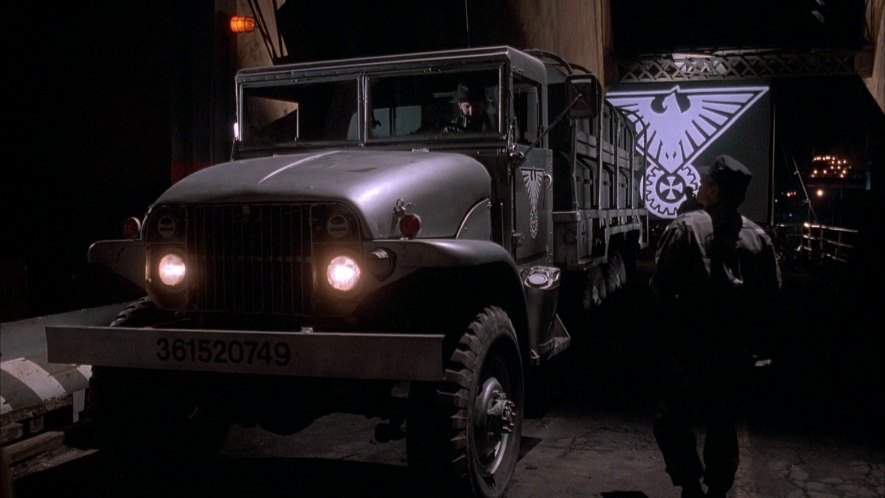 1951 GMC M135 Important role
 -
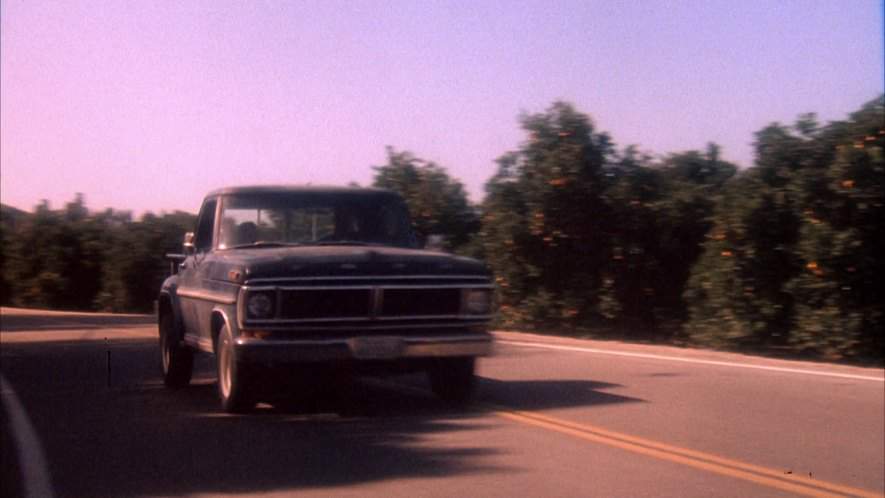 1971 Ford F-Series Minor role
 -
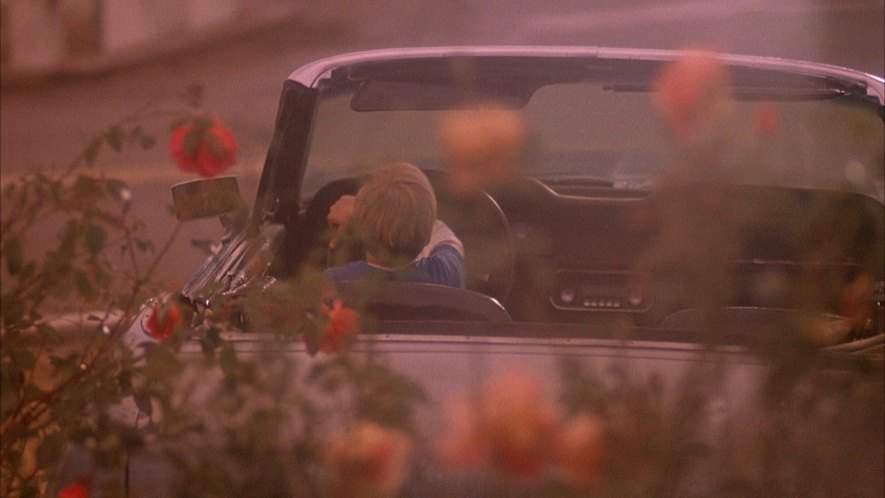 1967 Ford Mustang Minor role
Seen Philadelphia Experiment II?
Movies Like Philadelphia Experiment II
Films with a similar story, tone or audience, including The Philadelphia Experiment, Timecop 2: The Berlin Decision and The Hidden II.
-
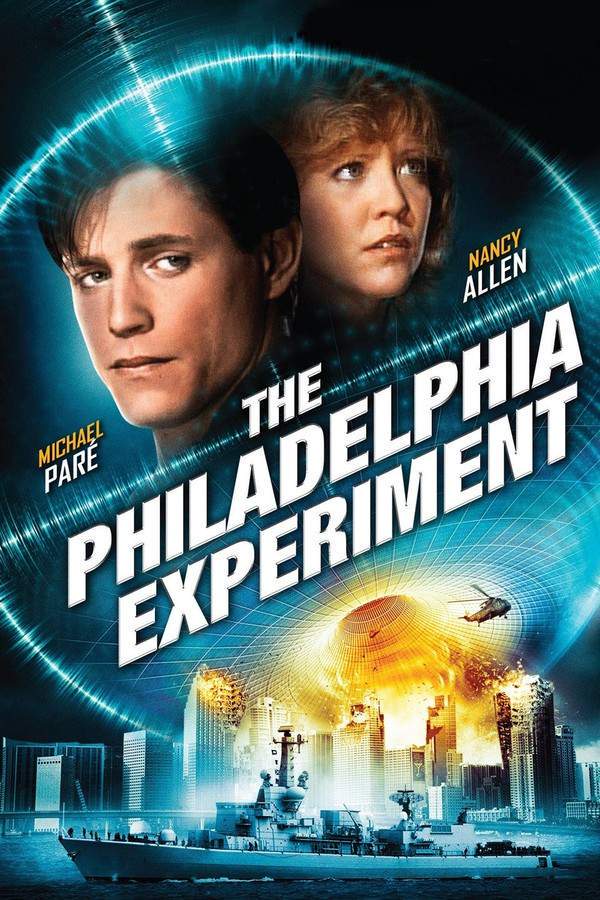 The Philadelphia Experiment 1984
 -
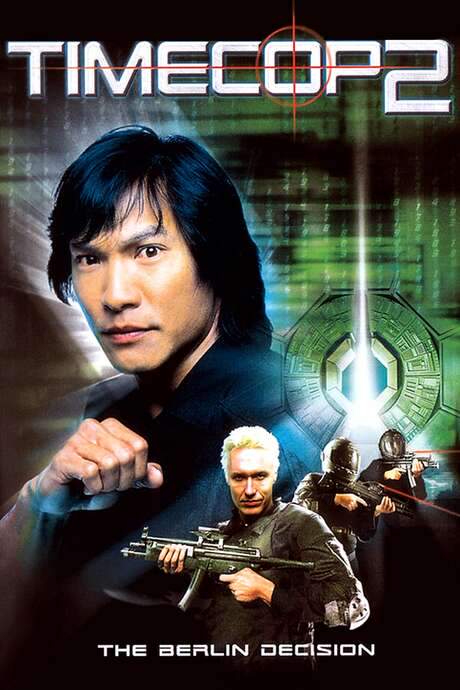 Timecop 2: The Berlin Decision 2003
 -
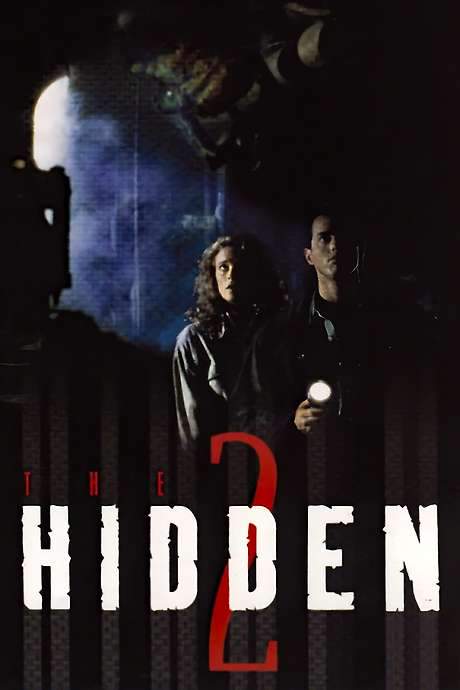 The Hidden II 1993
 -
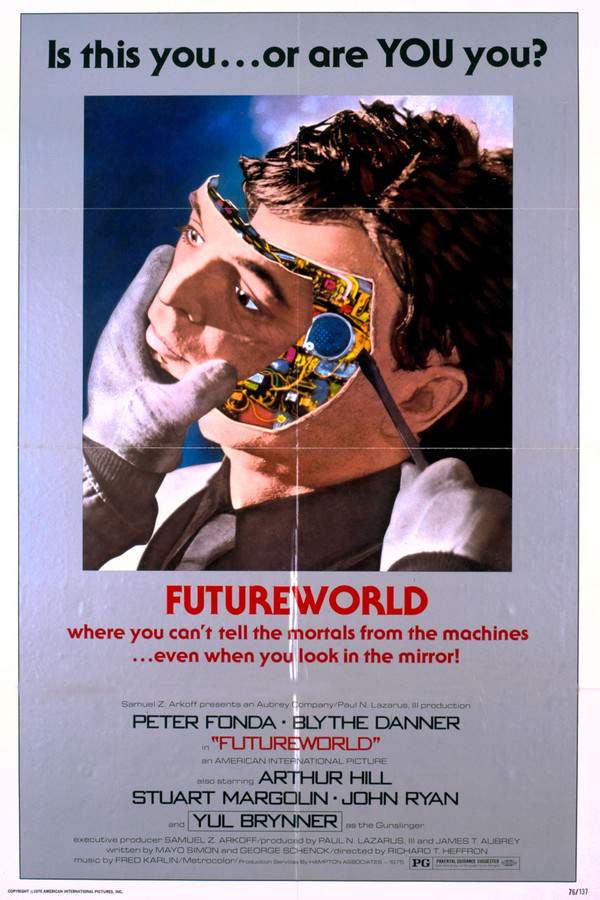 Futureworld 1976
 -
 Phobe: The Xenophobic Experiments 1995
 -
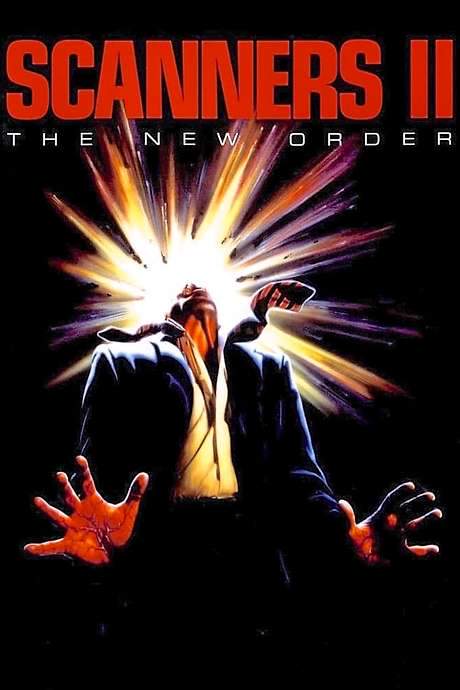 Scanners II: The New Order 1991
 -
 Project Shadowchaser II 1994
 -
 Xtro 2: The Second Encounter 1990
 -
 Genesis II 1973
 -
 The Prototype 2022
 -
 Phoenix 1995
 -
 Phoenix Forgotten 2017
Philadelphia Experiment II FAQ: Where to Watch & Cast
Runtime, release date, director, cast, where to watch, box office and post-credit scenes of Philadelphia Experiment II, each answered in a sentence.
How long is Philadelphia Experiment II?
Philadelphia Experiment II runs 1 hour 37 minutes (97 minutes).
When was Philadelphia Experiment II released?
Philadelphia Experiment II was released on November 12, 1993.
Who directed Philadelphia Experiment II?
Philadelphia Experiment II was directed by Stephen Cornwell.
More films by Stephen Cornwell Who is in the cast of Philadelphia Experiment II?
Philadelphia Experiment II stars Brad Johnson as David Herdeg, John Christian Graas as Benjamin Herdeg and James Greene as Professor Longstreet, among 18 credited actors.
Where can I watch Philadelphia Experiment II?
In the US, Philadelphia Experiment II is streaming on Amazon MX Player, Amazon Prime Video and Fawesome and available to rent or buy on Amazon Video, Apple TV Store and Fandango At Home (availability from JustWatch).
How much did Philadelphia Experiment II make at the box office?
Philadelphia Experiment II grossed $2,970 worldwide.
Does Philadelphia Experiment II have a post-credit scene?
No. Philadelphia Experiment II has no extra scene during or after the credits.
Coming soon to your phone
The Plot Explained Movie Summary App
From blockbusters to hidden gems: plot summaries, endings explained and timelines on your phone. Save your favorites and never miss a twist again.
Be the first to know when it launches. Your email stays private, always. Learn more about the app
