
Ossos (1997): Cast & Plot
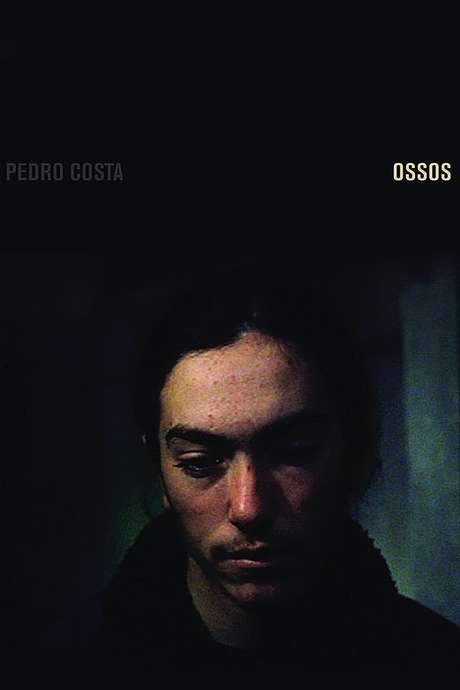
Ossos is a 1997 drama directed by Pedro Costa, starring Mariya Lipkina as Tina, Vanda Duarte and Inês de Medeiros. It runs 1 hour 37 minutes.
- Released
- Runtime
- 1h 37m (97 min)
- Director
- Pedro Costa
- Genre
- Drama
- Original language
-
 Portuguese
 - Studio
- Madragoa Filmes
- After the credits
- No No extra scene
What Is Ossos About?
The premise of Ossos without spoilers. The whole story is in the plot summary further down.
After a suicidal teenage girl gives birth, she entrusts her newborn to its troubled, deadbeat father, hoping he will keep the child safe. His violent behavior drags the story through the bleak, crumbling shantytown they inhabit, exposing the harsh reality of their desperate lives.
Ossos Themes & Keywords
· 29 tags- suicide by gas
- disillusionment
- woman
- father
- young
- handsome man
- youthful father
- young woman
- abandoned baby
- urban setting
- baby
- filicide
+17 more Show fewer
- portuguese
- suicide attempt
- attempted murder
- cape verde
- teenage girl
- poverty
- post colonialism
- husband wife relationship
- family relationships
- non professional cast
- ghetto
- immigrant
- african
- fontainhas lisbon
- lisbon portugal
- first of trilogy
- part of trilogy
Ossos Cast & Characters
Mariya Lipkina leads the cast as Tina, with Vanda Duarte as Clotilde and Inês de Medeiros as The Girl. Directed by Pedro Costa; 11 actors are credited in all.
-
 Director Pedro Costa
- Mariya Lipkina as Tina
- Vanda Duarte as Clotilde
- Inês de Medeiros as The Girl
- Nuno Vaz as The Father
Also Starring in Ossos
· 7 more- Isabel Ruth Nurse Eduarda Gomes
- Miguel Sermão Clotilde's husband
- Zita Duarte Friend
- Anna Carvalho Prostitute
- Berta Susana Teixeira Nurse
- Clotilde Montron Friend
- Ana Marta
Ossos Plot Summary
What happens in Ossos from start to finish, spoilers included, with a timeline of 11 key events. The opening is below; the full summary is a 4-minute read.
Spoilers ahead
Tina, Mariya Lipkina, is a young mother who has just given birth to a newborn and lives in a cramped shanty in Fontainhas with her deadbeat live-in partner. Her sister Clotilde, Vanda Duarte, a housemaid, stays nearby with her daughter Mauda, The Girl. The damp walls and narrow corridors frame a tense daily life where care and neglect constantly collide, and the two sisters hinge their fragile routines on small acts of support.
Full summary
The whole story of Ossos, scene by scene
Ossos Trailers & Videos
The trailer of Ossos.
How Well Do You Know Ossos?
10 questions about the story, each with a hint if you get stuck. Pick an answer to see whether you were right.
Question 1 of 10
- Question 1: not answered
- Question 2: not answered
- Question 3: not answered
- Question 4: not answered
- Question 5: not answered
- Question 6: not answered
- Question 7: not answered
- Question 8: not answered
- Question 9: not answered
- Question 10: not answered
Which character is a young mother who gives birth at the start of the film?
Ossos Also Known As
6 alternative titles, including “骨骼” and “Bones”.
- Also known as
-
- 骨骼
- Bones
- 뼈
- 骨未成灰
- Kości
- Кости
Seen Ossos?
Movies Like Ossos
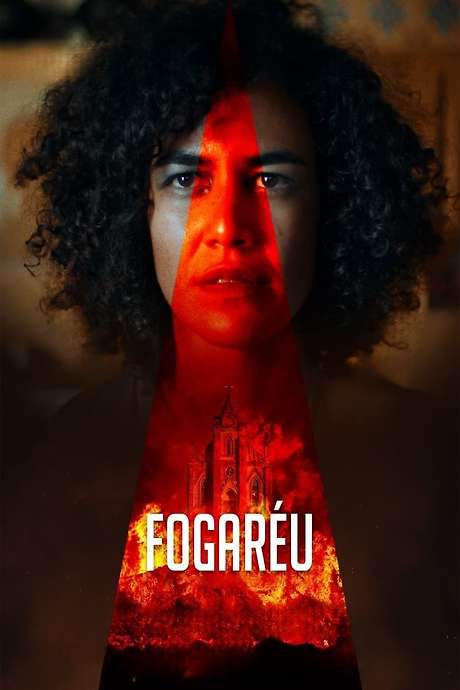
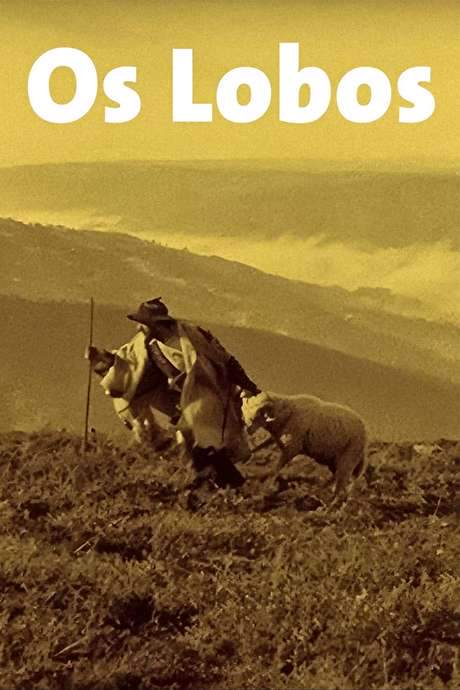
Films with a similar story, tone or audience, including Fogaréu, Sócrates and Os Lobos.



Ossos FAQ: Cast, Runtime & Release Date
Runtime, release date, director, cast, post-credit scenes and language of Ossos, each answered in a sentence.
How long is Ossos?
Ossos runs 1 hour 37 minutes (97 minutes).
When was Ossos released?
Ossos was released on September 2, 1997.
Who directed Ossos?
Ossos was directed by Pedro Costa.
More films by Pedro Costa Who is in the cast of Ossos?
Ossos stars Mariya Lipkina as Tina, Vanda Duarte as Clotilde and Inês de Medeiros as The Girl, among 11 credited actors.
Does Ossos have a post-credit scene?
No. Ossos has no extra scene during or after the credits.
What language is Ossos in?
The original language of Ossos is Portuguese.
Coming soon to your phone
The Plot Explained Movie Summary App
From blockbusters to hidden gems: plot summaries, endings explained and timelines on your phone. Save your favorites and never miss a twist again.
Be the first to know when it launches. Your email stays private, always. Learn more about the app
