Orders to Kill 1958


After being grounded, an American fighter pilot is recruited into a covert espionage unit and sent to occupied France on a high‑stakes assignment. His target is a modest Paris lawyer believed to have betrayed the resistance by selling radio operators to the Nazis, forcing the pilot into a deadly pursuit behind enemy lines.


Does Orders to Kill have end credit scenes?
No!
Orders to Kill does not have end credit scenes. You can leave when the credits roll.
Meet the Full Cast and Actors of Orders to Kill
Explore the complete cast of Orders to Kill, including both lead and supporting actors. Learn who plays each character, discover their past roles and achievements, and find out what makes this ensemble cast stand out in the world of film and television.
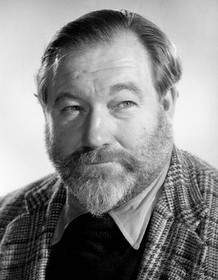
James Robertson Justice
Naval Commander
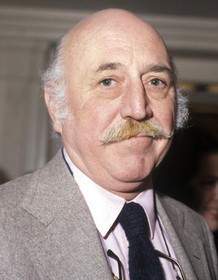
Lionel Jeffries
Interrogator
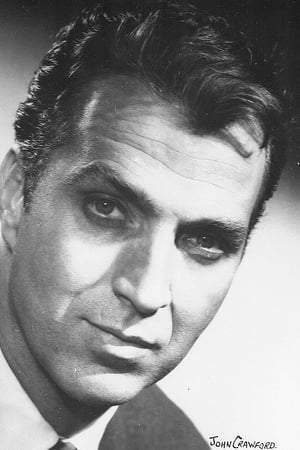
John Crawford
Kimball
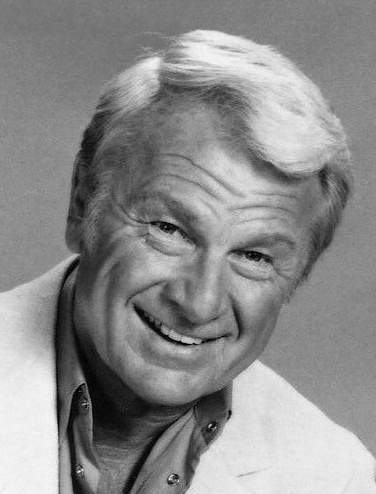
Eddie Albert
Maj. MacMahon

Irene Worth
Léonie
Lillian Gish
Mrs. Summers
Robert Henderson
Col. Snyder
Anne Blake
Mme. Lafitte
Sam Kydd
Flight Sgt. Flint
Sandra Dorne
Blonde with German Officer
Denyse Alexander
Pat
Miki Iveria
Louise
Leslie French
Lafitte
Paul Massie
Gene Summers
Jacques Brunius
Cmndt. Morand
Nicholas Phipps
Lecturer Lieutenant
Lillie Bea Gifford
Mauricette
Ann Walford
F.A.N.Y.
External Links and Streaming Options
Discover where to watch Orders to Kill online, including streaming platforms, rental options, and official sources. Compare reviews, ratings, and in-depth movie information across sites like IMDb, TMDb, Wikipedia or Letterboxd.




Take the Ultimate Orders to Kill Movie Quiz
Challenge your knowledge of Orders to Kill with this fun and interactive movie quiz. Test yourself on key plot points, iconic characters, hidden details, and memorable moments to see how well you really know the film.
Orders to Kill: A ten‑question quiz covering key characters, plot points, and themes of the 1958 film *Orders to Kill*.
In what year was the film *Orders to Kill* released?
Full Plot Summary and Ending Explained for Orders to Kill
Read the complete plot summary of Orders to Kill, including all major events, twists, and the full ending explained in detail. Explore key characters, themes, hidden meanings, and everything you need to understand the story from beginning to end.
Washington, DC, 1944. Gene Summers, [Paul Massie], a young U.S. Army Air Force ex-bombardier who speaks French fluently, is selected for a mission in Nazi-occupied Paris, where he will assassinate a supposed double agent working in the French Resistance. He travels home to Boston to visit his mother before being transferred to England for rigorous training, then is dropped into France and begins a tense, clandestine path that will test his nerves, his loyalties, and his sense of right and wrong.
In the shadow of occupation, Summers makes contact with the Resistance through Léonie, [Irene Worth], a dressmaker who operates at the edge of danger and discretion. She provides Summers with information about the man he is to terminate, Marcel Lafitte, [Leslie French], a figure who seems disturbingly ordinary: gentle, polite, intelligent, and clearly devoted to a wife and daughter. Lafitte’s home life and affection for his cat, Mimieux, reveal a man who is more than a target—someone who embodies a human warmth that clashes with the grim calculus of espionage. The portrayal of Lafitte as a person with a family and a daily life makes the mission feel less like a clean operation and more like a moral riddle Summers must confront.
A subsequent meeting confirms Summers’s growing misgivings. With the curfew looming, Lafitte unexpectedly appears to save Summers from German troops who are hunting a Resistance assassin, offering him shelter in his own office. Summers’s doubts intensify as he observes Lafitte’s kindness and empathy, which stand in stark contrast to the brutal necessities of war. He shares his concerns with Léonie, who springs back with a stern reminder that Summers would not have been ordered to kill unless it served a larger purpose. Her rebuke cuts to the heart of Summers’s dilemma, reigniting a flicker of confidence as he faces the person he is meant to destroy.
Despite the mounting ambiguity, Summers steels himself for the task. He returns to Lafitte’s office, seeking a decisive end, yet the moment of violence unfolds with a disturbing slowness. Summers wounds Lafitte with a blunt instrument, and Lafitte turns to look into Summers’s eyes and asks a single word that stabs at Summers’s conscience: > Why? In a panic, Summers strikes again, this time with a pair of scissors, killing Lafitte. He then attempts to stage the scene as a simple robbery, taking Lafitte’s money and fleeing as German forces close in. The aftermath is swift and cruel: Summers hides the stolen funds in a cemetery and tries to reach Léonie, only to learn that she has been captured by the Nazis and killed shortly thereafter. Grappling with guilt, he slips into alcoholism and distances himself from the truth he fears.
Months later, after Paris has been liberated, Summers remains in a hospital bed, wrestling with the consequences of the mission. The Army initially tries to persuade him that Lafitte was guilty and that countless lives were saved by Summers’s actions, but Summers refuses to accept such a simplification. He seeks the truth, and the truth emerges in the starkest terms: Lafitte, in fact, was innocent. The revelation reshapes Summers’s memory of the incident and the way he understands courage, loyalty, and the cost of war.
In the quiet aftermath, Summers makes a painful but compassionate choice. He visits Lafitte’s wife and daughter, now impoverished, and chooses not to burden them with every detail. Instead, he honors Lafitte as an Allied Resistance agent who did his duty and deserves recognition. Summers offers them his back pay as a gesture of restitution and respect, acknowledging that some debts cannot be repaid with money alone. The film closes on a note of quiet humanity, insisting that truth matters, even when truth is costly, and that the most difficult acts of courage are often those that come with the hardest emotional reckonings.
- The film’s moral core centers on Summers’s internal conflict between duty and doubt, illustrated by his evolving relationship with Lafitte, a man who seems innocent yet becomes a figure of suspicion in a world where innocence is not easily proven.
- The atmosphere blends wartime tension with intimate human detail, painting a portrait of occupation Paris where daily life—work, family, and affection—persists even as danger surrounds every corner.
- The narrative moves from covert operation to ethical reckoning, tracing Summers’s descent into guilt, his struggle with alcoholism, and his eventual decision to acknowledge Lafitte’s humanity, even as the war’s aftermath tests his capacity to forgive and to honor those who risked everything for the resistance.
This is a story of doubt and duty, of a soldier who must weigh orders against humanity, and of a man who learns that even the most dangerous missions can be undone by the simple, profound question at the center of it all: Why?

Coming soon on iOS and Android
The Plot Explained Mobile App
From blockbusters to hidden gems — dive into movie stories anytime, anywhere. Save your favorites, discover plots faster, and never miss a twist again.
Sign up to be the first to know when we launch. Your email stays private — always.
Explore the mobile appDiscover Film Music Concerts Near You – Live Orchestras Performing Iconic Movie Soundtracks
Immerse yourself in the magic of cinema with live orchestral performances of your favorite film scores. From sweeping Hollywood blockbusters and animated classics to epic fantasy soundtracks, our curated listings connect you to upcoming film music events worldwide.
Explore concert film screenings paired with full orchestra concerts, read detailed event information, and secure your tickets for unforgettable evenings celebrating legendary composers like John Williams, Hans Zimmer, and more.


Orders to Kill Themes and Keywords
Discover the central themes, ideas, and keywords that define the movie’s story, tone, and message. Analyze the film’s deeper meanings, genre influences, and recurring concepts.

Unlock the World of Movies with Our Comprehensive Wiki
Dive into our Movie Wiki for in-depth film encyclopedia entries, including cast biographies, production trivia, plot synopses, behind-the-scenes facts, and thematic analyses. Whether you’re researching iconic directors, exploring genre histories, or discovering hidden easter eggs, our expertly curated movie database has everything you need to fuel your cinematic passion.
Similar Movies To Orders to Kill You Should Know About
Browse a curated list of movies similar in genre, tone, characters, or story structure. Discover new titles like the one you're watching, perfect for fans of related plots, vibes, or cinematic styles.


Quick Links: Summary, Cast, Ratings, More

What's After the Movie?
Not sure whether to stay after the credits? Find out!
Check out our other apps:

SAT Sphere
Build confidence for the Digital SAT.

Mori Atlas
Discover wild places worth protecting.

Luntero
Search smarter for a home in Amsterdam.

Plot Explained
Unravel movie endings and hidden clues.

Pokechamp
Dive into Pokémon data and battle logic.

Driving Theory
Get ready for your European theory test.

Movie Dust
Plan your next cinema trip with ease.

Musemap
Find art and culture as you travel.

Selkobase
Compare credentials before committing.

Local Manual
Turn an unfamiliar country into practical next steps.

Lernavi
Compare school systems before your next move.

GymRoam
Find a workout stop wherever your plans take you.
Explore Our Movie Platform
New Movie Releases (2026)
Famous Movie Actors
Top Film Production Studios
Movie Plot Summaries & Endings
Major Movie Awards & Winners
Best Concert Films & Music Documentaries
Movie Collections and Curated Lists
© 2026 What's After the Movie. All rights reserved.
Privacy Policy