Naal 2018

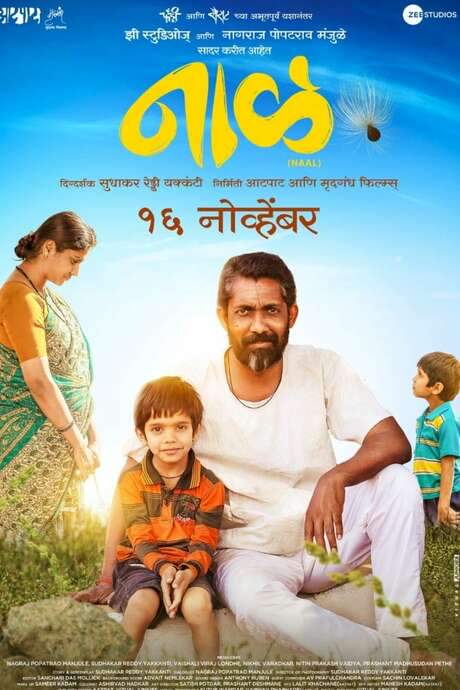
An eight-year-old boy accustomed to a loving and comfortable life is shaken when he discovers a surprising secret about his identity. This revelation leads him to emotionally withdraw from his mother and question everything he thought he knew. He struggles to reconcile his previous understanding of his family with this new reality, leading to a period of significant change and emotional distance.


Does Naal have end credit scenes?
No!
Naal does not have end credit scenes. You can leave when the credits roll.
Meet the Full Cast and Actors of Naal
Explore the complete cast of Naal, including both lead and supporting actors. Learn who plays each character, discover their past roles and achievements, and find out what makes this ensemble cast stand out in the world of film and television.

External Links and Streaming Options
Discover where to watch Naal online, including streaming platforms, rental options, and official sources. Compare reviews, ratings, and in-depth movie information across sites like IMDb, TMDb, Wikipedia or Rotten Tomatoes.







Ratings and Reviews for Naal
See how Naal is rated across major platforms like IMDb, Metacritic, and TMDb. Compare audience scores and critic reviews to understand where Naal stands among top-rated movies in its genre.

The Movie Echo Score
Naal delivers a heartfelt portrayal of a mother‑son bond, anchored by strong performances and evocative cinematography. The film’s visual composition and ambient score reinforce its rural setting, while the narrative remains simple and emotionally resonant. Criticism centers on a repetitive first half and a screenplay that could benefit from tighter pacing. Overall, the strengths in craft and character outweigh the structural shortcomings, making it a commendable addition to contemporary Marathi cinema.
The Movie Echo Score Breakdown for Naal

Art & Craft
In terms of art and craft, the film excels in cinematography, presenting a vivid countryside canvas and nuanced visual symbolism. Direction receives praise for its understated approach, though some reviewers note a lack of inventive staging in the latter half. Editing is generally smooth, supporting the film’s measured rhythm. The overall visual execution is strong, with only minor lapses in creative ambition.

Character & Emotion
When it comes to character and emotion, the young lead delivers a remarkably natural performance, anchoring the emotional core of the story. Supporting actors are described as authentic, and the chemistry between mother and son is consistently highlighted as touching. Few criticisms arise, and the depth of the central relationship sustains audience engagement throughout the runtime.

Story & Flow
The story presents a simple, heartfelt narrative about adoption and familial bonds, resonating with many viewers. Critics appreciate its sincerity, though some point to a repetitive first half and a plot that feels under‑developed. Pacing issues are noted, especially regarding the film’s length. Despite these flaws, the thematic clarity and emotional payoff keep the story engaging overall.

Sensory Experience
Sensory experience is marked by a compelling background score and rich sound design that enhance the rural atmosphere. Visual style, driven by the praised cinematography, offers cohesive and aesthetically pleasing imagery. A minority of comments mention occasional visual monotony, but the overall auditory and visual elements contribute positively to immersion.

Rewatch Factor
Rewatch factor is strong, with many reviewers recommending multiple viewings for its emotional depth and visual richness. The film’s modest runtime and genuine performances encourage repeat engagement. While some note the story’s simplicity may limit long‑term novelty, the combination of craft and sentiment sustains lasting appeal for most audiences.
Full Plot Summary and Ending Explained for Naal
Read the complete plot summary of Naal, including all major events, twists, and the full ending explained in detail. Explore key characters, themes, hidden meanings, and everything you need to understand the story from beginning to end.
Chaitanya Nagraj Popatrao Manjule is an eight-year-old boy whose days unfold in a quiet, remote village in Maharashtra. He lives with his father, a small-time landlord, his loving mother, and his elderly grandmother, in a household that also includes a chicken farm and a cow with her calf. The atmosphere is intimate and rooted in routine, with the family sharing chores, meals, and small moments of affection that anchor Chaitanya’s world.
Their peaceful dynamic is shaken when an visiting uncle gently seeds a troubling thought: that Chaitanya’s real mother might be Parvati Deepti Devi, a revelation that unsettles the boy and starts to fracture the trust he feels for the people who raised him. The seed of doubt grows as Chaitanya stores the idea away, testing his own ideas about what makes a mother a parent. He turns to his oldest friend, Bachchan Sanket Itankar, who offers a simple, almost mythic piece of wisdom: real mothers cry often. This line, spoken in a casual moment, becomes a compass for Chaitanya as he begins to measure his mother’s actions against the possibility of a different, unknown mother.
From then on, Chaitanya’s questions multiply and his behavior grows distant. He probes his mother, seeking signs of love and vulnerability, and when she scolds him for pushing too hard, he interprets her warmth as a sign of absence or lack of genuine love. He withdraws from her, and the affectionate term he once used, Aai (Mom), begins to fall away as a protective shield slips into place around his heart. His adopted mother’s care feels less certain to him, and the emotional distance widens.
To reclaim a sense of stability, his family plans a crucial trip to the city for medical advice and to see his grandmother’s siblings. The plan is delicate: a chance for the mother-son bond to re-knit against the backdrop of adults’ concerns and a looming test—his exams that must not be derailed. Chaitanya longs to go, yet the journey would complicate the boy’s current commitments, and he looks for cunning ways to delay the trip. Bachchan offers a grimmer suggestion to test his grandmother’s wellbeing, a plan that is quickly abandoned when the grandmother discards the tampered food. In a later, darker moment, Chaitanya tries to orchestrate an accident, hoping to spark a change in his grandmother’s mood and the family’s future. He uses his calf as a tool to provoke a fall, but the plan backfires, and the grandmother fractures her hip, forcing a domestic relocation to recover indoors.
The camel of misfortune continues its uneasy march as the calf escapes and later dies after colliding with electrified wires. In the aftermath, Chaitanya’s father arranges to preserve the calf’s memory by stuffing it to encourage the cow to continue giving milk. The loss weighs heavily on everyone, and the family ultimately heads toward the city for medical attention and to visit relatives. Chaitanya’s longing to join them remains strong, but his mother insists he stay behind for his own protection and because he might stand in the way of the aging grandmother’s needs.
When the trio reaches the city, the trip brakes, the grandmother’s health becomes the central concern, and a sorrowful realization settles in—death has touched their lives in a way that reshapes trust and ritual. The grandmother dies in the process of their journey, a turn of fate that casts a long shadow over the family’s future. The bus departs without them, leaving Chaitanya in a state of confusion and heartbreak, unsure of how to interpret the loss and the silence that follows. The funeral ritual begins, and Parvati [Deepti Devi] appears in the midst of relatives; her presence brings a quiet ache, a reminder of the child’s uncertain connection to the woman who might be his mother. Parvati remains reserved, not fully engaging with him, perhaps out of respect or distance, and Chaitanya’s search for connection with her feels almost like a plea.
Back home, a poignant turning point arrives with the arrival of the stuffed calf at the family’s house. The cow, having learned to trust again, allows others to approach and be milked. A beaker of milk is offered to Chaitanya, who gazes at the lifelike calf and comes to a simple, profound realization: the mother who raised him—whether biologically related or not—has always been the one who provides care, warmth, and safety. In that moment, he returns to his mother, softly calling her Aai (Mom) for the first time in months, and her face lights up with relief and happiness. They share a quiet, intimate smile, the kind of smile that signals healing, forgiveness, and a renewed bond that neither time nor doubt can erase.
The film’s quiet resonance lies in its patient depiction of a family learning to navigate doubt, memory, and the meaning of true motherhood. It leans into the emotional texture of rural life, the fragility of human connections, and the enduring power of love to redefine what family means. Through Chaitanya’s journey—from curiosity and fear to reconciliation and trust—the story invites viewers to reflect on the tenderness that underpins everyday life and the way a child’s questions can lead a family back to one another.

Coming soon on iOS and Android
The Plot Explained Mobile App
From blockbusters to hidden gems — dive into movie stories anytime, anywhere. Save your favorites, discover plots faster, and never miss a twist again.
Sign up to be the first to know when we launch. Your email stays private — always.
Explore the mobile appWatch Trailers, Clips & Behind-the-Scenes for Naal
Watch official trailers, exclusive clips, cast interviews, and behind-the-scenes footage from Naal. Dive deeper into the making of the film, its standout moments, and key production insights.
Naal Other Names and Titles
Explore the various alternative titles, translations, and other names used for Naal across different regions and languages. Understand how the film is marketed and recognized worldwide.
Quick Links: Summary, Cast, Ratings, More

What's After the Movie?
Not sure whether to stay after the credits? Find out!
Check out our other apps:

SAT Sphere
Build confidence for the Digital SAT.

Mori Atlas
Discover wild places worth protecting.

Luntero
Search smarter for a home in Amsterdam.

Plot Explained
Unravel movie endings and hidden clues.

Pokechamp
Dive into Pokémon data and battle logic.

Driving Theory
Get ready for your European theory test.

Movie Dust
Plan your next cinema trip with ease.

Musemap
Find art and culture as you travel.

Selkobase
Compare credentials before committing.

Local Manual
Turn an unfamiliar country into practical next steps.

Lernavi
Compare school systems before your next move.

GymRoam
Find a workout stop wherever your plans take you.
Explore Our Movie Platform
New Movie Releases (2026)
Famous Movie Actors
Top Film Production Studios
Movie Plot Summaries & Endings
Major Movie Awards & Winners
Best Concert Films & Music Documentaries
Movie Collections and Curated Lists
© 2026 What's After the Movie. All rights reserved.
Privacy Policy