
Max Schmeling (2010): Cast, Box Office & Plot
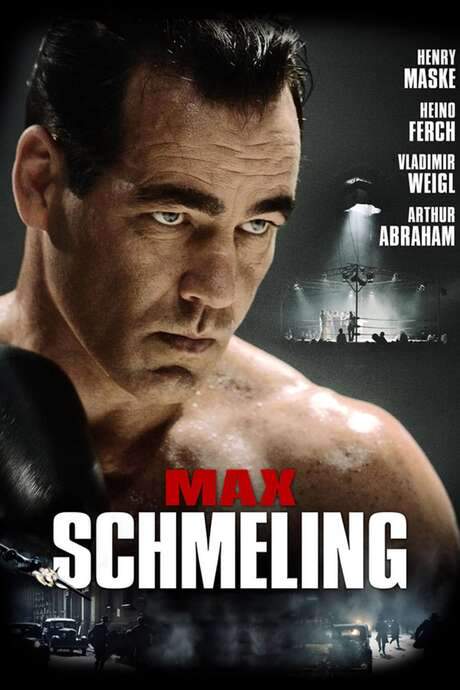
Max Schmeling is a 2010 action drama starring Henry Maske as Max Schmeling, Andreas Franke and Yoan Pablo Hernández. It runs 1 hour 58 minutes and earned $96,456 worldwide.
- Released
- Runtime
- 1h 58m (118 min)
- Original language
-
 German
 - Studio
- Jadran Film
- After the credits
- No No extra scene
What Is Max Schmeling About?
The premise of Max Schmeling without spoilers. The whole story is in the plot summary further down.
The film dramatizes the true life of German boxer Max Schmeling, who rose to national hero status in the 1930s as World heavyweight champion. After his upset loss to African‑American rival Joe Louis, the Nazi regime turned against him, ordering his deployment to the front in the hope he would be killed, illustrating his tragic clash with politics and sport.
Max Schmeling Cast & Characters
Henry Maske leads the cast as Max Schmeling, with Andreas Franke as Joe Louis Opponent #1 and Yoan Pablo Hernández as Joe Louis.
- Henry Maske as Max Schmeling
- Andreas Franke as Joe Louis Opponent #1
- Yoan Pablo Hernández as Joe Louis
- Rüdiger May as Joe Louis Opponent #3
Also Starring in Max Schmeling
· 81 more- Damir Dolar Joe Louis Opponent #2
- Elliot Cowan Alan Walken
- Antonio Ćurić British Boxer #3
- Bernd Lambrecht British Admin. Officer
- Stipe Drviš British Boxer #4
- Saša Ivkanec British Boxer #1
- Marko Barišić British Boxer #2
- Enad Ličina Jack Sharkey
- Vladimir Weigl Joe Jacobs
- Susanne Wuest Anny Ondra
- Josip Perica Hermann Heller
- Alexander Frenkel Young Stribling
- Arved Birnbaum Hans v. Tschammer u. Osten
- Vjekoslav Janković Aide of V. Tschammer
- Joe J. Thomas Sports Reporter (voice)
- Michael Becker Hamburg Boxer
Show all 85 cast members Show fewer cast members
- Slavko Kurjački Hamburg Referee
- Heino Ferch Max Machon
- Luka Šatara Werner Lewin
- Arthur Abraham Richard Vogt
- Uwe Boll Referee #2
- Detlef Bothe Referee Arthur Donovan
- Christian Kahrmann Hitler's Adjutant Lehmann
- Luka Peroš Referee Smith / Journalist #2
- Rolf Peter Kahl Joseph Goebbels
- Vili Matula Armed Forces Officer
- Stefan Gebelhoff David Lewin
- Peter Gilbert Cotton Arthur Brisbane
- Luka Dragić Man in Uniform
- Hans-Eckart Eckhardt Jim Farley
- Sven Medvešek Cabaret Host
- Alain Blazevic Karel Lamac
- Mile Kekin Gym Owner
- Dušan Bućan Journalist #3
- Barbara Prpić Housekeeper Martha
- Tom Sommerlatte Young Soldier
- Darko Milas Stribling's Father
- Vladimir Tintor Reporter #1
- Davorka Tovilo Cigar Girl
- Goran Manić SA Man #2
- Frank Raffel First Aid Radio Operator
- Sven Jakir Kristallnacht Rioter
- Klaus Schindler Surgeon Major Schönn
- Željko Šestić Hotel Receptionist
- Fabian Huebner Nazi Officer
- Micki Bertling SA Senior Troop Leader Freilach
- Mark Boldin Taxi Driver
- Karlo Pervan Newspaper Boy #2
- Željko Mavrović Boxing Manager #2
- Marinko Leš Farmhand
- Angelina Noa First Aid Nurse Maria
- Vanessa Radman Mrs. Damski
- Dražen Bratulić SA Man
- Igor Barberić Member RMVP
- Dunja Sepčić Bogner Anny's Neighbor Elizabeth Grohmann
- Robert Jozinović Journalist #1
- Manfred Wolke Sharkey's Trainer
- Ulli Wegner Vogt's Trainer
- Andreas von Thien Announcer #1
- Martina von Orten Housekeeper Lilly
- Besim Mujačić Referee #1
- Bernard Ban Referee #3
- Walter Knieps Referee #4
- Tomislav Grbavac Page Boy
- Benedikt Bravenz Newspaper Boy #1
- Kristijan Mandarić Neighbor Boy Reinhard Grohmann
- Ilija Ante Lovrić Henry Lewin
- Srećko Borše Supervisor
- Leon Tomić Messenger Boy
- Taanasa Bunnell Joe Louis' Mother
- Jadranka Tinić Mijatović Ring Woman
- Nikolina Komljenović Juggler #1
- Davor Peršić Juggler #3
- Nikola Mijatović Juggler #2
- Niko Radaš Jazz Band Member
- Nenad Grahovac Jazz Band Member
- Matej Huljev Jazz Band Member
- Jakša Kriletić Jazz Band Member
- Igor Dorotić Jazz Band Member
- Toni Starešinić Jazz Band Member
- Steffen Kuhr Belt bearer
Max Schmeling Plot Summary
What happens in Max Schmeling from start to finish, spoilers included, with a timeline of 15 key events. The opening is below; the full summary is a 4-minute read.
Spoilers ahead
In the opening scene, set in May 1941 during the German invasion of Crete in World War II, a wounded German paratrooper is tasked with escorting a British prisoner of war named Alan, Elliot Cowan. Alan recognizes him as the famous heavyweight Max Schmeling and begs him to tell his life story.
Full summary
The whole story of Max Schmeling, scene by scene
Max Schmeling Box Office
Max Schmeling grossed $96,456 worldwide.
Worldwide gross
$96.5K
- International
- $96.5K
How Well Do You Know Max Schmeling?
10 questions about the story, each with a hint if you get stuck. Pick an answer to see whether you were right.
Question 1 of 10
- Question 1: not answered
- Question 2: not answered
- Question 3: not answered
- Question 4: not answered
- Question 5: not answered
- Question 6: not answered
- Question 7: not answered
- Question 8: not answered
- Question 9: not answered
- Question 10: not answered
In the film's opening scene, set during the German invasion of Crete in 1941, the wounded German paratrooper is recognized by a British prisoner of war as which famous athlete?
Cars in Max Schmeling
40 cars on screen, including the 1936 Adler Trumpf and the BMW unknown.
-
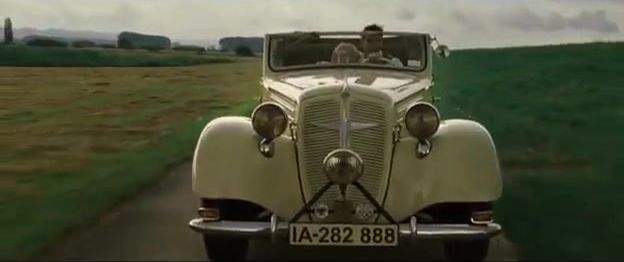 1936 Adler Trumpf Important role
 -
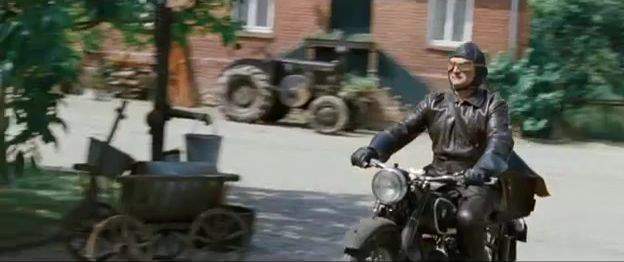 BMW unknown Important role
 -
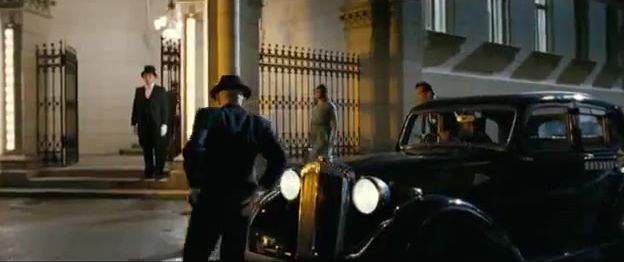 1949 Mercedes-Benz 170 S W136.IV Important role
 -
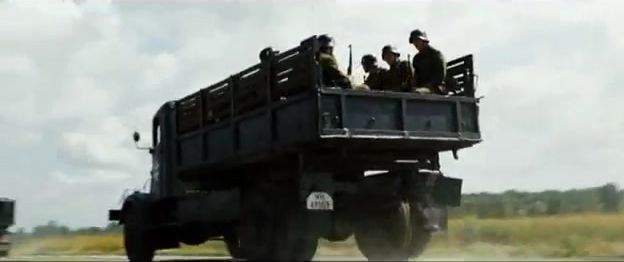 FAP 1314 SK/A Minor role
Max Schmeling Also Known As
7 alternative titles, including “Fist of the Reich” and “Макс Шмелинг: Боец Рейха”.
- Also known as
-
- Fist of the Reich
- Макс Шмелинг: Боец Рейха
- O Campeão de Hitler
- Max Schmeling : Le Boxeur du reich
- Макс Шмелинг
- Макс Шмелінг
- 拳外重生
Seen Max Schmeling?
Max Schmeling FAQ: Cast, Box Office & Runtime
Runtime, release date, cast, box office, post-credit scenes and language of Max Schmeling, each answered in a sentence.
How long is Max Schmeling?
Max Schmeling runs 1 hour 58 minutes (118 minutes).
When was Max Schmeling released?
Max Schmeling was released on October 7, 2010.
Who is in the cast of Max Schmeling?
Max Schmeling stars Henry Maske as Max Schmeling, Andreas Franke as Joe Louis Opponent #1 and Yoan Pablo Hernández as Joe Louis, among 85 credited actors.
How much did Max Schmeling make at the box office?
Max Schmeling grossed $96,456 worldwide.
Does Max Schmeling have a post-credit scene?
No. Max Schmeling has no extra scene during or after the credits.
What language is Max Schmeling in?
The original language of Max Schmeling is German.
Coming soon to your phone
The Plot Explained Movie Summary App
From blockbusters to hidden gems: plot summaries, endings explained and timelines on your phone. Save your favorites and never miss a twist again.
Be the first to know when it launches. Your email stays private, always. Learn more about the app
