
Max Schmeling 2010

Directed by
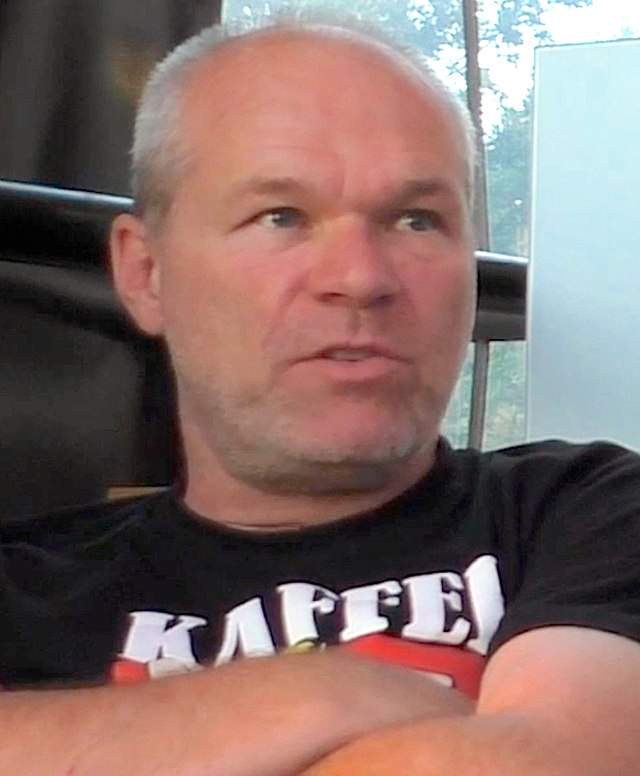
Uwe Boll
Made by

Jadran Film
Max Schmeling Plot Summary
Read the complete plot summary and ending explained for Max Schmeling (2010). From turning points to emotional moments, uncover what really happened and why it matters.
In the opening scene, set in May 1941 during the German invasion of Crete in World War II, a wounded German paratrooper is tasked with escorting a British prisoner of war named Alan, Elliot Cowan. Alan recognizes him as the famous heavyweight Max Schmeling and begs him to tell his life story.
The film then unfolds mostly in flashback, beginning on June 12, 1930, with Schmeling’s high-stakes bout against Jack Sharkey in a contest billed as the “Battle of the Continents.” Schmeling, often a slow starter, trails on points as the rounds progress. Sharkey lands a body shot that appears to go low, prompting a chaotic moment in the ring. Sharkey is disqualified, and Schmeling is declared the winner by the foul, a ruling the New York State Athletic Commission later upholds. This makes Schmeling the first European-born boxer to win the heavyweight title in 33 years, and the first German to hold it. Yet the victory is tinged with controversy, and Schmeling’s reputation—already a point of contention in both the United States and Germany—suffers as a result.
Back in Germany, Schmeling accompanies his manager, Vladimir Weigl, to a nightclub where his path crosses with the Czech-born actress who will be pivotal in his life, Anny Ondra. Schmeling’s efforts to win her attention are earnest but complicated: he visits her apartment with roses the next day, only to learn that she dislikes boxing. Despite this setback, Schmeling continues to pursue his career and personal life with a quiet resolve.
Schmeling’s next test comes on August 2, 1930, in Berlin, where he defeats [Wurner Heller] in the first round, and Anny is there to witness, though she leaves before the knockout. The momentum continues on July 3, 1931, when Schmeling travels to Cleveland for a grueling 15-round battle against [Young Stribling], ultimately retaining his championship.
As the years pass, Schmeling returns to New York in 1932 and faces Sharkey again in a controversial split decision that again leaves much of the crowd thinking Schmeling was the better man. The result muddies his title picture and stirs debate about whether he deserved to be recognized as the champion. Around this period, the Nazi ascent to power in Germany colors public perception, complicating Schmeling’s image abroad even as he remains devoted to his wife and his personal code.
In 1933, Schmeling marries Anny on July 6, just as the Nazi regime tightens its grip on German life. Although he becomes entangled in national politics, Schmeling stands apart from the party line, showing protective loyalty to his Jewish manager, [Vladimir Weigl], and resisting the regime’s propaganda. His stance leads to a notable meeting at the Reichskanzlei with Hans v. Tschammer u. Osten, head of the German Reich Sports Committee, who discusses a proposed fight in Germany to favor Adolf Hitler’s ideology. Schmeling agrees to box in the United States, but only for his own reasons.
The 1936 chapter brings Schmeling to American soil to face Joe Louis, the undefeated American star. Before the bout, Schmeling studies Louis’s fights, identifying a vulnerability: Louis tends to drop his left hand after jabs. The fight becomes a dramatic showcase of technique and nerve. Schmeling’s counter right lands with precision, and after twelve rounds Louis is knocked out. The bout elevates Schmeling’s reputation, even as Louis makes clear he will not accompany Schmeling back to Germany. Schmeling returns home as a national hero, though the political climate around him remains fraught.
Back in Germany, Schmeling’s relationship with the regime evolves in tension with the reality of the Nazi state. Yet he makes a striking personal choice during the purge of Jews in Berlin, hiding two Jewish children in his apartment, actions that push him further away from official endorsement. When World War II erupts, Schmeling enlists in the paratroops, choosing duty over exile.
The narrative returns to Crete, where Schmeling’s mercy leads to the escape of the British prisoner, Alan. In 1945, with Germany on the brink of defeat, Schmeling returns to his wife and they leave their country estate as the Soviets advance, ultimately settling in Hamburg, West Germany. A chance encounter with Alan again—now a bridge to postwar opportunity—helps Schmeling reconnect with boxing as a profession. Alan’s influence helps him track down his former trainer, Max Machon, who agrees to train him once more.
Schmeling’s comeback takes shape in 1947, beginning with a victory over [Werner Vollmer] in Frankfurt on September 29, under the banner of a transformed postwar boxing scene. He follows with a win against [Hans Joachim Draegestein] in Kiel on October 2, 1948, and meets a boxing talent agent who cautions him against continuing a sport that could kill him. Schmeling’s final professional fight arrives on October 31, 1948 in West Berlin against [Richard Vogt], after which he retires from boxing for good. He exits the ring with his wife Anny by his side, marking an ending that is as much about dignity as it is about trophies.
The closing chapter of Schmeling’s life reveals a broader legacy. He becomes a boxing icon and later a successful Coca‑Cola businessman. His wife Anny dies in 1987, and Schmeling himself passes away in 2005 at the age of 99, leaving behind a complicated but enduring legend that intertwines sporting excellence with a complex relationship to history.
Max Schmeling Timeline
Follow the complete movie timeline of Max Schmeling (2010) with every major event in chronological order. Great for understanding complex plots and story progression.
Crete framing and life-story request
In May 1941, during the German invasion of Crete, a German paratrooper is wounded and treated. He is later assigned to escort a British prisoner of war named Alan, who recognizes him as Max Schmeling and asks him to tell his life story.
Sharkey fight ends in controversial title win
On June 12, 1930, Schmeling faces Sharkey in a bout that goes into the fourth round while Schmeling trails on points. Sharkey lands a brutal low blow to Schmeling’s kidneys, prompting a dramatic sequence in the ring. The referee disqualifies Sharkey, declaring Schmeling the winner, a decision later upheld by the NYSAC.
Beats Heller in Berlin
On August 2, 1930, Schmeling knocks out Wurner Heller in the first round in Berlin. Anny Ondra attends the match but leaves before Schmeling lands the decisive blow, highlighting the growing tension between his public life and personal affairs.
Retains title against Young Stribling
July 3, 1931 in Cleveland, Schmeling fights Young Stribling for 15 exhausting rounds. He knocks Stribling down and retains the Heavyweight Championship, solidifying his status as the titleholder.
Rematch with Sharkey; controversial decision
June 21, 1932 in New York, Schmeling faces Sharkey again. The bout ends with a controversial split decision, leading many to believe Schmeling deserved the win and the title. The outcome fuels debates about judging and fairness in boxing.
1933: Nazi rise and marriage to Anny Ondra
As the Nazis rise to power in Germany, Schmeling’s public image becomes entangled with politics. He marries Anny Ondra on July 6, 1933, and remains protective of his Jewish manager Jacobs, resisting propagandistic uses of his fame.
Schmeling vs Louis I: 1936 fight in New York
June 19, 1936, Schmeling fights Joe Louis in America. By studying Louis’s films, he identifies flaws and uses a decisive right cross to counter. After twelve hard rounds, Schmeling scores a knockout and is hailed as the heroic upstart, though Louis notes he won't accompany Schmeling back to Germany.
Returns to Germany; hero's welcome; moves to Pommern
Three weeks after the Louis fight, Schmeling returns to Germany as a national hero and receives honors from the Nazi-controlled press. He and Anny move to a cottage in Pommern to escape the publicity surrounding his victory.
Louis rematch; first-round KO
June 22, 1938 in New York, Schmeling faces Louis again. Louis overwhelms him and knocks Schmeling out in the first round, marking a humiliating reversal and shifting public perception of Schmeling’s standing in boxing.
War era begins; Schmeling defies Nazi regime and enlists
As World War II looms, Schmeling defies propaganda by hiding two Jewish children in his apartment. When war breaks out in September 1939, he enlists in the paratroops, demonstrating personal courage despite political pressure.
1945: war ends; Schmeling returns to Hamburg
With the war drawing to a close, Schmeling returns to his wife; they abandon their country estate as advancing Soviet forces approach and settle in Hamburg, beginning a new chapter after years of conflict.
Alan helps reconnect and a comeback begins
In 1947, the former British prisoner Alan helps Schmeling out of a jam and persuades him to return to boxing. Schmeling reconnects with his former trainer Max Machon, who agrees to train him again, reigniting his boxing career.
Postwar comeback: Vollmer win in Frankfurt
On September 29, 1947, Schmeling defeats local contender Werner Vollmer at the Waldstadion in Frankfurt, signaling a bold return to competition after eight years away from the ring.
Kiel victory and looming retirement
October 2, 1948 sees Schmeling defeat Hans Joachim Draegestein in Kiel, underscoring a late but persistent comeback. A boxing talent agent later urges him to retire to avoid risking further harm.
Final retirement after Vogt bout
Schmeling’s last boxing match occurs on October 31, 1948 in West Berlin against Richard Vogt. After the 10th round, he surrenders and announces his retirement from boxing, marking the end of an extraordinary career.
Max Schmeling Characters
Explore all characters from Max Schmeling (2010). Get detailed profiles with their roles, arcs, and key relationships explained.
Max Schmeling (Henry Maske)
A German heavyweight boxer whose career defines the era's contradictions. He rises to world champion but remains wary of Nazi propaganda, choosing personal integrity over political gain. His life intertwines triumphs in the ring with moral decisions off it, including his stance toward his Jewish manager and his wife Anny Ondra.
Anny Ondra (Susanne Wuest)
Czech-born actress and Schmeling's partner who becomes his confidant. She dislikes boxing but supports Schmeling, marrying him as the Nazi era intensifies. Their relationship anchors the human side of Schmeling’s story amid public controversy.
Joe Jacobs (Vladimir Weigl)
Schmeling's Jewish manager, whose career and fate are entangled with the era's politics. Schmeling's camaraderie with Jacobs and his defense of him reflect his personal code against oppression. Jacobs represents the human cost of the regime's antisemitic policies.
Max Machon (Heino Ferch)
Schmeling's trainer and mentor, who guides his preparation and returns to work with him after the war. Machon embodies the trusted coaching relationship that helps Schmeling navigate both sport and era-defining challenges.
Joe Louis (Yoan Pablo Hernández)
American heavyweight champion whose bouts with Schmeling became defining moments in boxing history. The film portrays their first fight as a controversial turning point and the rematch as a public test of courage and national identity.
Hans von Tschammer und Osten (Arved Birnbaum)
Head of the German Reich Sports Committee who uses sport as propaganda and interacts with Schmeling about the Louis fights. He represents the political pressures Schmeling faces from the top of the regime.
Max Schmeling Settings
Learn where and when Max Schmeling (2010) takes place. Explore the film’s settings, era, and how they shape the narrative.
Time period
1930s–1948
The events span the 1930s through the late 1940s, beginning with Schmeling's ascent to the heavyweight title and ending with his retirement. The era covers the Nazi rise to power, the use of sport for propaganda, and Schmeling's personal acts of defiance and loyalty. The timeline includes the two historic bouts with Joe Louis and Schmeling's life after the war as Europe rebuilds.
Location
Crete, Berlin, New York, Cleveland, Kiel, Frankfurt, Hamburg, Pommern countryside, West Berlin
Set across the Mediterranean island of Crete during the 1941 invasion and major boxing venues in Berlin, New York, and Cleveland, the film traces Schmeling's rise and the changing perceptions of him amid a charged political era. It also visits German towns like Kiel and Hamburg and the Pommern countryside, where Schmeling's life alongside his wife unfolds amid upheaval. The story returns to war-time Europe and boxing culture, highlighting how geography frames the man behind the legend.
Max Schmeling Themes
Discover the main themes in Max Schmeling (2010). Analyze the deeper meanings, emotional layers, and social commentary behind the film.
🛡️
Integrity
Max Schmeling's life tests personal integrity against mounting political pressure. The film shows how a top athlete can resist propaganda, choosing private conscience over public spectacle. It highlights courage in a society willing to redefine heroes for its own ends.
🎭
Public Image
Schmeling's reputation as the 'low blow champion' demonstrates how media and crowd sentiment shape a hero's image. The narrative reveals the tension between public perception and private beliefs, especially under Nazi influence. Anny's relationship and Schmeling's actions expose the gap between image and character.
🤝
Loyalty
Key relationships—Anny Ondra, Joe Jacobs, and Max Machon—show loyalty as a central thread. Schmeling's protection of his Jewish manager and his trusted circle underscores ethics over nationalist pressure. These bonds sustain him through war, exile, and comeback.
🏆
Legacy
The film traces Schmeling's post-boxing life as a public icon and businessman, illustrating how sport can shape lasting influence beyond the ring. It portrays his humanitarian acts during wartime and his enduring reputation in boxing history. The ending reflects on how a sports figure can carry a legacy that outlives his prime.

Coming soon on iOS and Android
The Plot Explained Mobile App
From blockbusters to hidden gems — dive into movie stories anytime, anywhere. Save your favorites, discover plots faster, and never miss a twist again.
Sign up to be the first to know when we launch. Your email stays private — always.
Explore the mobile appMax Schmeling Spoiler-Free Summary
Discover the spoiler-free summary of Max Schmeling (2010). Get a concise overview without any spoilers.
In the charged atmosphere of 1930s Europe, a young German boxer rises from modest beginnings to become a national icon. Max Schmeling captivates a continent hungry for heroes, his prowess in the ring turning him into a symbol of strength and pride. The film opens amid the glamour and pressure of the heavyweight world, where every bout carries the weight of a country’s aspirations and the eyes of an emerging totalitarian regime.
Beyond the bright lights of the arena, the story immerses us in a Germany increasingly dominated by a harsh ideology that seeks to co‑opt every public figure for its own narrative. Max finds himself navigating a delicate balance between personal ambition and the expectations of a regime that wishes to use his fame as propaganda. Interwoven with his ascent are intimate connections—most notably his romance with the charismatic actress Anny, whose presence offers both solace and a reminder of a life beyond the sport.
The tension escalates when Max steps into a high‑stakes clash with an African‑American champion, Joe Louis. The bout becomes more than a fight; it transforms into a flashpoint where sport, politics, and identity collide. The outcome reverberates far beyond the stadium, drawing the attention of powerful officials who view the champion’s fate as a measure of ideological dominance. The looming presence of his manager, Joe Jacobs, adds a layer of loyalty and complexity, highlighting the personal stakes intertwined with the broader political currents.
Set against a backdrop of looming war and societal upheaval, the film’s tone blends the gritty realism of a boxer’s discipline with the looming dread of a nation sliding toward darkness. It invites the audience to witness a man’s struggle to retain his humanity while the world around him tries to reshape him into a symbol of something far larger—and far more sinister—than his own dreams.
Featured on this page

What's After the Movie?
Not sure whether to stay after the credits? Find out!
Check out our other apps:

SAT Sphere
Build confidence for the Digital SAT.

Mori Atlas
Discover wild places worth protecting.

Luntero
Search smarter for a home in Amsterdam.

Plot Explained
Unravel movie endings and hidden clues.

Pokechamp
Dive into Pokémon data and battle logic.

Driving Theory
Get ready for your European theory test.

Movie Dust
Plan your next cinema trip with ease.

Musemap
Find art and culture as you travel.

Selkobase
Compare credentials before committing.

Local Manual
Turn an unfamiliar country into practical next steps.

Lernavi
Compare school systems before your next move.

GymRoam
Find a workout stop wherever your plans take you.
Explore Our Movie Platform
New Movie Releases (2026)
Famous Movie Actors
Top Film Production Studios
Movie Plot Summaries & Endings
Major Movie Awards & Winners
Best Concert Films & Music Documentaries
Movie Collections and Curated Lists
© 2026 What's After the Movie. All rights reserved.
Privacy Policy