
Mao’s Last Dancer 2009


At 11, Li, a boy from a poor Chinese village, is selected by Madame Mao’s cultural program and taken to Beijing to train as a ballet dancer. After years of rigorous study, he joins a 1979 cultural exchange in Texas, where he falls for an American woman. Two years later he defects, eventually becoming a principal dancer with the Houston Ballet and later a principal artist with the Australian Ballet, fulfilling his dream of artistic freedom.

Does Mao’s Last Dancer have end credit scenes?
No!
Mao’s Last Dancer does not have end credit scenes. You can leave when the credits roll.
Meet the Full Cast and Actors of Mao’s Last Dancer
Explore the complete cast of Mao’s Last Dancer, including both lead and supporting actors. Learn who plays each character, discover their past roles and achievements, and find out what makes this ensemble cast stand out in the world of film and television.
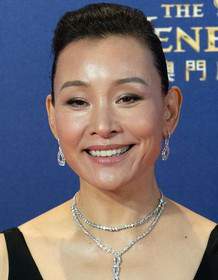
Joan Chen
Niang
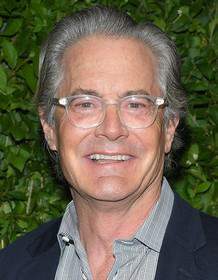
Kyle MacLachlan
Charles Foster
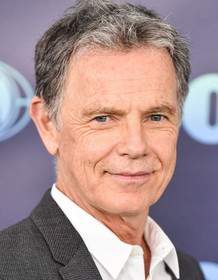
Bruce Greenwood
Ben Stevenson
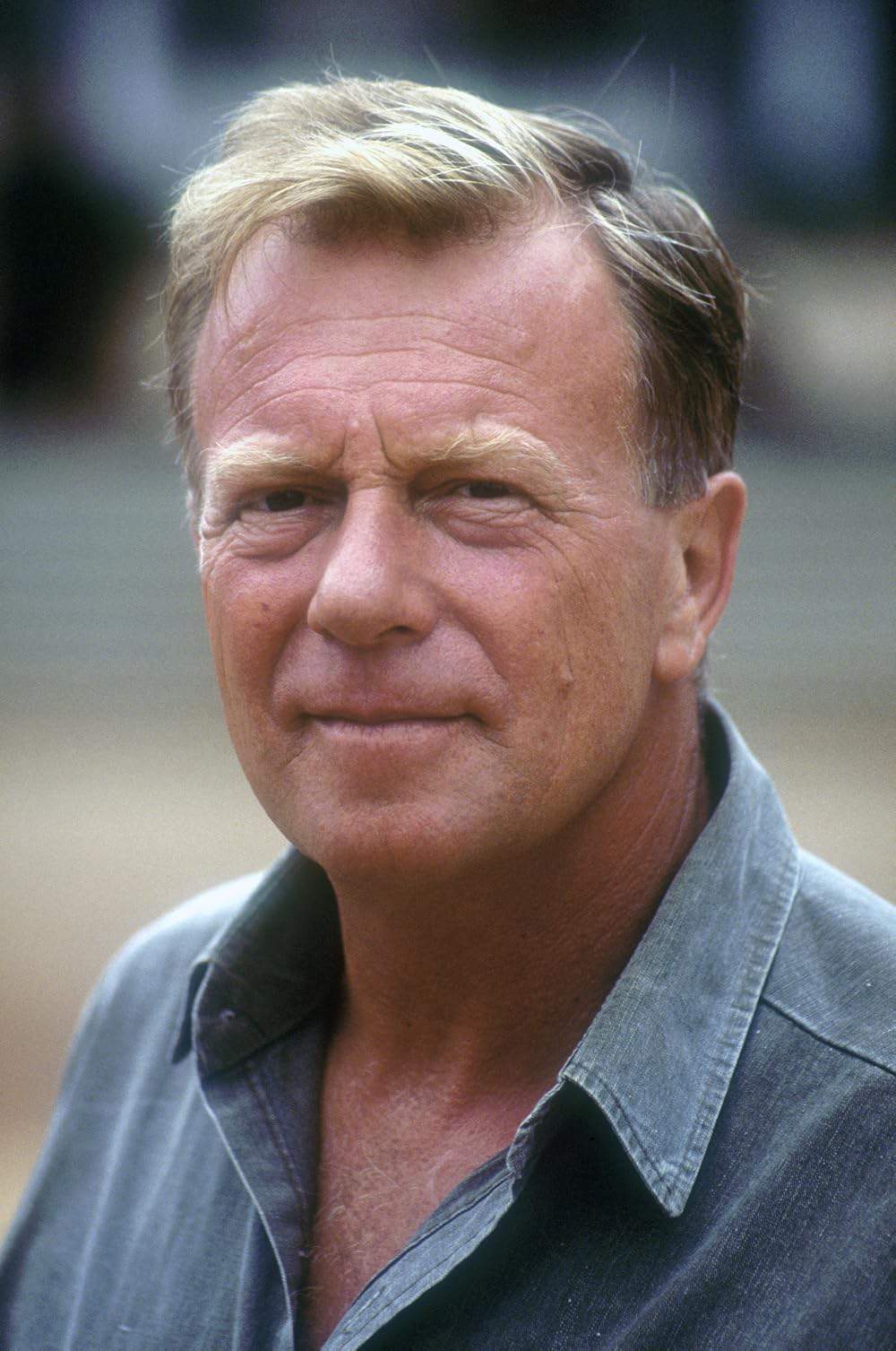
Jack Thompson
US Federal Judge

Barbara Bush
Herself (archive footage) (uncredited)
Aden Young
Dilworth
Chi Cao
Li Cunxin - adult
Amanda Schull
Elizabeth Mackey
Wang Shuangbao
George H. W. Bush
Himself (archive footage) (uncredited)
Mao Zedong
Himself (archive footage) (uncredited)
Chengwu Guo
Li Cunxin - teenage
Wen Bin Huang
Li Cunxin - boy
Camilla Vergotis
Mary McKendry
Madeleine Eastoe
Lori
Steven Heathcote
Bobby Cordner
Kip Gamblin
David
External Links and Streaming Options
Discover where to watch Mao’s Last Dancer online, including streaming platforms, rental options, and official sources. Compare reviews, ratings, and in-depth movie information across sites like IMDb, TMDb, Wikipedia or Rotten Tomatoes.






Take the Ultimate Mao’s Last Dancer Movie Quiz
Challenge your knowledge of Mao’s Last Dancer with this fun and interactive movie quiz. Test yourself on key plot points, iconic characters, hidden details, and memorable moments to see how well you really know the film.
Mao’s Last Dancer Quiz: Test your knowledge of the film "Mao’s Last Dancer" with these ten questions ranging from easy to challenging.
What is the name of the young ballet prodigy at the center of the story?
Full Plot Summary and Ending Explained for Mao’s Last Dancer
Read the complete plot summary of Mao’s Last Dancer, including all major events, twists, and the full ending explained in detail. Explore key characters, themes, hidden meanings, and everything you need to understand the story from beginning to end.
During Mao’s Cultural Revolution, an 11-year-old Chinese boy Li Cunxin grows up in a rural Shandong commune where daily life centers on farm work and collective life. When officials sweep through schools to recruit candidates for centralized training, he is initially overlooked but is ultimately chosen after his teacher’s plea, and he travels to the provincial capital in Qingdao for screening. From there, he is sent to Beijing for an audition at Madame Mao’s Dance Academy, and, after a series of rigorous physique and flexibility tests, he earns admission to ballet training.
Years of demanding practice follow, with Li’s talent gradually crystallizing. A senior teacher champions classical Russian ballet, a path that contrasts with the politically charged style required by the regime, and this tension helps fuel the teacher’s eventual ostracism. During a pivotal cultural visit to China, an American-based English ballet director, Ben Stevenson, is struck by Li’s extraordinary gifts and enlists him as an exchange student at the Houston Ballet, opening the door to a three-month stay in the United States.
In America, Li is confronted with life beyond the village and begins to question the strict dictates he has known. He forms a bond with an aspiring American dancer, Elizabeth Mackey Elizabeth Mackey, whose presence attracts Li to the local ballet scene. Li and Stevenson press for a longer stay, but the Chinese government denies the extension. Driven by opportunity and love, Li decides to pursue his future in the United States, and he and Mackey marry in a bid to anchor their life together and to navigate the complexities of international residency.
Li’s decision triggers a sharp clash with authorities. A Chinese resident diplomat at the Houston consulate forcibly detains him to compel his return, while media and high-level officials in both countries monitor the crisis. Li resists repatriation, and although the government eventually agrees to release him, it revokes his citizenship and bars him from ever returning to his homeland. The upheaval strains Li and Mackey’s relationship, and their marriage falters as Li remains in the United States to advance his ballet career, while Elizabeth’s own prospects in dance wane.
Five years later, a gesture of goodwill allows Li’s parents to visit him in the U.S. to witness his artistry, including a performance of The Rite of Spring, and to share a family reunion on stage. Li is eventually granted permission to visit China again, this time returning with his new wife, Australian dancer Mary McKendry. The couple comes back to Li’s village, reconnects with his former teacher, and performs an impromptu outdoor ballet to the cheers of the community.
The closing credits sketch the broader arc of Li Cunxin’s life: he danced with the Houston Ballet in 1995, an achievement broadcast to a global audience, and he and Mary McKendry settle in Australia with their three children. Ben Stevenson remains a towering figure in the ballet world, continuing his work as a director at the Texas Ballet Theater. The narrative also notes that Li’s circle extends into the professional world—Elizabeth Mackey’s path includes years with the Oklahoma Ballet and a later career as a speech therapist—while Li, Mary, and their family carry forward the legacy of their remarkable journey.

Discover Film Music Concerts Near You – Live Orchestras Performing Iconic Movie Soundtracks
Immerse yourself in the magic of cinema with live orchestral performances of your favorite film scores. From sweeping Hollywood blockbusters and animated classics to epic fantasy soundtracks, our curated listings connect you to upcoming film music events worldwide.
Explore concert film screenings paired with full orchestra concerts, read detailed event information, and secure your tickets for unforgettable evenings celebrating legendary composers like John Williams, Hans Zimmer, and more.


Mao’s Last Dancer Themes and Keywords
Discover the central themes, ideas, and keywords that define the movie’s story, tone, and message. Analyze the film’s deeper meanings, genre influences, and recurring concepts.

Unlock the World of Movies with Our Comprehensive Wiki
Dive into our Movie Wiki for in-depth film encyclopedia entries, including cast biographies, production trivia, plot synopses, behind-the-scenes facts, and thematic analyses. Whether you’re researching iconic directors, exploring genre histories, or discovering hidden easter eggs, our expertly curated movie database has everything you need to fuel your cinematic passion.
Similar Movies To Mao’s Last Dancer You Should Know About
Browse a curated list of movies similar in genre, tone, characters, or story structure. Discover new titles like the one you're watching, perfect for fans of related plots, vibes, or cinematic styles.
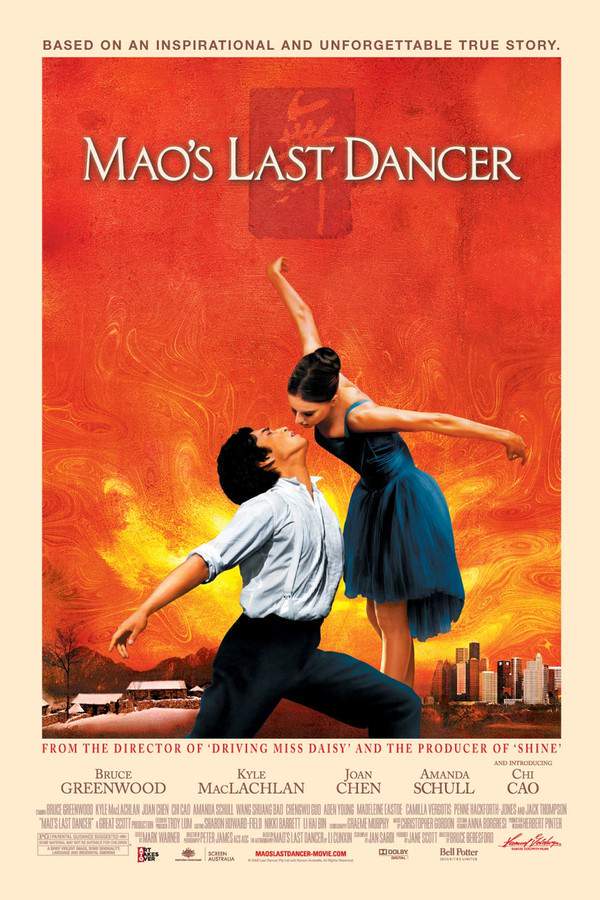
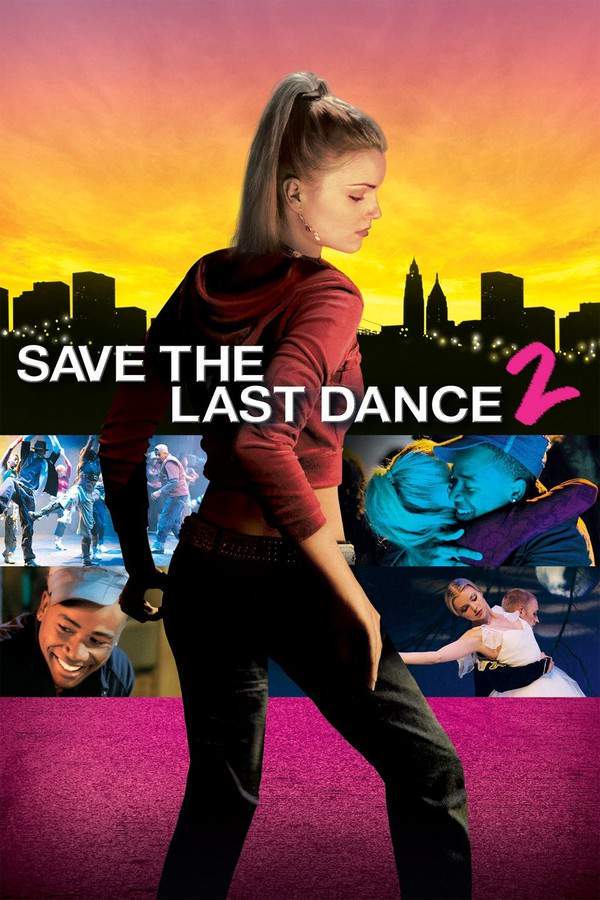
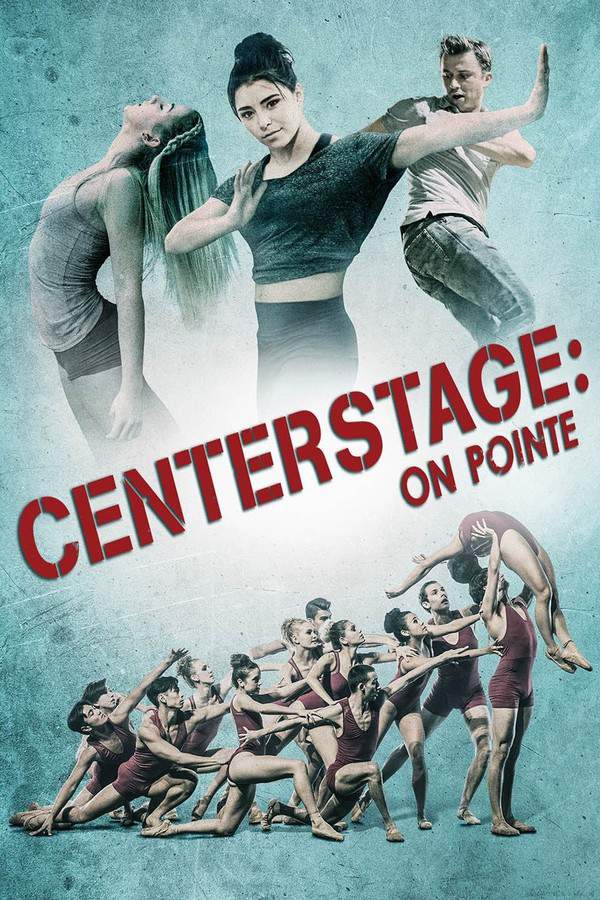




Quick Links: Summary, Cast, Ratings, More

What's After the Movie?
Not sure whether to stay after the credits? Find out!




Explore Our Movie Platform
New Movie Releases (2025)
Famous Movie Actors
Top Film Production Studios
Movie Plot Summaries & Endings
Major Movie Awards & Winners
Best Concert Films & Music Documentaries
Movie Collections and Curated Lists
© 2025 What's After the Movie. All rights reserved.