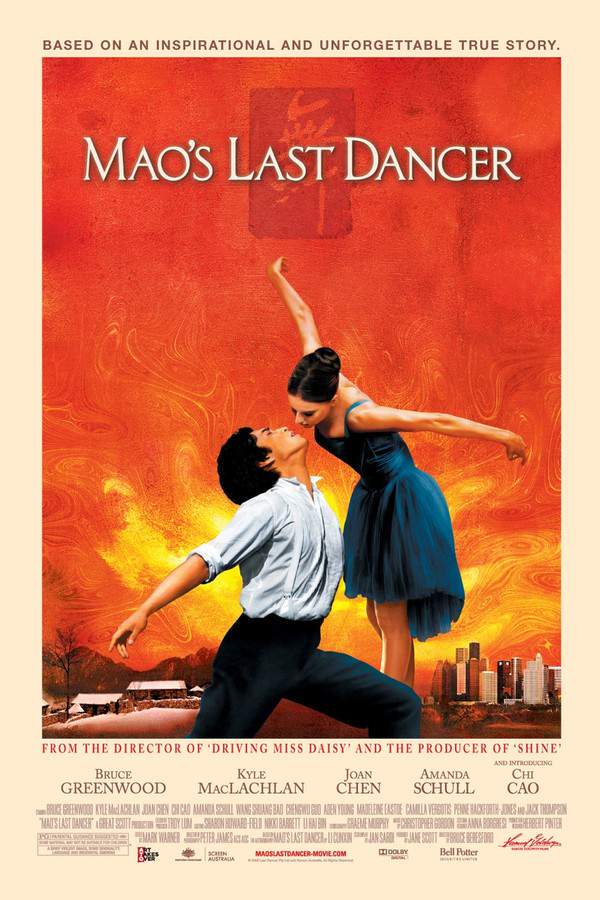
What Is Mao’s Last Dancer About?
The premise of Mao’s Last Dancer in 326 words, with nothing given away. The full story follows below.
In the sweep of Mao’s Cultural Revolution, a tiny village in Shandong becomes the unlikely starting point for a remarkable journey. An eleven‑year‑old boy named Li endures the relentless rhythm of collective farm life until officials arrive with a program promising a different kind of destiny—one shaped by the disciplined elegance of ballet. The invitation thrusts him far from his familiar fields, first to a provincial city for screening and then to the imposing corridors of Madame Mao’s Dance Academy in Beijing, where the clang of political slogans mingles with the soft thud of pointe shoes.
Inside the academy, Li discovers a world of exacting practice, soaring ambition, and an undercurrent of artistic tension. While the state‑mandated curriculum stresses revolutionary themes, a senior teacher quietly champions the classical Russian tradition, whispering of a purity that seems at odds with the surrounding ideology. This subtle clash fuels Li’s burgeoning talent and ignites a quiet longing for a freedom that extends beyond choreography, hinting at a deeper conflict between personal expression and imposed doctrine.
An overseas cultural exchange opens a new chapter when an esteemed English ballet director, Ben Stevenson, spots Li’s extraordinary promise and invites him to the United States. The invitation carries Li across the globe to Texas, where the expansive American landscape contrasts sharply with the compact discipline of his Beijing training. There, he encounters Elizabeth Mackey, an aspiring dancer whose own dreams echo his, and whose presence introduces both a tender curiosity and a fresh perspective on what a life devoted to dance might entail.
As Li navigates the vibrant yet unfamiliar world of American ballet, the story swells with the quiet tension of a young artist caught between two worlds. The film’s tone balances the stark austerity of revolutionary China with the expansive optimism of the West, inviting viewers to wonder how far a single individual can stretch the boundaries of art, identity, and freedom when the music of possibility begins to play.
What Happens in Mao’s Last Dancer?
The complete story of Mao’s Last Dancer, from the first scene to the last, in 535 words (about 2 minutes). Spoilers throughout. Names in the text link to 4 cast member pages.
Spoilers ahead
During Mao’s Cultural Revolution, an 11-year-old Chinese boy Li Cunxin grows up in a rural Shandong commune where daily life centers on farm work and collective life. When officials sweep through schools to recruit candidates for centralized training, he is initially overlooked but is ultimately chosen after his teacher’s plea, and he travels to the provincial capital in Qingdao for screening. From there, he is sent to Beijing for an audition at Madame Mao’s Dance Academy, and, after a series of rigorous physique and flexibility tests, he earns admission to ballet training.
Years of demanding practice follow, with Li’s talent gradually crystallizing. A senior teacher champions classical Russian ballet, a path that contrasts with the politically charged style required by the regime, and this tension helps fuel the teacher’s eventual ostracism. During a pivotal cultural visit to China, an American-based English ballet director, Ben Stevenson, is struck by Li’s extraordinary gifts and enlists him as an exchange student at the Houston Ballet, opening the door to a three-month stay in the United States.
In America, Li is confronted with life beyond the village and begins to question the strict dictates he has known. He forms a bond with an aspiring American dancer, Elizabeth Mackey Elizabeth Mackey, whose presence attracts Li to the local ballet scene. Li and Stevenson press for a longer stay, but the Chinese government denies the extension. Driven by opportunity and love, Li decides to pursue his future in the United States, and he and Mackey marry in a bid to anchor their life together and to navigate the complexities of international residency.
Li’s decision triggers a sharp clash with authorities. A Chinese resident diplomat at the Houston consulate forcibly detains him to compel his return, while media and high-level officials in both countries monitor the crisis. Li resists repatriation, and although the government eventually agrees to release him, it revokes his citizenship and bars him from ever returning to his homeland. The upheaval strains Li and Mackey’s relationship, and their marriage falters as Li remains in the United States to advance his ballet career, while Elizabeth’s own prospects in dance wane.
Five years later, a gesture of goodwill allows Li’s parents to visit him in the U.S. to witness his artistry, including a performance of The Rite of Spring, and to share a family reunion on stage. Li is eventually granted permission to visit China again, this time returning with his new wife, Australian dancer Mary McKendry. The couple comes back to Li’s village, reconnects with his former teacher, and performs an impromptu outdoor ballet to the cheers of the community.
The closing credits sketch the broader arc of Li Cunxin’s life: he danced with the Houston Ballet in 1995, an achievement broadcast to a global audience, and he and Mary McKendry settle in Australia with their three children. Ben Stevenson remains a towering figure in the ballet world, continuing his work as a director at the Texas Ballet Theater. The narrative also notes that Li’s circle extends into the professional world—Elizabeth Mackey’s path includes years with the Oklahoma Ballet and a later career as a speech therapist—while Li, Mary, and their family carry forward the legacy of their remarkable journey.
Mao’s Last Dancer Timeline: Every Key Event in Order
13 key events in the order they happen, from “Li's rural upbringing and school recruitment” to “Closing credits: Li's global legacy”. 13 events name a place, across 8 locations.
- 1
Li's rural upbringing and school recruitment
In a rural Shandong Province commune, 11-year-old Li Cunxin's future seems bound to the fields. When government recruiters arrive to pick candidates, he is initially passed over but is finally selected after his teacher pleads during a school visit. He leaves for the wider world with a mix of bewilderment and guarded optimism as he travels to Qingdao for screening.
Where:Shandong Province, China; Qingdao
- 2
Beijing audition and admission to Madame Mao's Dance Academy
Li is sent to Beijing for an audition and is admitted to Madame Mao's Dance Academy after a series of physique and flexibility exams. The admission marks the start of grueling training under a regime that prioritizes political aims over personal expression. He faces the challenge with a growing sense of purpose, even as nerves threaten to overwhelm him.
Where:Beijing, China
- 3
Chan's influence and the crackdown on Russian ballet
Years of strict training follow, and Li's early lukewarm interest gives way to inspiration from senior teacher Chan. Chan champions classical Russian ballet, conflicting with the academy's politically driven style, which leads to Chan's apparent banishment. Li must navigate the tensions between artistry and politics as his talent deepens.
Where:Beijing, China
- 4
Cultural exchange: Stevenson scouts Li for Houston Ballet
During a groundbreaking cultural visit to China, Ben Stevenson, an English-language ballet director based in the United States, spots Li's talent and pursues him as an exchange student for the Houston Ballet. The academy's skeptical stance softens when a supportive mentor helps secure a three-month stay in America. Li's bold step toward the world beyond China becomes a turning point in his training.
Where:Beijing, China
- 5
Li's US life and first romance
In the United States, Li experiences life beyond China and begins a romantic relationship with Elizabeth Mackey, an aspiring American dancer. The exposure to American culture also prompts him to question the strict political dictates he grew up with. He starts to imagine a different future, one that might be possible beyond his homeland.
Where:Houston, Texas, USA
- 6
Attempted extension and government denial
Li and Stevenson push for a longer stay, hoping to extend his time with Houston Ballet. But the Chinese government refuses to grant the extension, forcing Li to confront the limitations of his opportunities. The outcome hardens Li's resolve to stay or redefine his path.
Where:Houston, Texas, USA
- 7
Marriage, consular intervention, and detention
Seeking legal grounds for residency, Li and Mackey marry, then Li visits the Chinese Consulate in Houston to accept responsibility for his decision. A Chinese resident diplomat detains him to coerce a return to China, drawing in media and government officials from both sides. The higher-profile incident foreshadows the international friction to come.
Where:Houston, Texas, USA
- 8
Repercussions: citizenship revoked and repatriation blocked
Li resists repatriation, and the Chinese government eventually releases him but revokes his citizenship, declaring he can never return. The personal cost is immense as he remains in the United States, cut off from his homeland. The episode underscores the price of choosing personal freedom over political duty.
Where:Houston, Texas, USA; China
- 9
Stevenson persuades Li to stay; Elizabeth's prospects fade
Li continues to excel as a dancer with Stevenson guiding the Houston Ballet, while Elizabeth's own dance career loses momentum. Stevenson persuades Li to stay in America, effectively sealing the fate of their marriage. The relationship frays as years pass in distance.
Where:Houston, Texas, USA
- 10
Five years later: parents visit and Rite of Spring on stage
Five years later, the Chinese government allows Li's parents to visit him in the United States, and they witness his Rite of Spring performance and share a stage reunion with him. The moment marks a bridge between Li's two worlds and a rare moment of reconciliation through art.
When:Five years later Where:United States
Show the other 3 events of Mao’s Last Dancer Hide the last 3 events
- 11
Permission to visit China and return to his youth village
Li is finally granted permission to visit China. He returns with Mary McKendry, an Australian ballerina, to reconnect with his family and former teacher Chan in the village. Chan expresses regret that he never got to see Li perform, acknowledging Li's growth.
Where:Shandong, China
- 12
A triumphant return: outdoor ballet in the village
Li and Mary give an impromptu outdoor ballet performance for the village crowd, celebrating his full-circle return to his roots. The moment underscores his journey from rural child to international dancer and family man.
Where:Shandong Village, China
- 13
Closing credits: Li's global legacy
Closing credits reveal Li Cunxin's 1995 performance in China with the Houston Ballet, broadcast to hundreds of millions. The film notes that Li and Mary live in Australia with their three children, while Stevenson remains a leading choreographer and Elizabeth Mackey pursues a career in speech therapy and related fields.
When:1995 Where:China; Australia
Who Are the Main Characters in Mao’s Last Dancer?
10 characters, among them Li Cunxin (Chi Cao), Li Cunxin - teen (Chengwu Guo) and Elizabeth Mackey: who each one is and the part they play in the story. Every profile links to the actor’s page.
- LC
Li Cunxin (Chi Cao)
Played by Chi Cao
A Chinese ballet prodigy whose extraordinary talent propels him from a rural village to the Madame Mao Dance Academy and eventually to the Houston Ballet. His drive to pursue dance is tempered by political constraints and personal longing for family. He embodies resilience, discipline, and a willingness to defy expectations for his art.
- 🎭 Prodigy
- 🧭 Identity
- 🌐 Transcultural journey
- LC
Li Cunxin - teen (Chengwu Guo)
Played by Chengwu Guo
The teenage Li Cunxin begins to show exceptional potential under challenging training conditions. His evolving passion for ballet clashes with the political environment, foreshadowing the international path his life will take. The character captures the early struggle between duty and dream.
- 🧒 Young talent
- 🎯 Focus
- 🌏 Global ambitions
- EM
Elizabeth Mackey
Played by Amanda Schull
An aspiring American dancer who forms a deep bond with Li. Their romance becomes a focal point of Li’s conflict between staying in the United States to pursue dance and honoring his obligations to family and country. Elizabeth’s influence represents personal freedom and the costs of pursuing love across borders.
- 💑 Love
- 🎭 Ballet
- 🌍 Cross-cultural bond
-
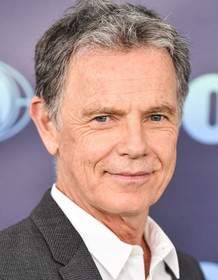
Ben Stevenson
Played by Bruce Greenwood
The English ballet director who recognizes Li’s star power and sponsors his US training. He acts as mentor and advocate, pushing Li toward opportunities he might not have earned within China alone. His mentorship catalyzes Li’s international career.
- 🎓 Mentor
- 🧭 Opportunity
- 🩰 Ballet leadership
- MM
Mary McKendry
Played by Camilla Vergotis
An Australian ballerina who becomes Li’s partner. Her presence anchors Li’s life in Australia and adds personal balance to his professional ascent. Their collaboration on stage and in life highlights a global ballet community.
- 💍 Partner
- 🩰 Ballet
- 🌏 International life
-
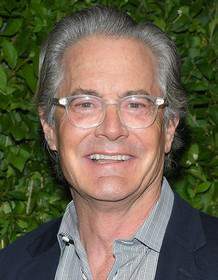
Charles Foster
Played by Kyle MacLachlan
A Houston-based immigration attorney who guides Li through residency and citizenship questions. He provides crucial legal support in Li’s decision to build a life abroad while maintaining ties to his homeland. His involvement underscores the real-world stakes behind Li’s artistic dream.
- ⚖️ Legal ally
- 🧭 Immigration
- 🏛️ Houston
-
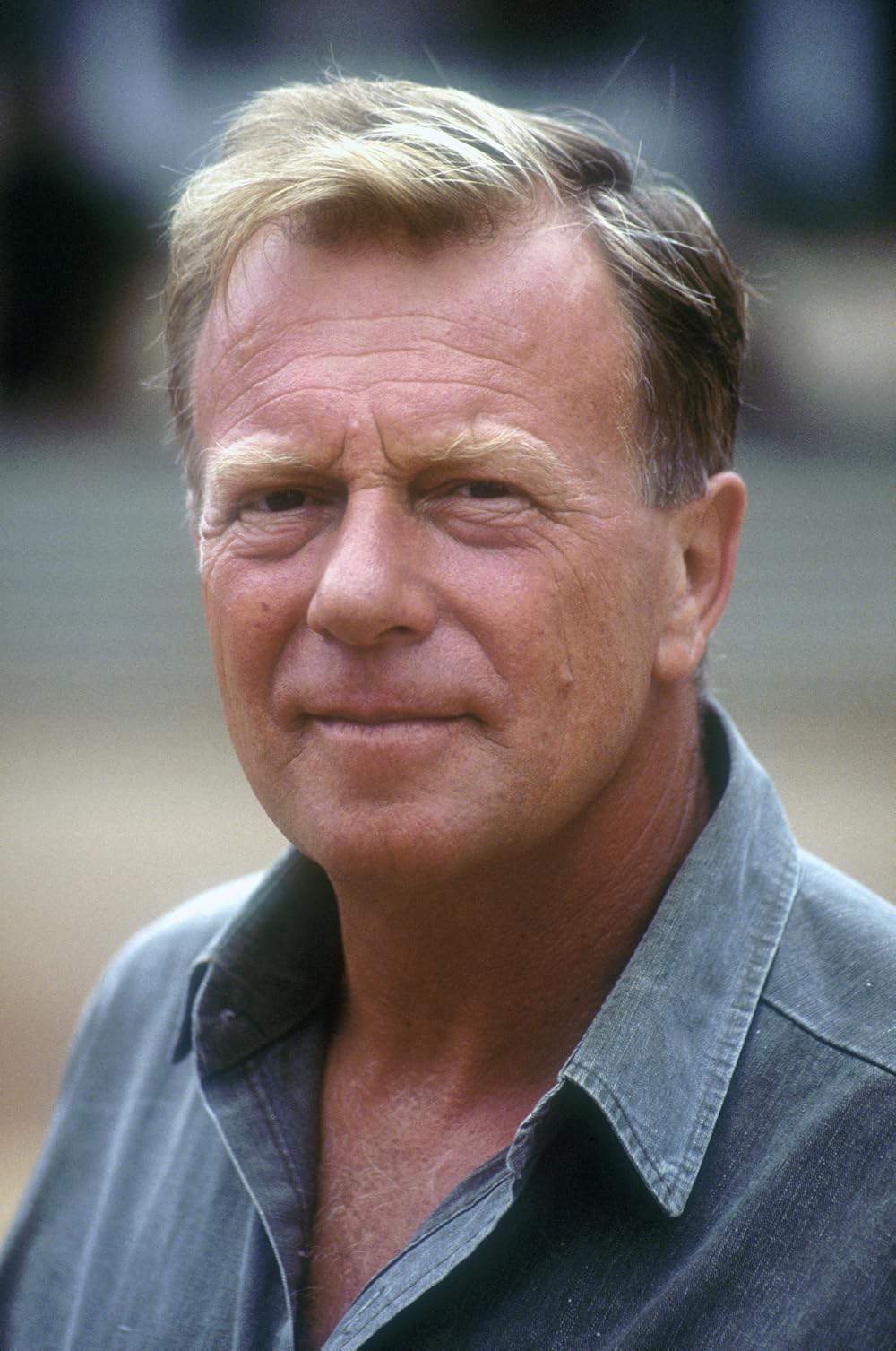
US Federal Judge
Played by Jack Thompson
A legal authority involved in the consulate incident that tests Li’s ability to stay in the United States. The character represents the governmental power shaping Li’s fate during the crisis. The scenes emphasize the intersection of law, politics, and personal rights.
- ⚖️ Judicial figure
- 🕊️ Rights
- 🗺️ US-China relations
- MZ
Mao Zedong
Played by Mao Zedong
Archive footage of the Chinese leader anchors the film in its historical backdrop. His presence signals the Cultural Revolution’s reach and the ideological climate that drives the characters' choices. The archival portrayal frames the political pressures Li faces.
- 🧭 Historical figure
- 🏛️ Ideology
- 📽️ Archival
- BB
Barbara Bush
Played by Barbara Bush
Archive footage of the First Lady appears in the narrative, reinforcing the film’s international, political landscape. Her inclusion situates Li’s story within a broader social context. The footage provides a sense of continuity with global events of the era.
- 🎥 Archive
- 🗺️ Global context
- 🕊️ Diplomacy
- GH
George H. W. Bush
Played by George H. W. Bush
Archive footage of the future US President appears, underscoring the US-China diplomatic environment surrounding Li’s life. His presence signals how political figures intersect with personal stories in the era. It anchors the time-specific world Li navigates.
- 🎬 Archive
- 🗺️ Diplomatic context
- 🕊️ Global politics
Where and When Is Mao’s Last Dancer Set?
Mao’s Last Dancer is set in Shandong Province (rural village), Qingdao, Beijing, Houston, Florida, Australia (Late 1960s – early 1970s). Here is why the time and place matter to the story.
When
Late 1960s – early 1970s
Set during China's Cultural Revolution, the film shows a society where art and ideology intertwine and personal choices are constrained by political mandates. The timeline follows Li from rigid early training to international exchange, and then to a period of reflection and return. The latter portion covers Li’s life years after the initial upheaval, culminating in reconciliation with his roots.
Where
Shandong Province (rural village), Qingdao, Beijing, Houston, Florida, Australia
The story begins in a rural Shandong Province village, where Li Cunxin is destined for field labor before talent opens a path to elite dance training. The journey takes him from Qingdao to Beijing for Madame Mao's Dance Academy, then across the Pacific to Houston, Texas. Later, the narrative moves to Florida and finally Australia, highlighting Li’s global ballet career and family life.
- 🏞️ Rural China
- 🏙️ Urban centers
- 🌍 International ballet scene
What Are the Themes of Mao’s Last Dancer?
3 ideas the story keeps returning to, among them Art vs Politics, Cross-Cultural Exchange and Love and Sacrifice.
-
01
Art vs Politics
The film explores how artistic pursuit challenges state-imposed norms. Li’s dedication to ballet clashes with the political requirements of Madame Mao’s era, highlighting the tension between personal expression and collective ideology. The narrative treats art as a form of resilience in restricted times.
-
02
Cross-Cultural Exchange
Li’s move from China to the United States exposes him to different cultures and training methods. The story examines how exposure to Western ballet broadens his worldview and influences his sense of identity. It also shows how foreign opportunities reshape national and personal loyalties.
-
03
Love and Sacrifice
Romantic and familial ties are tested by political and professional pressures. Li’s relationship with Elizabeth Mackey and his separation from his family illustrate the costs of following a dream abroad. The narrative centers on sacrifice for art, duty, and loved ones.
What Kind of Film Is Mao’s Last Dancer?
Hopeful in tone, with steady pacing and a moderate story, going by the plot summary.
- Tone
- Hopeful
- Pacing
- Steady
- Story
- Moderate
- Intensity
- Medium
- Ending
- Happy
An inspiring and emotionally charged drama that chronicles a dancer's journey from political oppression to artistic freedom, balancing tense political conflict with a triumphant, hopeful conclusion.
- inspiring
- emotional
- triumphant
- tense
- nostalgic
- melancholic
- artistic freedom
- defection
- cross-cultural romance
- coming of age
Content notes: political imprisonment, forced separation from family.
Quiz
How well do you remember Mao’s Last Dancer? Test yourself on the story.