Maintenance Required 2025


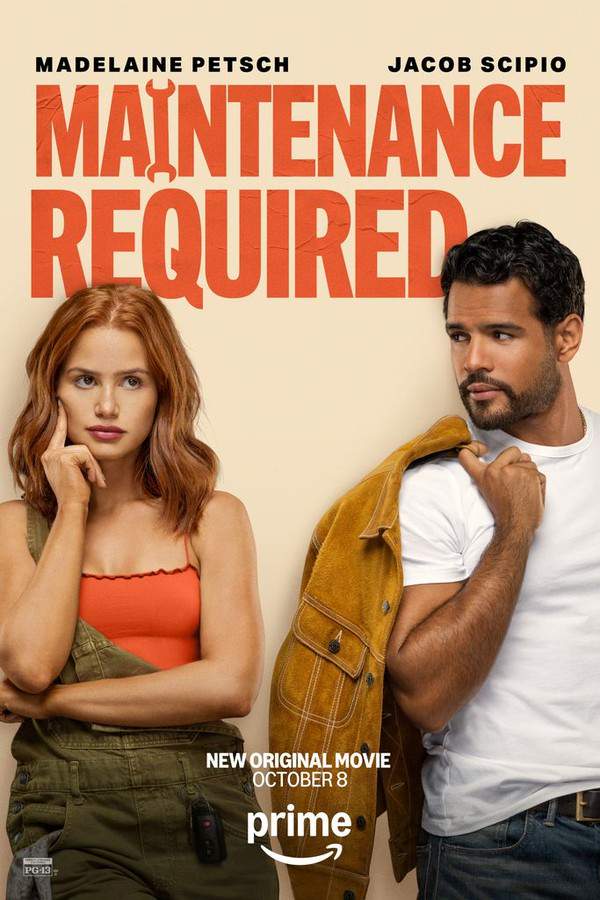
Charlie, compelled to reassess the future of her all‑female mechanic garage, begins confiding in an anonymous online friend named Beau. When she discovers that Beau is actually the owner of a competing shop and her real‑life business rival, their secret chats evolve into a surprising personal connection, forcing both to navigate a growing attraction amid fierce professional competition.


Does Maintenance Required have end credit scenes?
No!
Maintenance Required does not have end credit scenes. You can leave when the credits roll.
Where to Watch Maintenance Required
See current US streaming, rental, and purchase options for Maintenance Required (2025) via JustWatch.


Streaming availability powered by 
Meet the Full Cast and Actors of Maintenance Required
Explore the complete cast of Maintenance Required, including both lead and supporting actors. Learn who plays each character, discover their past roles and achievements, and find out what makes this ensemble cast stand out in the world of film and television.

Lorena Andrea
Nigella

Jim Gaffigan
Mr. Miller

Katy M. O'Brian
Kam

James Dryden
Mark

Luke Carroll
Sammy

Julee Cerda
Liz Novak
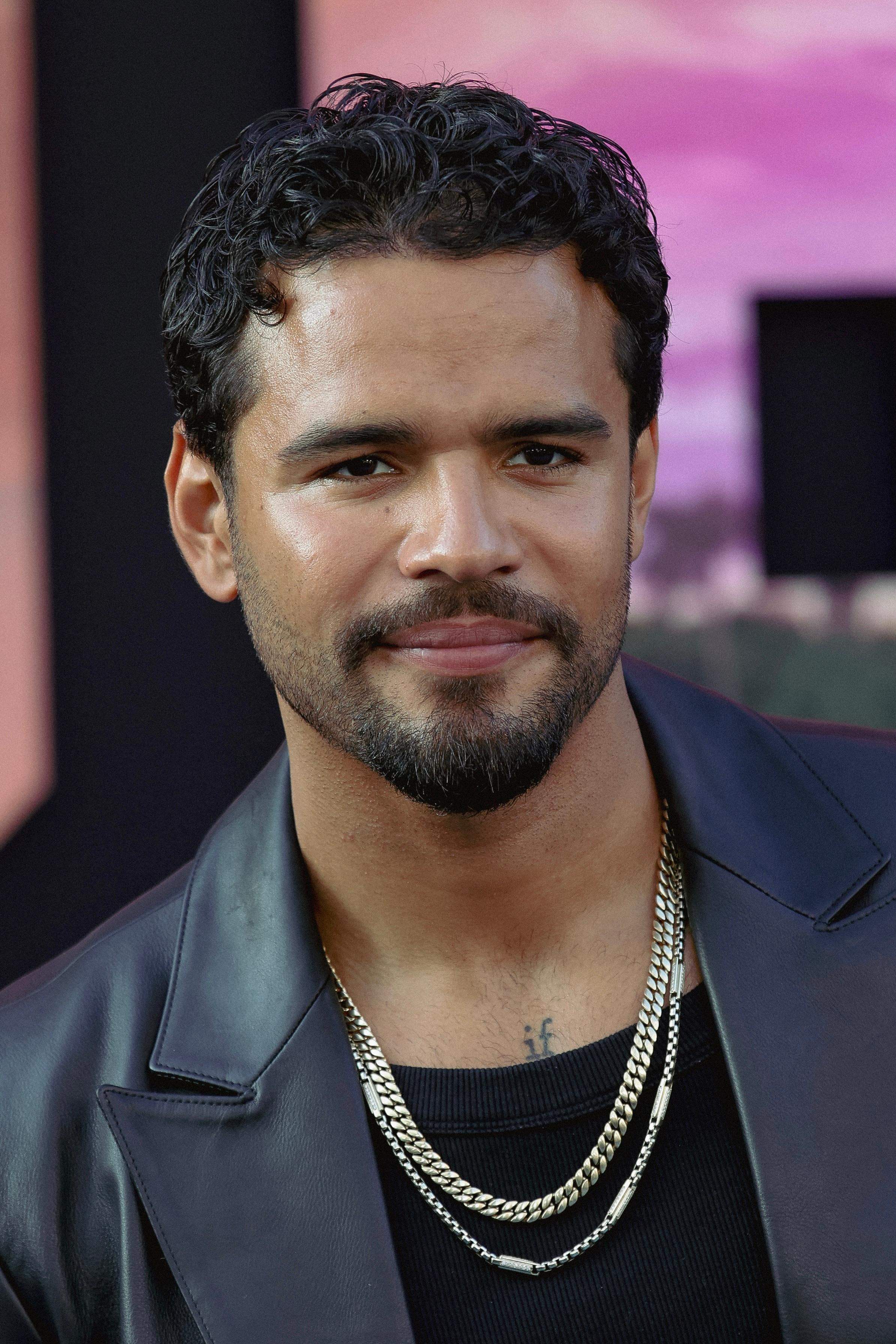
Jacob Scipio
Beau
Madison Bailey
Izzy
Inanna Sarkis
Lola

Madelaine Petsch
Charlie
Matteo Lane
Jordan
Amrou Al-Kadhi
Bryant
Lewis Goody
Trev
Tia Bannon
Kendra
Laura Lakshmi
Shannon
Freddie Pearson
Joe
Mimi Slinger
Jasmine
Carrie Dimaculangan
Aleesha
Naomi J. Ogawa
Jenny
Hannah Warrington
Lucy
External Links and Streaming Options
Discover where to watch Maintenance Required online, including streaming platforms, rental options, and official sources. Compare reviews, ratings, and in-depth movie information across sites like IMDb, TMDb, Wikipedia or Rotten Tomatoes.







Ratings and Reviews for Maintenance Required
See how Maintenance Required is rated across major platforms like IMDb, Metacritic, and TMDb. Compare audience scores and critic reviews to understand where Maintenance Required stands among top-rated movies in its genre.

The Movie Echo Score
Maintenance Required delivers a mixed cinematic experience, with its strongest assets lying in the leads' chemistry and occasional tonal charm. Critics frequently cite a lack of visual innovation and uneven direction, while some praise the film's modest visual flair and soundtrack. Audience reactions highlight enjoyment derived from its familiar rom‑com structure, though the craft overall feels serviceable rather than distinctive. Consequently, the film sits in the middle of the rating spectrum.
The Movie Echo Score Breakdown for Maintenance Required

Art & Craft
In terms of art and craft, the film shows limited visual ambition. Critics describe the direction as sputtery and the production as failing to update genre conventions, while a few note occasional charm in its aesthetic. Viewers rarely comment on cinematography, suggesting it remains unremarkable. Overall, the technical execution is perceived as below average, contributing to a modest art score.

Character & Emotion
When it comes to character and emotion, the leads are frequently highlighted for their charisma and chemistry. Critics acknowledge attractive, breezy performances and some reviewers commend the ensemble’s energy. Audience feedback emphasizes enjoyable interactions, heartfelt moments, and memorable rapport. Though a few note limited depth, the consensus points to engaging portrayals that elevate the romantic narrative, resulting in a strong character rating.

Story & Flow
Story and flow receive mixed evaluations. Critics label the plot as contrived, cliché‑heavy, and lacking originality, while some acknowledge a classic, functional romance. Users describe the narrative as predictable yet entertaining, noting a clear storyline that works as light‑hearted fare. The pacing is generally considered adequate, but the overall originality is limited, positioning the story score in the mid‑range.

Sensory Experience
Sensory experience is judged moderately positive. Reviewers commend an excellent soundtrack that enhances memorability, though commentary on visual style is sparse. Some critics note a lack of craft, yet the audio elements receive consistent praise. Audience remarks do not focus heavily on sound or visuals, implying they are satisfactory but not standout. The sensory components thus earn a solid, above‑average rating.

Rewatch Factor
Rewatch factor appears strong, driven by the film's comfort appeal and enjoyable chemistry. Critics mention lingering charm and occasional humor that can sustain repeat viewings. Users frequently describe it as a perfect comfort movie, sweet rom‑com, and fun pastime, indicating high replay value. Despite structural flaws, the overall pleasant tone encourages audiences to return, resulting in a high rewatch score.


%
TOMATOMETER

0%
User Score

5.3 /10
IMDb Rating

61
%
User Score
Full Plot Summary and Ending Explained for Maintenance Required
Read the complete plot summary of Maintenance Required, including all major events, twists, and the full ending explained in detail. Explore key characters, themes, hidden meanings, and everything you need to understand the story from beginning to end.
Charlie, a skilled auto mechanic who inherits her father’s Oakland shop, keeps the business running with grit and pride. She works weekends and late nights, turning wrenches with the same ease she uses to chat online under the alias GreaseMnky, sharing car advice with a mysterious forum friend known as “Bullnose.” Unbeknownst to her, Bullnose is actually Beau, the ambitious manager behind Miller Boys, a large car company that opens a new location directly across the street to compete with Charlie’s smaller shop.
From the moment Beau appears at Charlie’s shop with his friend Jordan — who’s finishing up a manicure with Izzy — the stakes become clear. The Miller Boys plan is pitched as a future of electric vehicles and rapid expansion, and it casts a long shadow over Charlie’s tight-knit, all-women team. When Beau leaves the shop, he talks with his girlfriend Lola, who seems less than thrilled with his role in this corporate rivalry. Later, at a bar, Beau challenges Charlie to a game of pool, wagering something she readily accepts and defeats him soundly, underscoring her sharp skills and competitive edge.
The tension escalates as the corporate giant eyes Charlie’s success. Mr. Miller — the head of Miller Boys, played by Jim Gaffigan — hears Beau’s pitch about why electric vehicles are the future and signals interest in Charlie’s market. Charlie herself visits Miller Boys and spots Beau at the facility. The moment she notices his Miller Boy badge, the truth of their clash becomes personal, and she feels betrayed that he didn’t disclose his affiliation before meeting her. Nevertheless, her mechanical prowess shines when she changes a tire faster than a rival shop, proving that she’s a formidable competitor and a community favorite.
Back at home, Charlie opens up to Bullnose online, unaware that the person she’s speaking with is the same man who’s trying to topple her shop in the real world. A TV crew interviews her, and she passionately defends the shop as a community hub built by her father, insisting that they will not be bullied by a heartless corporation. A concerned shopper complains about Miller Boys pushing small businesses out, but the argument is framed as a harsh, if realistic, consequence of capitalism. Charlie begins to realize that beating lower prices is harder than it looks, even for someone as talented as she is.
As the online relationship with Bullnose deepens, Charlie agrees to meet him in person at a restaurant. Beau arrives there under his own name, not as Bullnose, and presents dinner as a simple date. When the real Bullnose doesn’t appear, Charlie leaves frustrated and blocks him in her messages. Bullnose pleads for forgiveness, but Charlie is hesitant. The plot thickens when an investor purchases a classic car that Charlie had lovingly restored, triggering a longing to hand the shop to someone who shares her passion as deeply as she does. Eventually, Charlie agrees to give Bullnose a second chance and meets him again at a coffee shop, hoping for honesty.
Beau eventually invites Charlie to a classic car show, and this time she discovers that Bullnose is the same person she’s been chatting with online — Beau. The revelation shakes her trust, and she drives away, feeling foolish for not recognizing the signs earlier. The next day, Mr. Miller is pleased as Oakland becomes one of Miller Boys’ top locations, but Beau quietly quits, signaling a personal shift in his conscience and a desire to pursue something more meaningful than corporate conquest.
In a turning point, Charlie attends the car show again and begins to see a softer, more genuine side of Beau as they bond over photographs of the cars. They decide to take a chance on a connection, and a drive together feels right, but the moment is interrupted by a tow of reality: their romance is tested by the shadow of the corporate giant and the trust they must rebuild. After a scene at a scenic shoreline, Beau’s car overheats, and Charlie offers him a ride home. In a vulnerable moment, they share a quiet closeness, but Charlie also confronts the fact that Beau’s identity as Bullnose could never be erased from her memory. She heads off determined to protect her own heart and her shop.
One month later, the two are on a tentative path. Cam at Miller Boys mentions that Beau left weeks earlier, having developed a corporate conscience, while Charlie admits she misses him a little more than she expected. She calls him, but only finds his voicemail, which says he’s on a road trip. She tracks him down to a diner, where he sits with a simple, honest plan: he’s leaving Miller Boys and is quietly pursuing a fresh project, hoping to fix up a ’68 Dodge that needs significant work. He invites Charlie to join him in restoring the car, and she agrees to take a chance together.
A year passes, and Charlie feels as if someone, perhaps her late father watching over her, is guiding her toward a future she never anticipated. She remains deeply embedded in her craft and now works side by side with Beau on another car, savoring the sense that the shop’s legacy lives on through their collaboration. The story closes with a sense of renewed purpose: a small Oakland auto shop, once overshadowed by a corporate giant, has found a new rhythm—built on passion, trust, and a shared love for the cars they breathe life into.
- Charlie is the heart of this story, a talented mechanic who holds tight to the community spirit her father built.
- Beau drives the tension and the romance, a Miller Boys leader who learns that listening and honesty may matter more than expansion plans.
- Lola adds complexity as Beau’s partner, weighing loyalty against ambition.
- Izzy represents the next generation and the personal stakes Charlie fights to protect at the shop.
- Jordan is the friend who threads the world of beauty and mechanics together in the early scenes.
- Mr. Miller embodies the corporate force that challenges Charlie’s vision for community-based business.
This tale blends automotive craft with a human story about trust, resilience, and choosing between the pull of a big opportunity and the warmth of a small, dedicated workshop. It spotlights skilled women in a traditionally male-dominated space, while weaving a romance that tests and ultimately strengthens the characters’ commitment to their craft and each other.

Coming soon on iOS and Android
The Plot Explained Mobile App
From blockbusters to hidden gems — dive into movie stories anytime, anywhere. Save your favorites, discover plots faster, and never miss a twist again.
Sign up to be the first to know when we launch. Your email stays private — always.
Explore the mobile appWatch Trailers, Clips & Behind-the-Scenes for Maintenance Required
Watch official trailers, exclusive clips, cast interviews, and behind-the-scenes footage from Maintenance Required. Dive deeper into the making of the film, its standout moments, and key production insights.
Maintenance Required Themes and Keywords
Discover the central themes, ideas, and keywords that define the movie’s story, tone, and message. Analyze the film’s deeper meanings, genre influences, and recurring concepts.
Maintenance Required Other Names and Titles
Explore the various alternative titles, translations, and other names used for Maintenance Required across different regions and languages. Understand how the film is marketed and recognized worldwide.
Articles, Reviews & Explainers About Maintenance Required
Stay updated on Maintenance Required with in-depth articles, critical reviews, and ending explainers. Explore hidden meanings, major themes, and expert insights into the film’s story and impact.

Similar Movies To Maintenance Required You Should Know About
Browse a curated list of movies similar in genre, tone, characters, or story structure. Discover new titles like the one you're watching, perfect for fans of related plots, vibes, or cinematic styles.







Quick Links: Summary, Cast, Ratings, More

What's After the Movie?
Not sure whether to stay after the credits? Find out!
Check out our other apps:

SAT Sphere
Build confidence for the Digital SAT.

Mori Atlas
Discover wild places worth protecting.

Luntero
Search smarter for a home in Amsterdam.

Plot Explained
Unravel movie endings and hidden clues.

Pokechamp
Dive into Pokémon data and battle logic.

Driving Theory
Get ready for your European theory test.

Movie Dust
Plan your next cinema trip with ease.

Musemap
Find art and culture as you travel.

Selkobase
Compare credentials before committing.

Local Manual
Turn an unfamiliar country into practical next steps.

Lernavi
Compare school systems before your next move.

GymRoam
Find a workout stop wherever your plans take you.
Explore Our Movie Platform
New Movie Releases (2026)
Famous Movie Actors
Top Film Production Studios
Movie Plot Summaries & Endings
Major Movie Awards & Winners
Best Concert Films & Music Documentaries
Movie Collections and Curated Lists
© 2026 What's After the Movie. All rights reserved.
Privacy Policy