Maine Gandhi Ko Nahin Mara 2005


A once‑renowned scholar (Anupam Kher) begins to suffer memory lapses and episodes of forgetfulness. He laughs them off at first, but the signs soon reveal a serious illness, prompting his adult daughter (Urmila Matondkar) to move in as his caregiver. As his cognition declines, he is haunted by a childhood trauma tied to Mahatma Gandhi’s death.


Does Maine Gandhi Ko Nahin Mara have end credit scenes?
No!
Maine Gandhi Ko Nahin Mara does not have end credit scenes. You can leave when the credits roll.
Where to Watch Maine Gandhi Ko Nahin Mara
See current US streaming, rental, and purchase options for Maine Gandhi Ko Nahin Mara (2005) via JustWatch.

Streaming availability powered by 
Meet the Full Cast and Actors of Maine Gandhi Ko Nahin Mara
Explore the complete cast of Maine Gandhi Ko Nahin Mara, including both lead and supporting actors. Learn who plays each character, discover their past roles and achievements, and find out what makes this ensemble cast stand out in the world of film and television.


External Links and Streaming Options
Discover where to watch Maine Gandhi Ko Nahin Mara online, including streaming platforms, rental options, and official sources. Compare reviews, ratings, and in-depth movie information across sites like IMDb, TMDb, Wikipedia or Rotten Tomatoes.







Full Plot Summary and Ending Explained for Maine Gandhi Ko Nahin Mara
Read the complete plot summary of Maine Gandhi Ko Nahin Mara, including all major events, twists, and the full ending explained in detail. Explore key characters, themes, hidden meanings, and everything you need to understand the story from beginning to end.
Uttam Chaudhury Anupam Kher, a retired Hindi professor, is quietly entering the twilight of his life where memory and perception begin to fray. The film follows his gradual drift into a world colored by dementia, where ordinary moments carry unusual weight and familiar faces blur into distant echoes. At first, small slips in recalling names or dates hint at something more than aging, but the tension soon tightens as these moments become louder, more convincing, and harder to separate from reality.
The trouble starts with a seemingly trivial image: someone carelessly places an ashtray on a newspaper photograph of Mohandas Gandhi. To Uttam, this act feels charged, almost prophetic, and it acts as a spark that intensifies his already fragile grip on what is real. The moment marks the turning point where everyday life transforms into a maze of associations, accusations, and reverberating guilt. The world around him—neighbors, doctors, and his own family—struggles to discern whether his fears are a symptom of aging or something deeper and more dangerous.
One night, Trisha Chaudhury Urmila Matondkar, his daughter, and Karan, his son, discover that Uttam’s room has been set aflame. They rush him to a physician, who delivers a grim verdict: nothing can be done to reverse his condition. The doctor’s sober prognosis does little to quiet Uttam’s mounting paranoia; instead, it pushes him further into the belief that he is unraveling under the weight of a concealed crime. The fear that he has harmed Gandhi lingers, feeding a cycle of confusion and distress that touches everyone who loves him.
Driven by his conviction, Uttam reconstructs a past event through a distorted lens. He becomes convinced that he killed Gandhi with a toy gun that somehow carried real bullets, and he imagines Gandhi walking peacefully in Birla House moments before the alleged incident. The film does not shy away from showing how a mind bloated by illness can weaponize memory, turning a childlike game into a haunted, unshakable truth in the sufferer’s eyes. To understand what happened, Uttam and his family turn to his brother, hoping for a clearer account of the family’s faded history and the seeds of the present delusion.
The brother’s memories reveal a childhood mischief that now seems almost prophetic to Uttam: as siblings they played a darts-and-balloon game, filling balloons with red dye and pinning them to someone’s photograph. One day, Gandhi’s picture is targeted, and Uttam pops a balloon as their father watches. The act, reframed by time and trauma, becomes the spark that the father interprets as Uttam’s fatal blow to Gandhi. In a moment that should be small and private, the father’s scolding—“Maine Gandhi Ko Nahin Mara”—is remembered and re-voiced through the decades, a line that resurfaces with painful clarity as Uttam’s dementia deepens.
“Maine Gandhi Ko Nahin Mara”
Seeking clarity and help, the family turns to Dr. Siddharth Parvin Dabas. The doctor brings a cautious, patient approach to Uttam’s spiraling thoughts. When Uttam believes his house is a jail and that poisoned food is being served to him, Siddharth offers a different kind of intervention—one that acknowledges the fear without feeding it. In a striking moment of tenderness and trust, Siddharth even eats the food himself to demonstrate that Uttam’s fears of poisoning are unfounded. This act becomes a pivotal counterpoint to Uttam’s erratic perceptions, offering a glimmer of possibility that not every fear is grounded in reality, even as the illness makes it hard for Uttam to tell dream from truth.
As Uttam’s condition unfolds, the story shifts toward the courtroom, where the question of guilt—whether his memories have, in fact, betrayed him or whether there is a real crime behind his fear—comes under professional scrutiny. A gun expert testifies that a toy gun, even if imagined as real by Uttam, cannot cause fatal harm. The expert’s calm, rational conclusion stands in sharp contrast to Uttam’s haunted memory, underscoring the film’s central tension: memory can feel incontrovertible, but it is not always anchored in evidence.
Throughout the film, the audience is invited to witness the fragile boundary between truth and illusion. Uttam Chaudhury’s steady voice and once-precise intellect give way to a torrent of misremembered events, misinterpreted gestures, and a sense that the past, once set in stone, is now a shifting sandbank. The people who care for him—especially his daughter Trisha and his son—navigate a difficult path between compassion and ordinary life, trying to preserve his dignity while acknowledging the danger that dementia can pose. The narrative balances intimate family dynamics with broader questions about aging, responsibility, and the fallibility of memory, painting a portrait that is at once intimate and ethically complex.
In the end, the film does not offer neat answers. It presents a compassionate, unflinching look at how memory can mislead, how guilt can be a construct of the mind as much as a factual consequence of action, and how families endure the weight of uncertainty with patience, love, and a search for truth that remains stubbornly provisional. The result is a thoughtful, melancholic meditation on aging, perception, and the human need to hold on to meaning, even when the mind drifts away from certainty. The film’s quiet power lies in its refusal to sensationalize or simplify, instead choosing to honor the dignity of a man whose mind is slipping and the family who refuses to give up on him.

Coming soon on iOS and Android
The Plot Explained Mobile App
From blockbusters to hidden gems — dive into movie stories anytime, anywhere. Save your favorites, discover plots faster, and never miss a twist again.
Sign up to be the first to know when we launch. Your email stays private — always.
Explore the mobile appDiscover Film Music Concerts Near You – Live Orchestras Performing Iconic Movie Soundtracks
Immerse yourself in the magic of cinema with live orchestral performances of your favorite film scores. From sweeping Hollywood blockbusters and animated classics to epic fantasy soundtracks, our curated listings connect you to upcoming film music events worldwide.
Explore concert film screenings paired with full orchestra concerts, read detailed event information, and secure your tickets for unforgettable evenings celebrating legendary composers like John Williams, Hans Zimmer, and more.


Cars Featured in Maine Gandhi Ko Nahin Mara
Explore all cars featured in Maine Gandhi Ko Nahin Mara, including their makes, models, scenes they appear in, and their significance to the plot. A must-read for car enthusiasts and movie buffs alike.
Maine Gandhi Ko Nahin Mara Themes and Keywords
Discover the central themes, ideas, and keywords that define the movie’s story, tone, and message. Analyze the film’s deeper meanings, genre influences, and recurring concepts.
Maine Gandhi Ko Nahin Mara Other Names and Titles
Explore the various alternative titles, translations, and other names used for Maine Gandhi Ko Nahin Mara across different regions and languages. Understand how the film is marketed and recognized worldwide.
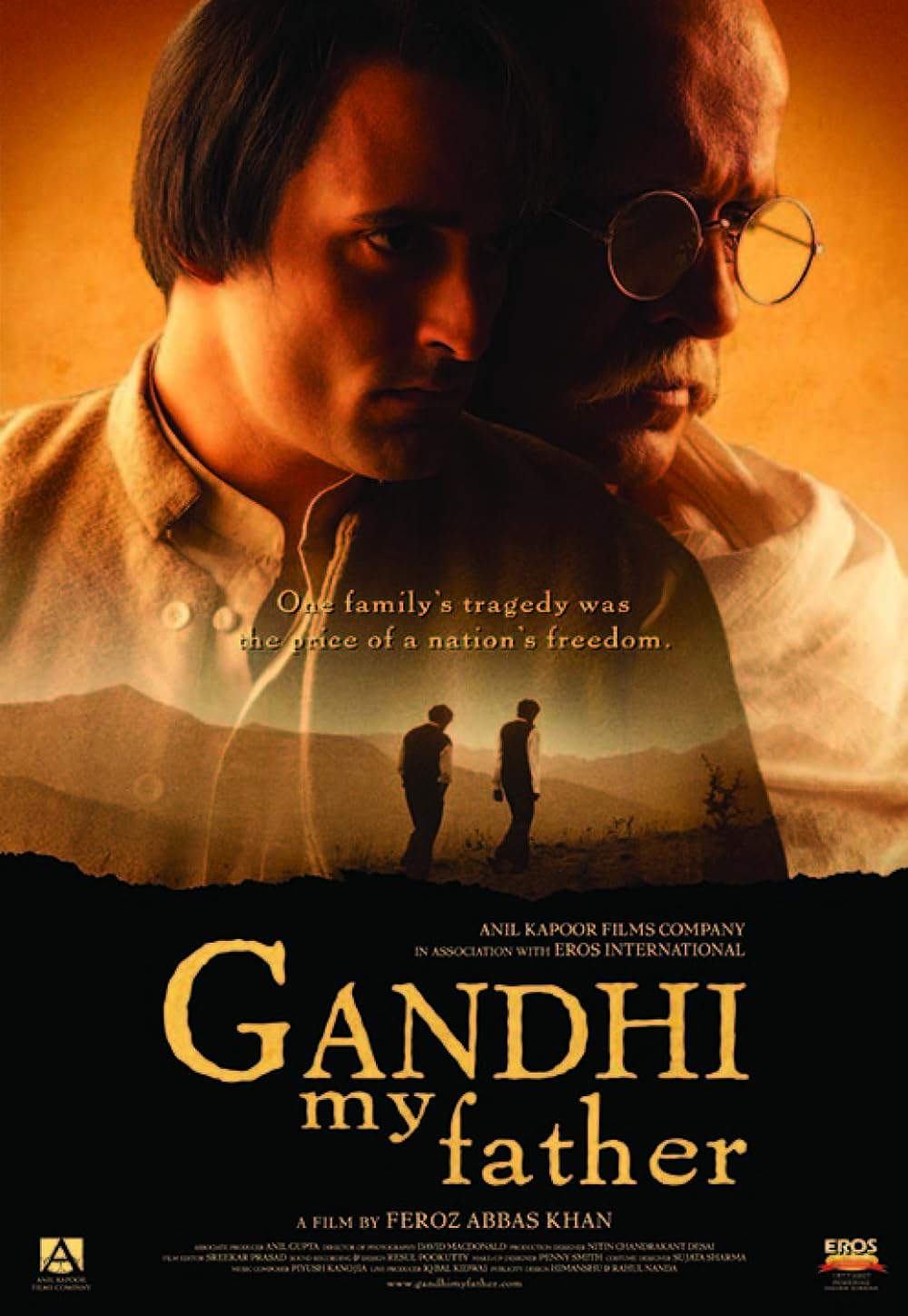
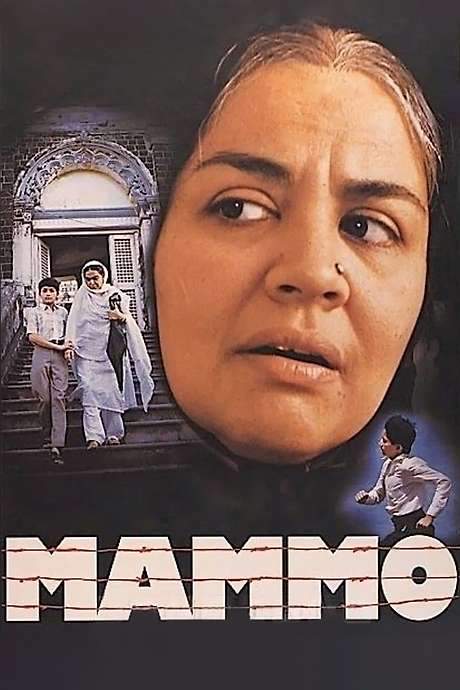
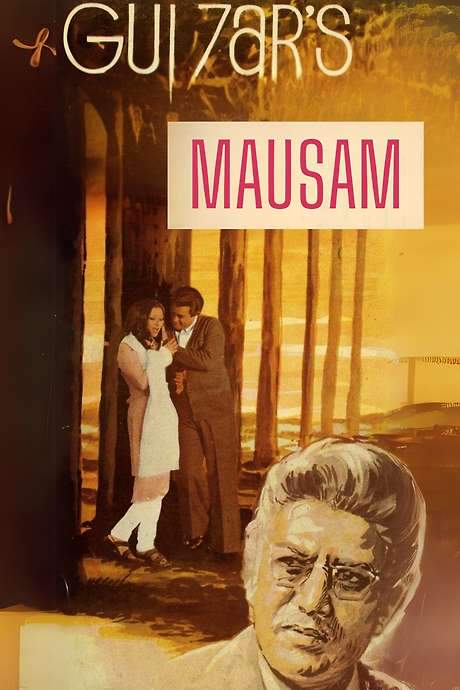
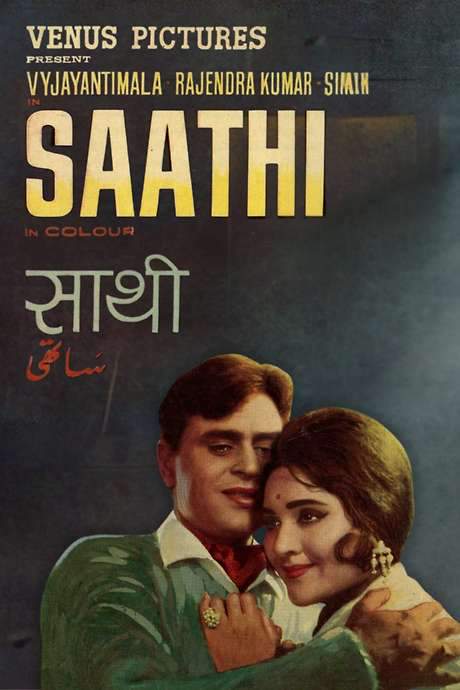
Similar Movies To Maine Gandhi Ko Nahin Mara You Should Know About
Browse a curated list of movies similar in genre, tone, characters, or story structure. Discover new titles like the one you're watching, perfect for fans of related plots, vibes, or cinematic styles.






Quick Links: Summary, Cast, Ratings, More

What's After the Movie?
Not sure whether to stay after the credits? Find out!
Check out our other apps:

SAT Sphere
Build confidence for the Digital SAT.

Mori Atlas
Discover wild places worth protecting.

Luntero
Search smarter for a home in Amsterdam.

Plot Explained
Unravel movie endings and hidden clues.

Pokechamp
Dive into Pokémon data and battle logic.

Driving Theory
Get ready for your European theory test.

Movie Dust
Plan your next cinema trip with ease.

Musemap
Find art and culture as you travel.

Selkobase
Compare credentials before committing.

Local Manual
Turn an unfamiliar country into practical next steps.

Lernavi
Compare school systems before your next move.

GymRoam
Find a workout stop wherever your plans take you.
Explore Our Movie Platform
New Movie Releases (2026)
Famous Movie Actors
Top Film Production Studios
Movie Plot Summaries & Endings
Major Movie Awards & Winners
Best Concert Films & Music Documentaries
Movie Collections and Curated Lists
© 2026 What's After the Movie. All rights reserved.
Privacy Policy