Luther 2003

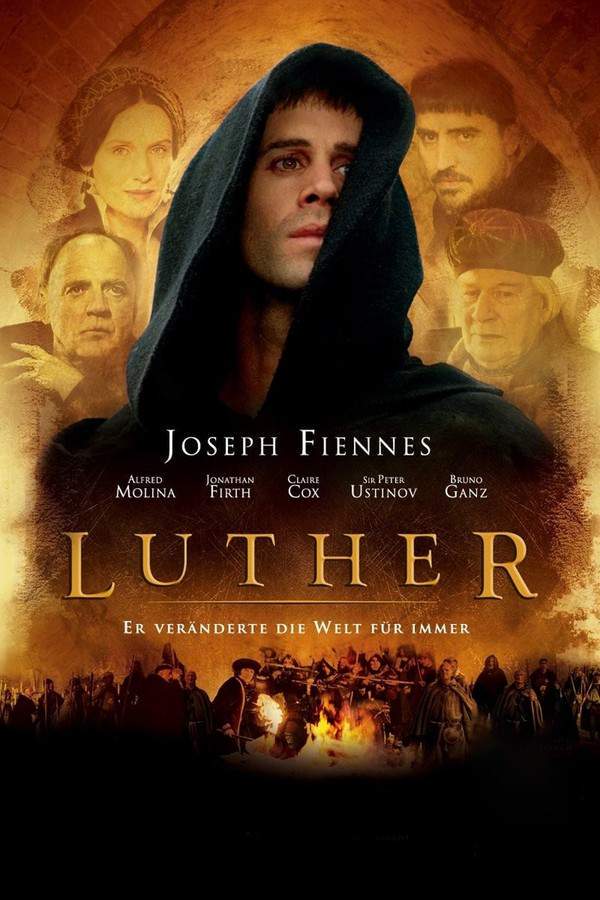
In the early 16th century, Martin Luther, a young and idealistic German monk, becomes increasingly troubled by the corruption and materialism he observes within the Catholic Church. His growing concerns lead him to challenge established doctrines and practices, initiating a profound theological debate that ultimately sparks the Protestant Reformation and reshapes the religious landscape of Europe.


Does Luther have end credit scenes?
No!
Luther does not have end credit scenes. You can leave when the credits roll.
Where to Watch Luther
See current US streaming, rental, and purchase options for Luther (2003) via JustWatch.


Streaming availability powered by 
Meet the Full Cast and Actors of Luther
Explore the complete cast of Luther, including both lead and supporting actors. Learn who plays each character, discover their past roles and achievements, and find out what makes this ensemble cast stand out in the world of film and television.




External Links and Streaming Options
Discover where to watch Luther online, including streaming platforms, rental options, and official sources. Compare reviews, ratings, and in-depth movie information across sites like IMDb, TMDb, Wikipedia or Rotten Tomatoes.










Ratings and Reviews for Luther
See how Luther is rated across major platforms like IMDb, Metacritic, and TMDb. Compare audience scores and critic reviews to understand where Luther stands among top-rated movies in its genre.

47
Metascore
5.6
User Score


45%
TOMATOMETER

74%
User Score

6.6 /10
IMDb Rating

64
%
User Score
Full Plot Summary and Ending Explained for Luther
Read the complete plot summary of Luther, including all major events, twists, and the full ending explained in detail. Explore key characters, themes, hidden meanings, and everything you need to understand the story from beginning to end.
The film opens in a raging thunderstorm in 1505, where the young monk Martin Luther is driven to vow a life devoted to God and becomes an Augustinian friar. The initial torment of his faith sets a quiet, persistent tone: he wrestles with a view of God as merciless and vengeful, even as he seeks a path that could reconcile faith with mercy.
Two years into life at St. Augustine’s Monastery in Erfurt, Luther grapples with doubt and spiritual turmoil. His elder mentor, Staupitz, encourages him to shift focus away from himself and toward Christ, urging a gentler understanding of the divine love that might redeem rather than condemn. This guidance marks a turning point in how he sees God and his own vocation.
From Erfurt, Luther’s journey leads him to Rome, where the opulence and moral laxity he encounters challenge his emerging beliefs. He confronts corruption, glimpses the spectacle surrounding indulgences, and even encounters relics like the skull believed to be John the Baptist, which together fuel his growing questions about the practice of indulgences themselves. This Rome episode intensifies his inner conflict and sets the stage for a radical reevaluation of church practices back home.
Returning to Germany, Luther is assigned to Wittenberg, where his teaching begins to emphasize a God of love over a God of judgment. He begins to articulate a message that salvation comes through faith and grace rather than through ritual purchases, a stance that unsettles the established order but resonates with many in his community.
In 1513, the papacy under Leo X intensifies the pressure, commissioning Johann Tetzel to travel through towns to sell indulgences intended to fund ambitious church projects. Luther publicly denounces indulgences, dismissing them as “just a piece of paper,” and boldly posts his 95 theses on the church door, inviting open debate and challenging the church to confront the corruption he perceives. This act sparks a formal reckoning, leading to a series of examinations beginning in Augsburg with Cardinal Cajetan and other church officials.
Excommunication follows, and Leo X moves to have Luther delivered to Rome. Yet Luther finds protection in Frederick the Wise of Saxony, who secretly relocates him. In Wartburg Castle, Luther hides away, while Andreas Karlstadt, his vehement contemporary, pushes for revolutionary upheaval among the nobles. The reformer’s concern over social unrest deepens as he wrestles with how reform should unfold in practice, even as he begins the monumental task of translating the Bible into German.
Luther’s personal life then becomes a public symbol of transformation when he marries Katharina von Bora, a former nun. As political tides shift, Charles V summons the evangelical princes to the Diet of Augsburg, attempting to outlaw Protestantism and ban the German Bible. The princes resist, and the assembly grants them the chance to read the Augsburg Confession, signaling a persistent, if contested, commitment to reform.
The film closes with a contemplation of Luther’s enduring influence, his translation work, and the enduring impact of his reformist legacy on faith and society.

Coming soon on iOS and Android
The Plot Explained Mobile App
From blockbusters to hidden gems — dive into movie stories anytime, anywhere. Save your favorites, discover plots faster, and never miss a twist again.
Sign up to be the first to know when we launch. Your email stays private — always.
Explore the mobile appWatch Trailers, Clips & Behind-the-Scenes for Luther
Watch official trailers, exclusive clips, cast interviews, and behind-the-scenes footage from Luther. Dive deeper into the making of the film, its standout moments, and key production insights.
Luther Themes and Keywords
Discover the central themes, ideas, and keywords that define the movie’s story, tone, and message. Analyze the film’s deeper meanings, genre influences, and recurring concepts.
Luther Other Names and Titles
Explore the various alternative titles, translations, and other names used for Luther across different regions and languages. Understand how the film is marketed and recognized worldwide.
Similar Movies To Luther You Should Know About
Browse a curated list of movies similar in genre, tone, characters, or story structure. Discover new titles like the one you're watching, perfect for fans of related plots, vibes, or cinematic styles.







Quick Links: Summary, Cast, Ratings, More

What's After the Movie?
Not sure whether to stay after the credits? Find out!
Check out our other apps:

SAT Sphere
Build confidence for the Digital SAT.

Mori Atlas
Discover wild places worth protecting.

Luntero
Search smarter for a home in Amsterdam.

Plot Explained
Unravel movie endings and hidden clues.

Pokechamp
Dive into Pokémon data and battle logic.

Driving Theory
Get ready for your European theory test.

Movie Dust
Plan your next cinema trip with ease.

Musemap
Find art and culture as you travel.

Selkobase
Compare credentials before committing.

Local Manual
Turn an unfamiliar country into practical next steps.

Lernavi
Compare school systems before your next move.

GymRoam
Find a workout stop wherever your plans take you.
Explore Our Movie Platform
New Movie Releases (2026)
Famous Movie Actors
Top Film Production Studios
Movie Plot Summaries & Endings
Major Movie Awards & Winners
Best Concert Films & Music Documentaries
Movie Collections and Curated Lists
© 2026 What's After the Movie. All rights reserved.
Privacy Policy