Ludwig 1973

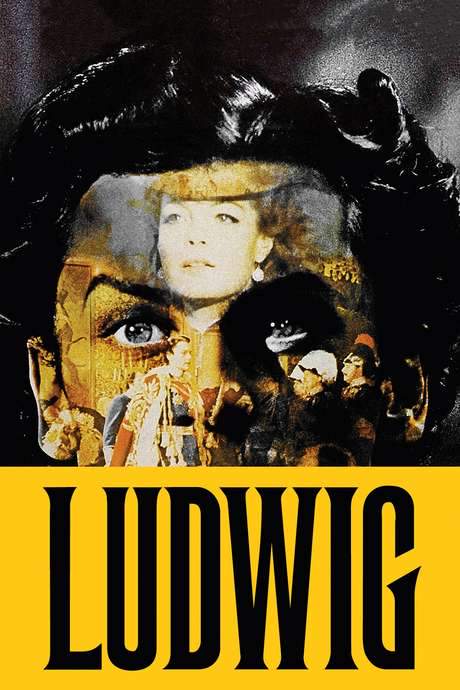
From his 1864 coronation to his 1886 death, the film shows Ludwig as a controversial ruler who pursued women and men, ignoring public opinion. He admired Richard Wagner—later spurned and fell hopelessly for his cousin Elisabeth of Austria, whose rejection fuels his turmoil. Haunted by his sexuality, he descends into madness, a tragic romantic saga.


Does Ludwig have end credit scenes?
No!
Ludwig does not have end credit scenes. You can leave when the credits roll.
Meet the Full Cast and Actors of Ludwig
Explore the complete cast of Ludwig, including both lead and supporting actors. Learn who plays each character, discover their past roles and achievements, and find out what makes this ensemble cast stand out in the world of film and television.
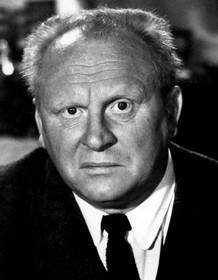
Gert Fröbe
Father Hoffmann

Adriana Asti
Lila von Buliowski
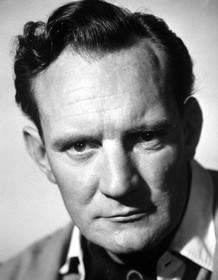
Trevor Howard
Richard Wagner

Marc Porel
Richard Hornig

Eva Axén
Maria
Romy Schneider
Elisabeth of Austria
Mark Burns
Hans von Bülow
Friedrich von Ledebur
Hofmarschall (uncredited)
Silvana Mangano
Cosima von Bülow
Helmut Berger
Ludwig
Izabella Telezynska
Queen Mother
Howard Nelson Rubien
Ambassador (uncredited)
John Moulder-Brown
Prince Otto
Alexander Allerson
Secretary of State
Umberto Orsini
Count von Holnstein
Louise Vincent
Angelo Casadei
Priest (uncredited)
Carla Mancini
Helmut Griem
Dürckheim
Sonia Petrovna
Sophie
Heinz Moog
Professor von Gudden
Maurizio Bonuglia
Mayr
Gernot Möhner
Hesselschwerd
Gérard Herter
Prince Luitpold
Henning Schlüter
Minister Fistermeister
Karl-Heinz Peters
Washinton
Hans Elwenspoek
Doctor Rumpler (uncredited)
Alessandro Perella
Folker Bohnet
Joseph Kainz
Nora Ricci
Countess Ida Ferenczy
Bert Bloch
Weber
Manfred Fürst
Kurt Großkurth
Minister of Finance
Anne-Marie Hanschke
Princess Ludovika, Elisabeth's Mother
Ian Linhart
Maximilian
Clara Moustawcesky
Hélène
Alain Naya
Wolfram Schaerf
Crailsheim
Helmut Stern
Alexander Stephan
Carlo Teodoro
Karl-Heinz Windhorst
Doctor Müller
Raika Juri
Matilde
Karl Menzel
Stableboy in Hunding's Hut (uncredited)
Berno von Cramm
Torring (uncredited)
External Links and Streaming Options
Discover where to watch Ludwig online, including streaming platforms, rental options, and official sources. Compare reviews, ratings, and in-depth movie information across sites like IMDb, TMDb, Wikipedia or JustWatch.





Take the Ultimate Ludwig Movie Quiz
Challenge your knowledge of Ludwig with this fun and interactive movie quiz. Test yourself on key plot points, iconic characters, hidden details, and memorable moments to see how well you really know the film.
Ludwig (1973): A quiz testing knowledge of the 1973 film about King Ludwig II of Bavaria, his relationships, politics, and ultimate fate.
Which composer does King Ludwig II initially support in the film?
Full Plot Summary and Ending Explained for Ludwig
Read the complete plot summary of Ludwig, including all major events, twists, and the full ending explained in detail. Explore key characters, themes, hidden meanings, and everything you need to understand the story from beginning to end.
Munich, 1864. The 18-year-old, idealistic Ludwig II is crowned as the King of Bavaria, stepping into a role that blends youthful fervor with a burdening sense of isolation. His first official act is a lavish show of support for the gifted but financially strapped composer Richard Wagner, who has settled in Munich at Ludwig’s invitation. The king’s entourage cannot fathom the scale of Wagner’s ambitions or the expense of his artistic dreams, and they grow increasingly unsettled by the lifestyle that accompanies them. In his desire to find a steadfast friend in the music he cherishes, Ludwig clings to Wagner, yet the bond strains when Wagner’s private life intrudes: Cosima von Bülow, the wife of Wagner’s conductor Hans von Bülow, becomes entangled with the composer behind the king’s back. To avert scandal, Wagner is forced to depart Munich, and although Ludwig remains devoted to Wagner’s projects, a growing mistrust gnaws at him.
Another powerful influence in Ludwig’s life is his independent and charismatic cousin, Elisabeth of Austria. During a gathering in Bad Ischl, Elisabeth and Ludwig grow closer and share a kiss, yet Elisabeth’s true aim seems to be engineering a marriage between her cultivated sister Sophie and Ludwig, a plan the king resists. The disappointments with Wagner and Elisabeth push Ludwig toward withdrawal, and he retreats from public life into dreamlike reveries and private realms. His desire to keep Bavaria neutral in the looming conflicts of the era clashes with a cabinet that seeks stronger alignments, especially as the Austro-Prussian War of 1866 approaches.
Ludwig’s politics pale in comparison to his personal uncertainties. He remains aloof as his cabinet leans toward the Austrian side, and his younger brother Otto’s vitality wanes under pressure and scrutiny from close confidants like Count Dürckheim. Dürckheim even hints at an arranged marriage as a remedy for loneliness, steering Ludwig toward a social path that conflicts with his Catholic faith and his own self-awareness. Soon after, Ludwig confronts a new and difficult truth about himself, which leads to a dramatic shift: he announces an engagement to Sophie in January 1867, a plan that his mother and the cabinet attempt to manage by introducing a sexual liaison into his private apartments. The king reacts with anger, and the episode leaves him unsettled about his capacity to be a good husband; the engagement is postponed and ultimately canceled. He begins to form relationships with his servants, a pattern that troubles his conscience and deepens the chasm between his desires and his duties.
The political tides continue to turn. Bavaria supports the Prussian-led cause in the Franco-Prussian War of 1871, yet the subsequent unification of Germany chips away at Ludwig’s sovereignty, eroding the autonomy he cherished. The death of his younger brother Otto becomes a sobering counterpoint to the feverish pace of court life, a reminder of the fragility that shadows the king’s ambitions. In response to mounting debts and mounting eccentricities, Ludwig withdraws into his private world, financing the construction of the fairy-tale crescendos of Neuschwanstein, Linderhof, and Herrenchiemsee. A brief but intense friendship with the actor Joseph Kainz during 1881 is noted, though Kainz’s involvement is largely transactional, driven by Ludwig’s wealth as much as by affection. Elisabeth’s attempts to reconnect with her cousin do not find an easy welcome, and Ludwig remains stubbornly solitary.
As the years close in, the psychiatric verdict overshadows the dream: in 1886, Bernhard von Gudden proclaims Ludwig insane, and the cabinet agrees to have him isolated and treated. With the support of trusted aides, Ludwig briefly asserts himself, but the political machinery around him quickly reasserts control. His uncle Luitpold becomes Prince Regent, and Ludwig is moved to Berg Castle near Lake Starnberg for confinement and treatment. Two days later, Ludwig and Gudden set out on a walk that ends in tragedy, their bodies recovered from the lake, the cause of death left to history’s speculation. The king’s life story is a saga of splendor and sorrow, a portrait of a ruler whose grand designs collided with the harsh limits of reality, and whose wish to sculpt a utopian realm left behind a legacy that remains as enigmatic as it is majestic.

Coming soon on iOS and Android
The Plot Explained Mobile App
From blockbusters to hidden gems — dive into movie stories anytime, anywhere. Save your favorites, discover plots faster, and never miss a twist again.
Sign up to be the first to know when we launch. Your email stays private — always.
Explore the mobile appWatch Trailers, Clips & Behind-the-Scenes for Ludwig
Watch official trailers, exclusive clips, cast interviews, and behind-the-scenes footage from Ludwig. Dive deeper into the making of the film, its standout moments, and key production insights.
Ludwig Themes and Keywords
Discover the central themes, ideas, and keywords that define the movie’s story, tone, and message. Analyze the film’s deeper meanings, genre influences, and recurring concepts.
Ludwig Other Names and Titles
Explore the various alternative titles, translations, and other names used for Ludwig across different regions and languages. Understand how the film is marketed and recognized worldwide.
Similar Movies To Ludwig You Should Know About
Browse a curated list of movies similar in genre, tone, characters, or story structure. Discover new titles like the one you're watching, perfect for fans of related plots, vibes, or cinematic styles.







Quick Links: Summary, Cast, Ratings, More

What's After the Movie?
Not sure whether to stay after the credits? Find out!
Check out our other apps:

SAT Sphere
Build confidence for the Digital SAT.

Mori Atlas
Discover wild places worth protecting.

Luntero
Search smarter for a home in Amsterdam.

Plot Explained
Unravel movie endings and hidden clues.

Pokechamp
Dive into Pokémon data and battle logic.

Driving Theory
Get ready for your European theory test.

Movie Dust
Plan your next cinema trip with ease.

Musemap
Find art and culture as you travel.

Selkobase
Compare credentials before committing.

Local Manual
Turn an unfamiliar country into practical next steps.

Lernavi
Compare school systems before your next move.

GymRoam
Find a workout stop wherever your plans take you.
Explore Our Movie Platform
New Movie Releases (2026)
Famous Movie Actors
Top Film Production Studios
Movie Plot Summaries & Endings
Major Movie Awards & Winners
Best Concert Films & Music Documentaries
Movie Collections and Curated Lists
© 2026 What's After the Movie. All rights reserved.
Privacy Policy