What's After the Movie
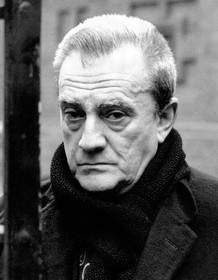
Luchino Visconti
Luchino Visconti (2 November 1906 – 17 March 1976) was an Italian film director, screenwriter, theatre and opera director, renowned as one of the founding fathers of Italian neorealism and later as a master of opulent historical epics. Born into the aristocratic Visconti di Modrone family in Milan, he grew up in the Palazzo Visconti di Modrone and the family estate at Grazzano Visconti, surrounded by art, music and a private theatre that nurtured his early love for performance. After studying cello with Lorenzo de Paolis and mingling with cultural icons such as Puccini, Toscanini and Gabriele D'Annunzio, Visconti entered cinema in the 1930s as an assistant to Jean Renoir, a position secured through Coco Chanel. His directorial debut, Ossessione (1943), condemned by the Fascist regime, is now considered the first neorealist film for its use of real locations and non‑professional actors. During World War II he joined the Italian Communist Party, fought in the anti‑fascist resistance under the alias Alfredo Guidi, and survived a death‑sentence thanks to the intervention of actress María Denis. After the war Visconti produced classics such as La terra trema (1948), Senso (1954), Rocco e i suoi fratelli (1960) and the monumental Il Gattopardo (The Leopard, 1963), which earned the Palme d’Or and showcased his ability to blend lavish production design with acute social commentary. His “German Trilogy” – The Damned (1969), Death in Venice (1971) and Ludwig (1973) – cemented his reputation for exploring decadence, decay and the fatal allure of history. In addition to cinema, Visconti directed celebrated productions at La Scala, the Royal Opera House and the Vienna State Opera, collaborating with Maria Callas and Leonard Bernstein. Despite his aristocratic origins, he remained a committed Catholic and openly homosexual, relationships with figures such as Franco Zeffirelli and Helmut Berger becoming public in later years. Visconti’s relentless smoking habit led to a fatal stroke in Rome at age sixty‑nine, ending a career that shaped generations of filmmakers including Francis Ford Coppola and Martin Scorsese.
Biography, Career & Filmography
Learn more about Luchino Visconti, including a detailed biography, career timeline, personal life insights, and complete filmography. Discover how Luchino Visconti rose to fame, their major roles, industry impact, and personal milestones in the world of film.
Given Name: Luchino Visconti
Born: Milan, Italy
Citizenship: Italian
Birthday: November 2, 1906
Occupations: film director, screenwriter, theatre director, opera director
Years Active: 1943-1976
External Links and Streaming Options
Explore more about on trusted external platforms like Metacritic, Rotten Tomatoes, TMDb or Wikipedia. Find additional details, reviews, and related content to deepen your understanding.






The Leopard (re-release)
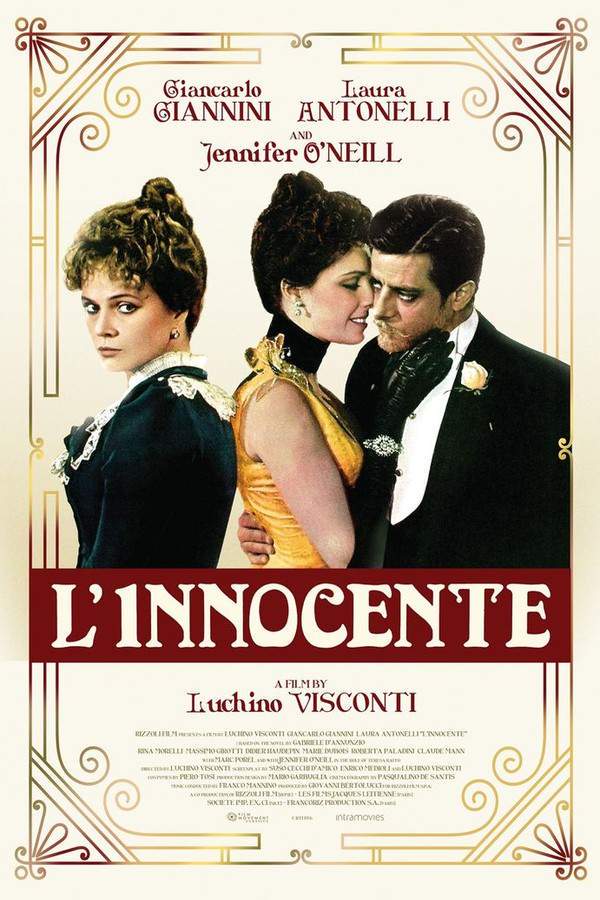
L'Innocente
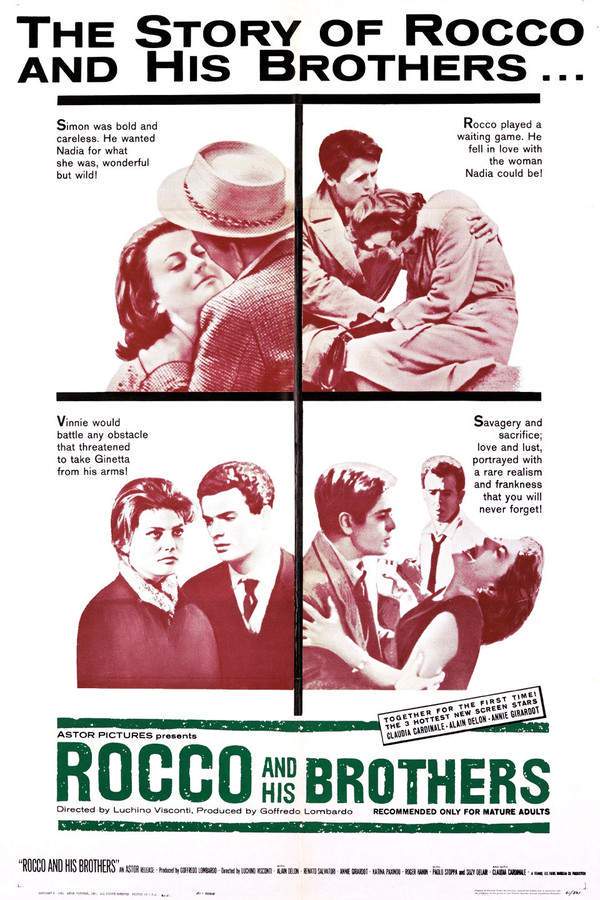
Rocco and His Brothers (re-release)
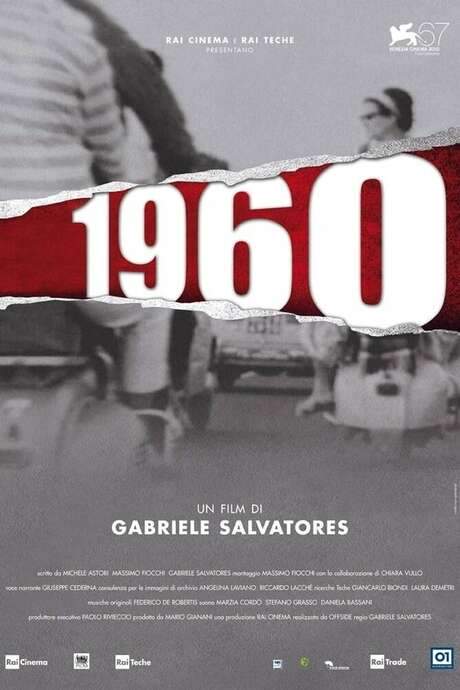
1960

Luchino Visconti: Between Truth and Passion

Helmut Berger, My Mother and Me

Alain Delon, l’ombre au tableau

Marcello, una vita dolce

My Name Is Anna Magnani

Callas Assoluta

Cinecittà, de Mussolini à la Dolce Vita

Trintignant by Trintignant
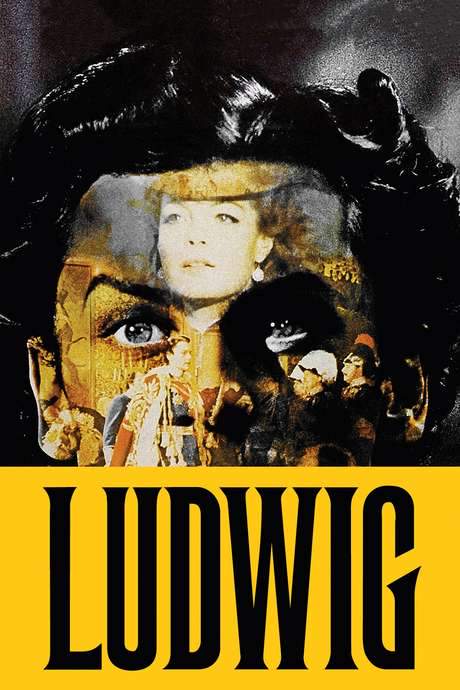
Ludwig

Death in Venice

The Innocent

The Damned
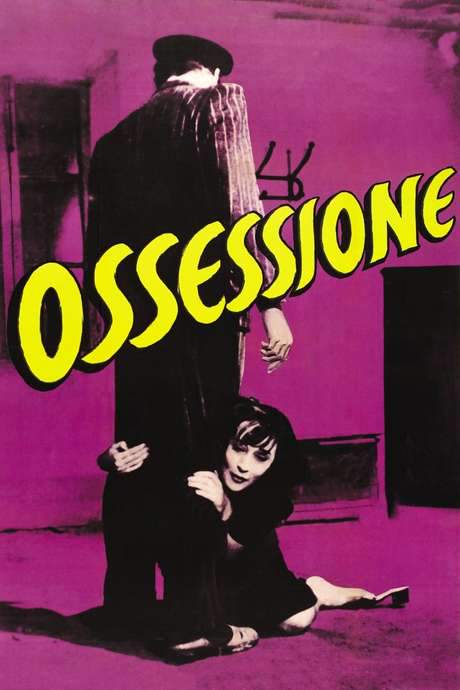
Obsession
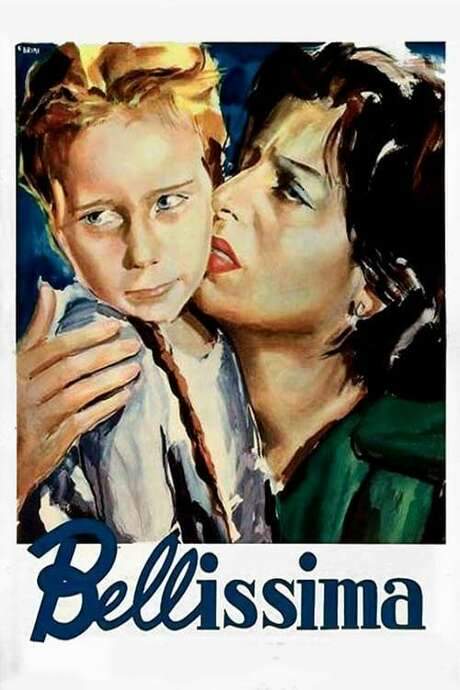
Bellissima

The Witches

Man of Three Worlds: Luchino Visconti

Boccaccio ’70

The Leopard

La Terra Trema

The Enigmatic Charlotte Rampling

Conversation Piece

Rocco and His Brothers

Searching for Tadzio

Anna Magnani

Callas: A Documentary
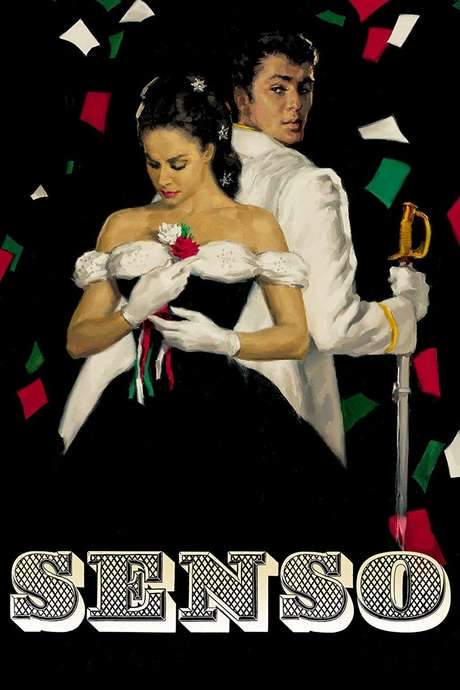
Senso

The Stranger

Luchino Visconti
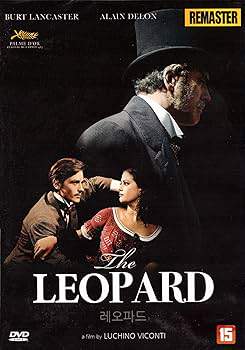
The Leopard (re-release)
Career Timeline
Track the complete movie timeline of Luchino Visconti, including all film releases, career breakthroughs, and notable roles. Follow their journey from early performances to recent blockbusters and upcoming projects.

What's After the Movie?
Not sure whether to stay after the credits? Find out!
Check out our other apps:

SAT Sphere
Build confidence for the Digital SAT.

Mori Atlas
Discover wild places worth protecting.

Luntero
Search smarter for a home in Amsterdam.

Plot Explained
Unravel movie endings and hidden clues.

Pokechamp
Dive into Pokémon data and battle logic.

Driving Theory
Get ready for your European theory test.

Movie Dust
Plan your next cinema trip with ease.

Musemap
Find art and culture as you travel.

Selkobase
Compare credentials before committing.

Local Manual
Turn an unfamiliar country into practical next steps.

Lernavi
Compare school systems before your next move.

GymRoam
Find a workout stop wherever your plans take you.
Explore Our Movie Platform
New Movie Releases (2026)
Famous Movie Actors
Top Film Production Studios
Movie Plot Summaries & Endings
Major Movie Awards & Winners
Best Concert Films & Music Documentaries
Movie Collections and Curated Lists
© 2026 What's After the Movie. All rights reserved.
Privacy Policy