King Rat 1965


After Singapore fell to the Japanese in 1942, Allied prisoners of war—mainly British with some Americans—were held in Changi prison. Corporal King, an enterprising American, has carved a niche, trading contraband and arranging camp entertainment. He befriends an upper‑class British officer, who is drawn to King’s lively, hopeful outlook on life.


Does King Rat have end credit scenes?
No!
King Rat does not have end credit scenes. You can leave when the credits roll.
Meet the Full Cast and Actors of King Rat
Explore the complete cast of King Rat, including both lead and supporting actors. Learn who plays each character, discover their past roles and achievements, and find out what makes this ensemble cast stand out in the world of film and television.
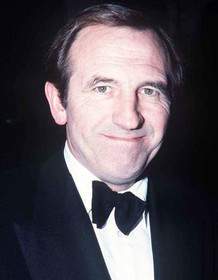
Leonard Rossiter
McCoy

Tom Courtenay
Grey
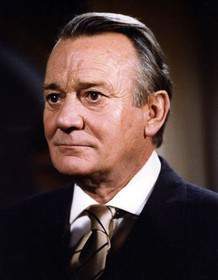
Denholm Elliott
Larkin

George Segal
Corporal King
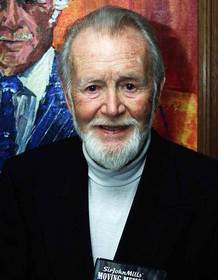
John Mills
Smedley-Taylor

Dick Johnson
Pop

Edward Ashley
Prouty

James Donald
Dr. Kennedy

John Merivale
Foster
Arthur Malet
Blakeley

James Fox
Peter Marlowe
John Standing
Daven
David Frankham
Cox
Patrick O'Neal
Max
Todd Armstrong
Tex
Teru Shimada
Japanese General
Wright King
Brough
Geoffrey Bayldon
Vexley
Dale Ishimoto
Yoshima
Richard Dawson
Weaver
Michael Lees
Stevens
Joe Turkel
Dino
John Orchard
Gurble
Reg Lye
Tinker Bell
Alan Webb
Brant
Hedley Mattingly
Dr Prudhomme
Michael Stroka
Miller
Gerald Sim
Jones
William Fawcett
Steinmetz
Mathew McCue
Prisoner
John Warburton
Commandant
John Ronane
Hawkins
Mickey Simpson
First Sergeant Camp Liberator
Hamilton Dyce
Padre
John Barclay
Spence
Sam Reese
Kurt
George Pelling
Major Barry
David Haviland
Masters
Louis Neervort
Torusumi
Anthony Faramus
Prisoner
Laurence Conroy
Townsend
John Levingston
Myner
Roy Duane
Peterson
Brian Gaffikin
Prisoner in Hut
External Links and Streaming Options
Discover where to watch King Rat online, including streaming platforms, rental options, and official sources. Compare reviews, ratings, and in-depth movie information across sites like IMDb, TMDb, Wikipedia or Letterboxd.




Take the Ultimate King Rat Movie Quiz
Challenge your knowledge of King Rat with this fun and interactive movie quiz. Test yourself on key plot points, iconic characters, hidden details, and memorable moments to see how well you really know the film.
King Rat (1965) Quiz: Test your knowledge of the 1965 film King Rat with these ten questions ranging from easy to difficult.
Which inmate is known for running a black‑market network in the POW camp?
Full Plot Summary and Ending Explained for King Rat
Read the complete plot summary of King Rat, including all major events, twists, and the full ending explained in detail. Explore key characters, themes, hidden meanings, and everything you need to understand the story from beginning to end.
In a Japanese POW camp, one inmate stands out: the crafty Corporal King, an American among the British and Australians who survives by scheming and running a shadowy black‑market network. He uses his wits to pull strings, and soon he ropes in the upper‑class RAF officer Peter Marlowe as a translator, drawing him closer as they get to know each other. As their uneasy alliance grows, King begins to value Marlowe not just for his language skills but for the leverage Marlowe represents in a camp where survival often hinges on knowing whom to trust. King’s calculation sharpens when he saves Marlowe’s hungry group from the brink of gangrene by obtaining costly medicines, keeping the sick man alive at his bedside. Whether this care stems from loyalty—or from the knowledge that Marlowe is the only one who knows where King’s hidden profits are buried—remains a deliberately murky question, and one that keeps Marlowe tethered to a man who may be friend, ally, or indispensable asset.
Meanwhile, the camp’s moral center is tested by the British Provost Lieutenant Grey, a lower‑class officer who looks with contempt on King and does not hesitate to challenge him. Grey stumbles onto a separate corruption plot: the high‑ranking officer in charge of the meager rations has been skimming for himself and his assistant. Grey refuses a bribe and tries to bring the matter to Colonel Smedley‑Taylor, only to face a dismissal that suggests the system will not tolerate such exposure. Smedley‑Taylor brushes off the improprieties, and when Grey presses, the Colonel’s response is that the matter has already been resolved—though Grey’s evidence has vanished. A moment later Smedley‑Taylor floats a possible promotion to acting captain, testing Grey’s resolve; when Grey remains silent, Smedley‑Taylor interprets that as consent, tightening his grip on the situation.
King’s empire in the camp expands in ever more shocking ways. He begins breeding rats and selling the meat as “mouse‑deer,” a macabre cover that proves profitable but morally repugnant to many. When a pet dog is put down for killing a chicken, King arranges for it to be cooked and shared among his circle, and even those who protest the atrocity ultimately taste the lure of necessity and survival. The stakes rise further when the camp acquires a diamond, which they plan to sell to improve their odds in a world that has forgotten them. The tension cracks wide when the Japanese commander reads a surrender scroll; a junior officer translates for the British officers, announcing the end of the war. The prisoners revel in the moment of supposed freedom, but King feels the ground shifting beneath him—his hold on the camp’s social order is slipping as the men realize a new power dynamic has begun.
A lone British paratrooper named Weaver arrives seemingly from nowhere to liberate the camp. He disarms the guards and seeks to speak with the prisoners, who mostly remain in shock. King remains calm and polite, though Weaver quickly suspects there is more to the story given King’s unusually clean, healthy appearance compared with the others. Weaver promises not to forget him, setting the stage for a tense reckoning in the days to come. Before King leaves with Weaver, Marlowe speaks to him once more, and King diminishes their bond with a cutting reminder of whose interests truly sustained him: “you worked for me, and I paid you.”
you worked for me, and I paid you
As the truck carrying the Americans pulls away, Marlowe’s farewell comes too late to change the outcome. Grey’s later disparaging remark about the camp’s new order lands with bitterness, but Marlowe expects nothing less than a harsh judgment: in his mind, Grey should be grateful for the very hatred he once harbored toward King, for it kept him alive in a place where every decision could mean life or death.

Coming soon on iOS and Android
The Plot Explained Mobile App
From blockbusters to hidden gems — dive into movie stories anytime, anywhere. Save your favorites, discover plots faster, and never miss a twist again.
Sign up to be the first to know when we launch. Your email stays private — always.
Explore the mobile appWatch Trailers, Clips & Behind-the-Scenes for King Rat
Watch official trailers, exclusive clips, cast interviews, and behind-the-scenes footage from King Rat. Dive deeper into the making of the film, its standout moments, and key production insights.
King Rat Themes and Keywords
Discover the central themes, ideas, and keywords that define the movie’s story, tone, and message. Analyze the film’s deeper meanings, genre influences, and recurring concepts.

Unlock the World of Movies with Our Comprehensive Wiki
Dive into our Movie Wiki for in-depth film encyclopedia entries, including cast biographies, production trivia, plot synopses, behind-the-scenes facts, and thematic analyses. Whether you’re researching iconic directors, exploring genre histories, or discovering hidden easter eggs, our expertly curated movie database has everything you need to fuel your cinematic passion.

Similar Movies To King Rat You Should Know About
Browse a curated list of movies similar in genre, tone, characters, or story structure. Discover new titles like the one you're watching, perfect for fans of related plots, vibes, or cinematic styles.





Quick Links: Summary, Cast, Ratings, More

What's After the Movie?
Not sure whether to stay after the credits? Find out!
Check out our other apps:

SAT Sphere
Build confidence for the Digital SAT.

Mori Atlas
Discover wild places worth protecting.

Luntero
Search smarter for a home in Amsterdam.

Plot Explained
Unravel movie endings and hidden clues.

Pokechamp
Dive into Pokémon data and battle logic.

Driving Theory
Get ready for your European theory test.

Movie Dust
Plan your next cinema trip with ease.

Musemap
Find art and culture as you travel.

Selkobase
Compare credentials before committing.

Local Manual
Turn an unfamiliar country into practical next steps.

Lernavi
Compare school systems before your next move.

GymRoam
Find a workout stop wherever your plans take you.
Explore Our Movie Platform
New Movie Releases (2026)
Famous Movie Actors
Top Film Production Studios
Movie Plot Summaries & Endings
Major Movie Awards & Winners
Best Concert Films & Music Documentaries
Movie Collections and Curated Lists
© 2026 What's After the Movie. All rights reserved.
Privacy Policy