What Is King Rat About?
The premise of King Rat in 289 words, with nothing given away. The full story follows below.
In the heat‑stifled confines of a Japanese prisoner‑of‑war camp on Singapore’s Changi peninsula, a fragile community clings to routine amid the uncertainty of war. The ever‑present presence of guard towers and the monotony of rationed meals create a backdrop where each day feels both endless and precariously balanced. Within this stark world, humor and desperation intermingle, shaping a tone that is simultaneously grim and tinged with a wry resilience.
Corporal King stands out as the camp’s unofficial entrepreneur. An American with a quick smile and an even quicker mind, he has carved a niche by trading in whatever contraband can be salvaged and by arranging the small diversions that keep morale from slipping entirely. His ability to navigate the unofficial economy makes him both a lifeline and a figure of quiet fascination for those who share his confined space.
Peter Marlowe, a polished RAF officer accustomed to the comforts of an upper‑class upbringing, arrives at Changi with a genteel demeanor that initially seems out of place. Drawn to King’s restless optimism, he becomes an unlikely confidant, and their growing rapport bridges stark cultural and class divides. Their interactions hint at a partnership where each sees something the other lacks—skill and perspective, survival and hope.
Around them, the camp’s hierarchy pulses with tension. Junior officers and enlisted men alike negotiate power, trust, and the moral compromises that captivity demands. The film dwells on these subtle power shifts, portraying a community where alliances are forged as much by necessity as by shared humanity. In this confined world, survival is as much about the relationships formed in the shadows as it is about the physical hardships endured, setting the stage for a story that explores the fragile line between cooperation and self‑preservation.
What Happens in King Rat?
The complete story of King Rat, from the first scene to the last, in 640 words (about 3 minutes). Spoilers throughout. Names in the text link to 3 cast member pages.
Spoilers ahead
In a Japanese POW camp, one inmate stands out: the crafty Corporal King, an American among the British and Australians who survives by scheming and running a shadowy black‑market network. He uses his wits to pull strings, and soon he ropes in the upper‑class RAF officer Peter Marlowe as a translator, drawing him closer as they get to know each other. As their uneasy alliance grows, King begins to value Marlowe not just for his language skills but for the leverage Marlowe represents in a camp where survival often hinges on knowing whom to trust. King’s calculation sharpens when he saves Marlowe’s hungry group from the brink of gangrene by obtaining costly medicines, keeping the sick man alive at his bedside. Whether this care stems from loyalty—or from the knowledge that Marlowe is the only one who knows where King’s hidden profits are buried—remains a deliberately murky question, and one that keeps Marlowe tethered to a man who may be friend, ally, or indispensable asset.
Meanwhile, the camp’s moral center is tested by the British Provost Lieutenant Grey, a lower‑class officer who looks with contempt on King and does not hesitate to challenge him. Grey stumbles onto a separate corruption plot: the high‑ranking officer in charge of the meager rations has been skimming for himself and his assistant. Grey refuses a bribe and tries to bring the matter to Colonel Smedley‑Taylor, only to face a dismissal that suggests the system will not tolerate such exposure. Smedley‑Taylor brushes off the improprieties, and when Grey presses, the Colonel’s response is that the matter has already been resolved—though Grey’s evidence has vanished. A moment later Smedley‑Taylor floats a possible promotion to acting captain, testing Grey’s resolve; when Grey remains silent, Smedley‑Taylor interprets that as consent, tightening his grip on the situation.
King’s empire in the camp expands in ever more shocking ways. He begins breeding rats and selling the meat as “mouse‑deer,” a macabre cover that proves profitable but morally repugnant to many. When a pet dog is put down for killing a chicken, King arranges for it to be cooked and shared among his circle, and even those who protest the atrocity ultimately taste the lure of necessity and survival. The stakes rise further when the camp acquires a diamond, which they plan to sell to improve their odds in a world that has forgotten them. The tension cracks wide when the Japanese commander reads a surrender scroll; a junior officer translates for the British officers, announcing the end of the war. The prisoners revel in the moment of supposed freedom, but King feels the ground shifting beneath him—his hold on the camp’s social order is slipping as the men realize a new power dynamic has begun.
A lone British paratrooper named Weaver arrives seemingly from nowhere to liberate the camp. He disarms the guards and seeks to speak with the prisoners, who mostly remain in shock. King remains calm and polite, though Weaver quickly suspects there is more to the story given King’s unusually clean, healthy appearance compared with the others. Weaver promises not to forget him, setting the stage for a tense reckoning in the days to come. Before King leaves with Weaver, Marlowe speaks to him once more, and King diminishes their bond with a cutting reminder of whose interests truly sustained him: “you worked for me, and I paid you.”
you worked for me, and I paid you
As the truck carrying the Americans pulls away, Marlowe’s farewell comes too late to change the outcome. Grey’s later disparaging remark about the camp’s new order lands with bitterness, but Marlowe expects nothing less than a harsh judgment: in his mind, Grey should be grateful for the very hatred he once harbored toward King, for it kept him alive in a place where every decision could mean life or death.
King Rat Timeline: Every Key Event in Order
14 key events in the order they happen, from “King's anomaly and recruitment of Marlowe” to “Grey's remark and Marlowe's justification”. 14 events name a place, across 7 locations.
- 1
King's anomaly and recruitment of Marlowe
Corporal King stands out as one of the few Americans among the British and Australian inmates in the Japanese camp. He thrives by conniving and running black market enterprises inside the camp. He recruits Flight Lieutenant Peter Marlowe to act as translator, and as they become acquainted, he comes to like King and appreciate his cunning.
When:early in the camp, shortly after arrival Where:Japanese POW camp
- 2
Marlowe integrates and King respects him
Marlowe serves as translator between the British prisoners and the Japanese guards, becoming indispensable. As they work together, Marlowe's presence allows King to display his cunning. King grows to like Marlowe and appreciates his intelligence.
When:shortly after their first meeting Where:Japanese POW camp
- 3
Marlowe's injury and King's rescue
When Marlowe is injured, King obtains expensive medicines to treat his gangrenous arm and prevent amputation. He stays by the sick man's bedside, but the motive is ambiguous—friendship or because Marlowe knows where King’s profits are hidden. This act illustrates the complicated bond between them.
When:after initial acquaintance Where:Camp infirmary
- 4
Provost Grey's contempt and discovery of corruption
Provost Lieutenant Grey holds contempt for King and schemes to bring him down. Grey accidentally discovers that the high-ranking officer in charge of food rations has been stealing. He rejects a bribe and takes the matter to Colonel Smedley-Taylor, hoping to act with integrity.
When:mid storyline, before the investigation results Where:Camp
- 5
Smedley-Taylor's response and order to forget
Colonel George Smedley-Taylor relieves the corrupt officer and his assistant from duty. He tells Grey to forget the matter, effectively quashing the investigation. Grey's attempt to challenge the corruption is thwarted by a lack of proof and maneuvering from above.
When:immediately after Grey's report Where:Colonel's office
- 6
Grey's accusation and promotion offer
Grey accuses Smedley-Taylor of complicity in the corruption scheme. The tampered weight evidence Grey presented has been replaced, leaving him with no proof. Smedley-Taylor offers Grey a promotion to acting captain, and Grey's silence is interpreted as consent.
When:after the failed proof attempt Where:Colonel's office
- 7
King's meat business begins with rat meat
King starts breeding rats and selling their meat to British officers under the alias mouse-deer. This illicit venture expands the camp's black market economy. The escalation foreshadows the fragility of the camp's social order.
When:after Grey's promotion episode Where:Camp kitchens
- 8
Dog meat incident and moral debate
When a pet dog is put down for killing a chicken, King has it cooked and he and his friends secretly eat it. Although they protest when they learn the meat's origin, they ultimately relish it. This episode reveals the group’s moral ambiguity and pragmatism in the camp.
When:soon after the rat venture Where:Camp
- 9
Diamond arrival and increased stakes
The group acquires a diamond to sell, raising the stakes for their black market activities. The addition of precious wealth intensifies competition and fear of discovery. King's hold on leadership becomes more precarious as others eye his wealth and influence.
When:after the meat business Where:Camp
- 10
End of war and surrender announcement
The Japanese commander reads a surrender scroll while a junior officer translates. The prisoners celebrate the news of the war's end, but King realizes he is no longer the de facto ruler of the camp. The loss of his control foreshadows the camp's fragility.
When:end of war / surrender Where:Camp
Show the other 4 events of King Rat Hide the last 4 events
- 11
King suppresses Max while waiting for the inevitable
King manages to squelch a premature attempt by resentful underling First Sergeant Max to reassert his rank and authority. This action delays the inevitable and underscores his lingering grip on the camp's hierarchy. However, the victory is only temporary as the structure remains unsettled.
When:immediately after surrender Where:Camp
- 12
Weaver liberates the camp
Weaver, a lone British paratrooper, appears seemingly from nowhere to liberate the camp. He disarms the guards and attempts to talk with the prisoners; most are in shock. King is polite and deferential, but Weaver grows suspicious of his clean, healthy appearance.
When:liberation moment Where:Camp
- 13
Marlowe bids farewell; King's cold edge
Marlowe rushes to say goodbye to King, but the truck carries him away. King belittles their friendship by saying Marlowe had worked for him and that he had paid him. The departure marks a sharp turn in their relationship and the camp's future.
When:moment of departure Where:Camp outskirts / truck
- 14
Grey's remark and Marlowe's justification
Grey makes a disparaging remark about King. Marlowe replies that Grey should be grateful, as it was Grey's hatred of King that kept him alive. The exchange underscores the brutal logic of survival in the camp.
When:closing moment Where:Camp or truck
Who Are the Main Characters in King Rat?
5 characters, among them Corporal King (George Segal), Peter Marlowe (James Fox) and Colonel Smedley-Taylor (John Mills): who each one is and the part they play in the story. Every profile links to the actor’s page.
-
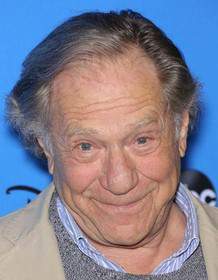
Corporal King (George Segal)
Played by George Segal
King is a calculating operator who becomes the camp’s de facto ruler through black-market schemes and charm. He hides his true motives behind camaraderie with Marlowe, using their alliance to expand his illicit empire. His loyalty appears conditional, aligning with whoever sustains his profits and power.
- 🧭 Manipulative
- 💰 Greedy
-

Peter Marlowe (James Fox)
Played by James Fox
Marlowe is a dignified, upper-class RAF officer who survives by playing the political game within the camp. He serves as King’s translator and ally, yet his involvement is tempered by a sense of decency that complicates his choices. His relationship with King evolves from necessity to wary familiarity.
- 💬 Translator
- 🧭 Pragmatic
-
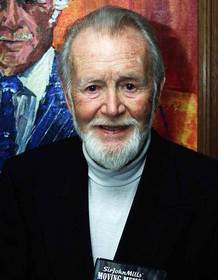
Colonel Smedley-Taylor (John Mills)
Played by John Mills
Smedley-Taylor is the camp’s senior officer who embodies institutional corruption and the temptation to protect status. He undermines Grey’s pursuit of justice by dismissing misappropriation as a mere administrative issue. His decisions reveal how power can corrupt even high-ranking authority.
- 🏛️ Authority
- 🔒 Corruption
-
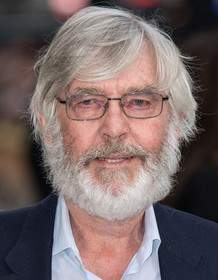
Lieutenant Grey (Tom Courtenay)
Played by Tom Courtenay
Grey is the lower-ranking, principled Provost who clings to ethics amidst scarcity and deceit. He challenges the legitimacy of the corrupt hierarchy and tries to bring wrongdoing to light, even at personal cost. His stubborn integrity contrasts with the camp’s pragmatic survivalism.
- 🛡️ Integrity
- 🕊️ Duty
- W(
Weaver (Richard Dawson)
Played by Richard Dawson
Weaver is the lone British paratrooper who appears to liberate the camp but quickly notes the suspicious health and demeanor of King. He acts with caution, recognizing the danger of trusting a man who wields quiet influence. His eventual encounter underscores the fragile line between liberation and continued captivity.
- 🧭 Suspicion
- 🗝️ Liberation
Where and When Is King Rat Set?
King Rat is set in Japanese prison camp (World War II (1939-1945)). Here is why the time and place matter to the story.
When
World War II (1939-1945)
The story is set in the Pacific theater of World War II, spanning the early to mid-1940s. Prisoners contend with starvation, disease, and a rigid hierarchy dictated by the captors. The period culminates in a surrender that destabilizes the camp’s power structure and reshapes who holds influence among the prisoners.
Where
Japanese prison camp
The action unfolds inside a Japanese-run POW camp during World War II, where British, American, and Australian servicemen are held under harsh conditions. Scarcity, discipline, and constant surveillance shape daily life, pushing inmates to seek leverage through illicit dealings. The camp becomes a crucible for power, where contraband trades and cunning can mean survival.
- ❄️ Prison camp
- 🗺️ War setting
- 🧭 Asia-Pacific
What Are the Themes of King Rat?
3 ideas the story keeps returning to, among them Power Play, Moral Dilemma and Survival Tactics.
-
01
Power Play
King seizes control of the camp through charm, manipulation, and illicit trade, turning the environment into his own marketplace. He recruits Marlowe as translator, using the partnership to widen his influence and protect his hidden profits. The dynamic demonstrates how power can be earned through cunning rather than formal rank, until external events threaten the balance.
-
02
Moral Dilemma
Grey embodies integrity in a corrupt system, trying to expose theft while navigating pressures to conform. The prisoners face conflicting loyalties between discipline and survival, raising questions about what is truly right under extreme hardship. The narrative probes whether ethical codes survive when hunger and fear override principle.
-
03
Survival Tactics
Food scarcity drives a shadow economy: King breeds rats for meat and sells it under false pretenses, while other ruses test loyalties and trust. The camp’s ethics blur as diamonds and other valuables become bargaining chips for safety and favor. Survival becomes a constant negotiation between restraint and pragmatic ruthlessness.
What Kind of Film Is King Rat?
Dark in tone, with steady pacing and a moderate story, going by the plot summary.
- Tone
- Dark
- Pacing
- Steady
- Story
- Moderate
- Intensity
- High
- Ending
- Bittersweet
An oppressive and tense POW drama that explores the dark, morally complex realities of survival, where corrupt hierarchies and cynical calculations erode traditional values in a claustrophobic environment.
- oppressive
- claustrophobic
- tense
- cynical
- morally complex
- anxious
- pow survival
- moral corruption
- friendship and betrayal
- class conflict
Content notes: war violence, starvation, animal death, psychological manipulation.
Quiz
How well do you remember King Rat? Test yourself on the story.