
It’s a Summer Film! (2020): Cast, Box Office & Plot
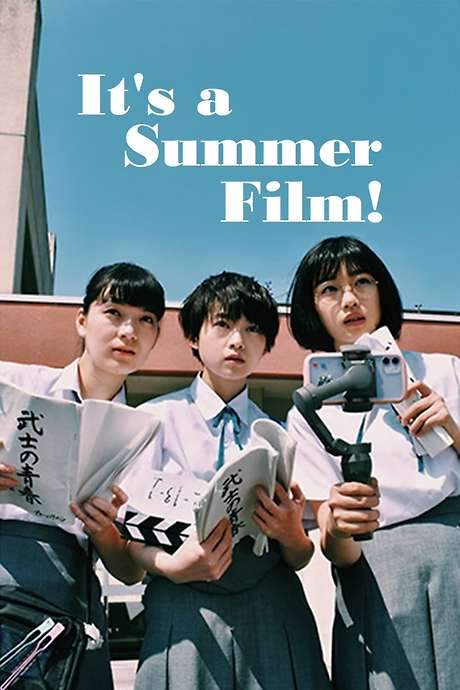
It’s a Summer Film! is a 2020 comedy drama directed by Soushi Matsumoto, starring Marika Ito as Barefoot, Daichi Kaneko and Mahiru Koda. It runs 1 hour 38 minutes and earned $222,897 worldwide.
- Released
- Runtime
- 1h 38m (98 min)
- Director
- Soushi Matsumoto
- Original language
-
 Japanese
 - Studio
- Phantom Film
- After the credits
- No No extra scene
What Is It’s a Summer Film! About?
The premise of It’s a Summer Film! without spoilers. The whole story is in the plot summary further down.
A group of friends embark on an ambitious project to create their own samurai movie. They assemble a quirky cast and crew, facing challenges as they work to complete the film and ultimately screen it at their school festival.
It’s a Summer Film! Themes & Keywords
· 29 tags- compete
- japanese drama
- friend
- stranger
- summer
- japanese school
- japanese high school
- cool girl
- schoolgirl
- japanese schoolgirl
- asian schoolgirl
- schoolgirl uniform
+17 more Show fewer
- seifuku
- director
- knocking on a glass door
- filmmaking
- psychotronic film
- psychotronic filmmaking
- skirt
- samurai boy
- film club
- student project
- barefoot
- classroom
- project
- student student relationship
- blackboard
- students
- independent film
It’s a Summer Film! Cast & Characters
Marika Ito leads the cast as Barefoot, with Daichi Kaneko as Rintaro and Mahiru Koda as Karin. Directed by Soushi Matsumoto; 11 actors are credited in all.
- Director Soushi Matsumoto
- Marika Ito as Barefoot
- Daichi Kaneko as Rintaro
- Mahiru Koda as Karin
- Kirara Inori as Blue Hawaii
Also Starring in It’s a Summer Film!
· 7 more- Yuumi Kawai Kickboard
- Yutaro Hayato
- Shunya Itabashi Daddy Boy
- Ryo Shinoda Oguri
- Yushin Shinohara Doc
- Seiichi Kohinata Komada
- Eikichi Ikeda Masuyama
It’s a Summer Film! Plot Summary
What happens in It’s a Summer Film! from start to finish, spoilers included, with a timeline of 12 key events. The opening is below; the full summary is a 4-minute read.
Spoilers ahead
In 2020, a group of Japanese high school students in a film club decide to shake off the typical teen romance plan and dive into a jidaigeki (old-fashioned samurai film) called Samurai Spring, led by Barefoot [Marika Ito], a determined director who wants this project to be a defining triumph for the club. The idea is bold: create a period-piece action drama rather than the light-hearted romance the students were expected to produce, and in doing so, push the boundaries of what their little film club can accomplish. The atmosphere on set is creative and collaborative, with each student contributing ideas and energy to bring the ambitious vision to life.
Full summary
The whole story of It’s a Summer Film!, scene by scene
It’s a Summer Film! Box Office
It’s a Summer Film! grossed $222,897 worldwide.
Worldwide gross
$222.9K
- International
- $222.9K
It’s a Summer Film! Trailers & Videos
The trailer of It’s a Summer Film!.
How Well Do You Know It’s a Summer Film!?
10 questions about the story, each with a hint if you get stuck. Pick an answer to see whether you were right.
Question 1 of 10
- Question 1: not answered
- Question 2: not answered
- Question 3: not answered
- Question 4: not answered
- Question 5: not answered
- Question 6: not answered
- Question 7: not answered
- Question 8: not answered
- Question 9: not answered
- Question 10: not answered
Who is the Japanese high‑school student that leads the creation of the samurai film within the story?
It’s a Summer Film! Also Known As
7 alternative titles, including “Samāfirumu ni notte” and “Summer Film ni Notte”.
- Also known as
-
- Samāfirumu ni notte
- Summer Film ni Notte
- (เกือบจะไม่ได้)ฉายแล้วหน้าร้อนนี้
- 썸머 필름을 타고!
- (เกือบจะไม่ได้) ฉายแล้วหน้าร้อนนี้!
- 乘上夏日影像
- 我們的夏日電影
Seen It’s a Summer Film!?
Movies Like It’s a Summer Film!
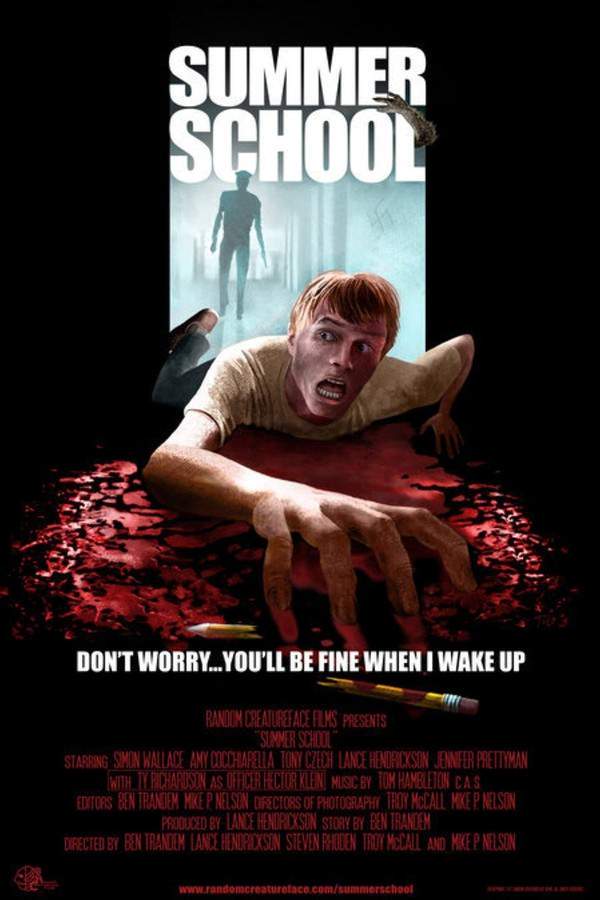
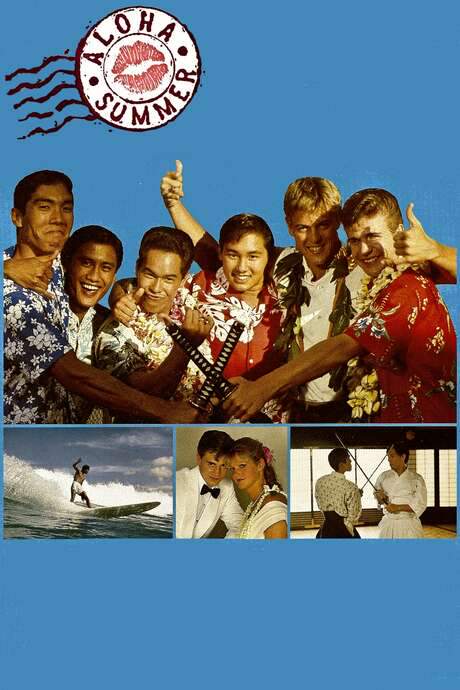
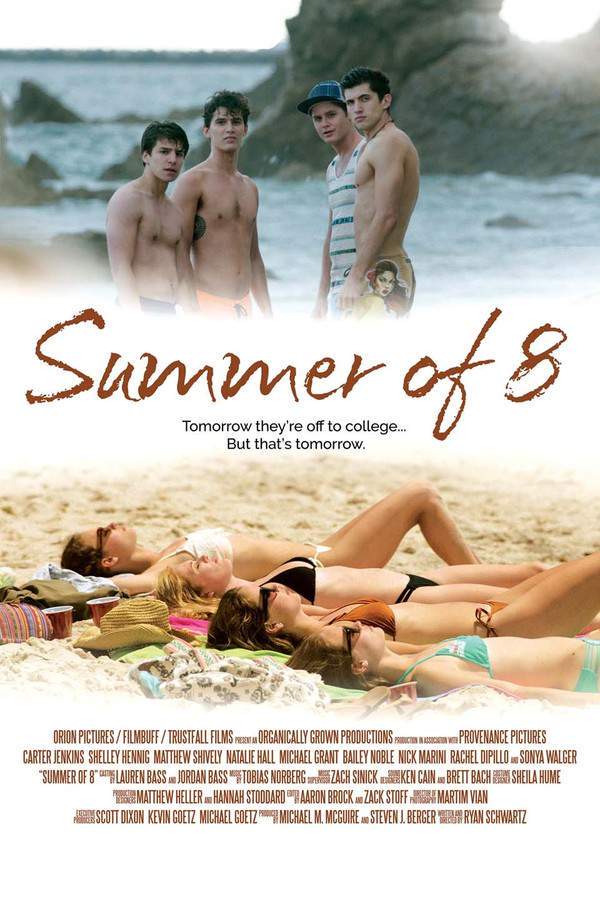
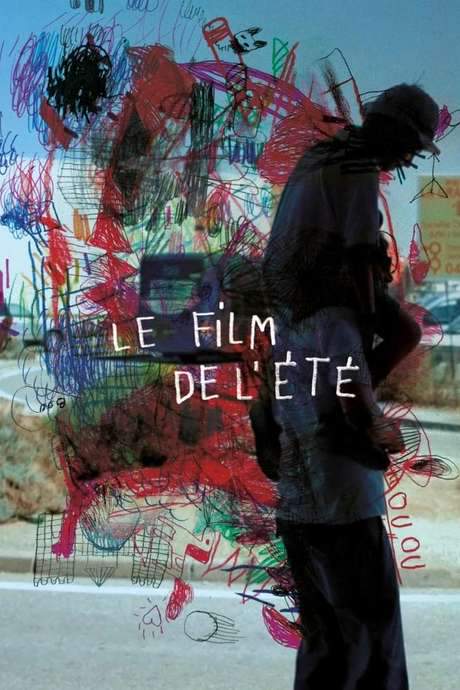
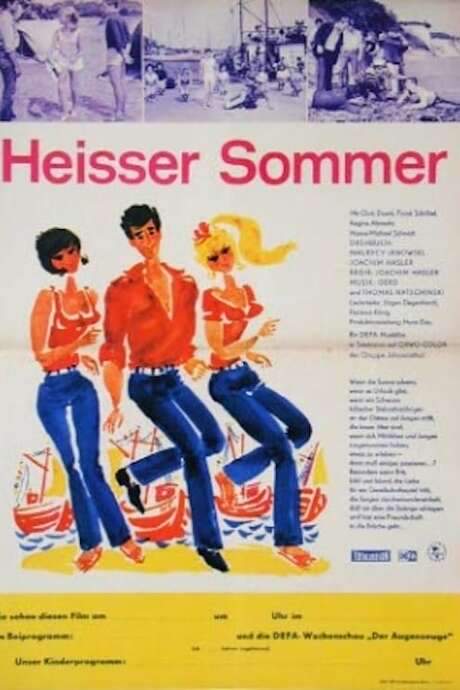
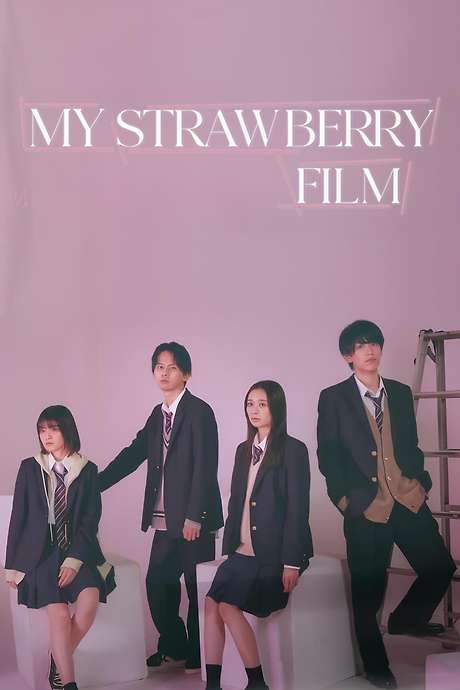
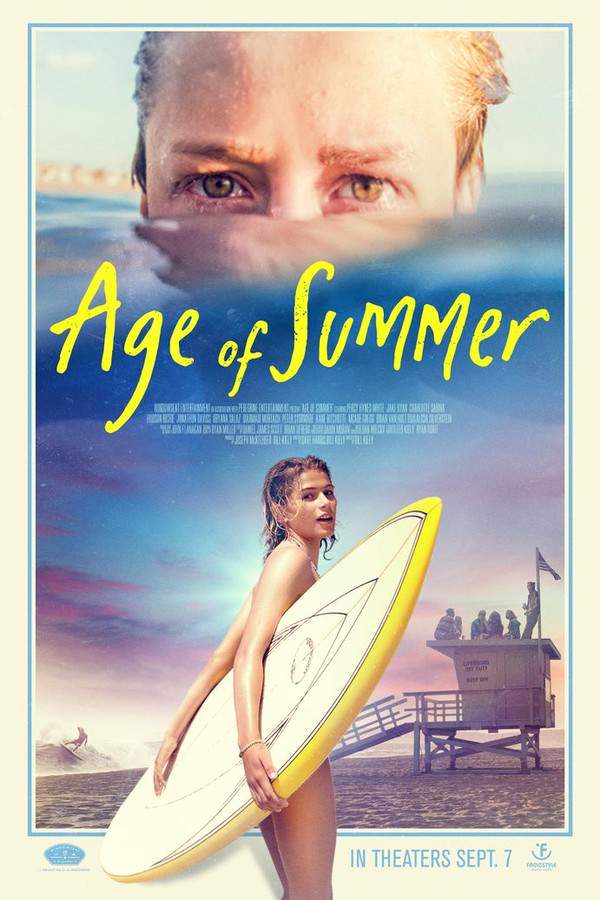
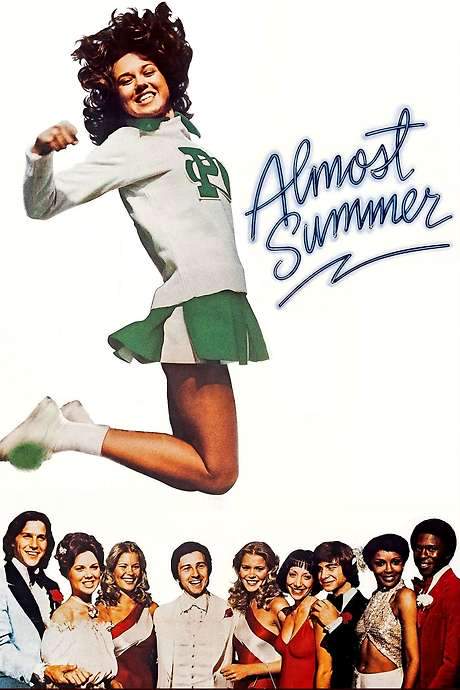
Films with a similar story, tone or audience, including Summer School, Aloha Summer and Summer Love.



It’s a Summer Film! FAQ: Cast, Box Office & Runtime
Runtime, release date, director, cast, box office, post-credit scenes and language of It’s a Summer Film!, each answered in a sentence.
How long is It’s a Summer Film!?
It’s a Summer Film! runs 1 hour 38 minutes (98 minutes).
When was It’s a Summer Film! released?
It’s a Summer Film! was released on November 2, 2020.
Who directed It’s a Summer Film!?
It’s a Summer Film! was directed by Soushi Matsumoto.
More films by Soushi Matsumoto Who is in the cast of It’s a Summer Film!?
It’s a Summer Film! stars Marika Ito as Barefoot, Daichi Kaneko as Rintaro and Mahiru Koda as Karin, among 11 credited actors.
How much did It’s a Summer Film! make at the box office?
It’s a Summer Film! grossed $222,897 worldwide.
Does It’s a Summer Film! have a post-credit scene?
No. It’s a Summer Film! has no extra scene during or after the credits.
What language is It’s a Summer Film! in?
The original language of It’s a Summer Film! is Japanese.
Coming soon to your phone
The Plot Explained Movie Summary App
From blockbusters to hidden gems: plot summaries, endings explained and timelines on your phone. Save your favorites and never miss a twist again.
Be the first to know when it launches. Your email stays private, always. Learn more about the app
